Engine Oil Maintenance & Top-Up Checker
Enter your details and click "Check Recommendation" to see if you should top up or change your oil.
Recommended Intervals by Oil Type:
- Mineral Oil 3,000 - 5,000 miles
- Synthetic Blend 5,000 - 7,500 miles
- Fully Synthetic 7,500 - 10,000 miles
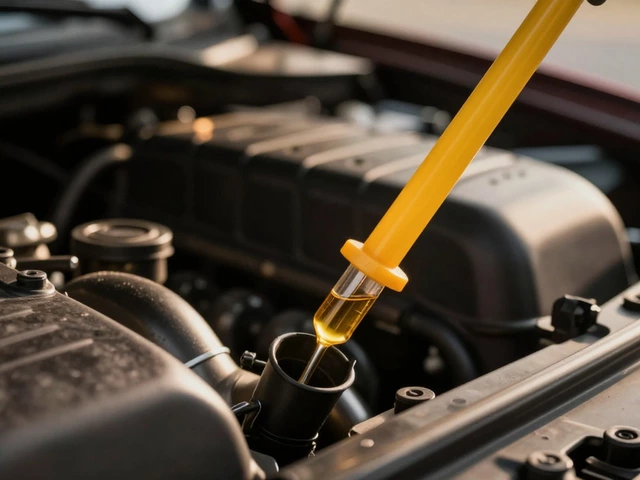
It’s a question that pops up in every garage conversation: "I’m low on oil. Can I just pour some fresh stuff on top of the old gunk and keep driving?" It feels like common sense. If you’re thirsty, you drink water. If your tank is low, you add fuel. So why not oil?
The short answer is yes, you can physically pour new oil into an engine with old oil inside. The fluids will mix. Your car won’t explode. But whether you should do it as a long-term strategy is a different story entirely. Doing this regularly can actually hurt your engine more than help it.
The Myth of "Freshening Up" Old Oil
Many drivers think that adding new oil dilutes the contaminants in the old oil, effectively "cleaning" the engine. Imagine stirring clean water into a muddy puddle. Does the mud disappear? No. It just becomes less concentrated. The dirt is still there.
Engine oil is a lubricant designed to reduce friction between moving parts, cool components, and suspend contaminants until they can be filtered out. Over time, oil breaks down chemically. It loses its viscosity (thickness) and its ability to protect metal surfaces. More importantly, it accumulates sludge, metal shavings, and carbon deposits.
When you add new oil to old oil, you aren’t removing those contaminants. You’re just increasing the volume of fluid containing them. The oil filter has a limited capacity. Once it’s saturated with debris, it bypasses filtration or restricts flow. Adding more oil doesn’t reset the filter’s life. It just means you have more dirty liquid circulating through your engine.
What Happens When You Mix Oils?
Let’s say you decide to top up because your dipstick reads low. This is generally safe if done correctly. However, problems arise when you start mixing different types of oils regularly without performing a full drain and refill.
- Viscosity Mismatch: If you mix a 5W-30 oil with a 10W-40 oil, you create a hybrid viscosity that isn’t specified by your manufacturer. This can lead to poor cold-start protection or inadequate high-temperature film strength.
- Additive Clash: Modern oils contain complex additive packages-detergents, dispersants, anti-wear agents. Different brands use different chemical formulas. While most major oils are compatible, mixing them can sometimes neutralize specific additives, reducing the oil’s overall effectiveness.
- Synthetic vs. Mineral: Mixing fully synthetic oil with conventional mineral oil creates a blend that performs worse than pure synthetic but costs more than pure mineral. You lose the benefits of both worlds.
In a pinch, topping up with whatever oil matches your vehicle’s specifications is better than running low on oil. Running low causes immediate mechanical damage due to lack of lubrication. Mixing slightly incompatible oils causes gradual, long-term wear. Immediate damage is always worse than gradual wear.
Why Topping Up Isn't a Substitute for Changing
Think of engine oil like coffee filters in a home brewer. If you keep adding fresh coffee grounds to a clogged filter, the brew gets weaker and the machine struggles. Eventually, the system fails. Similarly, oil degrades over time due to heat, oxidation, and shear stress.
Here is what happens to oil inside your engine:
- Oxidation: Heat causes oil molecules to bond with oxygen, forming varnish and sludge.
- Contamination: Combustion byproducts (soot, acids) leak past piston rings into the crankcase.
- Dilution: Fuel and coolant can contaminate the oil, especially in direct-injection engines.
None of these processes are reversed by adding new oil. Only draining the old oil and replacing the filter removes the accumulated toxins. A study by the Society of Automotive Engineers (SAE) found that extended oil change intervals without proper filtration led to a 20% increase in engine wear compared to standard maintenance schedules.
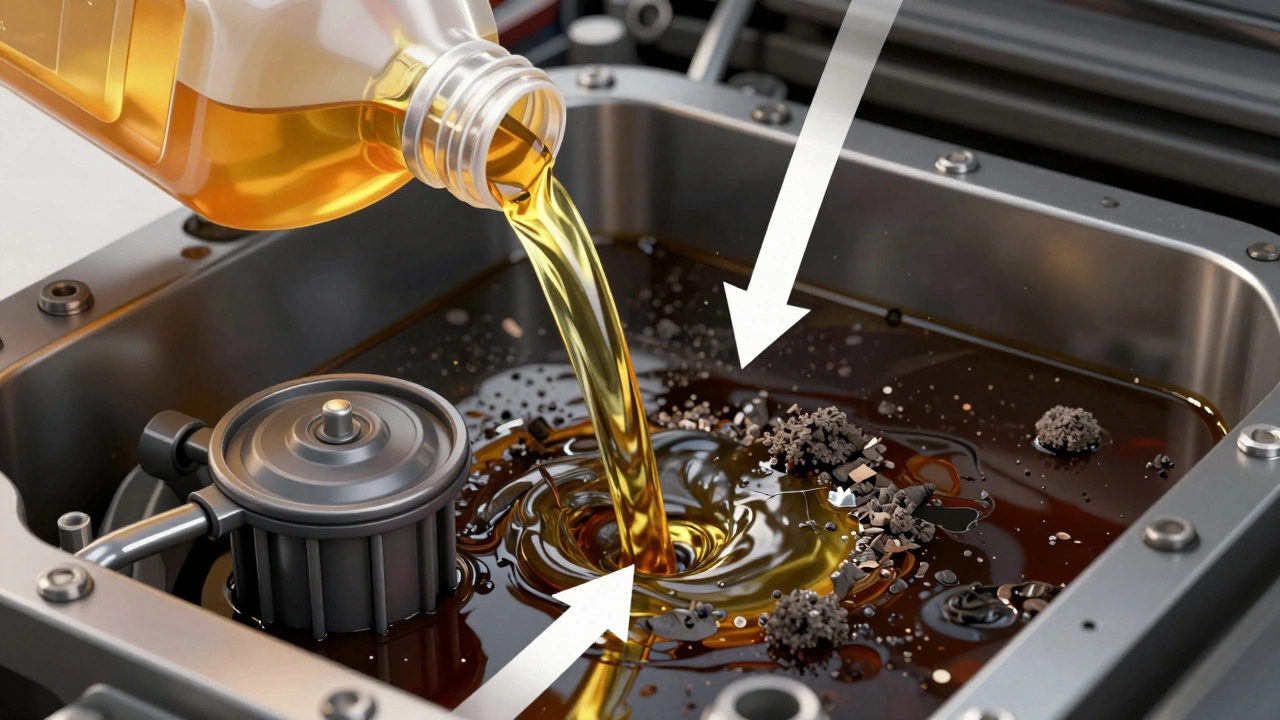
When Is It Okay to Top Up?
There are legitimate reasons to add oil between changes:
- Normal Consumption: Some engines burn small amounts of oil. If you check your dipstick monthly and find it’s halfway down, adding a quart of the same specification oil is perfectly fine.
- Emergency Situations: If your low-oil warning light comes on while driving, adding any available oil of the correct viscosity is critical to prevent seizure.
- Between Scheduled Changes: If you’re halfway through your service interval and notice a slight drop, topping up maintains protection without needing a full change yet.
The key is consistency. Use the same grade and type of oil recommended by your manufacturer. Don’t treat topping up as a way to extend your oil change interval beyond what the manual says.
| Factor | Topping Up Old Oil | Full Oil Change |
|---|---|---|
| Contaminant Removal | None | Complete |
| Filter Life | Not Reset | New Filter Installed |
| Oil Chemistry | Diluted/Degraded | Fresh/Additives Active |
| Cost | Low (£10-£20) | Medium (£40-£80) |
| Engine Longevity Impact | Negative if overused | Positive |
How Often Should You Actually Change Oil?
This depends heavily on your driving style and the type of oil used. Manufacturers often recommend intervals based on "severe" or "normal" service.
If you drive mostly on highways at steady speeds, you might get away with longer intervals. But if you live in Manchester, where we see plenty of stop-start traffic, cold starts, and shorter journeys, your engine works harder. Short trips don’t allow the engine to reach optimal operating temperature, leading to increased moisture buildup in the oil. This accelerates degradation.
A good rule of thumb:
- Mineral Oil: Change every 3,000 to 5,000 miles.
- Synthetic Blend: Change every 5,000 to 7,500 miles.
- Fully Synthetic: Change every 7,500 to 10,000 miles.
Always check your owner’s manual. Modern cars have oil life monitoring systems that calculate remaining life based on driving conditions, not just mileage. Trust them, but don’t ignore visual cues.
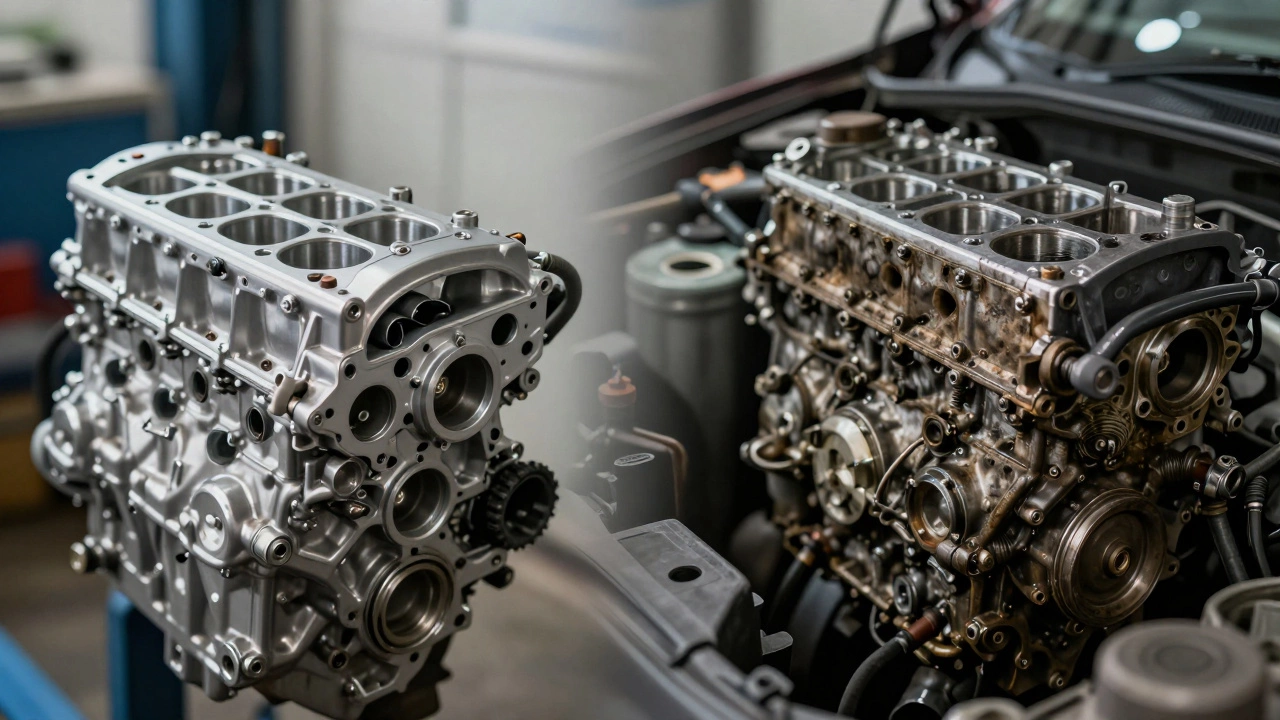
Signs Your Oil Needs Changing Now
Don’t wait for the dashboard light. Look for these physical signs:
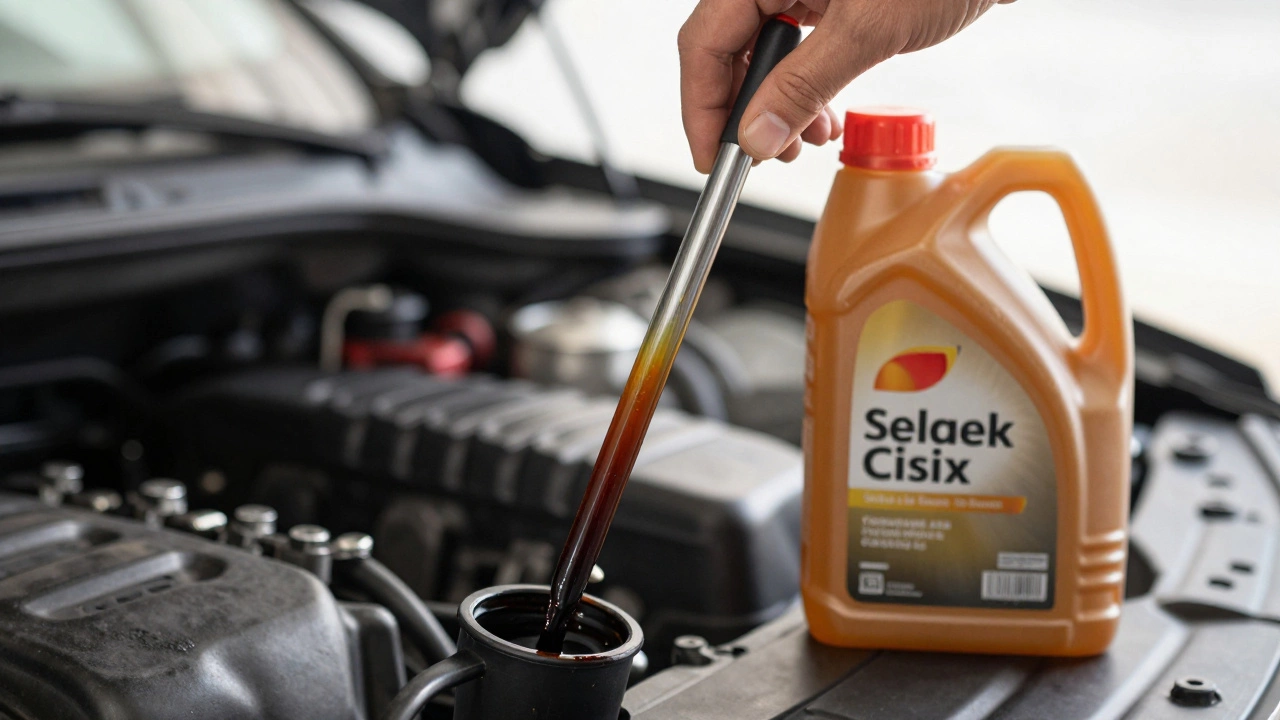
- Dark Color: Fresh oil is amber or light brown. Used oil turns black. While color alone isn’t a perfect indicator (some detergents darken quickly), pitch-black oil usually means heavy contamination.
- Grainy Texture: Rub a drop between your fingers. If it feels gritty, there’s metal or dirt suspended in it.
- Burnt Smell: Oil that smells like burnt toast indicates overheating or burning off additives.
- Low Level: Consistently low levels suggest a leak or excessive consumption, requiring investigation beyond just topping up.
Pro Tips for Maintaining Engine Health
To get the most out of your engine oil, follow these practices:
- Use the Right Grade: Stick to the viscosity specified in your manual (e.g., 5W-30). Using thicker oil in a tight-tolerance modern engine can cause poor circulation.
- Change Filters Every Time: Never reuse an oil filter. It holds most of the contaminants. A new filter ensures clean oil flows from day one.
- Check Levels Monthly: Make checking the dipstick part of your monthly routine. Do it when the engine is warm and parked on level ground.
- Let the Engine Cool: Wait 10-15 minutes after driving before checking oil levels to let it drain back into the sump.
- Dispose of Waste Properly: In the UK, take used oil to a recycling center or auto shop. Never pour it down drains or into soil.
Your engine is the heart of your car. Treat it with respect. Topping up is a temporary fix, not a maintenance strategy. Regular changes keep that heart beating strong for years.
Can I mix different brands of engine oil?
Yes, in an emergency. Most modern oils meet industry standards (API, ACEA) and are chemically compatible. However, regular mixing of different brands may dilute specific additive packages, potentially reducing performance. For best results, stick to one brand and type.
Is it bad to top up oil frequently?
Topping up itself isn’t bad, but frequent need to top up indicates a problem. Engines should not consume significant amounts of oil between changes. If you’re adding more than a quart every few thousand miles, check for leaks or internal wear.
How much oil should I add when topping up?
Add oil gradually, typically half a quart at a time. Check the dipstick after each addition. Overfilling can cause foaming, reduced lubrication, and seal damage. Aim for the midpoint between the 'min' and 'max' marks.
Does synthetic oil last longer than mineral oil?
Yes. Synthetic oil resists breakdown better under high heat and extreme conditions. It also flows better in cold weather. This allows for longer change intervals, provided you replace the filter and monitor oil quality.
What happens if I put too much oil in my engine?
Overfilling causes the crankshaft to spin through excess oil, creating foam. Air bubbles in the oil reduce lubrication efficiency, leading to increased wear. It can also force oil past seals, causing leaks. If you’ve overfilled, drain the excess immediately.