How to Know When Your Car Needs an Oil Change
Learn the key signs your car needs an oil change, from dashboard lights to dipstick checks. Discover how to interpret oil color, sounds, and smell to prevent engine damage.
When you think about your car’s engine, engine oil, a lubricant that reduces friction and heat inside the engine. Also known as motor oil, it’s the lifeblood of your car’s internal parts. Without it, metal components grind together, wear out fast, and your engine can seize up in minutes. It’s not just about filling a tank—it’s about using the right kind, at the right time, and keeping the level where it should be.
Oil viscosity, how thick or thin the oil flows at different temperatures matters more than you think. Using 5W-30 instead of 10W-30 might seem like a small swap, but it can affect how quickly your engine gets protected on a cold morning. And oil type, whether it’s synthetic, conventional, or high-mileage? That changes how long it lasts and how well it handles heat and sludge. Your car’s manual doesn’t give you options for a reason—using the wrong oil can lead to leaks, poor fuel economy, or even engine damage you can’t reverse.
Then there’s the oil level, how much oil is actually in your engine. Too little, and your engine runs dry. Too much, and it can foam up, lose lubrication, and hurt performance. A dipstick isn’t just a tool—it’s your early warning system. Dark, gritty oil? That’s not normal wear—it’s a signal. Milky oil? That’s coolant mixing in, and you’ve got a serious problem. And if you’re only driving 5,000 miles a year, don’t assume you’re safe just because you haven’t hit the mileage mark. Time degrades oil too, even if the car sits in the garage.
Skipping an oil change doesn’t mean you’ll hear a loud bang right away. It means your engine slowly starts to choke on sludge. Your fuel economy drops. Your engine runs hotter. Your repair bills climb. And when you finally do get it changed, you’re not just paying for oil—you’re paying for the damage you ignored. The posts below cover exactly what to look for: the color of oil on the dipstick, how often you really need a change in the UK, whether topping up is enough, and what happens if you add oil while the engine’s running. No guesswork. No fluff. Just what works.
Whether you’re checking your oil for the first time or you’ve been doing it for years, there’s always something new to learn. Below, you’ll find real-world advice from people who’ve been there—what went wrong, what saved their engine, and what you should never ignore.
 Oct, 1 2026
Learn the key signs your car needs an oil change, from dashboard lights to dipstick checks. Discover how to interpret oil color, sounds, and smell to prevent engine damage.
 Aug, 30 2026
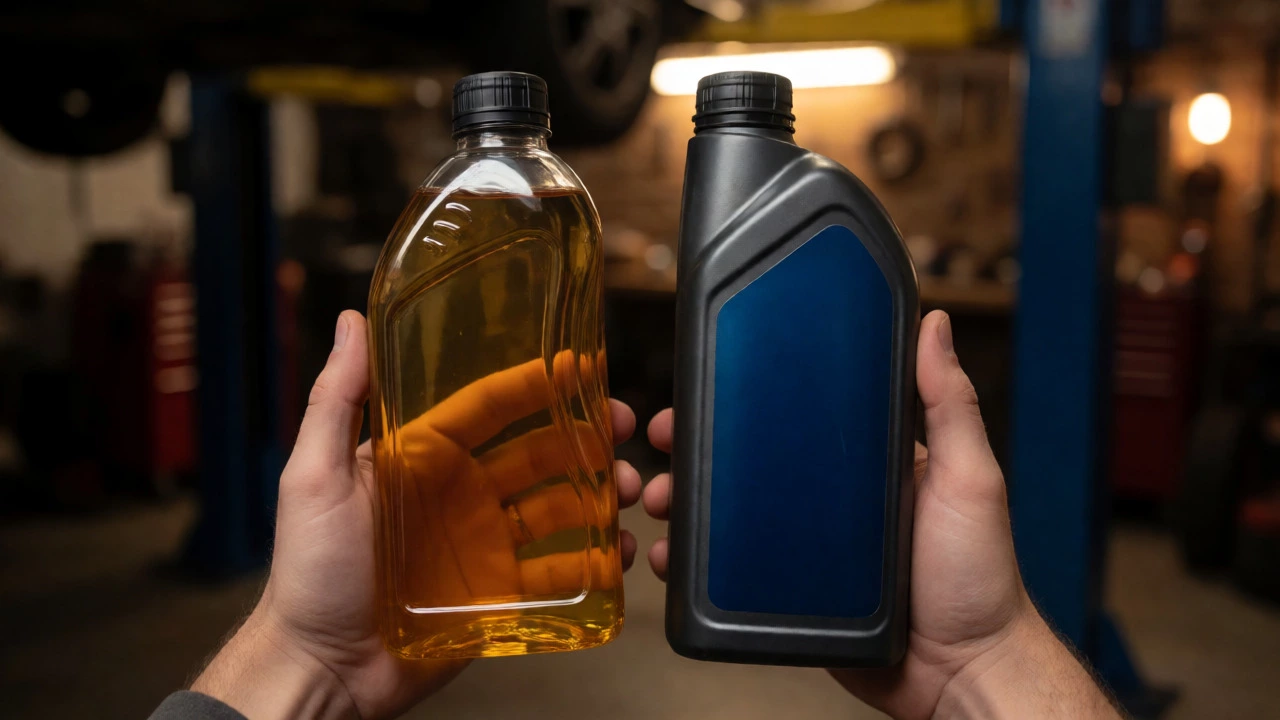
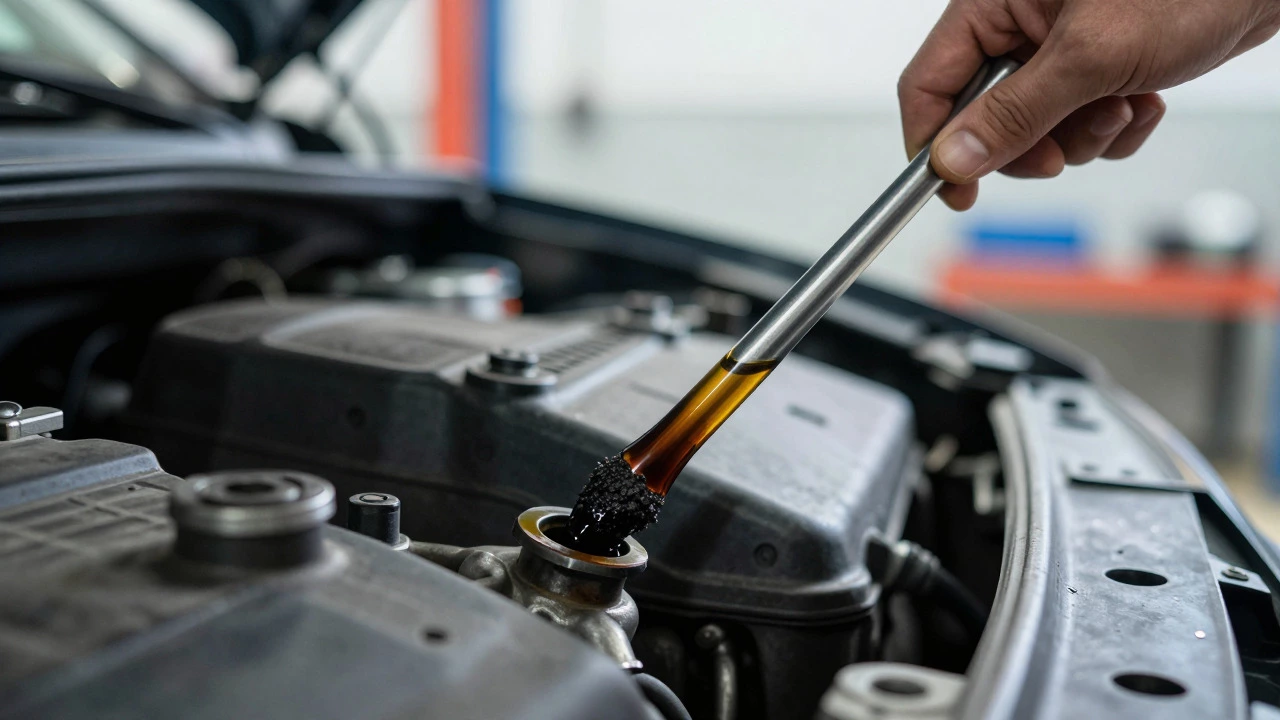
Discover what happens when you use regular oil instead of synthetic. Learn about engine wear, sludge buildup, and whether you can switch back. Practical advice for UK drivers.
 Aug, 20 2026
Learn how often to change your engine oil based on your car's age, driving habits, and oil type. Includes practical tips for UK drivers to avoid costly engine damage.
 Aug, 16 2026
Learn the 7 key signs it's time to change your engine oil, from dashboard warnings to exhaust smoke colors. Avoid costly engine damage by recognizing these early indicators.
 Jul, 23 2026
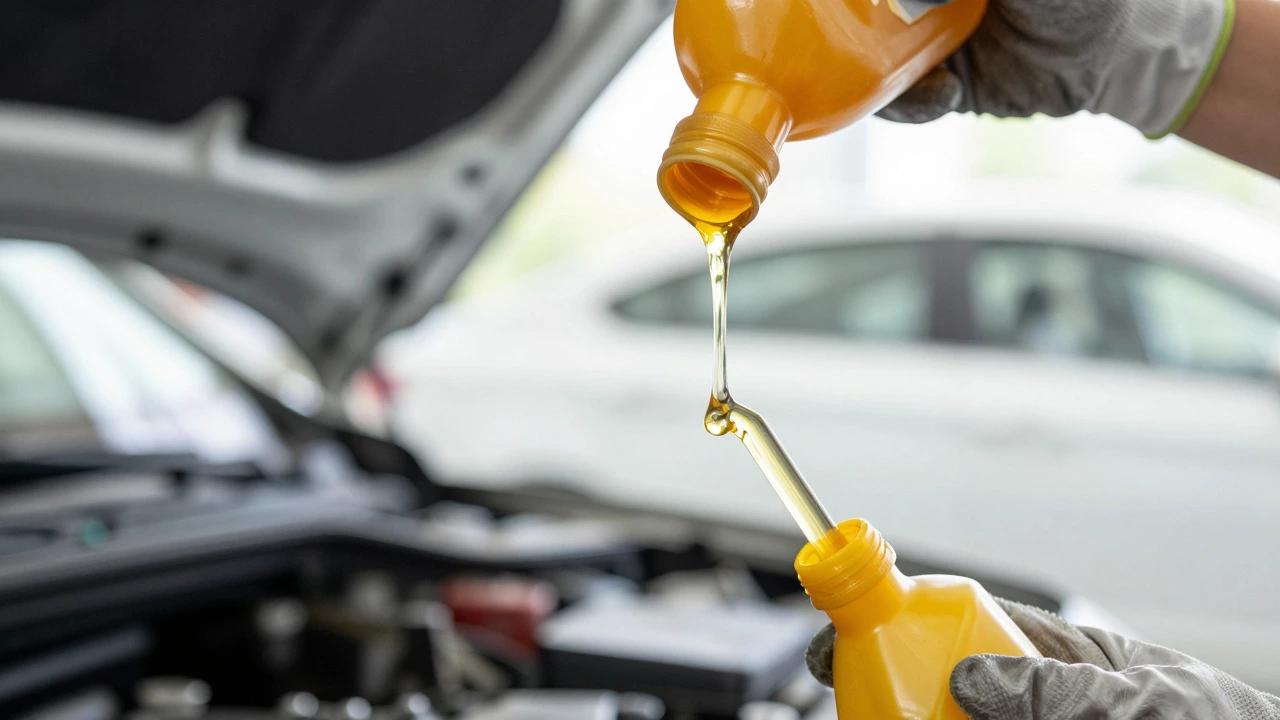
Learn how to tell if your engine oil is still good using the dipstick test. We explain what dark oil really means, how to spot sludge, and when to ignore the oil life monitor.
 Jul, 16 2026
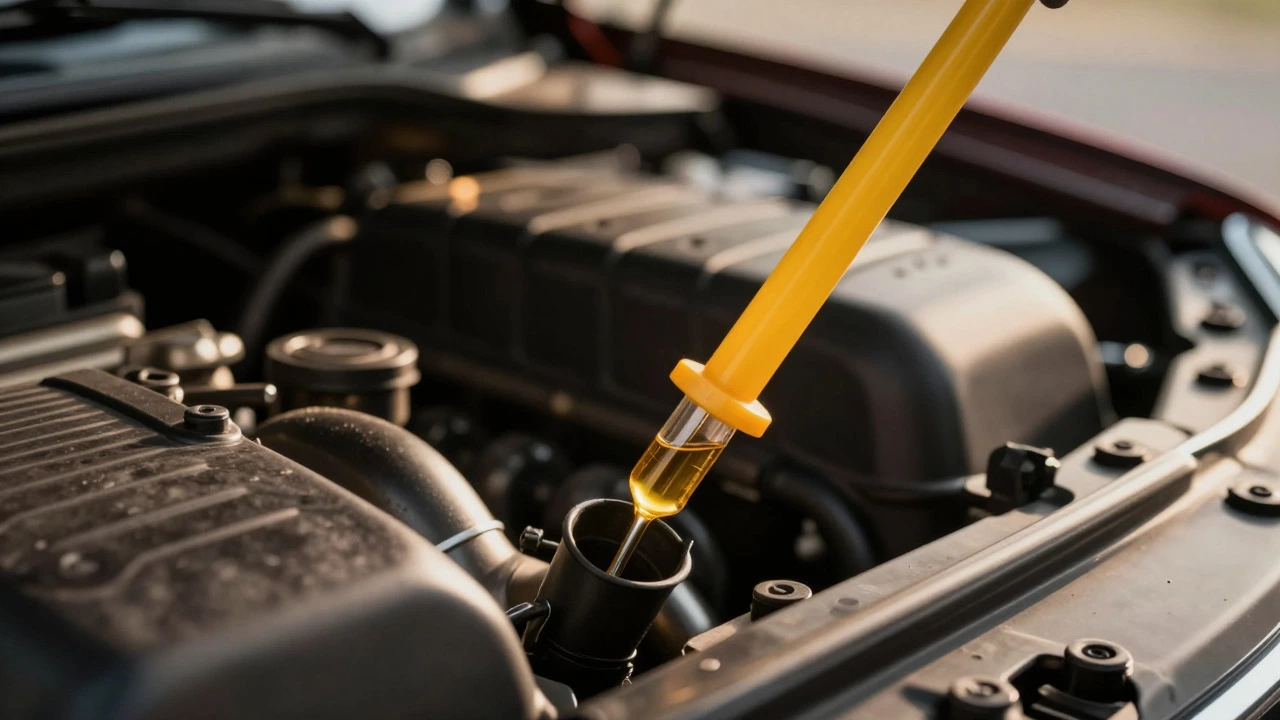
Learn to identify the 5 key sounds of low engine oil, including rod knock and valve ticking. Discover how to diagnose these noises and prevent costly engine damage with simple checks.
 Jun, 22 2026
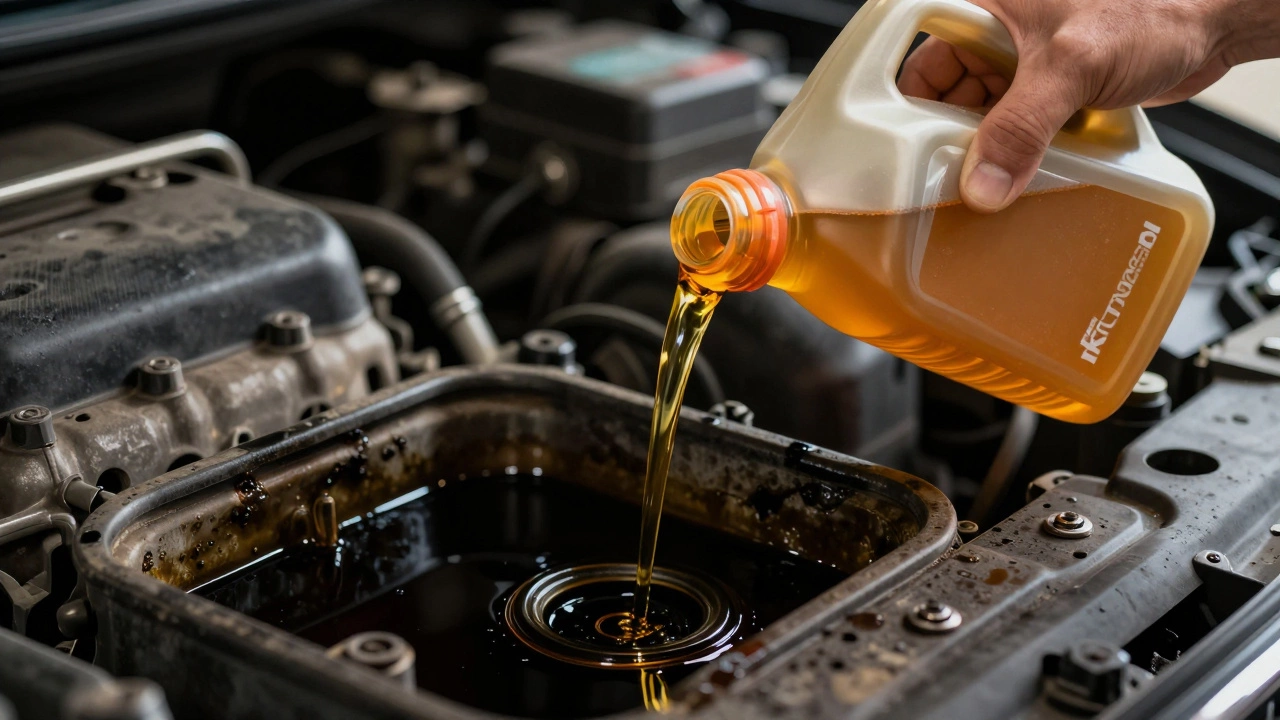
Mixing old engine oil with new degrades lubrication quality, accelerates wear, and risks engine damage. Learn why a full oil change is essential for protecting your vehicle's longevity.
 Jun, 8 2026
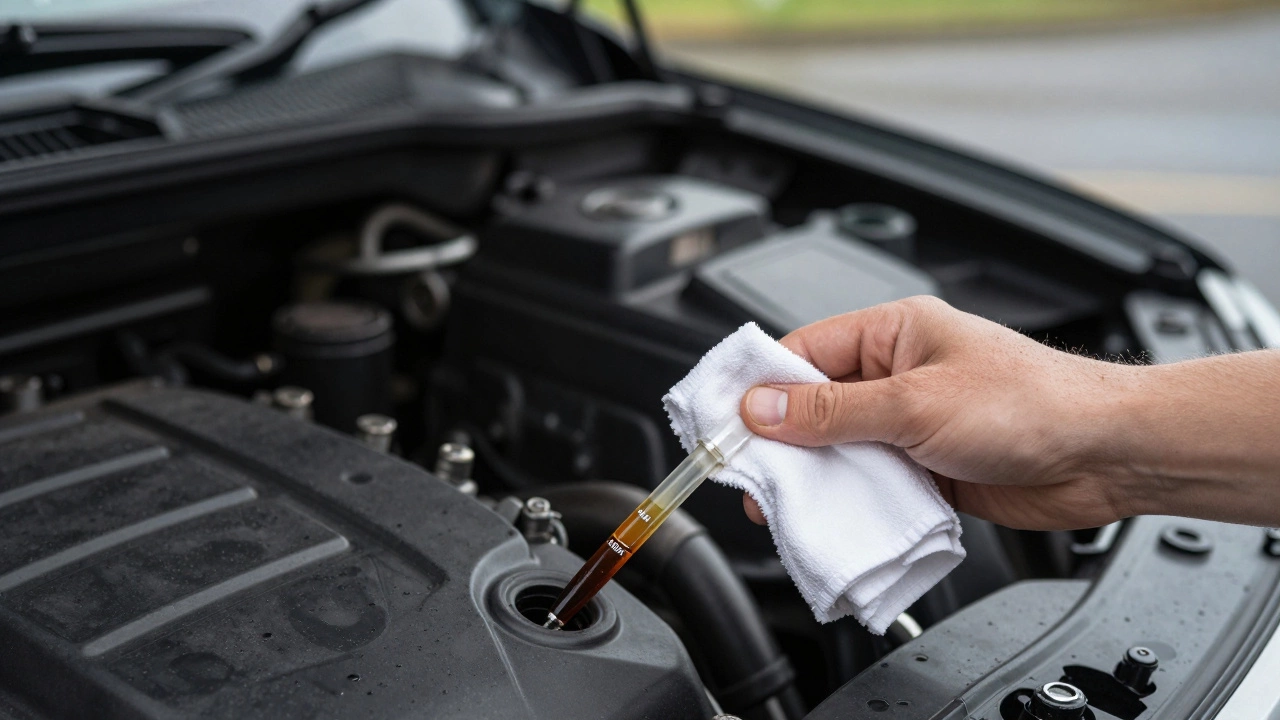
Learn the safe way to top up engine oil. Discover why matching viscosity matters, how to read a dipstick correctly, and the risks of overfilling or mixing synthetic and mineral oils.
 Jun, 1 2026
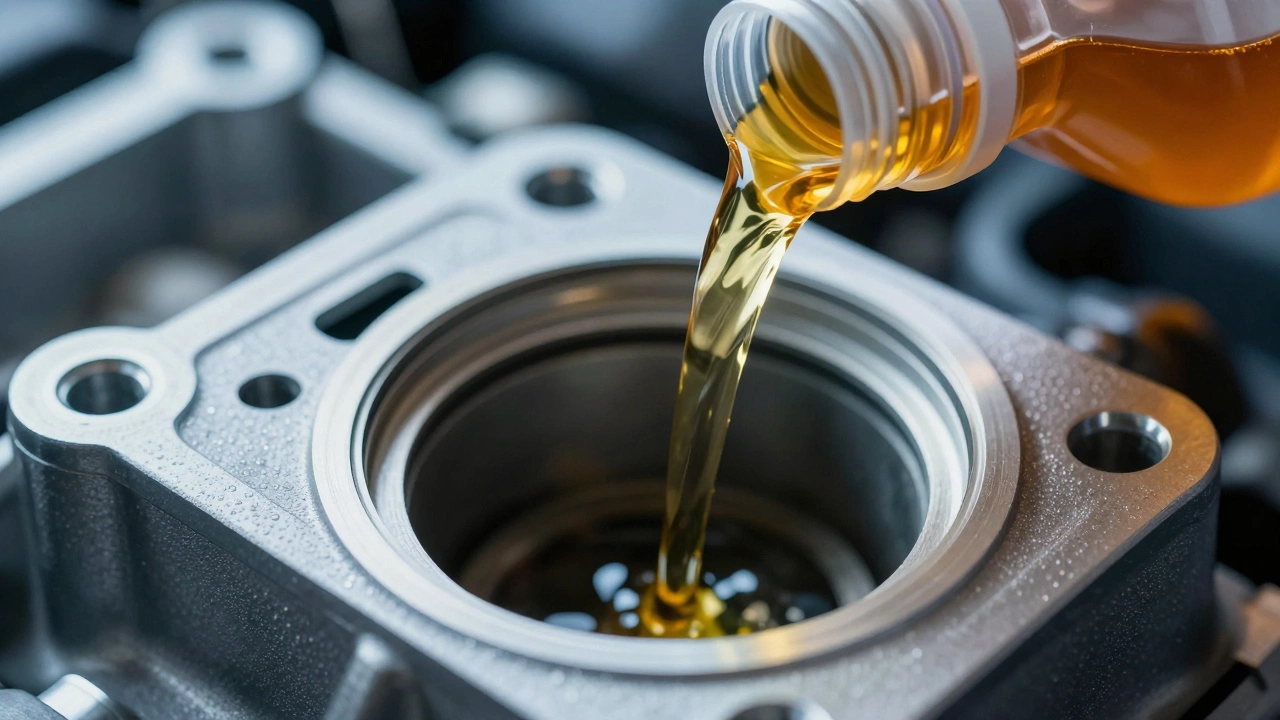
Choosing the right engine oil is critical for your car's longevity. We explain viscosity grades, synthetic vs. mineral differences, and industry standards to help you avoid costly engine damage.
 May, 23 2026
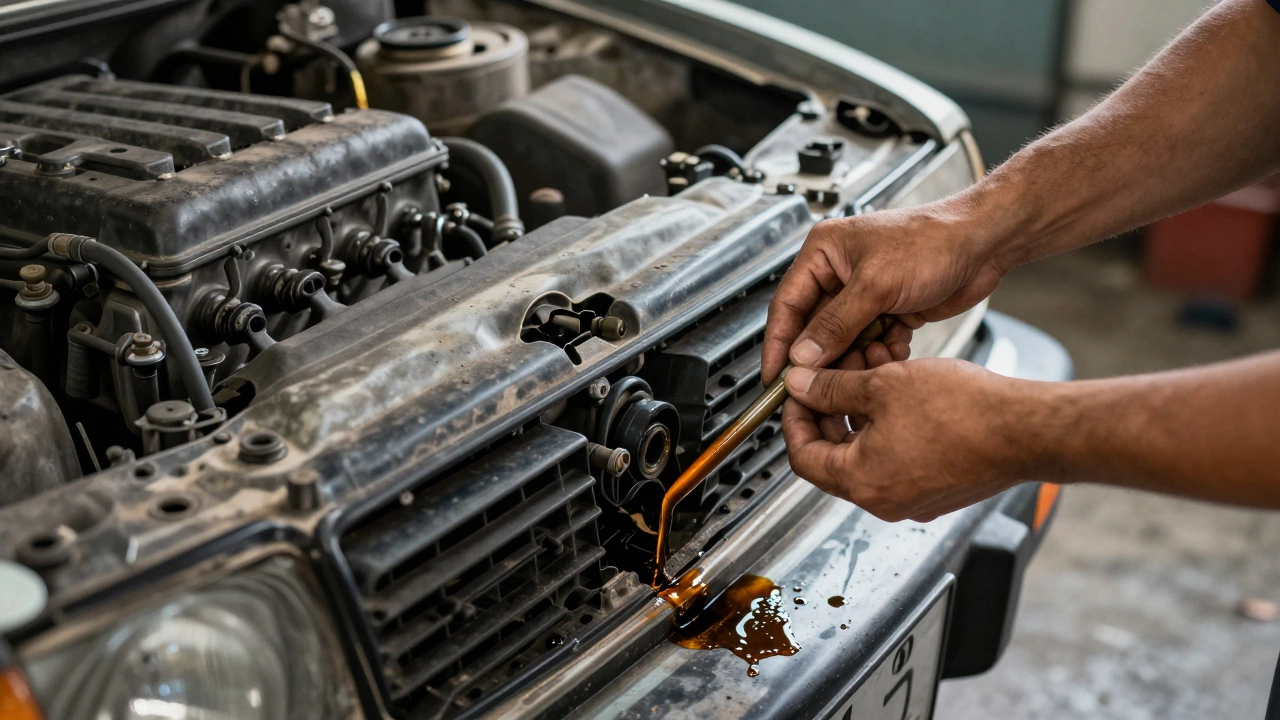
Discover when synthetic oil is the wrong choice for your vehicle. Learn about high-mileage risks, sludge issues, and cost factors to make the best decision for your engine's health.
 May, 14 2026
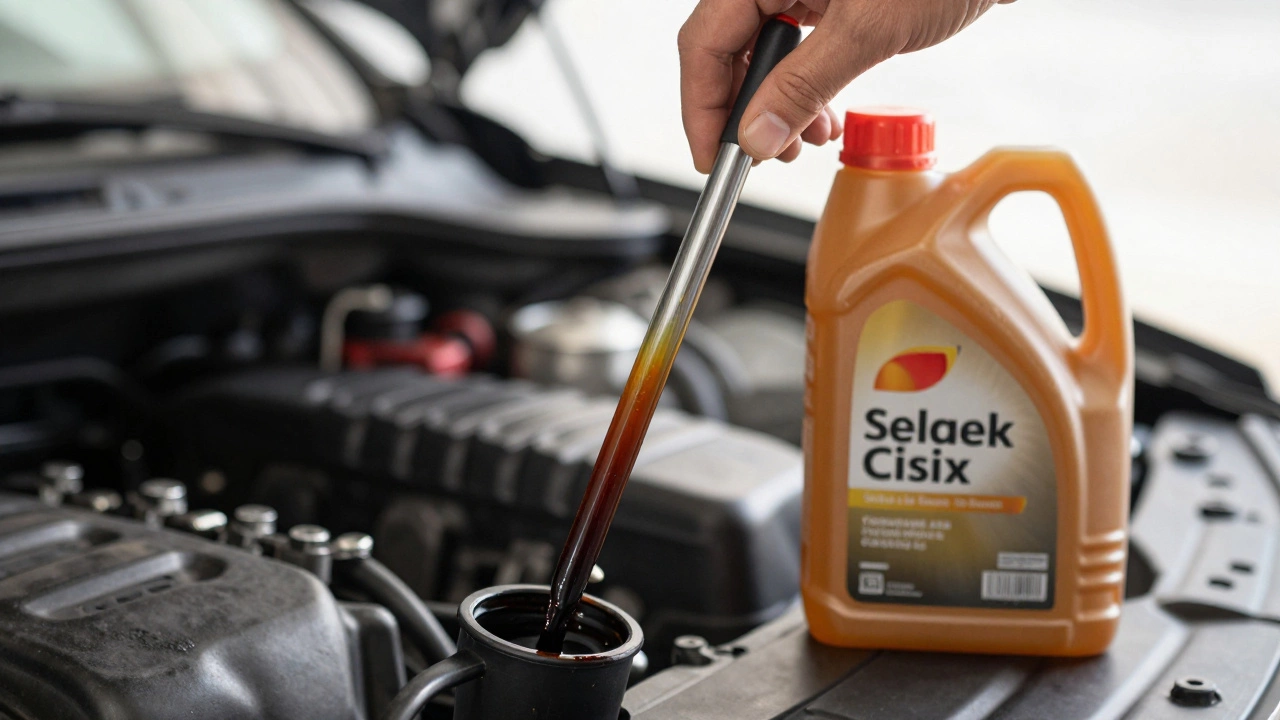
Can you top up old engine oil with new oil? Yes, but only temporarily. Learn why mixing oils isn't a substitute for changing them, the risks of contaminant buildup, and how to maintain engine health properly.
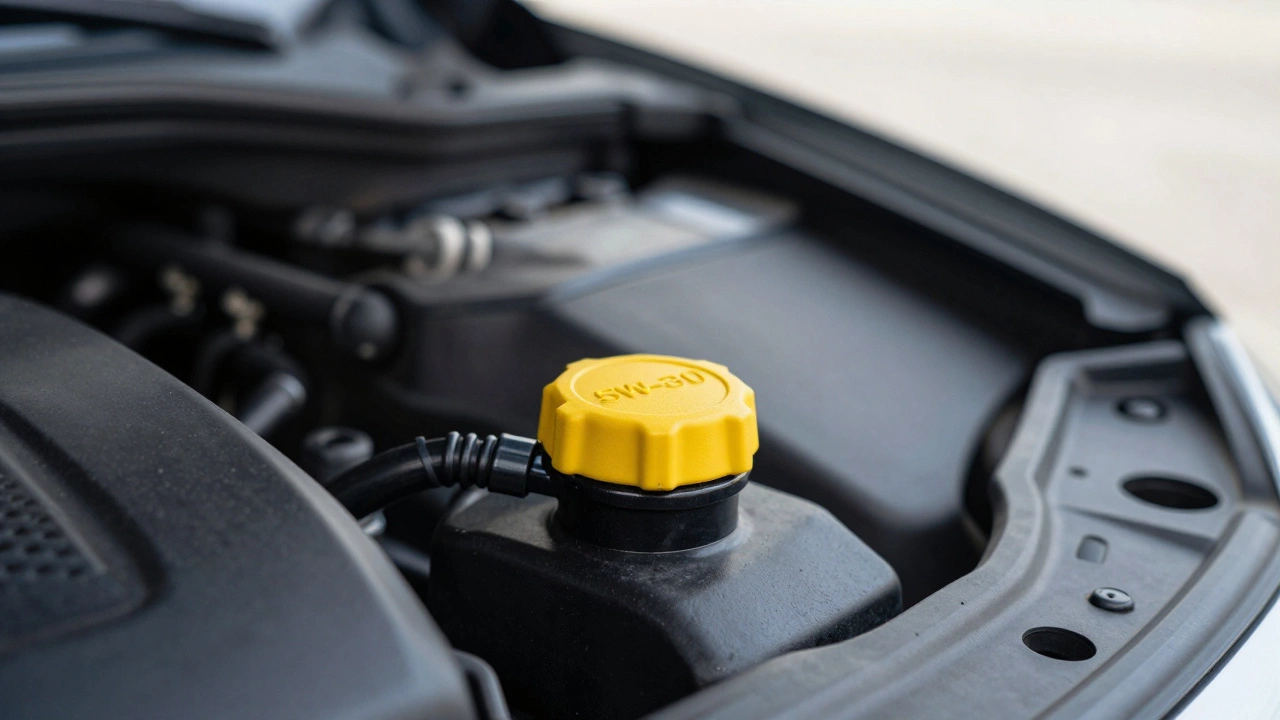 May, 7 2026
Learn how to identify the correct engine oil for your car by decoding viscosity grades, understanding API/ACEA certifications, and choosing between synthetic and conventional options. A simple guide to proper lubrication.