Cheap vs Expensive Air Filters: Does Price Actually Matter?
Discover the real differences between cheap and expensive air filters. Learn why sealing quality matters, when to invest in premium brands, and how to choose the right filter for your car.
When it comes to keeping your car reliable, car maintenance, the routine checks and repairs that keep your vehicle safe and efficient. Also known as vehicle servicing, it’s not about fancy upgrades—it’s about catching small issues before they turn into expensive breakdowns. Most people wait until something breaks, but smart drivers know that car maintenance is the cheapest insurance you can buy. A worn brake rotor, a failing fuel pump, or a leaking radiator won’t always scream for attention—sometimes they just whisper. And if you miss the whisper, you’ll pay for the shout.
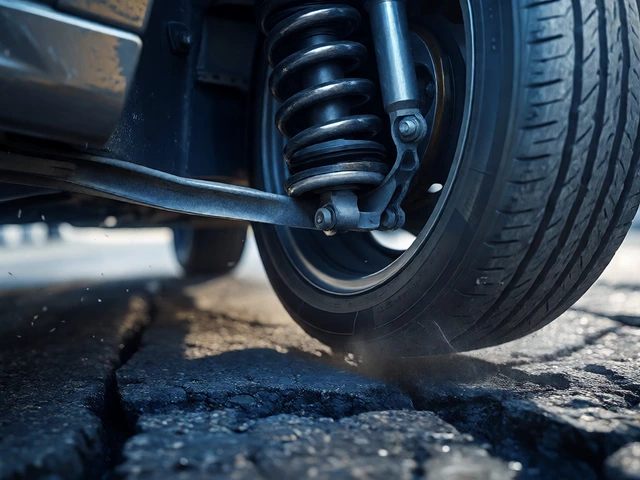
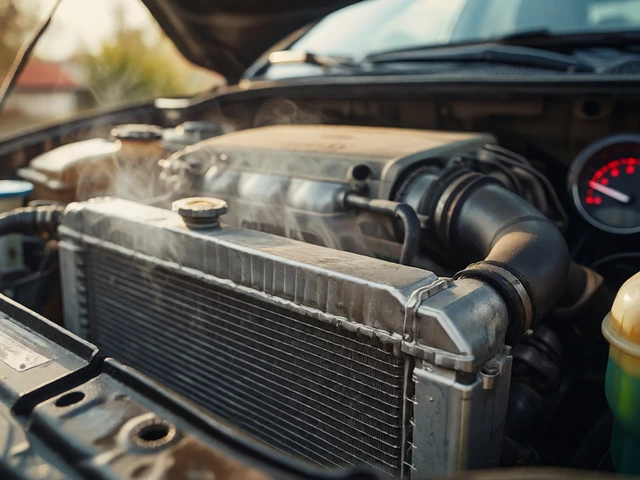
Think about the brake rotors, the metal discs that slow your car when you press the pedal. They wear down over time, and if you keep driving with thin or warped rotors, your brakes won’t stop you as fast—or worse, they might fail. Then there’s the fuel pump, the component that pushes gas from your tank to the engine. A weak one won’t always throw a code, but your car might hesitate on the highway or refuse to start after sitting overnight. And don’t ignore the radiator, the part that keeps your engine from overheating. A small leak or clog can turn into a blown head gasket in days. Even the shock absorbers, the parts that smooth out bumps and keep your tires on the road—if they’re worn, your car doesn’t just ride rough, it handles poorly, especially in rain or emergency turns.
These aren’t separate problems—they’re all connected. Bad shocks mean uneven tire wear, which strains your suspension and affects braking. A failing fuel pump can make your engine run lean, which overheats the engine and stresses the radiator. And if you skip checking your brake rotors, you risk damaging the calipers, which are way more expensive to replace. Car maintenance isn’t about following a calendar—it’s about understanding how parts talk to each other. The goal isn’t to fix everything at once. It’s to spot the early signs, act fast, and avoid being stranded on the side of the road with a bill you didn’t plan for.
Below, you’ll find real, no-fluff guides on exactly what to look for, how to check it yourself, and when to call a pro. Whether it’s testing your battery voltage, spotting slipping clutch symptoms, or figuring out if your exhaust needs an upgrade, every post here comes from real experience—no guesswork, no marketing hype. You don’t need to be a mechanic to keep your car running right. You just need to know what matters, when it matters, and what to do next.
 Oct, 22 2026
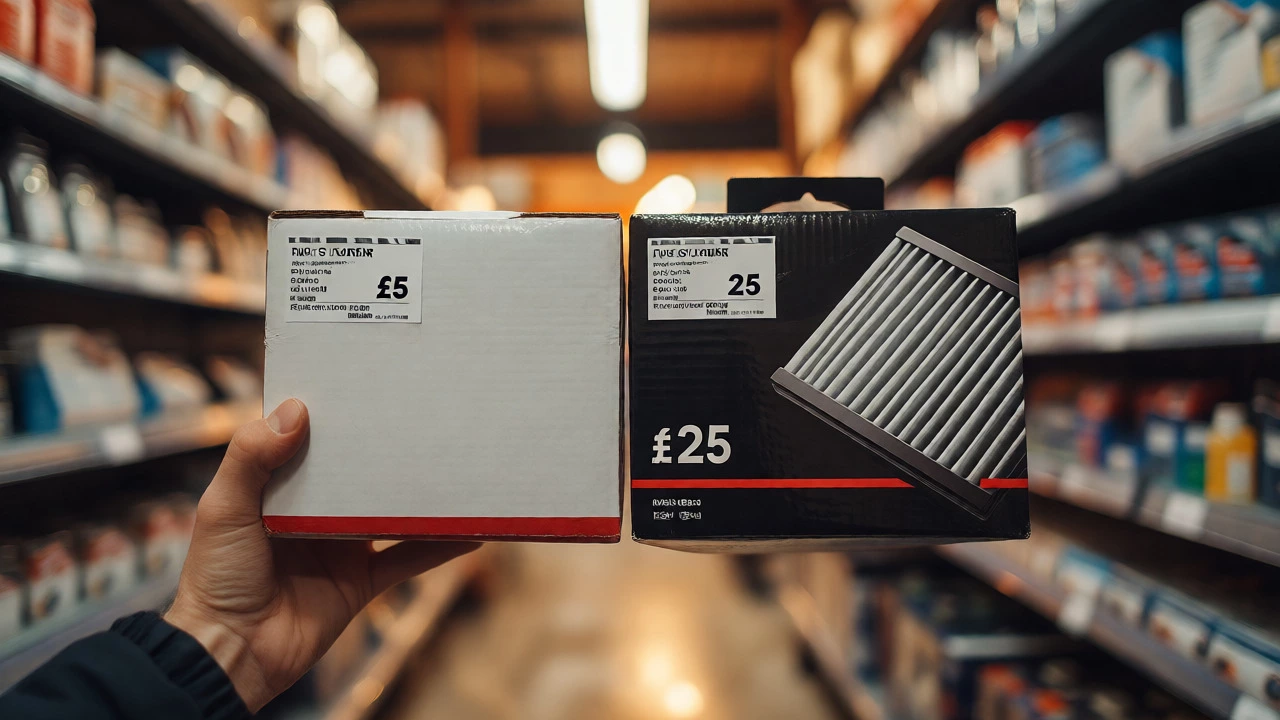
Discover the real differences between cheap and expensive air filters. Learn why sealing quality matters, when to invest in premium brands, and how to choose the right filter for your car.
 Oct, 1 2026
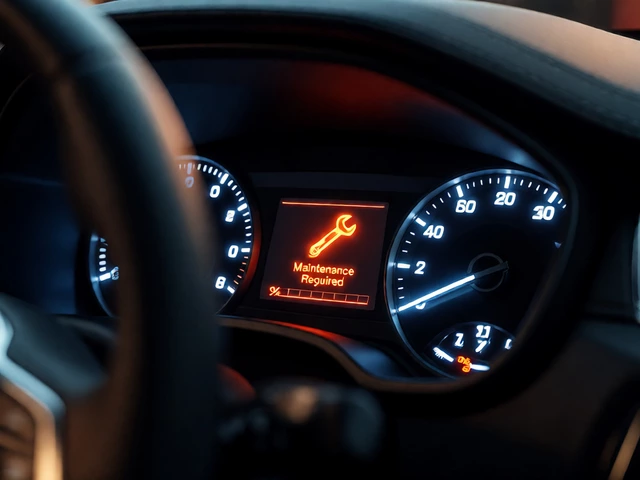
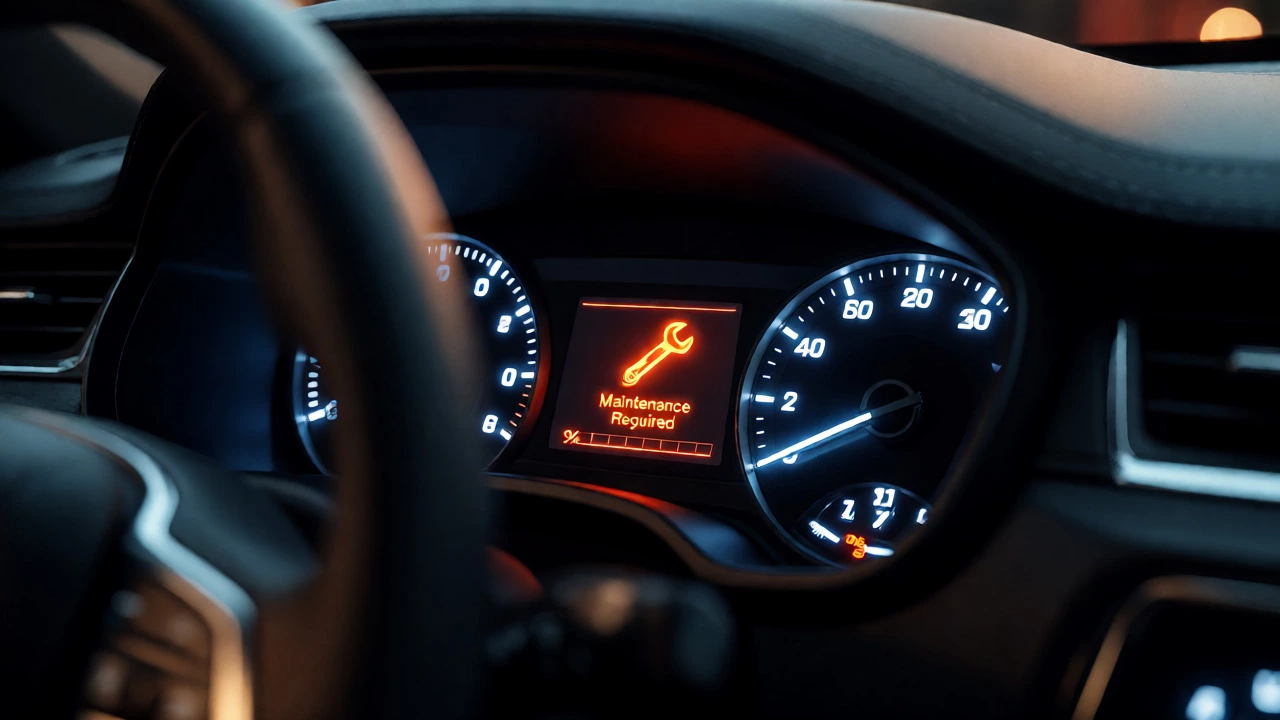
Learn the key signs your car needs an oil change, from dashboard lights to dipstick checks. Discover how to interpret oil color, sounds, and smell to prevent engine damage.
 Sep, 14 2026
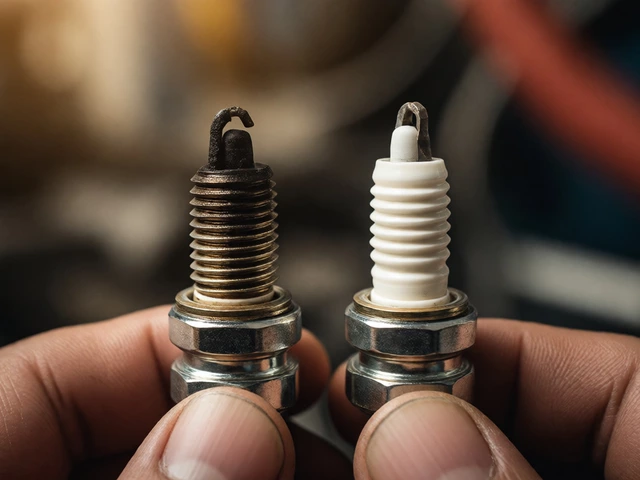
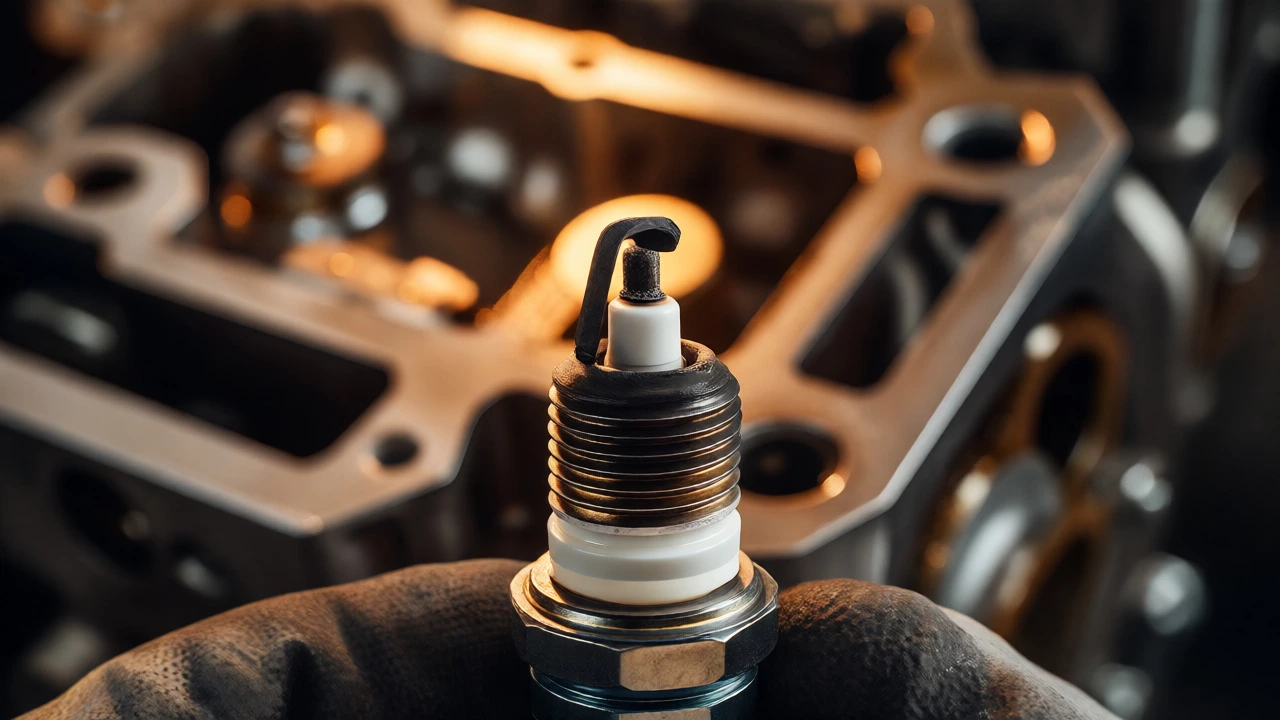
Discover when changing spark plugs boosts performance and when it's a waste of money. Learn signs of wear, risks of DIY errors, and how to choose the right type for your UK car.
 Jul, 9 2026
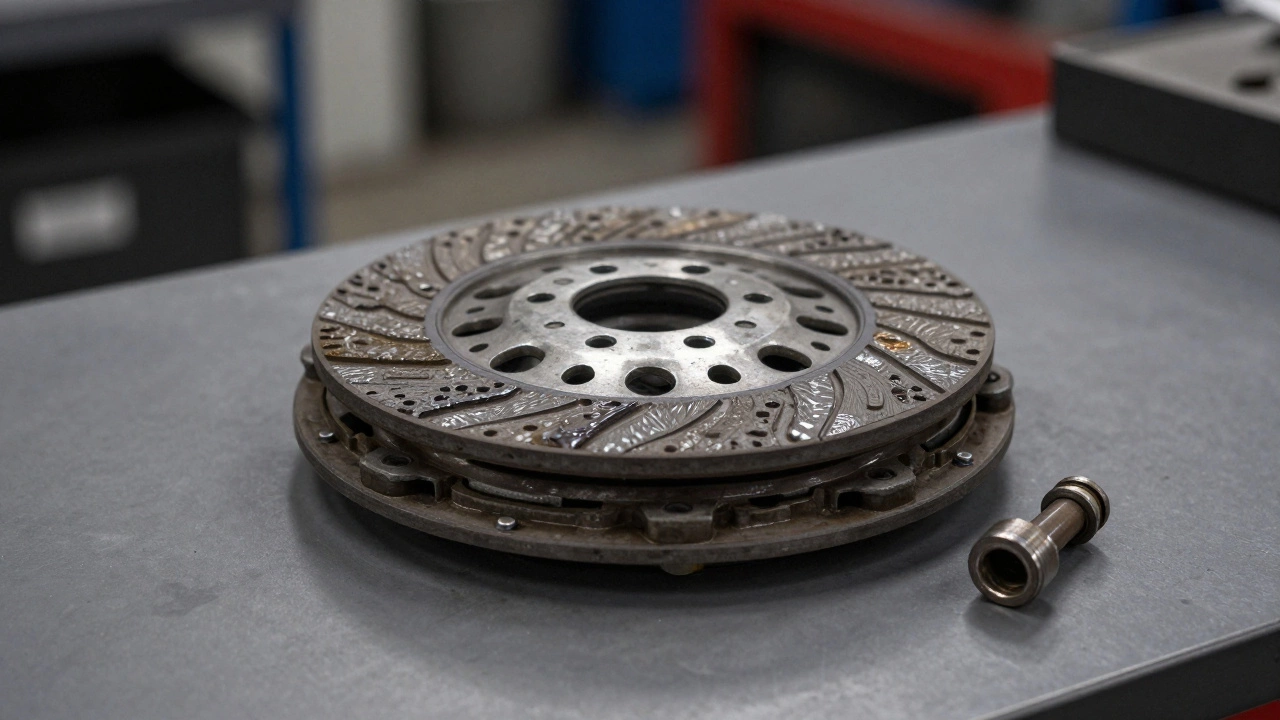
Is replacing a clutch a big job? Yes, it's labor-intensive. We break down the difficulty, costs in 2026, DIY risks, and key signs your clutch needs replacement.
 Jun, 11 2026
Discover why clutch kicking destroys your clutch kit. Learn about thermal shock, component wear, and how to extend your clutch's life with proper driving techniques.
 Jun, 7 2026
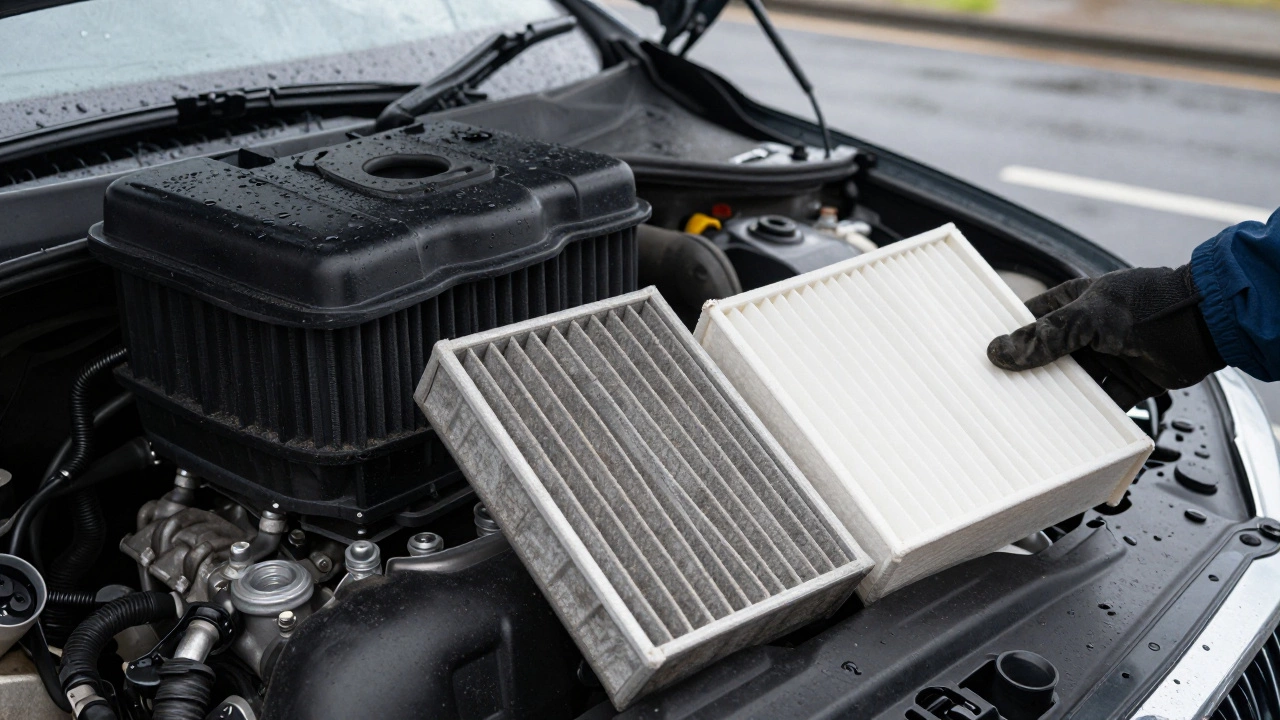
Discover exactly how often to change your car's engine and cabin air filters. Learn the signs of a clogged filter, the cost of neglect, and easy DIY tips for UK drivers.
 Jun, 1 2026
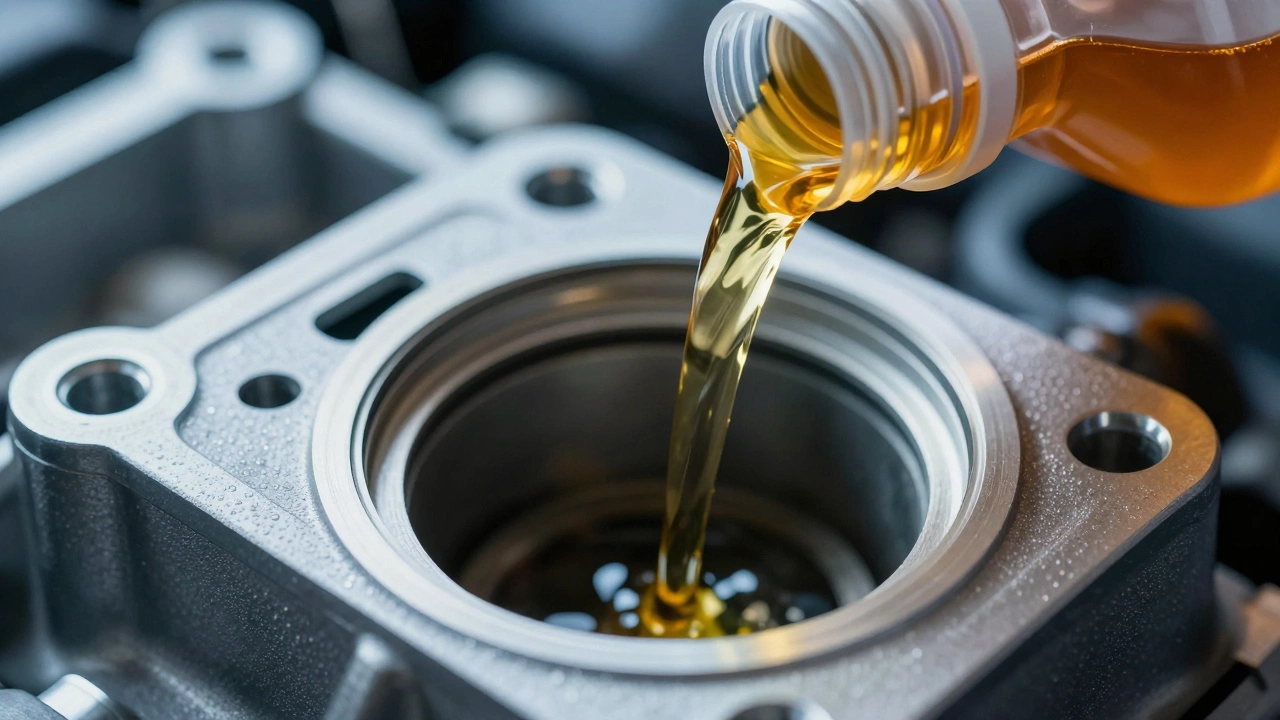
Choosing the right engine oil is critical for your car's longevity. We explain viscosity grades, synthetic vs. mineral differences, and industry standards to help you avoid costly engine damage.
 May, 17 2026
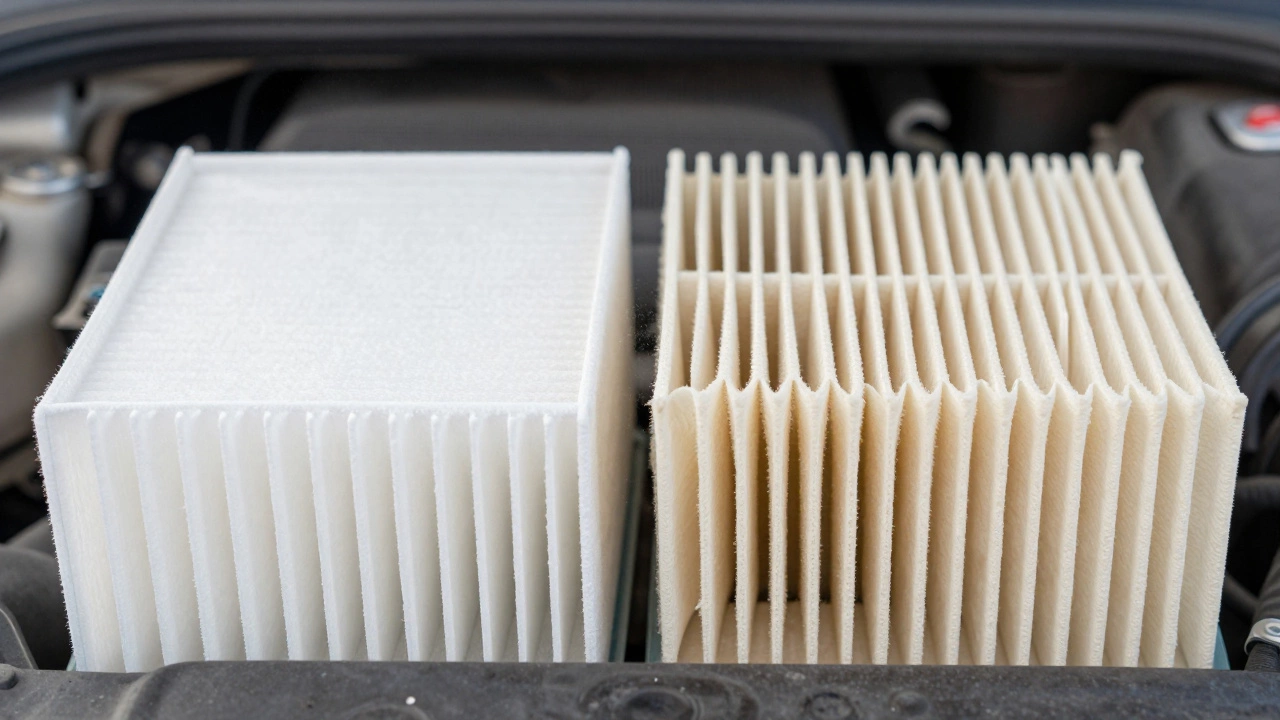
Discover why pleated air filters outperform flat ones in filtration and lifespan. Learn how surface area affects engine health and fuel economy.
 May, 7 2026
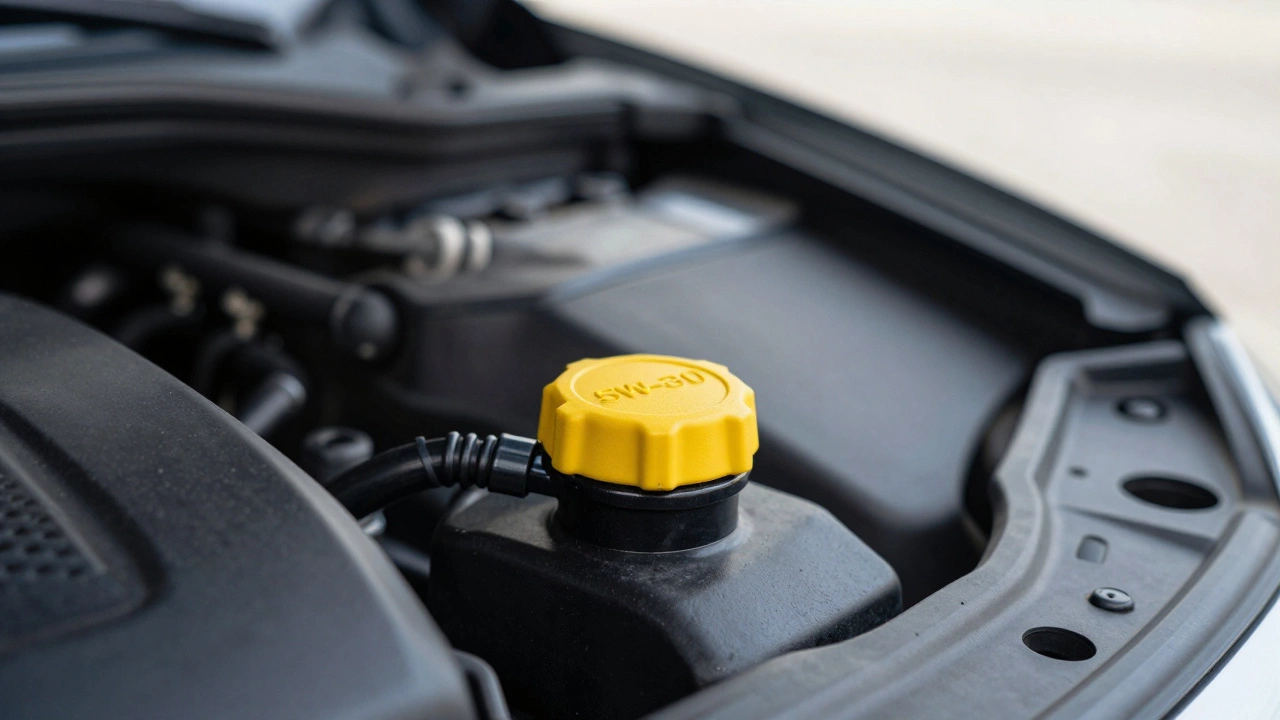
Learn how to identify the correct engine oil for your car by decoding viscosity grades, understanding API/ACEA certifications, and choosing between synthetic and conventional options. A simple guide to proper lubrication.
 Apr, 27 2026
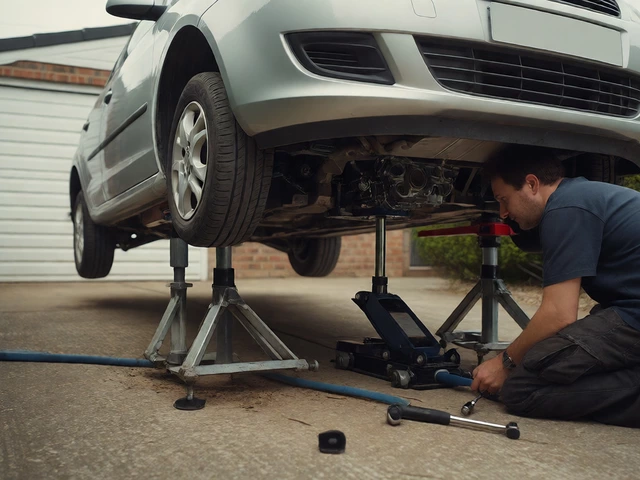
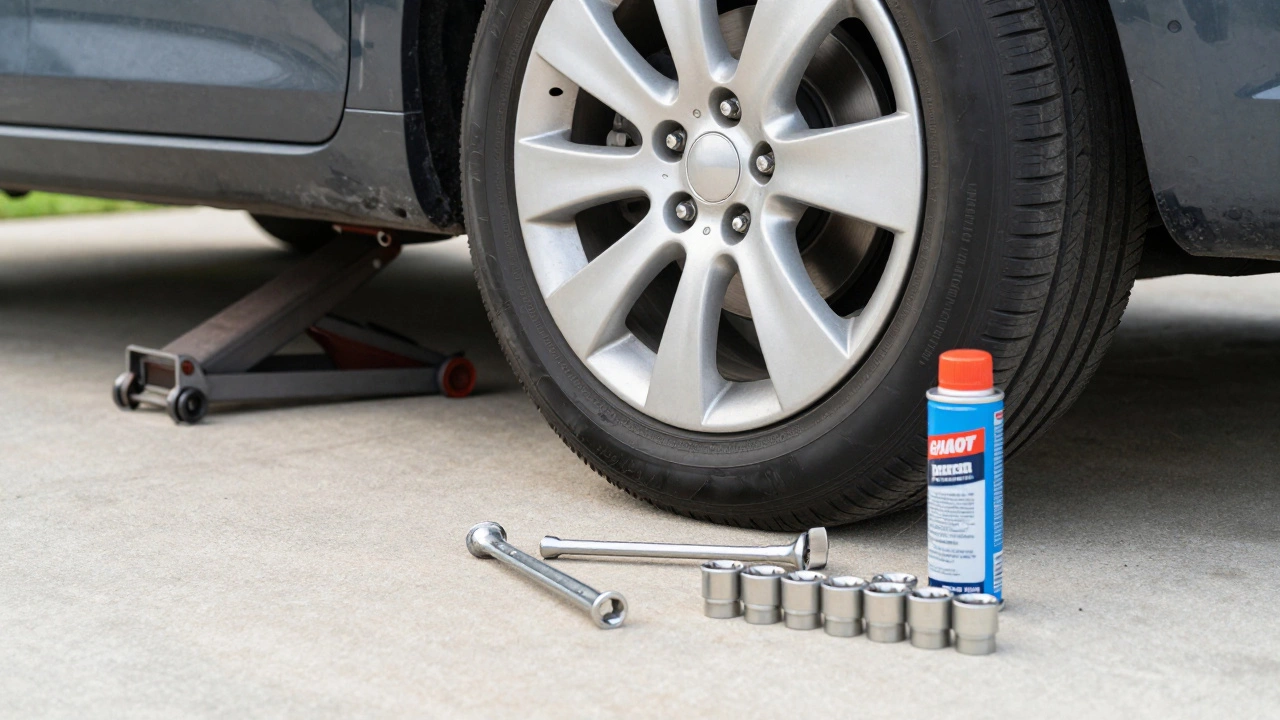
Learn if you can replace your brake pads yourself with this DIY guide. We cover tools, step-by-step installation, and critical safety tips to save you money.
 Mar, 1 2026
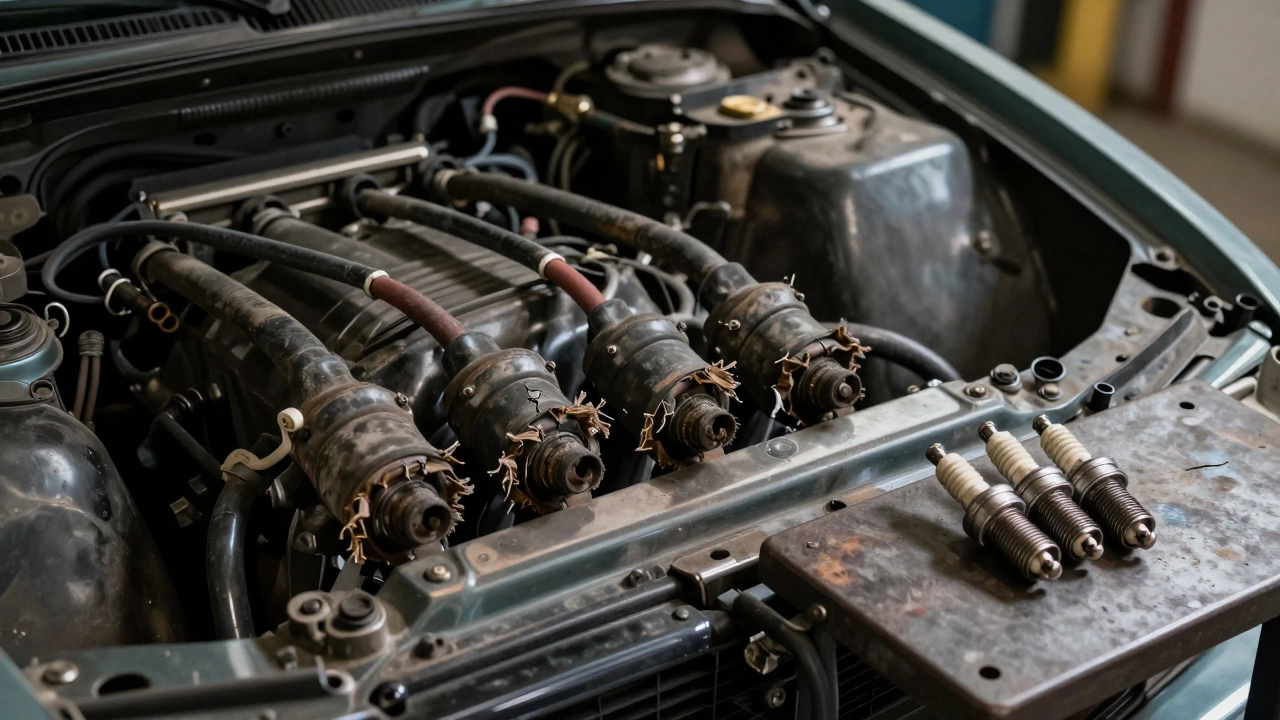
Replacing spark plugs without changing the wires might seem like a cost-saving move, but it often leads to poor performance and bigger repairs. Here's what really happens-and why doing both is the smart choice.
 Feb, 26 2026
Windshield wipers typically last 6 to 12 months, but harsh weather and UV exposure can shorten their life. Learn the signs of wear, how to choose better blades, and why replacing them on time keeps you safe on UK roads.