Windscreen Wipers vs Windshield Wipers: US Terminology Explained
Discover why Americans say 'windshield wipers' instead of 'windscreen wipers.' Learn the historical reasons, key vocabulary differences, and tips for buying parts in the US.
When your car needs tyres, the rubber contact points between your vehicle and the road that affect handling, safety, and fuel efficiency. Also known as tires, they wear down over time and need regular checks to avoid dangerous failures. But tyres aren’t the only thing that keeps your car running right. Your brake pads, the friction material that stops your car by pressing against the rotors wear out too, and ignoring them can mean costly rotor damage. Then there’s the exhaust system, the network of pipes that carries fumes away from the engine and reduces noise—a cracked or rusted exhaust doesn’t just get loud, it can leak dangerous gases into your cabin. And let’s not forget engine oil, the lifeblood of your engine that lubricates moving parts and prevents overheating. Skipping oil changes or using the wrong type quietly eats away at your engine’s lifespan.
At Stevenage Tyres & Car Services, we see these issues every day. We fix slipping clutches, replace failing fuel pumps, diagnose bad shocks, and replace worn radiators—all with clear advice and no upselling. Whether you’re due for a tyre swap, need new brake pads, or just want to know if your oil’s still good, we give you straight answers. No jargon. No guesswork.
Below, you’ll find real, practical guides on exactly what to watch for, when to act, and how to save money without risking safety. These aren’t theory pieces—they’re the things our customers ask about every week.
 Oct, 26 2026
Discover why Americans say 'windshield wipers' instead of 'windscreen wipers.' Learn the historical reasons, key vocabulary differences, and tips for buying parts in the US.
 Oct, 25 2026
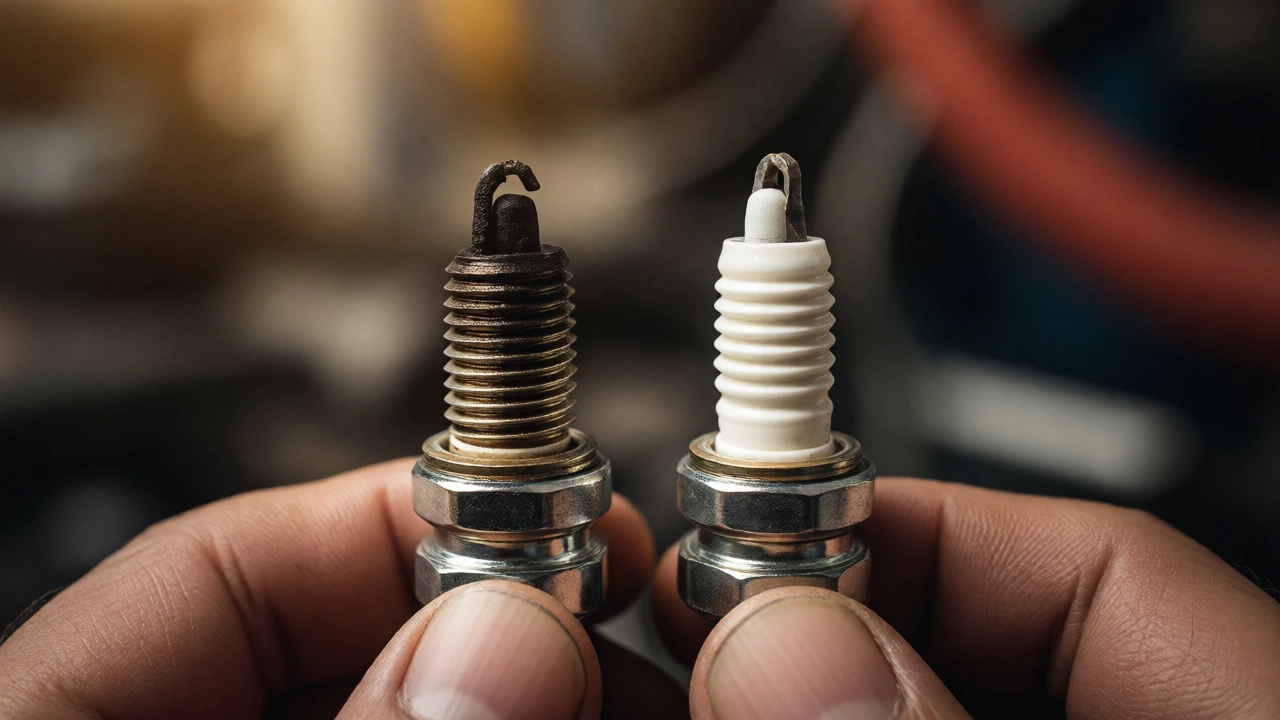
Deciding whether to clean or replace spark plugs depends on wear, material, and fouling type. Learn when cleaning saves money and when replacement is essential for engine health.
 Oct, 22 2026
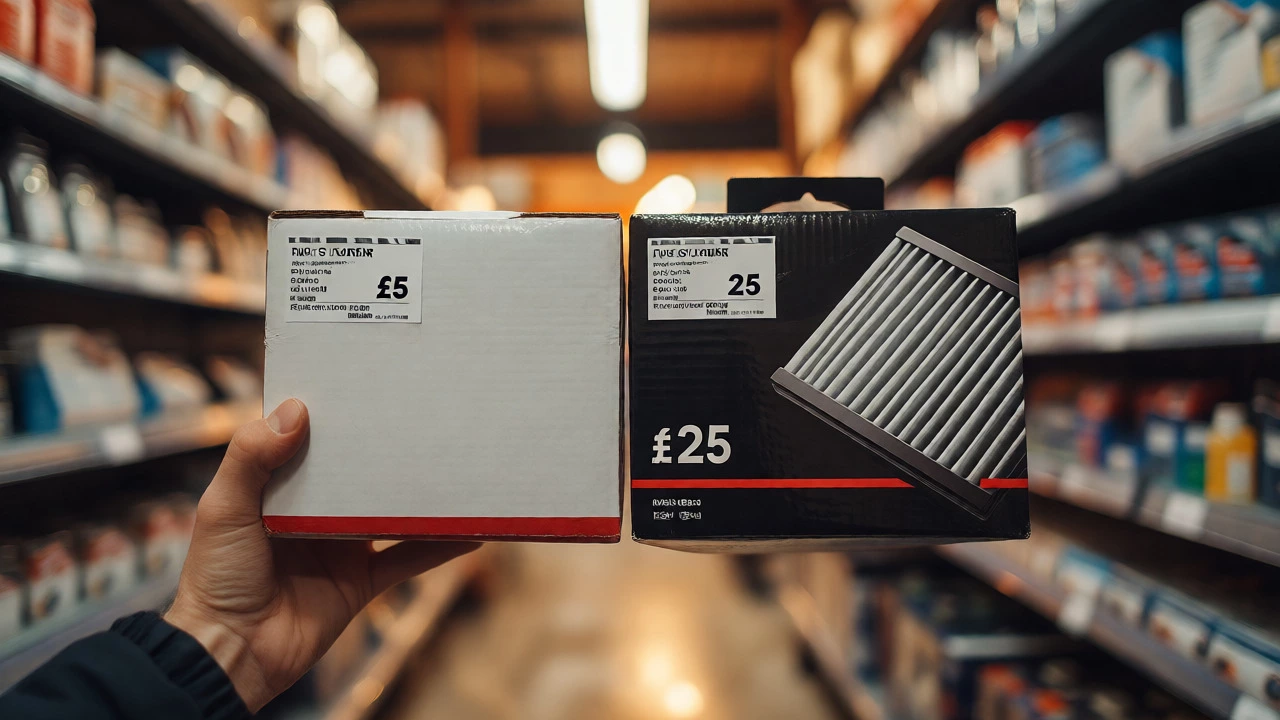
Discover the real differences between cheap and expensive air filters. Learn why sealing quality matters, when to invest in premium brands, and how to choose the right filter for your car.
 Oct, 19 2026
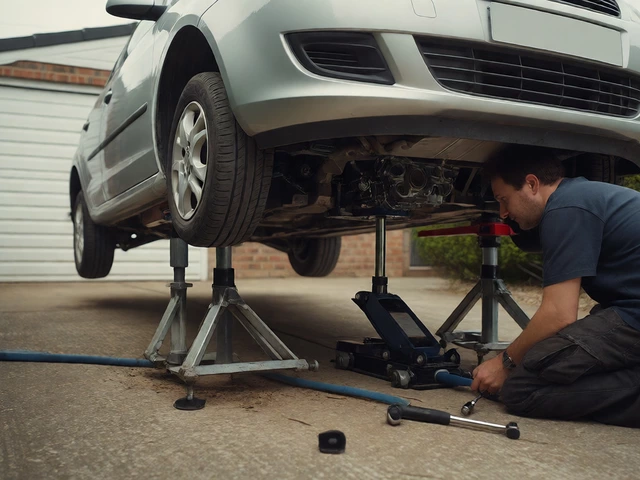
Thinking of saving money on car repairs? Learn if you can change your car radiator yourself. We cover tools, steps, costs, and common mistakes.
 Oct, 18 2026
Discover the key signs of bad rotors, including vibration, noise, and visual cues. Learn when to replace versus resurface to keep your brakes safe.
 Oct, 15 2026
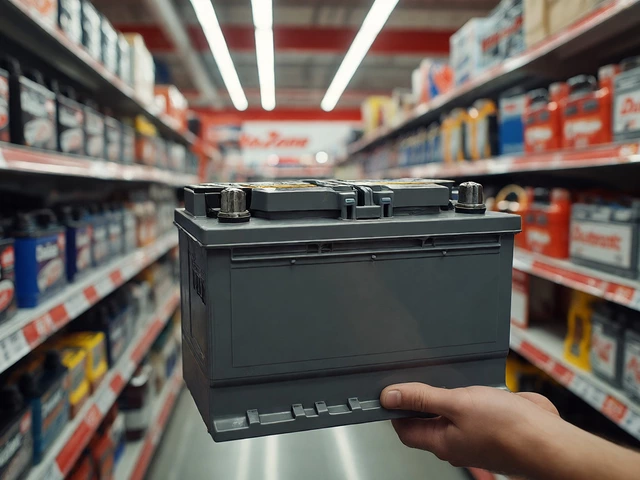
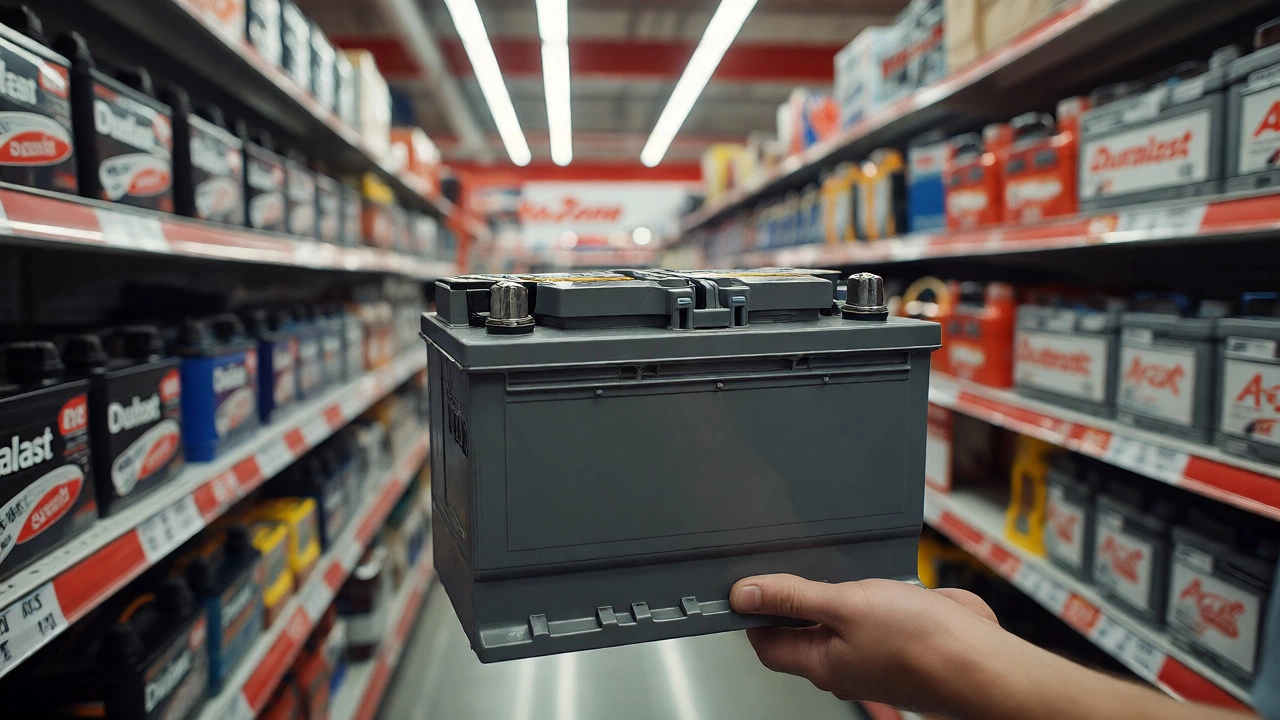
Find out if AutoZone replaces car batteries. Learn about their free testing services, DIY installation tips, and alternatives that offer free labor.
 Oct, 12 2026
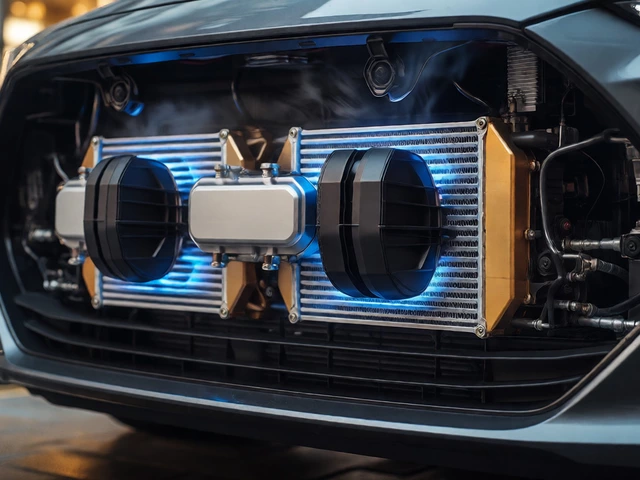
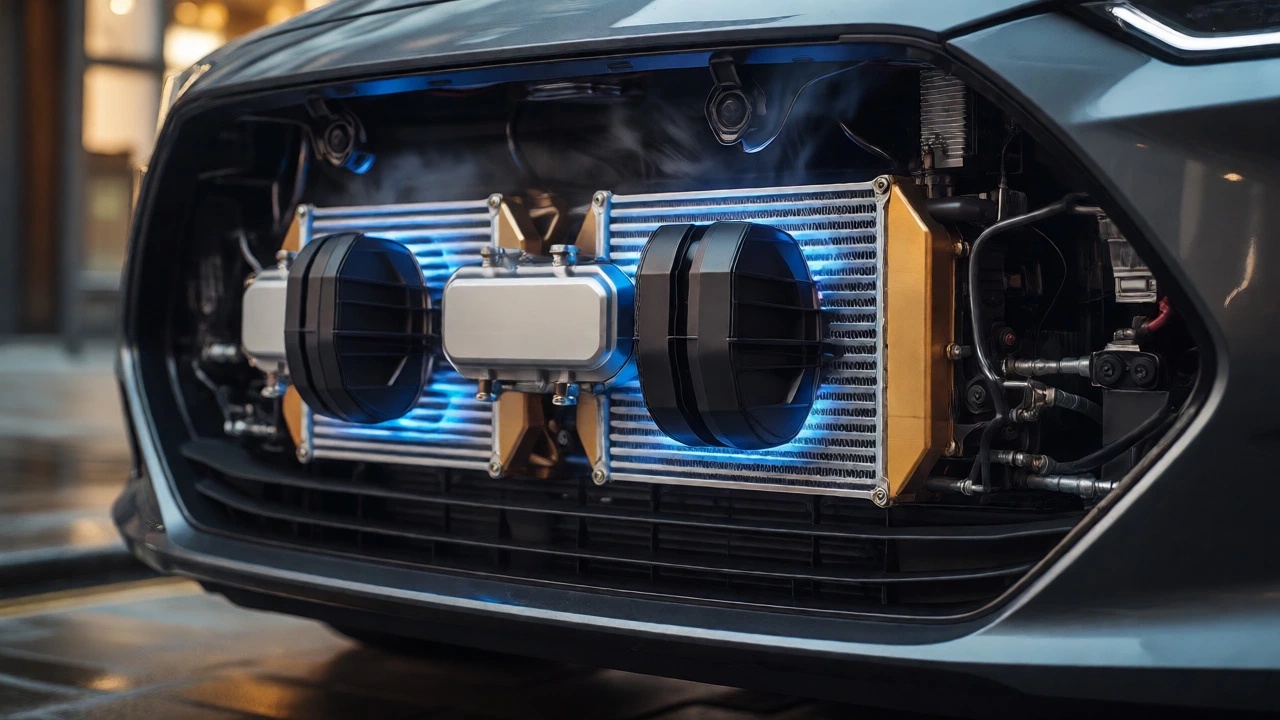
Do cars still have radiators? Discover why this vital component remains essential in modern vehicles, including EVs and hybrids. Learn signs of failure and maintenance tips.
 Oct, 11 2026
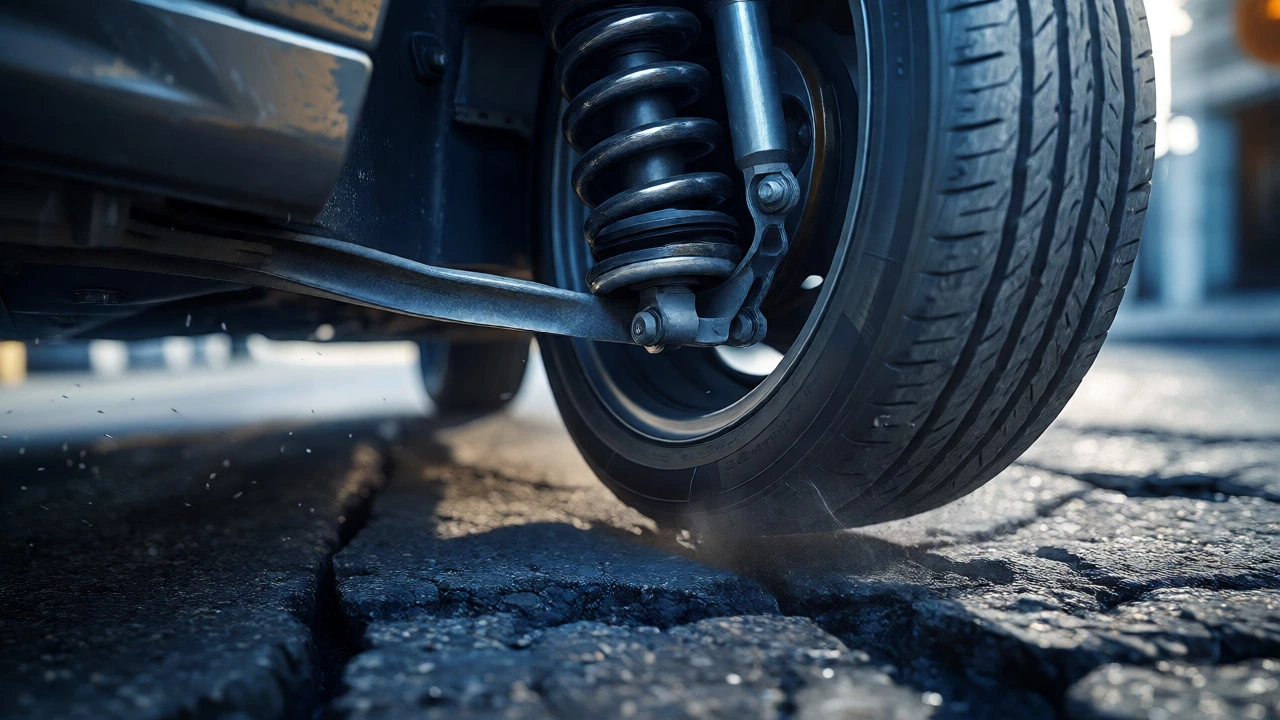
Stiff suspension springs can ruin your ride quality and safety. Learn the signs of overly stiff springs, from wheel hop to premature wear, and discover how to fix your setup.
 Oct, 8 2026
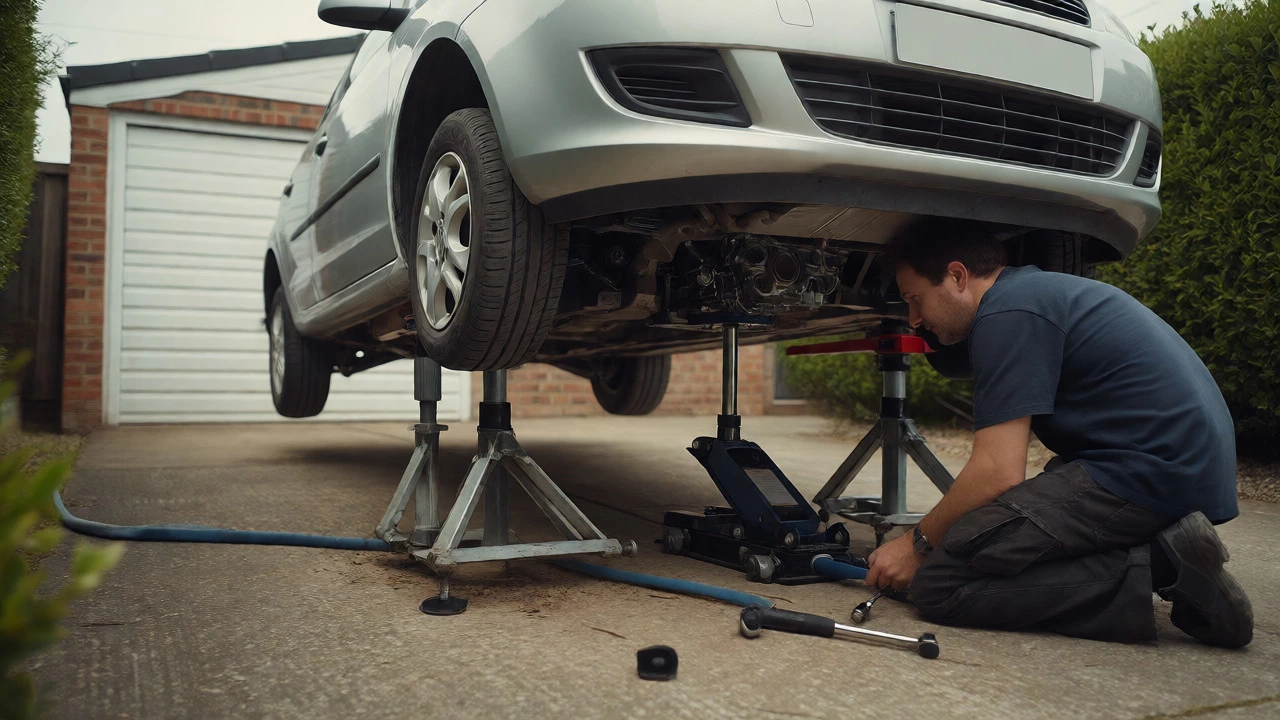
Thinking about replacing your clutch yourself? Discover the real costs, tools needed, and risks involved in this comprehensive DIY guide for UK drivers.
 Oct, 5 2026
Is your car hesitating or drinking more fuel? Learn how to spot worn spark plugs through symptoms like rough idling and visual inspection. Discover when to replace them to avoid costly engine damage.
 Oct, 4 2026
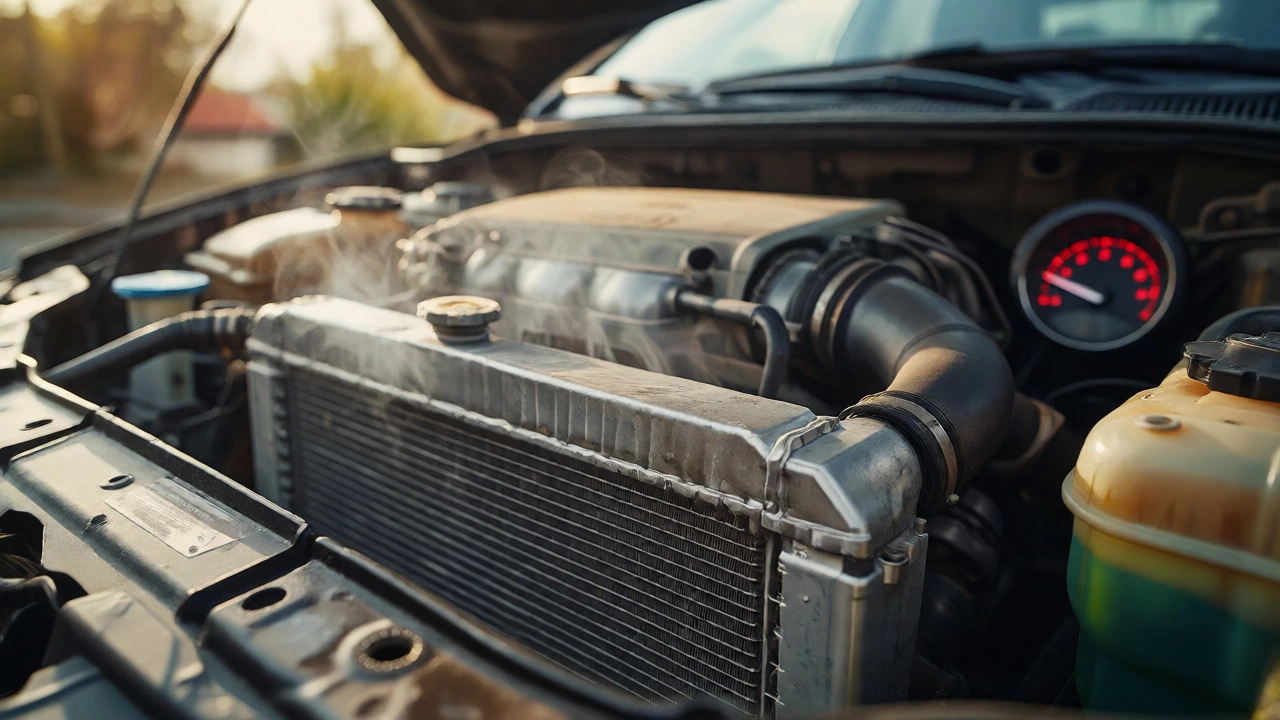
Thinking of swapping your car radiator yourself? Discover the essential tools, step-by-step instructions, and critical safety tips to save money and avoid costly mistakes.
 Oct, 1 2026
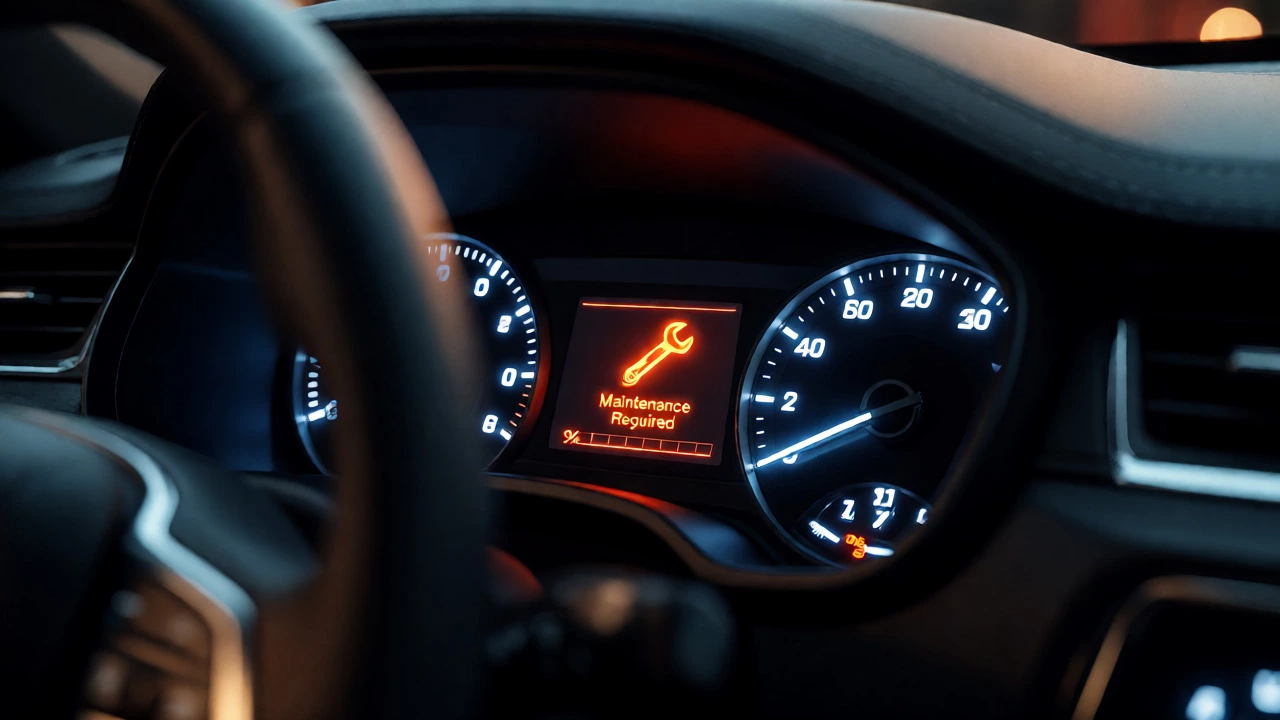
Learn the key signs your car needs an oil change, from dashboard lights to dipstick checks. Discover how to interpret oil color, sounds, and smell to prevent engine damage.