Engine Oil Compatibility & Change Interval Calculator
Viscosity Checker
Enter your vehicle's required oil grade and local winter temperature to check cold-start safety.
Oil Change Interval Estimator
Calculate your personalized oil change schedule based on driving habits.
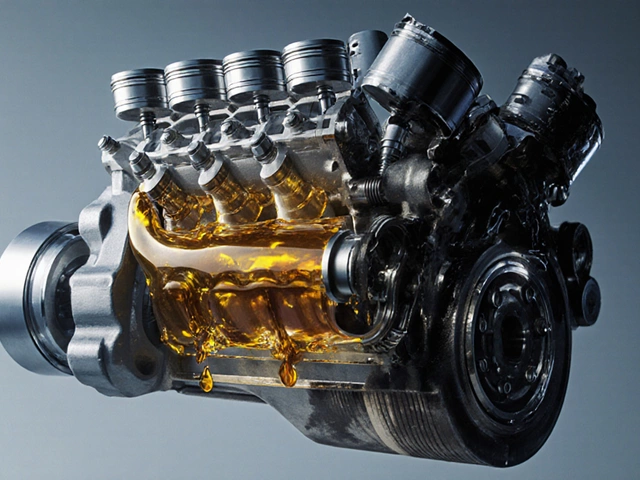
You might think all engine oil is just black goo that keeps your car running. After all, it’s the same color when you drain it, right? But putting the wrong oil in your engine is like pouring tap water into a high-end espresso machine. It might work for a minute, but eventually, things break down.
The short answer is: yes, it matters immensely. Using the incorrect grade or type of oil can lead to premature engine wear, reduced fuel efficiency, and in severe cases, catastrophic engine failure. With modern engines operating at higher temperatures and tighter tolerances than ever before, the lubricant you choose is not just a consumable-it’s a critical component of your vehicle's health.
What happens if I use the wrong engine oil?
Using the wrong oil can cause increased friction, overheating, and sludge buildup. If the oil is too thin, it may not protect metal surfaces under load. If it is too thick, it won't flow properly during cold starts, leading to immediate wear. Over time, this results in expensive repairs or total engine replacement.
Decoding the Numbers: Viscosity Matters
When you look at an oil bottle, you see codes like 5W-30 or 0W-20. These aren’t random numbers; they are specifications defined by the Society of Automotive Engineers (SAE). Understanding these numbers is the first step in choosing the right oil.
The "W" stands for Winter. The number before the W indicates how well the oil flows in cold temperatures. A lower number means better cold-flow properties. For example, 0W oil remains fluid at -35°C, while 5W is good down to -30°C. This is crucial for those early morning starts in Manchester winters. If the oil is too thick when cold, it takes longer to reach critical engine parts, causing dry friction during the most damaging moments of operation.
The number after the W (like 30 or 20) tells you the oil’s thickness at operating temperature (100°C). Higher numbers mean thicker oil. Modern engines often require thinner oils like 0W-20 or 5W-20 to reduce internal drag and improve fuel economy. Older engines with larger clearances between moving parts might need 5W-30 or 10W-40 to maintain proper pressure and protection.
| Viscosity Grade | Cold Flow Rating | Hot Thickness | Typical Use Case |
|---|---|---|---|
| 0W-20 | Excellent (-35°C) | Very Thin | Modern Japanese/European cars, hybrids |
| 5W-30 | Good (-30°C) | Medium | Most general passenger vehicles |
| 10W-40 | Fair (-25°C) | Thick | Older European diesels, high-mileage engines |
| 15W-50 | Poor (-20°C) | Very Thick | Heavy-duty trucks, hot climates, racing |
If you put 10W-40 in a car designed for 0W-20, you’re forcing the engine to work harder against viscous resistance. This increases fuel consumption and puts extra strain on the oil pump. Conversely, using 0W-20 in an older engine that needs 10W-40 might result in low oil pressure and inadequate film strength, leading to metal-on-metal contact.
Synthetic vs. Mineral: The Chemistry Difference
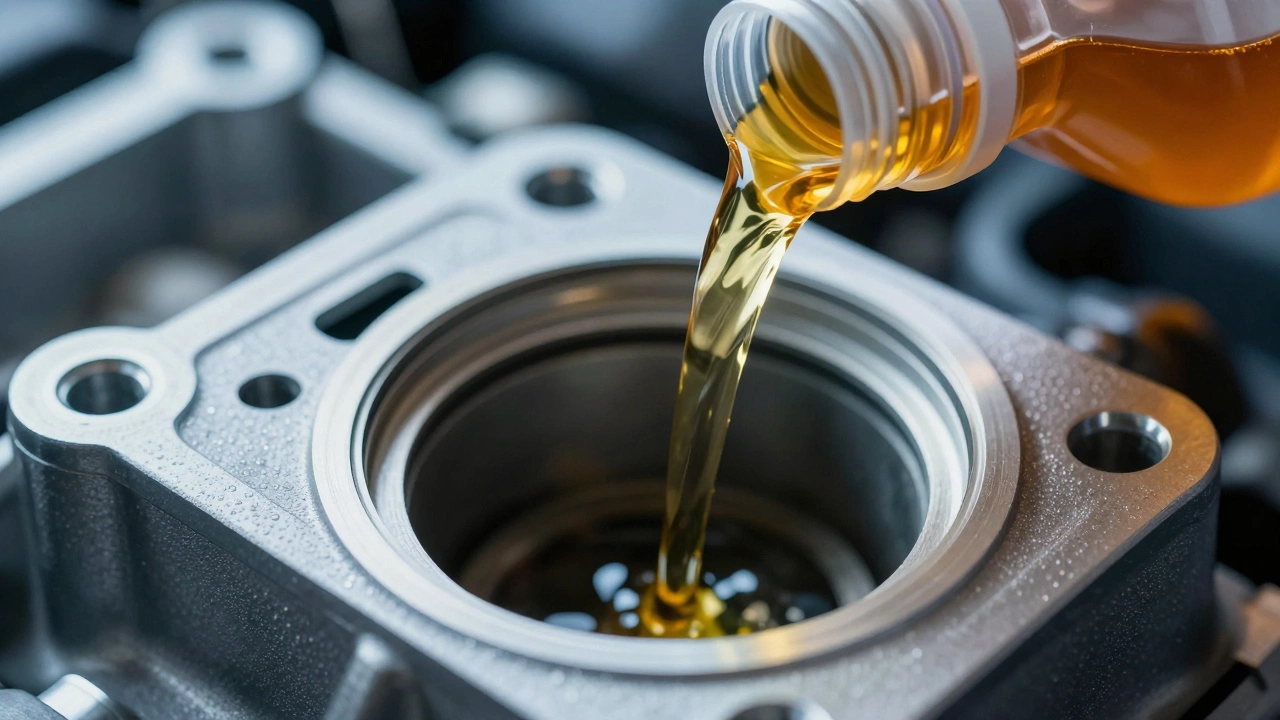
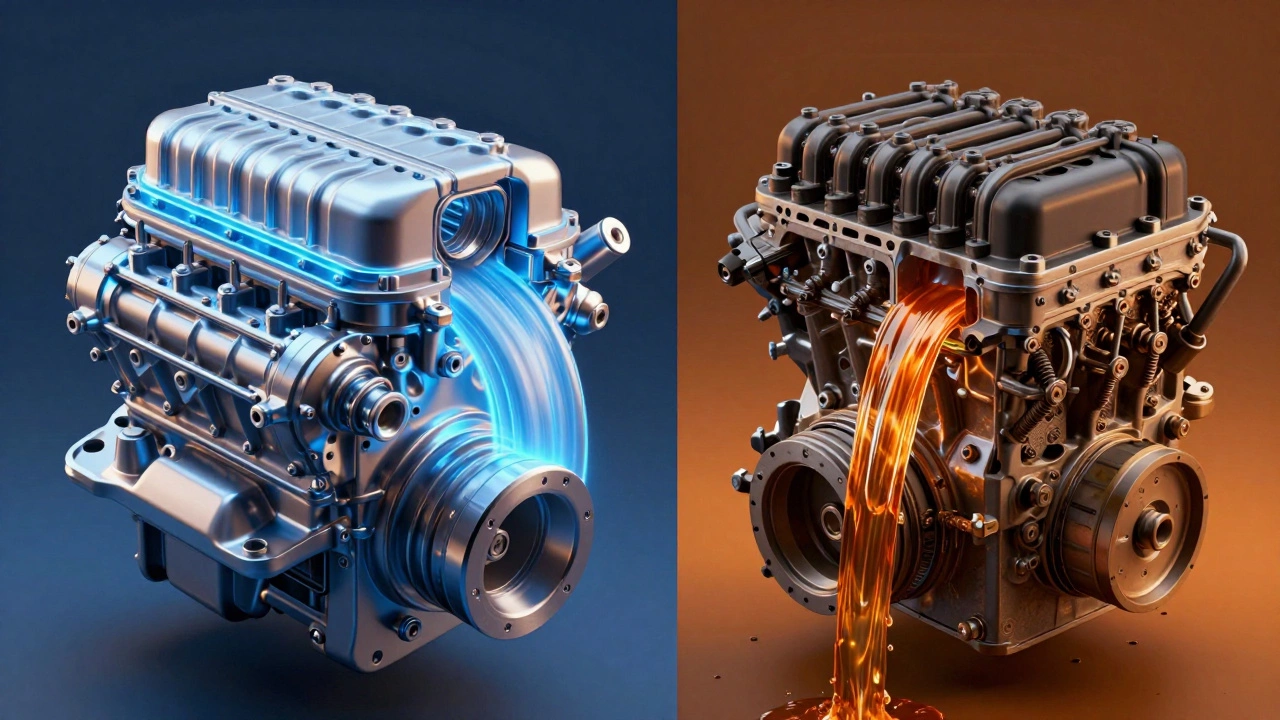
Another major decision is whether to use conventional mineral oil or synthetic oil. This isn’t just marketing hype; there is a fundamental chemical difference.
Mineral oil is derived directly from crude oil. It contains natural impurities and inconsistent molecular structures. While it works fine for older, less demanding engines, it breaks down faster under heat and stress. You’ll notice it turning dark and losing its protective qualities more quickly.
Synthetic oil, on the other hand, is engineered in a lab. Chemists remove impurities and create uniform molecules that provide superior protection. Synthetic oils handle extreme temperatures better, resist oxidation, and keep engines cleaner for longer periods. They also flow more easily in cold weather.
In 2026, most new cars come filled with full synthetic oil from the factory. Manufacturers specify this because modern engines have tight tolerances and operate at higher thermal loads. Switching to cheap mineral oil in a modern turbocharged engine is a risky move. The oil may shear down (break apart) under the high RPMs and heat generated by turbos, leaving your engine vulnerable.
However, if you drive a classic car from the 90s or early 2000s without a turbo, mineral oil might be perfectly adequate and cost-effective. Always check your owner’s manual. If it says "synthetic recommended," listen to it.
Understanding API and ACEA Standards
Beyond viscosity and base type, you need to look at performance standards. These are set by organizations like the American Petroleum Institute (API) and the Association des Constructeurs Européens d'Automobiles (ACEA).
The API symbol, often called the "donut," shows the service category. Look for "SN Plus" or "SP" for gasoline engines. SP is the latest standard as of 2020, offering better protection against low-speed pre-ignition (LSPI), a problem common in small turbocharged engines. For diesel engines, look for "CK-4" or newer ratings.
European cars often follow ACEA standards. You might see codes like A3/B4 or C3. These specify requirements for high-performance gasoline and diesel engines, including soot handling and catalyst compatibility. Ignoring these specs can void your warranty and damage emissions systems.
For instance, if your car has a Diesel Particulate Filter (DPF), you must use "Low SAPS" (Sulfated Ash, Phosphorus, Sulfur) oil. High-ash oils will clog the DPF, leading to costly replacements. This is a common pitfall for drivers who buy generic off-the-shelf oil without checking the specification.
High Mileage Oils: Are They Worth It?
If your car has over 75,000 miles (120,000 km) on the clock, you might consider high mileage oil. These formulations include specific additives designed for older engines.
They typically contain seal conditioners that help swell and soften aging rubber gaskets and seals, preventing leaks. They also have extra detergents to clean out sludge that may have built up over years of service. Additionally, they often include anti-wear additives to compensate for increased clearances between piston rings and cylinder walls.
While not strictly necessary if your engine is still running smoothly on standard synthetic oil, high mileage oil provides an extra layer of insurance for aging components. It’s a small price to pay for potentially extending the life of your vehicle.
How Often Should You Change Your Oil?
The old rule of thumb was every 3,000 miles. That’s outdated. Modern oils and engines are far more durable. Most manufacturers now recommend intervals between 7,500 and 10,000 miles (12,000-16,000 km) or once a year, whichever comes first.
However, "severe service" conditions can shorten this interval. Severe service includes:
- Frequent short trips where the engine doesn’t fully warm up
- Extreme temperatures (very hot or very cold)
- Dusty or dirty environments
- Towing heavy loads or carrying significant weight
- Stop-and-go city driving
If you fall into any of these categories, stick to the shorter end of the recommended interval. In Manchester, with our mix of rainy weather and urban congestion, many drivers benefit from changing oil every 6,000-7,500 miles rather than waiting the full year.

Signs You Have the Wrong Oil or Need a Change
Your car can tell you if something is wrong. Watch for these signs:
- Dark, gritty oil: Fresh oil is amber and translucent. Old oil becomes black and opaque. If it feels gritty between your fingers, it’s full of contaminants.
- Engine noise: Ticking, knocking, or whining sounds can indicate low oil pressure or insufficient lubrication.
- Exhaust smoke: Blue smoke means burning oil. Black smoke can indicate rich fuel mixture or oil issues in diesels.
- Check Engine Light: Sometimes triggered by low oil pressure sensors.
- Poor fuel economy: Thicker-than-spec oil increases drag, making your engine work harder.
Final Thoughts: Stick to the Manual
The best oil is the one specified by your vehicle manufacturer. They spent millions engineering your engine and testing various lubricants. Deviating from their recommendations usually offers no benefit and carries significant risk.
Don’t be swayed by flashy marketing claims about "miracle" oils. Focus on the SAE viscosity, the API/ACEA certification, and whether it’s synthetic or mineral as required. When in doubt, consult a trusted mechanic or refer to your owner’s manual. Protecting your engine with the right oil is one of the simplest and most effective ways to ensure your car lasts for years to come.
Can I mix different types of engine oil?
In an emergency, yes, you can top up with a different brand or even a slightly different viscosity if needed to avoid running dry. However, mixing synthetic and conventional oil can dilute the benefits of the synthetic. Ideally, always use the same type and grade specified in your manual. Full changes should revert to the correct single product.
Is synthetic oil safe for older cars?
Generally, yes. Synthetic oil provides better protection and cleanliness. Some myths suggest it causes leaks in old engines, but this is usually due to the oil cleaning away existing sludge that was sealing minor leaks. If your old engine has high mileage, consider a high-mileage synthetic formula to help condition seals.
What does 'Long Life' oil mean?
Long Life oil refers to extended drain intervals allowed by certain manufacturers, often up to 20,000 miles or two years. These oils meet specific stringent quality standards. However, you must follow your car's specific maintenance schedule. Not all cars support long-life intervals, and severe driving conditions may negate them.
Why is my oil pressure warning light on?
This indicates critically low oil pressure. Pull over immediately and turn off the engine. Possible causes include low oil level, a faulty oil pump, a clogged oil filter, or a failing sensor. Driving with low oil pressure can destroy your engine within minutes due to lack of lubrication.
Do electric vehicles need engine oil?
Fully electric vehicles (EVs) do not have internal combustion engines, so they don't need traditional engine oil. However, they do use specialized gear oil for their transmission/reduction gears and coolant for battery thermal management. Hybrid vehicles still require engine oil for their gas-powered component.