Fuel Pump Health Checker
Select the symptoms you are currently experiencing with your vehicle to see the likely cause and severity.
Analysis Result
Quick Guide to Fuel Pump Red Flags
- Engine sputtering or surging during acceleration.
- Hard starts or long cranking times.
- Complete engine stall at stoplights or low speeds.
- A distinct whining or buzzing sound from the rear of the car.
- Loss of power when climbing hills or carrying heavy loads.
The Sputtering Struggle: Engine Hesitation and Surging
One of the most common signs of a failing pump is a lack of consistent fuel pressure. Your engine needs a steady stream of gasoline to maintain a smooth combustion cycle. When the pump starts to fail, it can't maintain the required pressure, leading to what drivers call "sputtering." You might feel the car jerk forward and back, almost like you're driving over a washboard road, even though the pavement is smooth.
This often happens during acceleration. Why? Because when you press the pedal, the engine demands more fuel. A healthy pump handles this jump easily. A dying pump, however, struggles to keep up with the demand, leaving the engine starved for gas. This is technically known as a lean condition, where there is too much air and not enough fuel in the cylinders, which can lead to overheating and potential engine damage if ignored.
The "Hard Start" Mystery
Have you noticed your car taking three or four tries to start lately? If your battery is strong and your starter is spinning quickly, the culprit is likely the fuel pump. To start an engine, the pump must prime the system, pushing fuel through the lines and into the Fuel Injectors. If the pump's internal valves are leaking or the motor is weak, it takes much longer to build up enough pressure to fire the engine.
In some cases, you might find that the car starts fine when cold but struggles to restart after a short trip. This can be due to "vapor lock" or the pump overheating. Since the pump is submerged in gasoline, the fuel actually acts as a coolant. If the pump is wearing out, it generates more friction and heat, which can cause the fuel to bubble or the pump to seize temporarily.
Listening for the Warning Whine
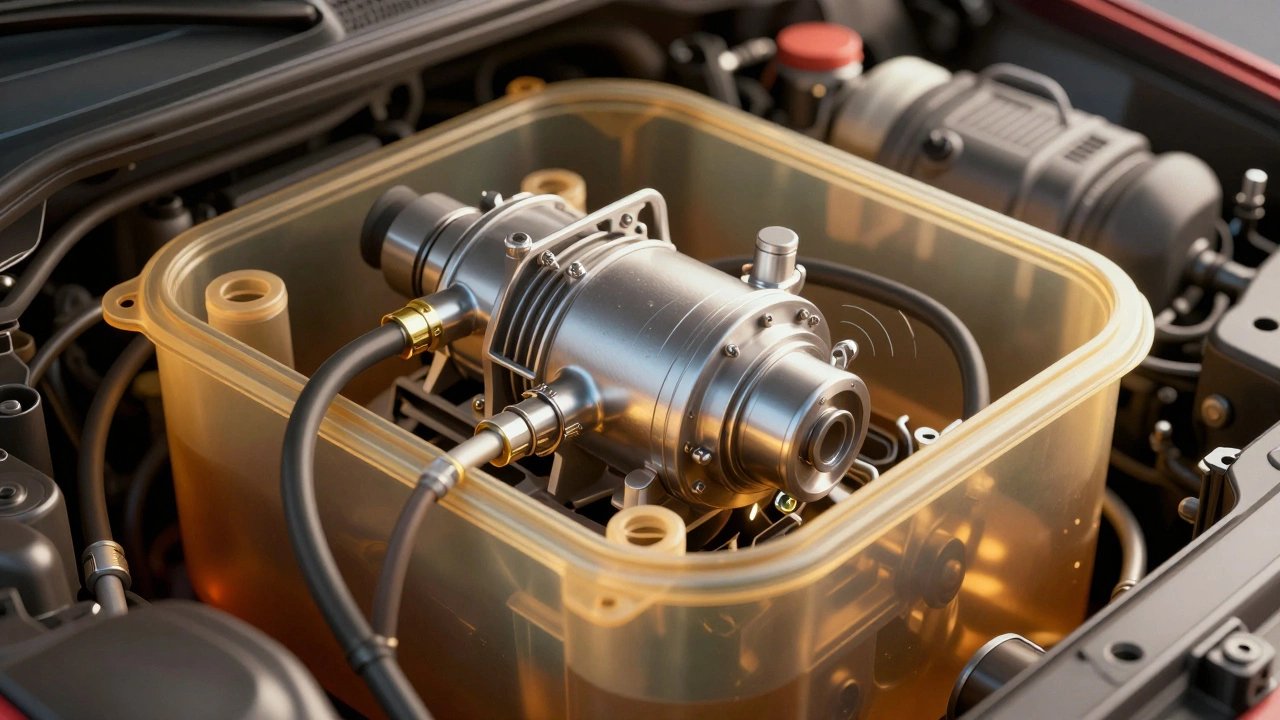
Your ears are one of your best diagnostic tools. Most modern cars use an electric fuel pump located inside the gas tank. While they aren't silent, they shouldn't be loud. If you hear a high-pitched whining, buzzing, or humming sound coming from the rear of the vehicle-especially while the engine is idling-it's a major red flag.
This noise usually comes from the pump's internal bearings wearing down or the motor straining to push fuel through a clogged Fuel Filter. If the filter is blocked, the pump has to work twice as hard to move the liquid, which creates that characteristic "screaming" sound. If you hear this, don't wait; a whining pump is often just a few miles away from a total blackout.
Stalling at Stoplights and Low Speeds
There is nothing more stressful than your engine cutting out while you're waiting for a green light. This often happens because the fuel pump can't maintain the minimum pressure needed to keep the engine idling. At high speeds, the momentum of the car and the higher RPMs can sometimes mask a weak pump, but at a standstill, the system is at its most vulnerable.
If your car stalls frequently when you slow down, it could be a sign that the pump is intermittently failing or that the Fuel Pressure Regulator is malfunctioning. The regulator's job is to keep the pressure constant; if it fails, the pump might over-pressurize the system or let the pressure drop too low, causing the engine to choke out.
The Performance Drop: Loss of Power under Load
Do you notice your car struggling to merge onto the highway or losing steam when driving uphill? This "power loss" is a classic symptom of a pump that can no longer deliver the volume of fuel required for high-load situations. When you're cruising on a flat road, the engine's fuel needs are low. But the moment you hit an incline or add passengers to the car, the demand spikes.
If the pump is worn, it can't provide that extra volume. You'll feel the engine "bog down," and no matter how hard you press the accelerator, the car won't pick up speed. This is often mistaken for a transmission issue, but the key is that it happens specifically when the engine needs the most fuel.
| Symptom | Fuel Pump Failure | Battery/Alternator Issue | Clogged Fuel Filter |
|---|---|---|---|
| Engine Sputtering | Frequent during acceleration | Rarely happens | Similar to pump failure |
| Starting Trouble | Cranks but won't fire | Won't crank at all | Slow start, then runs rough |
| Audible Noise | Whining from gas tank | Squealing from belt | Usually silent |
| Stalling | Happens at idle/low speed | Electrical shut off | Happens at high speeds |
What Actually Kills a Fuel Pump?
Understanding why pumps fail can help you prevent the next one from dying. The biggest enemy of a fuel pump is running on empty. As mentioned, the pump is cooled by the gasoline surrounding it. When your tank is nearly empty, the pump can suck in air or expose its motor to the air, causing it to overheat. If you regularly drive with your fuel light on, you're essentially "dry-firing" your pump, which wears down the internal components rapidly.
Contamination is another huge factor. Dirt, rust, and water can settle at the bottom of the tank. Over time, these particles get sucked into the pump, acting like sandpaper on the internal gears and seals. This is why using high-quality fuel and changing your Fuel Filter according to the manufacturer's schedule is vital. A clogged filter forces the pump to work under extreme pressure, eventually burning out the electric motor.
Testing for Fuel Pump Failure
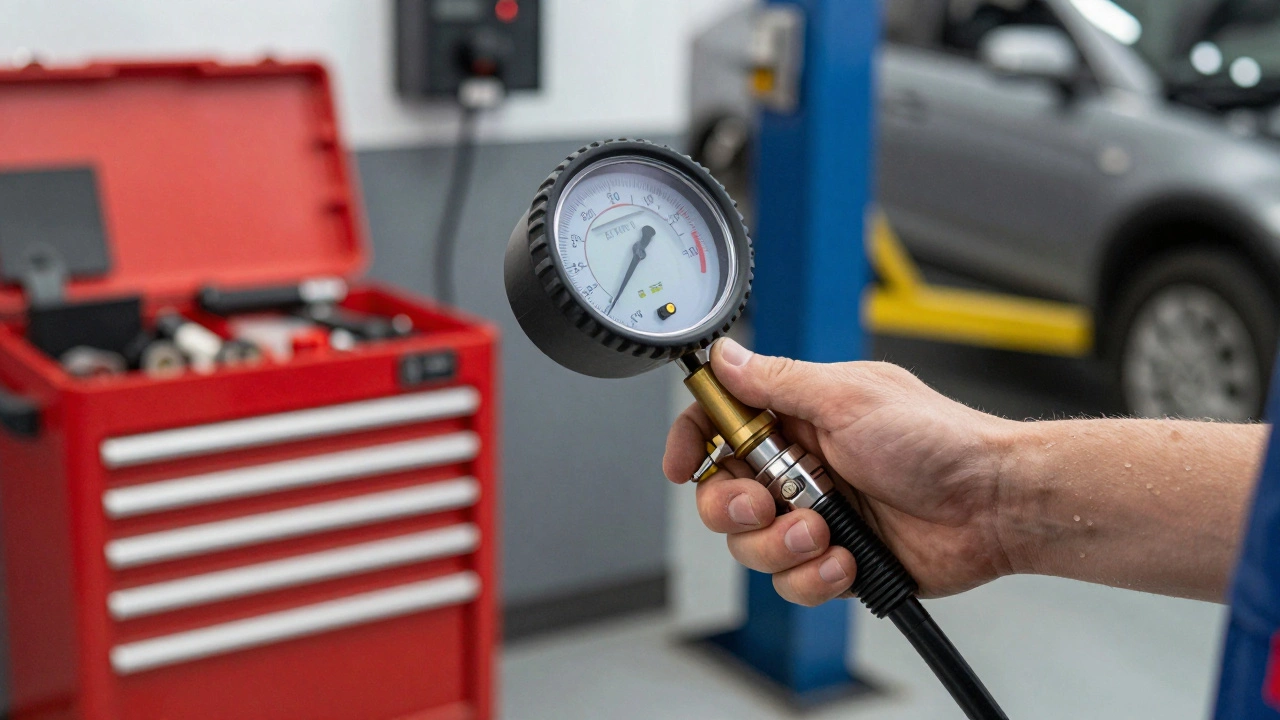
If you suspect your pump is dying, you don't have to guess. A mechanic will typically start by checking the Fuel Rail. They attach a pressure gauge to the rail and turn the key. If the pressure doesn't hit the specified PSI (Pounds per Square Inch) for your specific vehicle, the pump is likely the culprit.
Another simple test is the "listen test." Turning the key to the "On" position (without starting the engine) should trigger a brief 2-3 second hum as the pump primes the system. If you hear absolutely nothing, or if the sound is a grinding noise rather than a hum, the pump is either dead or dying. In some cases, a blown Fuel Pump Relay or a failed fuse can mimic pump failure, so it's always worth checking the electrical box before spending money on a new pump.
Can a bad fuel pump cause a check engine light?
Yes, it often does. While a fuel pump doesn't always have its own sensor, the car's computer detects that the engine is running "lean" (too much air, not enough fuel). This will trigger a code like P0171 or P0174, which indicates a fuel system lean condition, alerting you that the engine isn't getting the gas it needs.
Is it possible to fix a fuel pump without replacing it?
Generally, no. Most modern fuel pumps are sealed units. If the internal motor has burnt out or the seals have failed, the entire assembly must be replaced. However, if the issue is actually a clogged fuel filter or a faulty relay, replacing those cheaper parts may solve the problem without needing a new pump.
How long does it take for a fuel pump to fail completely after symptoms appear?
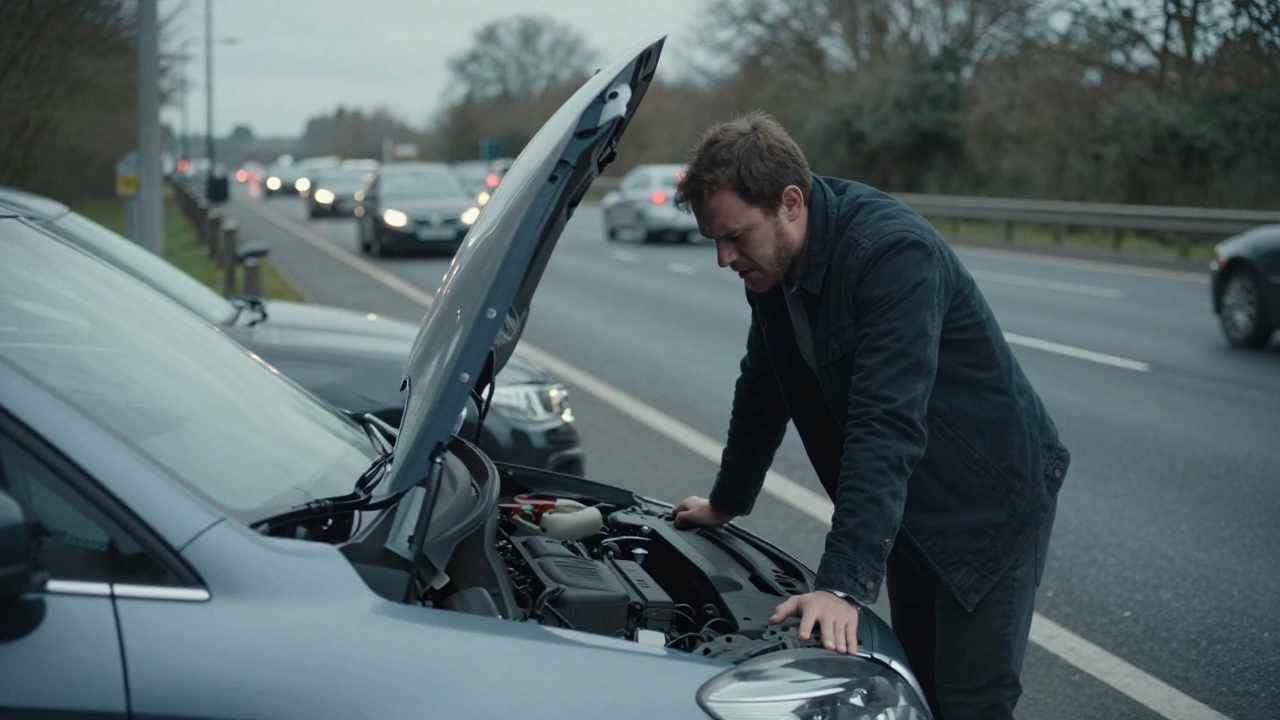
It varies. Some pumps will sputter and whine for months, while others fail completely within a few days. Once you notice a loss of power or frequent stalling, you are in the "danger zone." The pump could seize entirely at any moment, leaving you stranded in traffic.
Does the type of fuel affect fuel pump life?
Yes. Low-quality fuel containing high amounts of impurities or water can erode the pump's internals. Additionally, some older fuel pumps were not designed for the ethanol content in modern gasoline, which can be more corrosive to certain rubber seals and gaskets over many years.
Will a new fuel pump improve my gas mileage?
If your old pump was failing and causing the engine to run inefficiently or struggle, you might notice a slight improvement in smoothness and response. However, a new pump simply restores the car to its factory specifications; it won't make the car more fuel-efficient than it was originally designed to be.
What to Do Next
If you're experiencing these symptoms, your first move should be to check your fuel level. If you've been running on fumes, fill up and see if the performance improves-though the damage may already be done. Next, check your owner's manual to see if your Fuel Filter is due for a change. Replacing a $20 filter is much better than replacing a $300 pump.
If the symptoms persist, get a fuel pressure test. This is the only way to be 100% sure the pump is the problem. If you're shopping for a replacement, always opt for high-quality or OEM (Original Equipment Manufacturer) parts. Cheap, off-brand pumps often fail within six months and may not provide the exact pressure your engine requires, leading to the same sputtering problems all over again.