Fuel Filter Health Diagnostic Tool
Select Symptoms
Click on the symptoms above that your vehicle is currently experiencing to calculate risk.
The Silent Killer of Your Engine
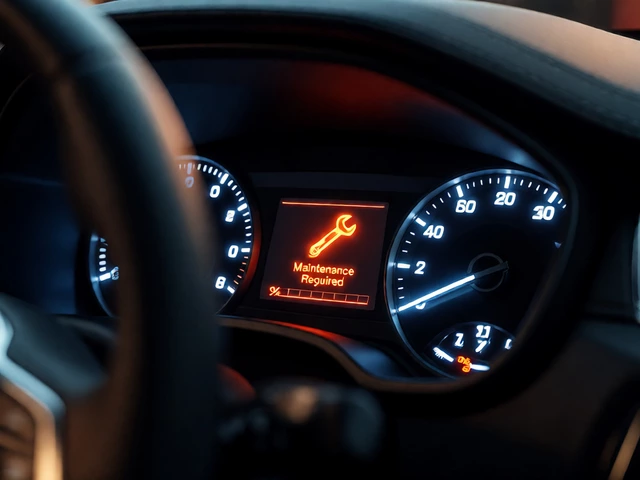
You’re driving along, maybe merging onto the highway or just trying to accelerate from a stoplight. Suddenly, your car feels like it’s being held back by an invisible hand. It doesn’t want to go faster. You press the pedal, but the response is sluggish. Most drivers assume this is just normal wear and tear or perhaps a dirty throttle body. But often, the culprit is much simpler-and cheaper to fix-than you think: a clogged fuel filter that is starving your engine of the gasoline it needs.
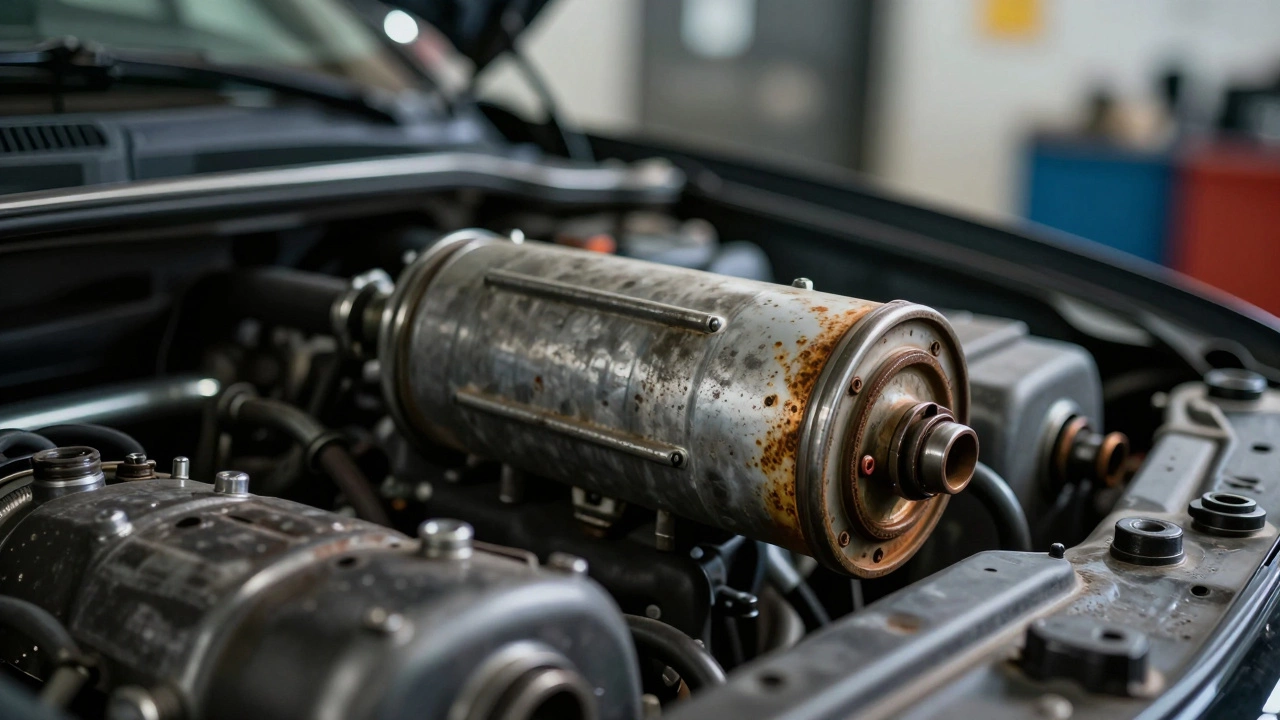
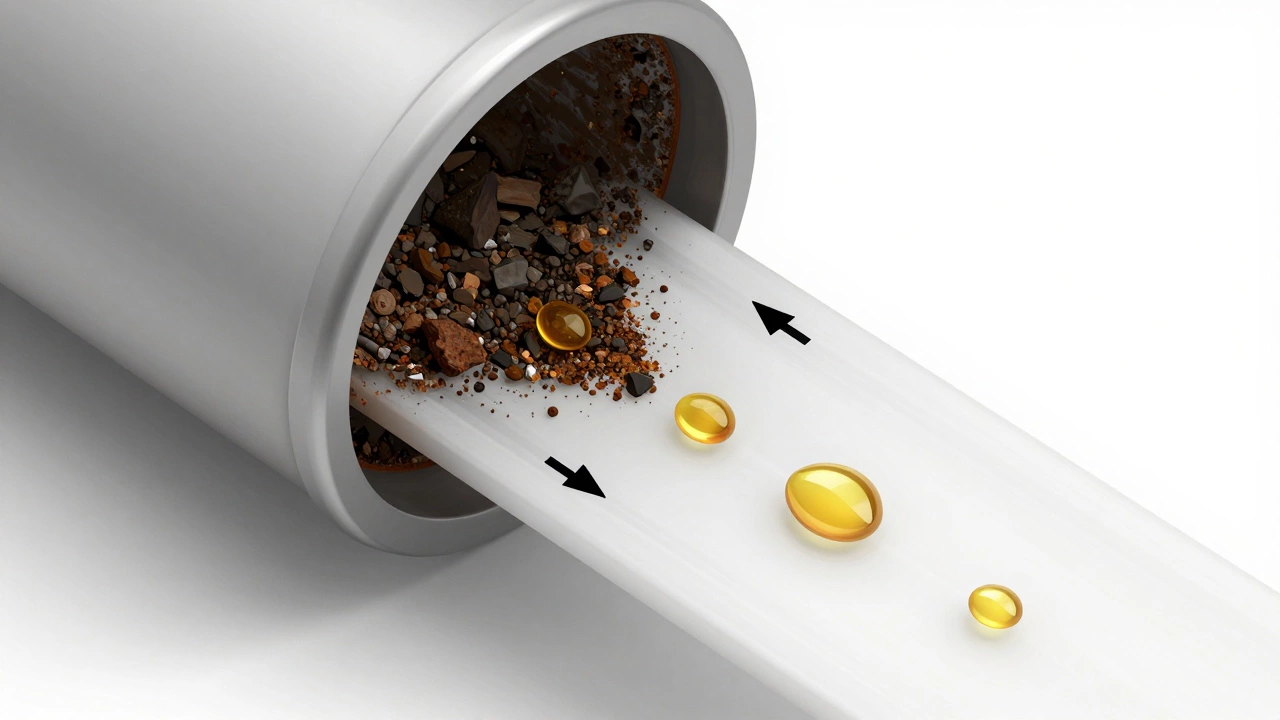
A fuel filter is one of those components people ignore until it causes major headaches. Its job is straightforward: trap dirt, rust, and debris before they reach your injectors. Over time, however, it gets saturated. When that happens, fuel flow restricts. This isn't just about comfort; it’s about protecting expensive parts like your fuel pump and high-pressure fuel injectors. Ignoring the early warning signs can lead to breakdowns on remote roads or costly repairs down the line.
1. Hesitation During Acceleration
The most common first sign of a restricted fuel filter is hesitation when you step on the gas. Think about it: when you accelerate, your engine demands more fuel instantly. If the filter is clogged, it acts like a bottleneck in a straw. The fuel can’t get through fast enough to meet that demand.
You’ll feel this as a momentary lag or stumble. You press the accelerator, there’s a half-second delay, and then the car jerks forward rather than smoothing out. This is different from transmission slipping. In automatic cars, transmission slip usually feels like the RPMs flare up without speed increasing. With a bad fuel filter, the RPMs might actually struggle to rise because the engine literally lacks the energy source to burn. If your vehicle hesitates consistently during hard acceleration, check your fuel system before assuming it’s an ignition issue.
2. Engine Stalling at Low Speeds or Idle
If the restriction becomes severe enough, the engine won’t just hesitate-it will shut off entirely. This often happens when you’re idling at a traffic light or moving slowly in parking lots. At these low speeds, the fuel pump isn’t working as hard to push fuel through the system. A clean filter offers little resistance, but a clogged one creates a vacuum lock that the pump can’t overcome at low pressures.
Imagine trying to drink a thick milkshake through a tiny coffee stirrer. Eventually, you run out of breath. Similarly, your engine runs out of fuel vapor. If your car dies repeatedly while stopped or crawling, and the battery and alternator are fine, look at the fuel delivery. Restarting the car might work for a few minutes, only for it to die again once the residual pressure drops. This intermittent stalling is a classic red flag for a failing filter.
3. Difficulty Starting the Engine
Have you ever turned the key (or pressed the start button) and heard the starter motor crank vigorously, but the engine refuses to fire? We’ve all been there. Usually, we blame the weather, the battery, or old spark plugs. But if your car starts fine after sitting overnight yet struggles to catch after being driven and parked, the fuel filter might be the problem.
When you park your car, the fuel lines remain pressurized. If the filter is partially blocked, that pressure bleeds off or fails to build up properly during the next startup attempt. The injectors spray mist, but there isn’t enough volume behind it to create combustion. You might notice the engine cranks longer than usual before catching. If this "hard start" trend worsens over days, don’t wait until you’re locked out of your car with a dead engine. Replace the filter proactively.
4. Loss of Power Under Load
This symptom is closely related to hesitation but occurs under sustained stress. Are you towing a trailer, carrying a heavy load, or climbing a steep hill? These scenarios require maximum fuel delivery. A clogged gasoline filter cannot maintain the necessary flow rate under high demand.
Your car might feel weak, like it’s struggling to breathe. On a steep incline, you might even lose speed despite keeping your foot on the pedal. Modern engines have computers that try to compensate by adjusting the air-fuel mixture, but they can only do so much. If the physical limit of fuel flow is hit, no amount of software tuning will help. This loss of power is dangerous, especially if you’re merging into traffic or passing another vehicle. Recognizing this early prevents potentially hazardous situations.
5. Unexpected Surging or Rough Idling
Sometimes, a clogged filter doesn’t just reduce flow; it disrupts consistency. As debris shifts within the filter media, the restriction level changes dynamically. One second, fuel flows okay; the next, a clump of rust blocks a channel, causing a sudden lean condition.
This manifests as surging-the RPMs jump up and down without you touching the throttle-or rough idling, where the engine shakes or vibrates noticeably while stationary. While these symptoms can also point to vacuum leaks or faulty mass airflow sensors, they are frequently caused by inconsistent fuel pressure due to a dirty filter. If your check engine light comes on with codes related to fuel trim (like P0171 or P0172), inspect the filter. It’s the cheapest part to swap out before buying expensive sensors.
6. Complete Engine Failure to Start
In the worst-case scenario, the filter becomes completely blocked. No fuel passes through. When you turn the key, nothing happens except the sound of the starter spinning. The dashboard lights come on, the radio works, but the engine is silent.
This is distinct from a dead battery. With a dead battery, the electronics dim or flicker. Here, everything works except the engine. If you recently had water contamination in your tank or used fuel from an unreliable source, this is highly likely. Water settles at the bottom of the tank and gets sucked into the filter first. Depending on the type of filter, water can cause internal swelling or blockage, leading to total failure. Towing to a mechanic becomes inevitable unless you carry a spare filter and know how to change it.

How a Bad Filter Hurts Other Components
It’s not just about your car running poorly. A clogged filter puts immense strain on other critical systems. Let’s look at the domino effect:
- Fuel Pump Damage: The fuel pump has to work harder to push fuel through the blockage. This increases heat and wear on the pump’s motor and impeller. Replacing a fuel pump costs significantly more than replacing a filter.
- Injector Wear: Debris that bypasses a worn-out filter can scratch the delicate tips of fuel injectors. This leads to poor atomization, wasted fuel, and eventually, stuck-open or stuck-closed injectors.
- Catalytic Converter Stress: An engine running lean (due to lack of fuel) burns hotter. Excessive exhaust heat can melt the honeycomb structure inside the catalytic converter, a repair that often costs thousands.
Protecting these expensive parts is the primary reason regular filter maintenance matters. It’s insurance against catastrophic failure.
When Should You Replace Your Fuel Filter?
There is no single answer here because it depends on your vehicle. Older cars with external inline filters typically need replacement every 30,000 miles. Newer vehicles often use in-tank filters that last the life of the car (up to 100,000+ miles). However, if you drive in dusty areas, tow frequently, or buy fuel from questionable stations, you should shorten that interval.
| Vehicle Type | Filter Location | Recommended Interval | Risk Factors |
|---|---|---|---|
| Older Gasoline Cars (Pre-2000) | External Frame Rail | Every 20,000 - 30,000 miles | Dusty environments, older tanks |
| Modern Gasoline Cars (Post-2005) | In-Tank (Integrated) | Every 60,000 - 100,000 miles | Water contamination, ethanol blends |
| Diesel Vehicles | External Inline + Water Separator | Every 10,000 - 15,000 miles | Wax buildup, microbial growth |
| Heavy Duty / Towing | External High-Flow | Every 10,000 miles | High fuel demand, particulate matter |
If you aren’t sure when yours was last changed, treat it as overdue. The cost of a new filter ($10-$50) plus labor ($50-$100) is negligible compared to a tow truck call or a new fuel pump.
DIY vs. Professional Replacement
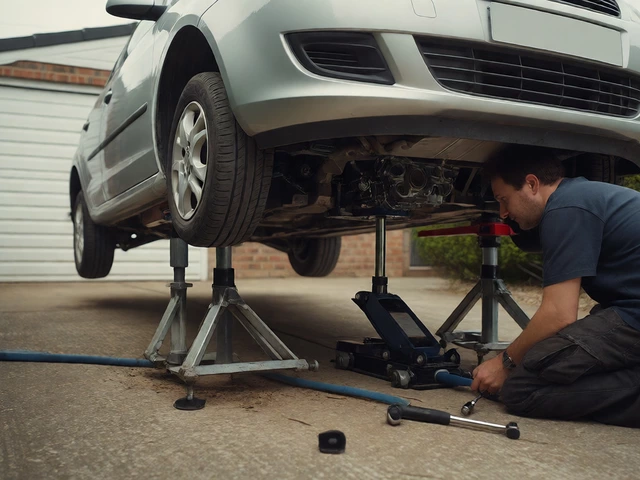
Can you do it yourself? Often, yes. External filters are usually accessible under the hood or along the frame rail. You’ll need basic tools: wrenches, pliers, and possibly a catch pan. Disconnect the fuel lines carefully-relieve pressure first by removing the fuel pump fuse and running the engine until it dies. Swap the filter, prime the system, and test.
In-tank filters, however, are trickier. They require dropping the fuel tank or accessing it through the trunk floor. This involves dealing with flammable vapors and electrical connectors. If you’re uncomfortable with this, leave it to a professional. Safety first.
How much does it cost to replace a fuel filter?
The cost varies widely. Parts alone range from $10 for a generic brand to $100+ for OEM diesel filters. Labor adds $50 to $150 depending on accessibility. Total bills usually fall between $60 and $250.
Can a clogged fuel filter cause a check engine light?
Yes. Restricted fuel flow causes lean conditions, triggering oxygen sensor errors and fuel trim codes. Common codes include P0171 (System Too Lean Bank 1) and P0087 (Fuel Rail/System Pressure Too Low).
What’s the difference between a fuel filter and an oil filter?
An oil filter cleans lubricating oil for the engine’s moving parts. A fuel filter cleans gasoline or diesel before it enters the combustion chamber. They serve completely different systems and are not interchangeable.
Will cleaning a fuel filter work instead of replacing it?
No. Fuel filters are disposable. Attempting to clean them compromises the filtration media, allowing debris to pass through. Always replace with a new unit.
How do I relieve fuel pressure before changing the filter?
Locate the fuel pump fuse or relay in your fuse box. Remove it with the engine running. The car will stall once the tank empties. Turn off the ignition, wait two minutes, then disconnect the battery. This ensures safe handling of fuel lines.