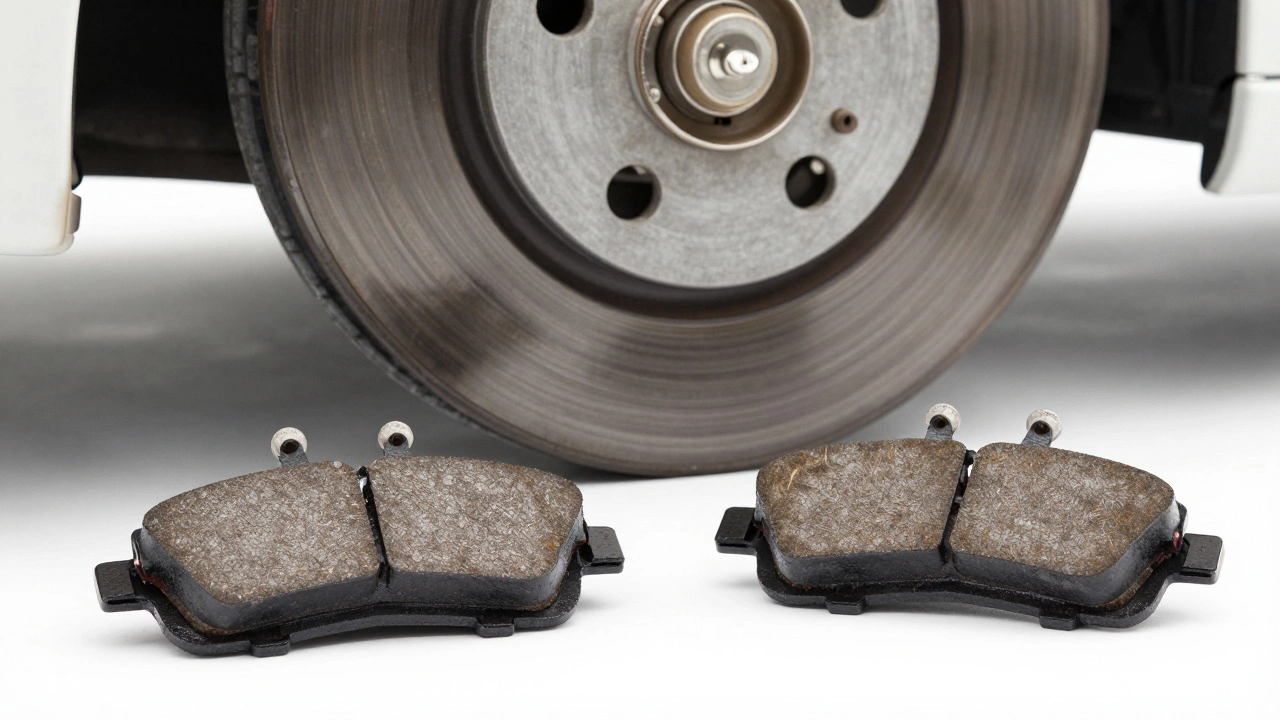
Brake Pad Lifespan Calculator
There is no single number that applies to every car. If you are looking for a quick answer, most standard brake pads last between 30,000 and 70,000 miles. However, relying on that average can be dangerous. A city driver in Manchester might need new pads at 25,000 miles, while a highway commuter could push past 80,000. The difference comes down to how you drive, the type of vehicle you own, and the material inside those friction blocks.
Understanding your specific situation saves money and prevents costly damage to your rotors. Let’s break down exactly what eats away at your brakes and how to know when it is time to visit the garage.
The Big Three Factors That Determine Brake Life
Your driving habits are the primary variable. Think of your brake pads as shoes; running on concrete wears them out faster than walking on grass. Here is how different elements impact longevity:
- Driving Style: Aggressive drivers who slam on the brakes frequently generate intense heat. This heat causes the friction material to disintegrate rapidly. Smooth, anticipatory braking extends life significantly.
- Environment: City driving involves constant stop-and-go motion. Highway cruising allows brakes to cool and barely engage. If you live in a dense urban area, expect shorter intervals between replacements.
- Vehicle Weight: Heavier vehicles require more force to stop. An SUV or a pickup truck towing a trailer will burn through pads much faster than a lightweight hatchback.
Another critical factor is the material composition of the pads themselves. Not all brake pads are created equal. Manufacturers use different compounds to balance noise, dust, stopping power, and durability.
Ceramic vs. Semi-Metallic: Which Lasts Longer?
The two most common types of brake pads found in modern vehicles are ceramic and semi-metallic. Each has distinct advantages regarding lifespan and performance.
| Feature | Ceramic Brake Pads | Semi-Metallic Brake Pads |
|---|---|---|
| Average Lifespan | 50,000 - 70,000 miles | 30,000 - 40,000 miles |
| Dust Production | Low (cleaner wheels) | High (dark dust) |
| Noise Level | Quiet | Louder, especially when cold |
| Heat Tolerance | Good for daily driving | Excellent for heavy loads/towing |
| Rotor Wear | Gentle on rotors | Can accelerate rotor wear |
Ceramic brake pads are made from a dense ceramic compound with small copper fibers woven throughout. They are generally quieter and produce less dust, making them popular for passenger cars. They tend to last longer under normal driving conditions because the material is harder and more resistant to wear.
Semi-metallic brake pads contain metal fibers like steel, iron, or graphite. They offer superior stopping power and handle high temperatures better, which makes them ideal for trucks, SUVs, and performance cars. However, they are harder on the brake rotors and often need replacing sooner due to faster wear rates.
If you prioritize longevity and quiet operation, ceramic is usually the winner. If you tow heavy loads or drive aggressively, semi-metallic might be necessary despite the shorter lifespan.
Silent Wear Indicators: How to Spot Trouble Early
You do not need to guess when your brakes are failing. Modern vehicles have built-in warning systems designed to alert you before you grind metal against metal.
1. The Squealing Sound
Most brake pads come with a wear indicator, a small metal tab embedded in the pad backing plate. When the friction material wears down to a critical level (usually around 3-4mm remaining), this tab scrapes against the rotor. It produces a high-pitched squeal or screech specifically designed to be annoying. This is your first clear signal that replacement is imminent.
2. Vibration in the Pedal
If you feel a pulsating sensation in the brake pedal when you press down, your brake rotors may be warped. This often happens when pads are worn too thin and overheating occurs. While this indicates rotor issues, it also suggests your pads have been neglected for too long.
3. Reduced Responsiveness
Do you find yourself pressing the pedal further down than usual to achieve the same stopping power? This "soft" pedal feel can indicate that the pads are severely worn or that there is air in the brake lines. Either way, it requires immediate inspection.
4. Visual Inspection
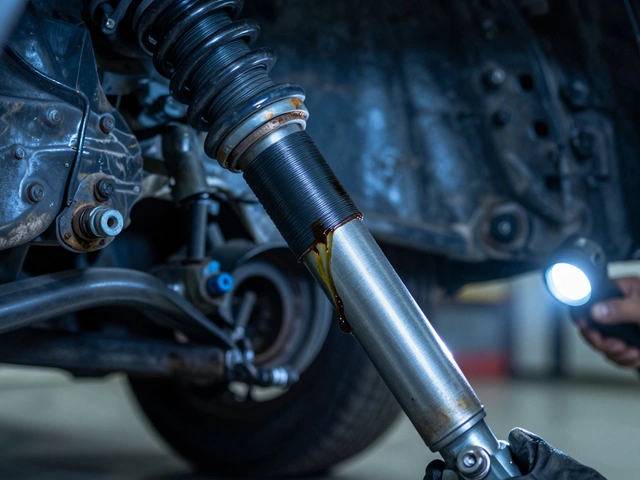
You can actually look at your brake pads without removing the wheels completely. Shine a flashlight through the spokes of your alloy wheel. You should see the brake caliper assembly. The friction material on the pad should be at least 1/4 inch thick. If it looks thinner than a pencil eraser, schedule a service appointment immediately.
The Hidden Cost of Waiting Too Long
Many drivers ignore the squeal, thinking it will go away. It won’t. What happens next is expensive. Once the friction material is gone, the metal backing plate of the brake pad grinds directly against the brake rotor (also known as the brake disc). This creates deep grooves and scores in the rotor surface.
Replacing brake pads costs roughly £100-£150 per axle. Replacing both the pads and the rotors can double or triple that cost. In severe cases, grinding can damage the brake calipers, leading to fluid leaks and total brake failure. Always address brake warnings within days, not weeks.
Maintenance Tips to Extend Brake Life
You can actively influence how long your brakes last with simple changes in behavior and maintenance routines.
- Coast to Stops: Instead of riding the brakes, lift off the accelerator early and let the vehicle slow down naturally. Use the brakes only for the final stop. This reduces heat buildup and wear.
- Check Brake Fluid Regularly: Brake fluid absorbs moisture over time. Wet fluid boils at lower temperatures, leading to brake fade and increased wear. Flush your brake fluid every two years or 30,000 miles, whichever comes first.
- Avoid Riding the Brake: Keeping your foot resting on the brake pedal while driving generates constant friction and heat. Only press the pedal when you intend to slow down or stop.
- Rotate Tires: Uneven tire wear can affect alignment and suspension geometry, causing uneven pressure on brake components. Proper rotation helps ensure even braking forces.
When to Replace Brake Pads: A Quick Checklist
Use this checklist to decide if you need a mechanic:
- [ ] Your car makes a squealing noise during light braking.
- [ ] The brake pedal feels spongy or travels further than usual.
- [ ] You notice vibration in the steering wheel or pedal when braking.
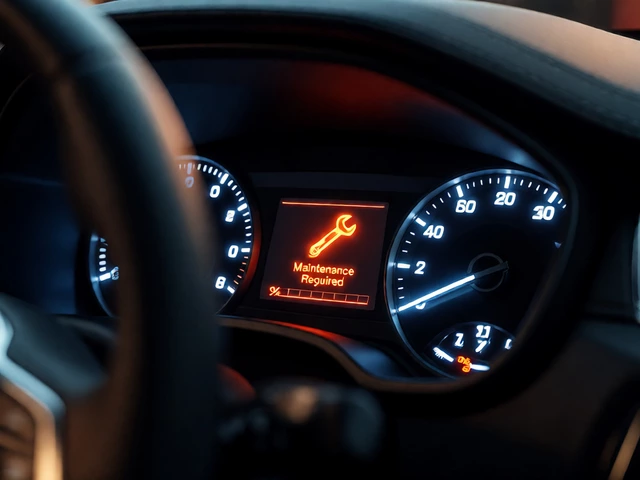
- [ ] Your dashboard brake warning light is illuminated.
- [ ] You have driven more than 40,000 miles since the last brake service.
If you checked any of these boxes, do not wait. Book an inspection today.
How many miles do brake pads last on average?
On average, brake pads last between 30,000 and 70,000 miles. Ceramic pads typically reach the higher end of this range, while semi-metallic pads often need replacement closer to the 30,000-mile mark. Driving habits and vehicle weight play significant roles in actual lifespan.
Is it safe to drive with worn brake pads?
It is not safe to drive with severely worn brake pads. Thin pads reduce stopping power and increase stopping distances. If the metal backing contacts the rotor, it can cause catastrophic brake failure and expensive damage to other components. Replace them as soon as wear indicators sound.
Why do my brakes squeal only when I back up?
Squealing in reverse is often caused by the wear indicator tab rubbing against the rotor. As the car moves backward, the angle of contact changes, allowing the metal tab to scrape the rotor surface. This is a clear sign that your pads are near the end of their life and need replacement.
Should I replace brake pads on one axle or all four?
You should always replace brake pads in pairs on the same axle (both front or both rear). Mixing old and new pads on the same side can cause uneven braking, pulling to one side, and instability. Most mechanics recommend replacing all four pads if the wear is similar across the vehicle.
How much does it cost to replace brake pads?
In the UK, replacing brake pads typically costs between £100 and £200 per axle, including labor. Prices vary based on the vehicle make, model, and whether you choose ceramic or semi-metallic pads. If rotors need resurfacing or replacement, add another £100-£300 to the bill.