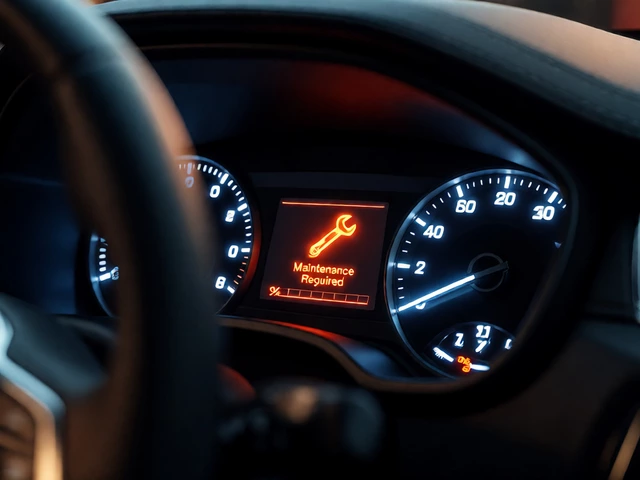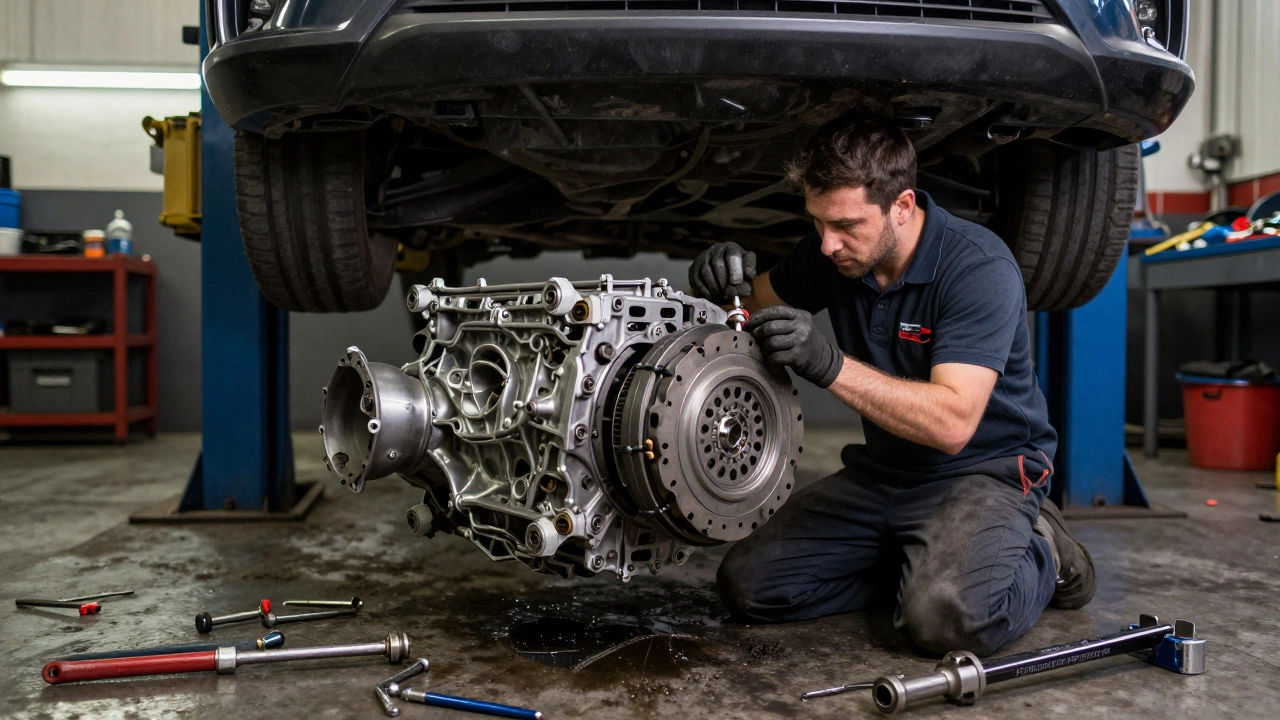
Replacing a clutch kit isn’t like changing your oil. You can’t just pop the hood, drain a few fluids, and call it a day. It’s one of those jobs that sounds simple until you’re under the car for hours, wrestling with bolts, alignment tools, and the sheer weight of the transmission. So, how long does it actually take? The short answer: between 4 and 8 hours for most cars, but it can stretch to 12 or more depending on the model, your experience, and what else is going wrong.
Why Clutch Replacement Takes So Long
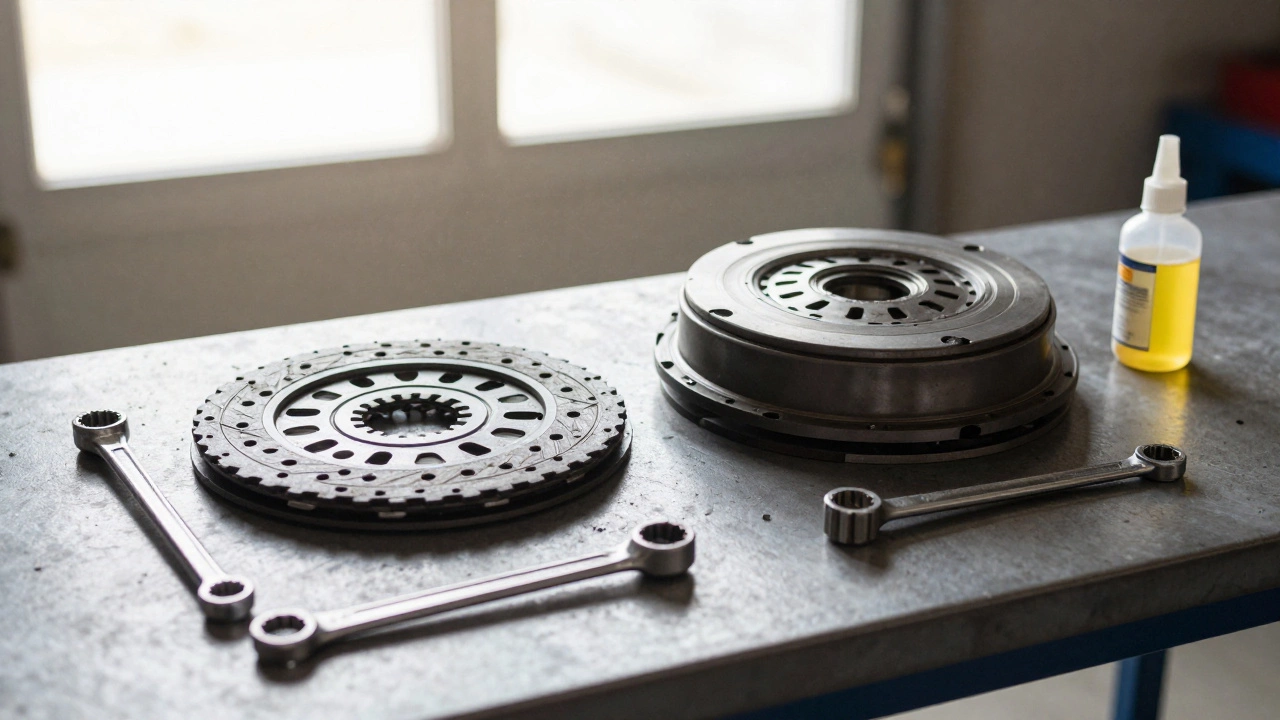
The clutch isn’t just one part you swap out. It’s a system: the clutch disc, pressure plate, release bearing, and sometimes the pilot bearing or input shaft seal. But here’s the catch-you don’t just access it by removing a cover. To get to the clutch, you have to disconnect the transmission. And that means lifting the car, removing the driveshafts, disconnecting shift linkages, electrical connectors, hydraulic lines, and often the starter motor. On some cars, you even have to drop the subframe.
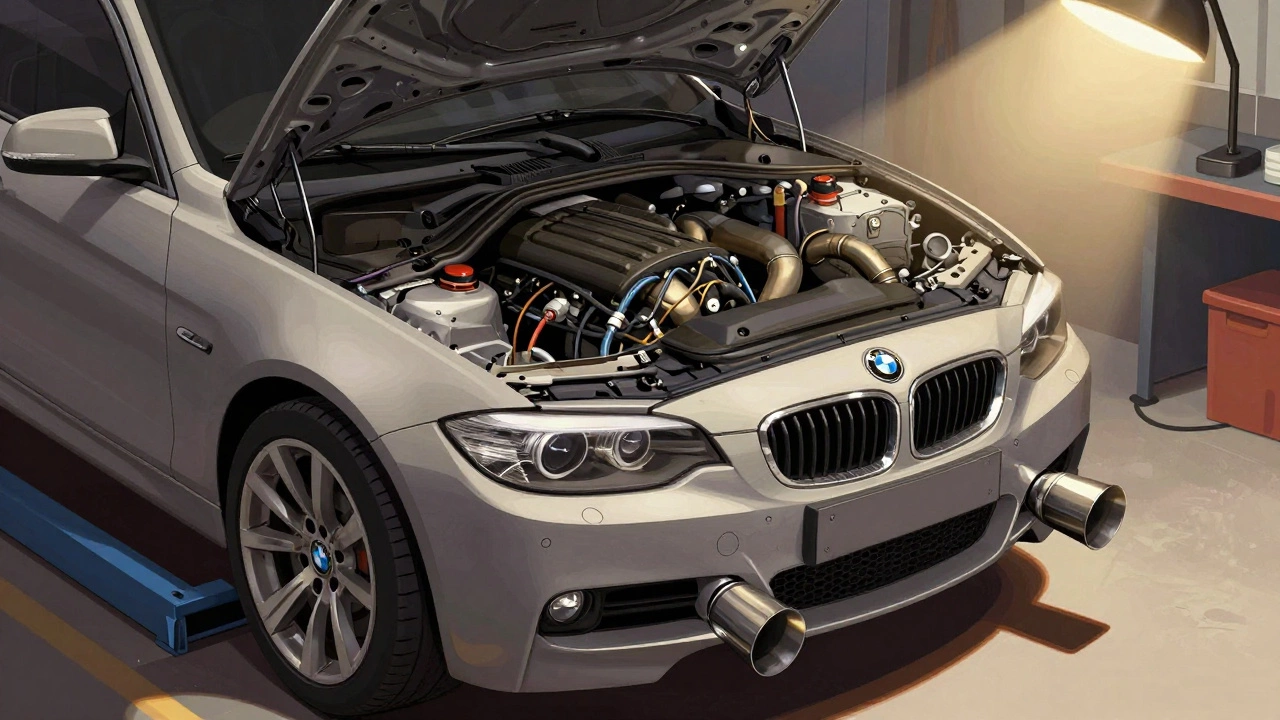
Take a Toyota Corolla, for example. It’s a straightforward front-wheel-drive car. Still, removing the transmission requires pulling the engine mounts, disconnecting the clutch cable or hydraulic line, and carefully sliding the transmission back. That’s a solid 5-6 hours for someone with decent mechanical skills. Now compare that to a BMW 3 Series with a rear-wheel-drive layout. The transmission is heavier, the space is tighter, and you might need to remove the exhaust manifold just to get clearance. That’s easily 7-8 hours.
Factors That Change the Clock
Not all cars are created equal when it comes to clutch access. Here’s what makes the job faster or slower:
- Vehicle type - Front-wheel drive cars usually take less time than rear-wheel drive. All-wheel drive? You’re looking at extra work removing differential components.
- Engine placement - Transverse engines (sideways) are easier to work on than longitudinal ones (front-to-back). The latter often require more disassembly.
- Transmission type - Manual transmissions are easier to remove than automatics, but automatics rarely have clutches to replace. Stick with manuals for this job.
- Accessories in the way - Air conditioning lines, exhaust manifolds, wiring harnesses, and even the battery can get in the way. Some cars require you to remove the airbox or radiator just to get the transmission out.
- Condition of parts - If the clutch fork is seized, the input shaft is rusted, or the bolts are stripped, you’re adding hours. Corrosion is the silent time-suck.
One mechanic in Manchester told me about a 2012 Ford Focus that took 14 hours because the clutch release bearing had fused to the input shaft. He had to use a grinder to cut it free. That’s not normal-but it happens.
Professional vs. DIY: Time and Cost Comparison
If you take your car to a garage, expect to pay for labor on top of parts. Most shops charge between £80 and £120 per hour. So if the job takes 6 hours, that’s £480-£720 in labor alone. Parts for a clutch kit range from £150 to £400 depending on the brand and vehicle.
DIY? You save the labor-but you’re trading time for cash. If you’re new to this, plan for a full weekend. First-timers often underestimate how tricky alignment is. Getting the transmission back on without misaligning the input shaft can be frustrating. One wrong move, and you’re damaging the gearbox.
Here’s what most DIYers miss:
- Using a clutch alignment tool. Skipping this leads to uneven wear or a seized clutch.
- Not replacing the pilot bearing. It’s cheap, but if it’s worn, it’ll destroy your new clutch in weeks.
- Forgetting to bleed the hydraulic system. Air in the lines means a spongy pedal and poor clutch engagement.
What You Can Do to Speed Things Up
There’s no magic trick to make the job faster, but you can avoid delays:
- Buy the right kit. Don’t go for the cheapest option. Look for kits that include the pressure plate, disc, release bearing, and pilot bearing. Some kits even include the throw-out bearing and alignment tool.
- Check your workshop manual. Some manufacturers release torque specs and removal sequences online. Use them.
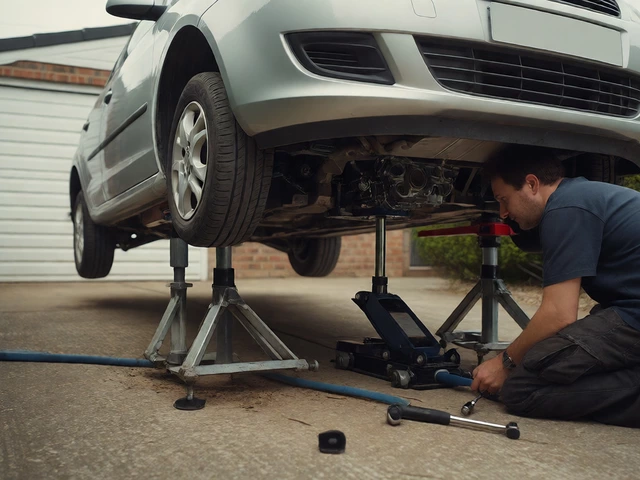
- Work on a level surface. A crooked jack or unstable stands can mean disaster-or a dropped transmission.
- Take pictures as you go. Especially of wiring harnesses and hose routing. You’ll thank yourself later.
- Use penetrating oil on stubborn bolts the night before. Let it sit overnight.
One thing I’ve seen over and over: people try to do this job in one day. Bad idea. Fatigue leads to mistakes. Split it into two days. Day one: remove the transmission. Day two: install the new clutch and reassemble. You’ll be calmer, more precise, and way less likely to break something.
When It Takes Longer Than Expected
Clutch replacement is rarely just a clutch replacement. While you’re in there, it’s smart to check:
- The flywheel. If it’s scored, cracked, or warped, it needs to be resurfaced or replaced. That adds £100-£200 and 1-2 extra hours.
- The input shaft seal. If it’s leaking, the transmission fluid will contaminate the new clutch. Replace it while you’re in there.
- The slave cylinder. Hydraulic systems fail often. If the clutch pedal feels spongy after replacement, the slave cylinder might be the culprit.
- The gearbox bearings. If you hear grinding when shifting, the input shaft bearing might be worn. Replacing it means another full disassembly.
These aren’t optional upgrades. They’re preventive. You’ve already done the hard part. Don’t risk ruining your new clutch because you skipped a £30 seal.
Real-World Examples
Here’s what actual clutch jobs look like in the UK:
- 2015 Volkswagen Golf GTI - 6.5 hours. The engine is transverse, but the clutch housing is deep. The hydraulic line had to be bled three times.
- 2018 Hyundai i20 - 4.5 hours. Simple design, easy access. The kit came with the alignment tool.
- 2010 Ford Focus ST - 9 hours. The clutch was glazed from aggressive driving. The flywheel had to be replaced. The starter motor was seized and had to be cut off.
- 2021 Mini Cooper S - 7 hours. Tight engine bay. Had to remove the intake manifold just to reach the transmission bolts.
These aren’t estimates. These are real jobs done by local garages in Manchester and surrounding areas.
What to Do After Replacement
Don’t just drive off. Break in the new clutch properly:
- Avoid heavy acceleration for the first 500 miles.
- Don’t ride the clutch. Keep your foot off the pedal when not shifting.
- Avoid hill starts in high gear. Use the handbrake if needed.
- Check the fluid level in the hydraulic system after 100 miles.
Most clutch failures happen in the first 100 miles because people drive like they’ve got a new sports car. They don’t. It’s a new clutch. Treat it gently.
Can I replace a clutch kit in one day?
Yes, if you’re experienced and the car is simple-like a Honda Civic or older Toyota. For most people, especially first-timers, it’s better to split it over two days. Rushing increases the risk of misalignment, damaged parts, or missed components like the pilot bearing. Patience saves money.
Do I need to replace the flywheel too?
Not always, but it’s highly recommended. If the flywheel has heat cracks, deep grooves, or is warped, it will ruin your new clutch fast. Most mechanics resurface or replace it during a clutch job. It adds £100-£200, but it’s cheaper than replacing the clutch again in 3 months.
Is it cheaper to do a clutch kit myself?
Yes, if you have the tools and time. A clutch kit costs £150-£400. Labor at a garage is £400-£900. So DIY saves you hundreds. But if you mess up-like misaligning the transmission or damaging the input shaft-you could end up spending more on repairs. Only attempt it if you’ve done similar work before.
What tools do I need for a clutch replacement?
You’ll need a jack and jack stands, torque wrench, clutch alignment tool, socket set, breaker bar, transmission jack (highly recommended), and possibly an engine hoist if you’re removing the engine. Don’t skip the alignment tool-it’s cheap and prevents costly damage. A hydraulic jack for the transmission is worth the investment.
How do I know if my clutch needs replacing?
Signs include: slipping when accelerating, especially uphill; a spongy or unresponsive clutch pedal; grinding noises when shifting; difficulty getting into gear; or the clutch pedal feeling higher than usual. If you notice any of these, get it checked before you get stranded. A worn clutch doesn’t fail suddenly-it gets worse over time.
Final Thoughts
There’s no magic number for how long a clutch job takes. It’s not just about the parts. It’s about the car, your experience, and what else you find when you get in there. For most people, budget 6 hours. For tricky models or first-time attempts, plan for a full day. And if you’re not sure? Take it to a pro. A bad clutch job can cost more than the car is worth.