Car Radiator Cost Calculator
Estimate Your Radiator Replacement Cost
Get an estimate for your car's radiator replacement based on vehicle type and labor rates.
Estimated Total Cost
£0Based on your selections
Replacing a car radiator isn’t just about swapping out a metal tank-it’s about keeping your engine from turning into a melted mess. If your car’s overheating, the radiator is often the first thing to blame. But how much does it actually cost to fix? The answer isn’t simple. A radiator can run you anywhere from £150 to over £800, depending on your car, where you live, and whether you’re buying a new part or just getting it repaired.
What’s Inside a Car Radiator?
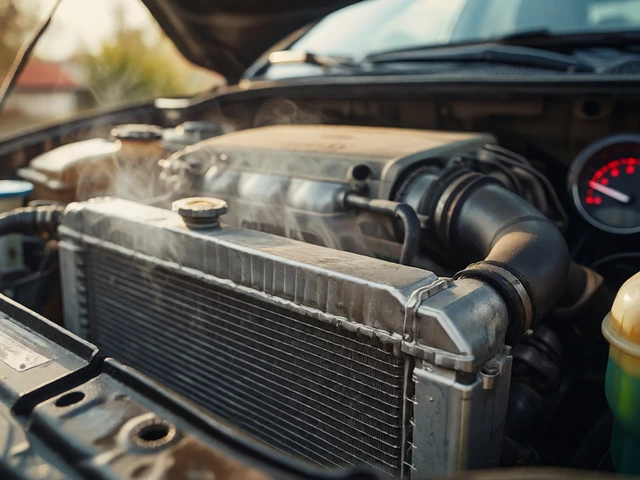
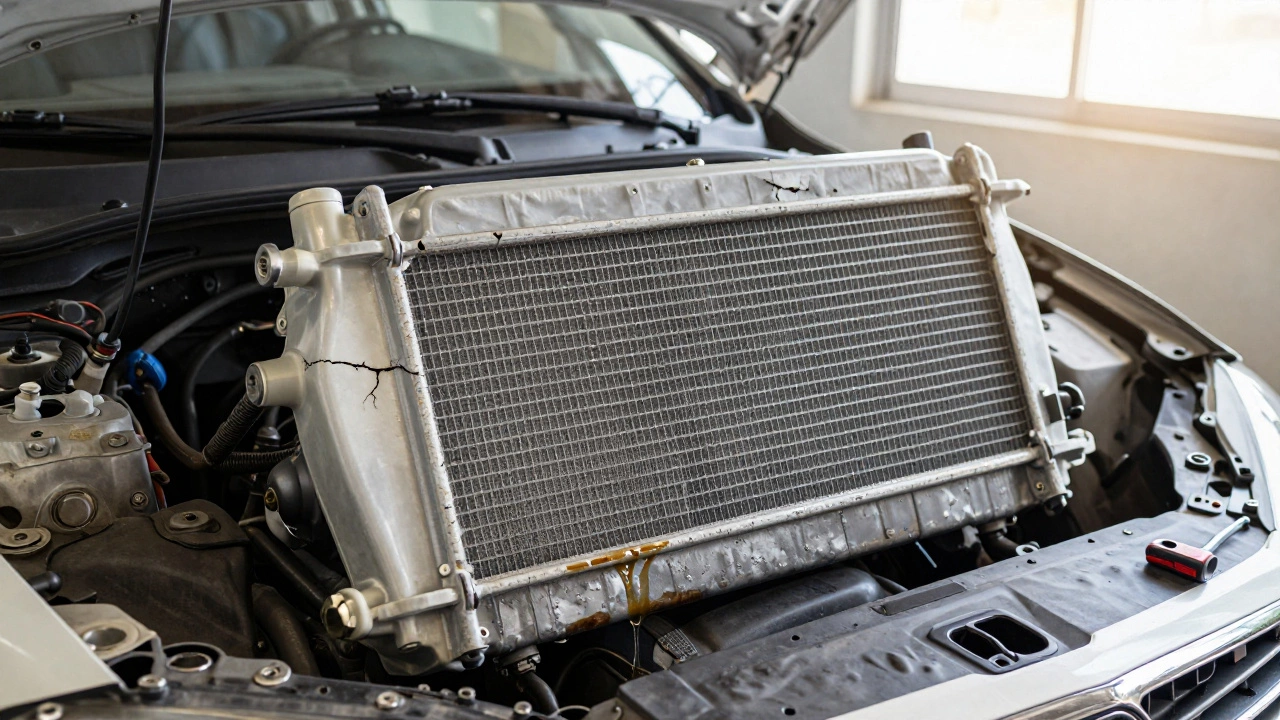
A radiator isn’t just a single piece. It’s a system made up of a core (the part that cools the fluid), end tanks (plastic or metal containers on each side), hoses, and sometimes a built-in transmission cooler. Modern radiators are usually made of aluminum with plastic end tanks, which are lighter but more fragile than old-school all-metal ones. The core is full of tiny tubes and fins that transfer heat from coolant to outside air. When these get clogged with rust, debris, or leaks, the engine starts running hot.
Most radiators today are designed to last 8-12 years, but that depends on how often you flush the coolant and whether you drive in dusty or salty conditions. In the UK, road salt in winter and stop-and-go traffic in cities like Manchester can shorten a radiator’s life by years.
How Much Does a New Radiator Cost?
The part itself-the radiator-costs between £120 and £500. Here’s what you’re likely to pay based on your car type:
- Small city cars (Ford Fiesta, Vauxhall Corsa): £120-£200
- Mid-size sedans (Toyota Corolla, Volkswagen Golf): £180-£300
- SUVs and larger vehicles (BMW X5, Land Rover Discovery): £250-£450
- Performance or luxury cars (Audi S4, Mercedes C-Class): £300-£500+
Aftermarket brands like Denso, Behr, and Valeo offer reliable replacements that match OEM quality at lower prices. OEM (original equipment manufacturer) radiators-those sold under your car’s brand name-are more expensive and rarely worth the extra cost unless you’re dealing with a rare model.
Labour Costs: The Real Shock
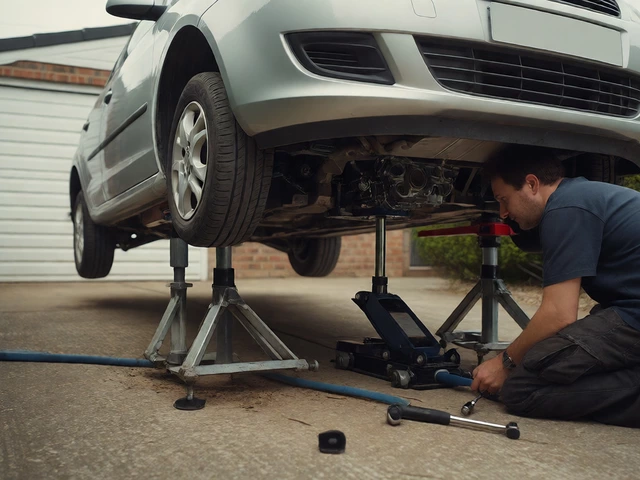
The radiator part is only half the story. Labour is where most people get surprised. Replacing a radiator usually takes 3-5 hours of work. That’s because it’s buried deep in the engine bay. Mechanics need to drain the coolant, disconnect hoses, remove the cooling fan, sometimes unbolt the AC condenser, and lift out the old unit before installing the new one. All this has to be done carefully-coolant leaks can damage sensors or wiring.
In the UK, labour rates vary widely:
- Independent garages: £50-£75 per hour
- Dealership service centres: £80-£120 per hour
- Specialist cooling system shops: £60-£90 per hour
So for a typical car, you’re looking at £150-£400 in labour alone. Add that to the part cost, and total replacement can easily hit £300-£800.
Can You Repair a Radiator Instead of Replacing It?
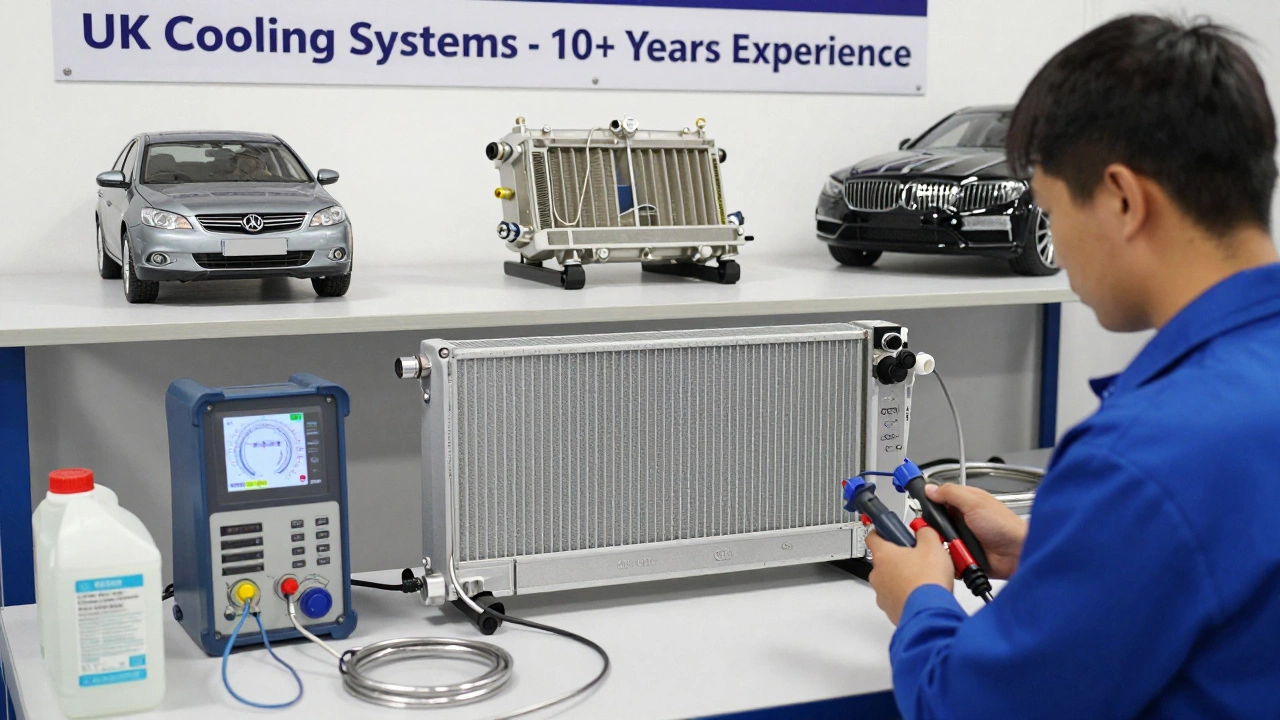
Yes-but only in rare cases. If you have a small leak at the end tank or a cracked hose connection, a professional radiator shop might be able to solder or epoxy it. This usually costs £80-£150, including pressure testing. But here’s the catch: if your radiator is over 8 years old, or if the core is clogged, repair won’t last. Most mechanics won’t even offer it for older units because it’s a temporary fix at best.
One common myth: radiator stop-leak additives. These chemical products claim to seal leaks by thickening the coolant. They might work for a tiny, slow drip, but they can clog the entire cooling system. I’ve seen cars brought in after someone used a bottle of stop-leak-the radiator, water pump, and thermostat all got ruined. Don’t risk it.
What About Used or Salvage Radiators?
You’ll see ads online for “used radiators from scrapped cars” for as little as £50. Tempting? Maybe. But risky. A used radiator might have hidden cracks, internal corrosion, or a damaged core. Even if it looks fine, you have no idea how many miles it’s done or what kind of coolant was used in the previous car. In the UK, many used parts come from cars that were written off after overheating-exactly the problem you’re trying to fix.
Only consider a used radiator if:
- You’re restoring a classic car with no new parts available
- You’re buying from a trusted local scrapyard that tests units
- You’re willing to replace it again in 6 months
For most drivers, it’s not worth the gamble.
How to Save Money on Radiator Replacement
You don’t have to pay dealership prices. Here’s how to cut costs without cutting corners:
- Get multiple quotes. Call 2-3 local garages. Ask for the total price including parts and labour. Don’t just ask for labour-some shops charge low labour rates but mark up parts heavily.
- Buy the part yourself. You can order a quality aftermarket radiator online from sites like Amazon UK, Euro Car Parts, or GSF Car Parts. Bring it to your mechanic. Many will install it for 10-20% less than if they supply it.
- Replace it during another service. If you’re already replacing the water pump or thermostat, do the radiator at the same time. Coolant has to be drained anyway, so you save on labour.
- Check for warranty coverage. Some extended warranties cover cooling system failures. Even if your car is out of factory warranty, third-party providers like Warranty Direct or Coverbox might still cover it.
Signs You Need a New Radiator
Don’t wait until your engine light flashes red. Watch for these early signs:
- Low coolant levels that keep dropping, even with no visible leaks
- Green, orange, or brown sludge in the coolant reservoir
- Overheating at idle or in traffic
- Steam or sweet-smelling vapour from under the hood
- Oil mixed with coolant (milky brown residue on the dipstick)
If you notice oil in the coolant, it’s not the radiator-it’s a blown head gasket. Don’t replace the radiator until that’s fixed. Otherwise, the new radiator will get ruined too.
What Happens If You Ignore a Bad Radiator?
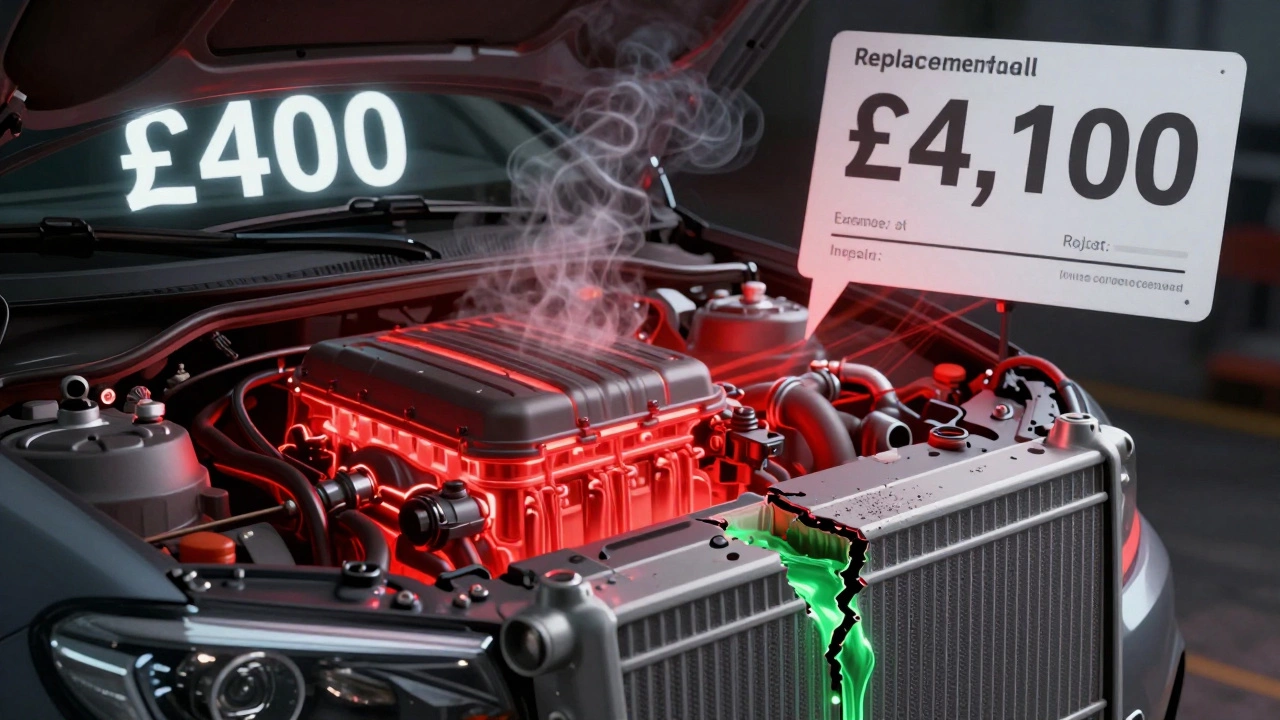
Ignoring a failing radiator doesn’t just mean a broken-down car. It means expensive engine damage. Overheating can warp the cylinder head, crack the block, or seize pistons. Engine repairs can cost £2,000-£5,000. A radiator replacement at £400? That’s cheap insurance.
One mechanic in Manchester told me about a Ford Mondeo that overheated for three weeks because the owner kept topping up coolant. By the time they brought it in, the head gasket was blown, the cylinder head was cracked, and the turbocharger was ruined. Total repair bill: £4,100. The radiator itself was only £220.
When to Replace vs. When to Wait
Here’s a simple decision tree:
- If your car is under 8 years old and has regular coolant changes → wait until you see signs of failure
- If your car is over 10 years old and you’ve never flushed the coolant → replace it now as preventive maintenance
- If you’ve had repeated overheating episodes → replace it, even if it’s not leaking yet
- If you’re planning to sell your car → a new radiator adds value and avoids buyer complaints
Preventative replacement isn’t always necessary-but if your radiator is 10+ years old and you’re still driving it hard, it’s smarter to replace it before it leaves you stranded on the M60.
Can I drive my car with a leaking radiator?
No-not safely. Even a small leak can cause the engine to overheat within minutes, especially in traffic or on the motorway. Driving with low coolant risks permanent engine damage. If you notice coolant loss, stop driving and get it checked.
How long does a radiator replacement take?
Most replacements take 3 to 5 hours. Complex cars with tight engine bays, like some BMWs or Audis, can take up to 6 hours. It’s usually a same-day job, but you’ll need to leave your car overnight if parts need ordering.
Do I need to replace the thermostat when replacing the radiator?
Not always, but it’s a smart move. The thermostat is cheap (£20-£40) and often fails around the same time as the radiator. Since the coolant has to be drained anyway, adding it in saves labour costs. Most mechanics recommend it.
Is it cheaper to repair or replace a radiator?
For cars under 8 years old with minor leaks, repair might cost £100-£150. But for older radiators, replacement is almost always cheaper long-term. Repairs rarely last more than a year, and you’ll pay labour twice. Replacement is a one-time fix.
What coolant should I use after replacement?
Always use the coolant type specified in your owner’s manual. Mixing types can cause sludge or corrosion. Most modern cars use OAT (organic acid technology) coolant-usually pink or orange. Never use universal coolant unless your car’s manual says it’s safe.
Final Thoughts
There’s no single answer to "how much does a car radiator cost?" It’s not just a part-it’s a system. The price you pay depends on your car, your garage, and how proactive you are. A £300 replacement today might save you £3,000 in engine repairs tomorrow. If you’re seeing early signs of trouble, don’t wait. Get it checked. Get a quote. And don’t let a £200 radiator become the reason your engine dies on the side of the road.