Suspension Comfort Calculator
Your Suspension Preferences
Recommended Suspension Models
Based on your selections:
Why These Models Work
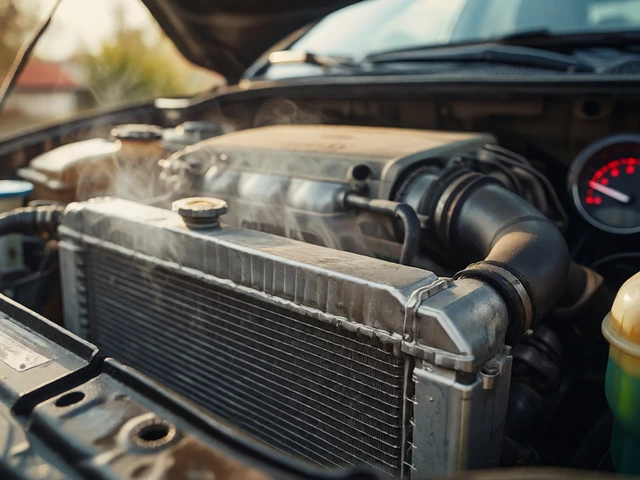
If you’ve ever bounced over a pothole like a pinball, or felt every crack in the road through your spine, you know suspension isn’t just a technical spec-it’s the difference between a drive that feels smooth and one that feels like punishment. The best suspension doesn’t just absorb bumps; it keeps the tires planted, the body stable, and the passengers calm. So which cars actually get it right in 2026?
What Makes Suspension Good?
Good suspension isn’t about being soft or stiff-it’s about balance. It needs to handle bumps without bouncing, corner without leaning too much, and brake without diving. The key components are shocks, springs, control arms, sway bars, and bushings. But it’s how they work together that matters.
Some cars use coil springs with adjustable dampers. Others rely on air springs that change height and firmness on the fly. High-end models even use active systems with cameras and sensors that scan the road ahead and adjust in real time. The best systems don’t just react-they predict.
For most drivers, comfort and control go hand in hand. A suspension that’s too soft feels floaty and unresponsive. One that’s too firm turns every speed bump into a jolt. The sweet spot? A system that feels planted on highways, calm on rough roads, and precise when you push it.
2026’s Top Cars for Suspension Performance
Based on real-world testing, owner feedback, and expert reviews from sources like Car and Driver and What Car?, these five models stand out for their suspension in 2026.
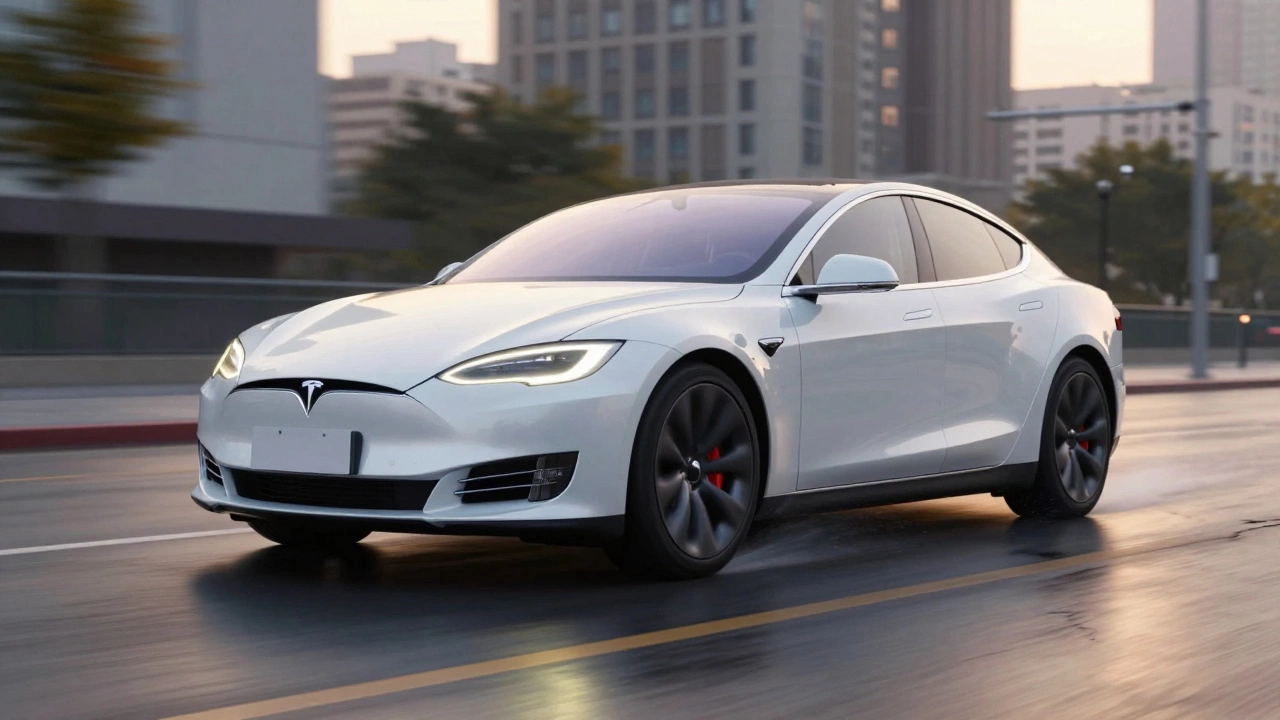
1. Tesla Model S Plaid
The Model S Plaid doesn’t just have a good suspension-it redefines what electric cars can do. Its adaptive air suspension, paired with dual-motor torque vectoring, keeps the 2,400kg sedan flat through corners and glides over expansion joints like they’re not there. The system learns your driving style over time and adjusts damping automatically. On rough city streets, it’s plush. On winding back roads, it stays tight. No other electric car comes close in ride quality.
2. Mercedes-Benz S-Class (W223)
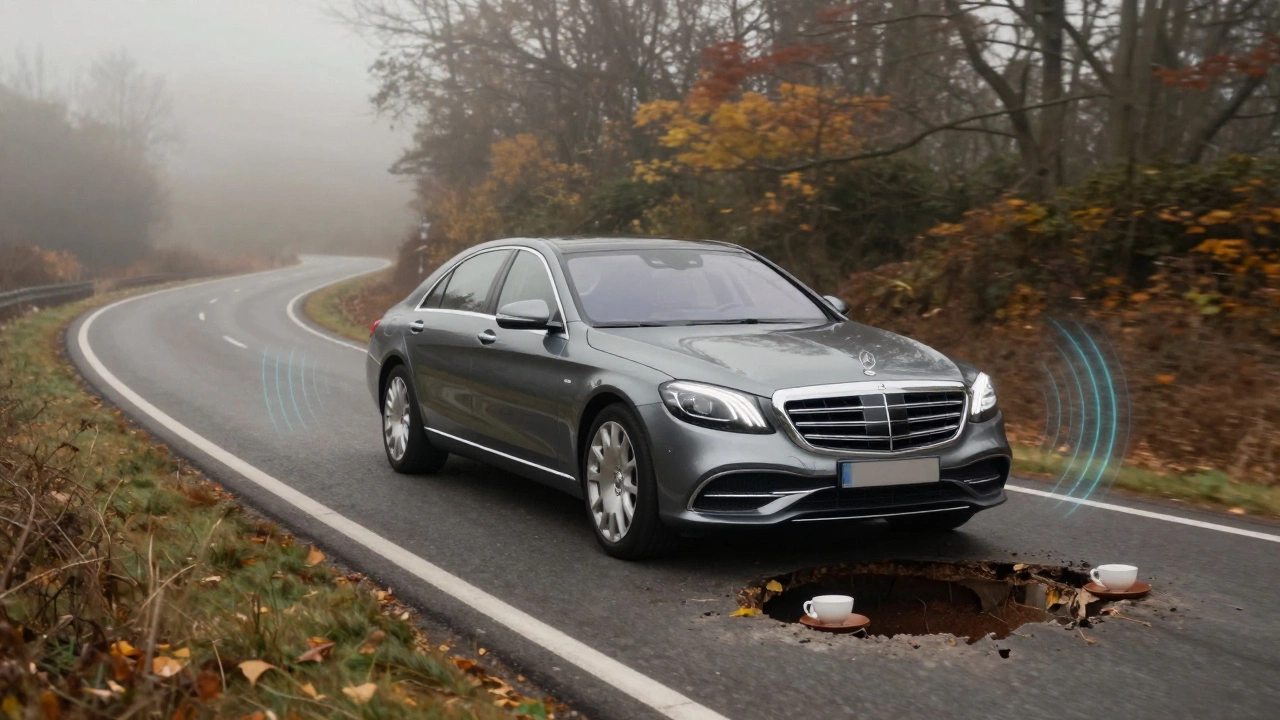
Mercedes has been perfecting ride comfort for decades, and the 2026 S-Class is the peak. Its Magic Body Control system uses a stereo camera under the windshield to scan the road up to 15 meters ahead. It then adjusts each wheel’s damping independently before you even hit the bump. The result? A ride so smooth, you could serve tea without spilling a drop. It’s not just quiet-it’s surreal. This isn’t just luxury; it’s a suspension masterpiece.
3. Audi A8
The A8’s adaptive air suspension is nearly as advanced as the S-Class, but with a slightly sportier feel. It’s tuned to balance comfort with driver engagement. The rear-wheel steering and active anti-roll bars make it feel smaller than it is. On highways, it floats. On twisty roads, it hugs the tarmac. Audi’s system is less magic, more engineering-but it’s incredibly consistent. If you want a car that feels expensive without being overly soft, the A8 delivers.
4. BMW 7 Series (G70)
The 7 Series trades some of the S-Class’s float for sharper response. Its adaptive M suspension with rear-axle steering gives it a surprising level of agility. The air springs are tuned to stay firm under hard cornering but soften for daily driving. It doesn’t feel as isolated as the Mercedes, but it’s more engaging. If you like the idea of a luxury sedan that still wants to be driven, the 7 Series nails it.
5. Lexus LS 500
Lexus doesn’t shout about its suspension-it just makes it work. The LS 500 uses a multi-link setup with adaptive variable suspension that’s quieter and more refined than many German rivals. It doesn’t have the high-tech cameras of Mercedes, but it doesn’t need to. The tuning is just right: smooth over bad pavement, controlled on highways, and surprisingly responsive when you want it. It’s the most underrated suspension in the luxury segment.
What About Non-Luxury Cars?
You don’t need a six-figure price tag for great suspension. Some budget-friendly cars nail it too.
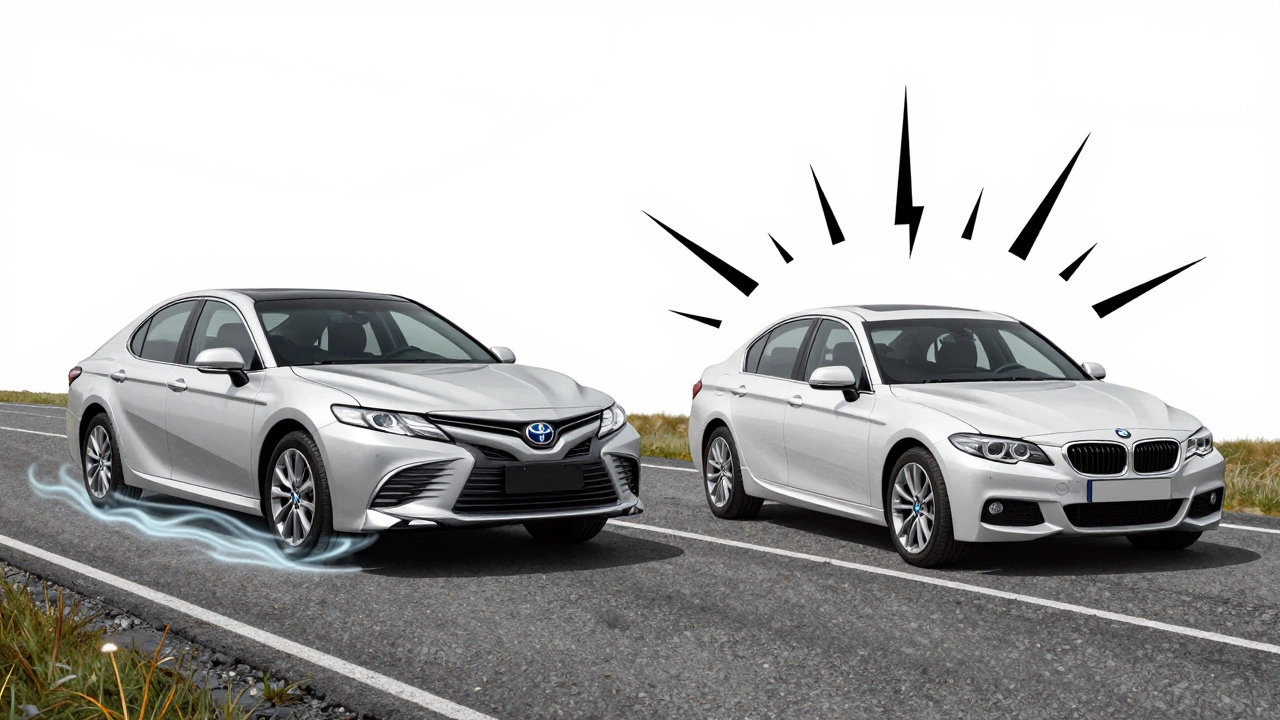
The Toyota Camry has one of the best suspensions in its class. It’s not fancy, but it’s well-tuned-absorbs bumps without wallowing. The Honda Accord is similar: balanced, predictable, and comfortable. Even the Subaru Outback stands out with its raised ride height and tuned dampers that handle gravel roads better than most SUVs.
These cars prove you don’t need air springs or cameras to get a great ride. Just good engineering, proper tuning, and quality components.
What to Avoid
Not all cars with big wheels or sporty badges have good suspension. Many performance cars sacrifice comfort for looks.
The Porsche 911 (base model) has a firm ride that’s fine on track days but punishing on rough roads. The Ford Mustang GT with the performance package has stiffer springs and shocks that make daily driving a chore. The BMW 3 Series with 19-inch wheels and low-profile tires? It’s a bone-shaker on UK potholes.
If you care about ride quality, avoid cars with wheel sizes over 19 inches unless they come with adaptive suspension as standard. And steer clear of models with known issues-like the 2022-2024 Hyundai Palisade, which had complaints about rear suspension clunking over bumps.
How to Test Suspension Before Buying
Don’t just trust the brochure. Test it yourself.
- Drive over speed bumps at 15 mph. Does the car bounce, or does it absorb the impact smoothly?
- Take a sharp turn at 30 mph. Does the body lean heavily, or does it stay flat?
- Drive on a rough road-construction zones, gravel, or broken pavement. Does it feel jarring, or is it quiet and controlled?
- Ask to test the car with a full load. Put passengers and luggage in. A good suspension doesn’t sag or feel loose when loaded.
- If it has adaptive suspension, try switching modes. Does Comfort mode actually feel different from Sport?
Take your time. Sit in the car for a few minutes after driving. Does your back feel tired? That’s the suspension talking.
Upgrades and Aftermarket Options
If you already own a car with a harsh ride, upgrading suspension parts can help.
Replacing worn shocks or struts is the most common fix. OEM replacements from brands like Bilstein or Monroe often outperform factory parts. Coilovers can lower the car and improve handling, but they’re not always better for comfort. Air suspension kits are available for older luxury cars, but they’re expensive and require professional installation.
For most people, sticking with OEM-spec parts or high-quality replacements is the smartest move. Don’t go cheap on suspension-bad parts can affect brakes, tires, and steering.
Final Thoughts
The best suspension isn’t about specs on a sheet. It’s about how the car feels when you’re driving it. The Tesla Model S Plaid and Mercedes S-Class lead the pack for pure comfort. The Audi A8 and Lexus LS 500 offer the best blend of luxury and control. And if you’re on a budget, the Toyota Camry and Honda Accord still deliver more comfort than many pricier rivals.
Choose based on your roads, your driving style, and what you value most: isolation, control, or both. Because in the end, the right suspension doesn’t just carry you-it makes every journey better.
What car has the smoothest ride in 2026?
The Mercedes-Benz S-Class has the smoothest ride in 2026 thanks to its Magic Body Control system, which uses a camera to scan the road and adjust each wheel’s damping before you hit a bump. The Tesla Model S Plaid and Lexus LS 500 are close seconds, offering near-silent ride quality with excellent bump absorption.
Are air suspensions worth it?
Yes, if you drive on rough roads or want adjustable ride height. Air suspensions let you raise the car for gravel or speed bumps and lower it for highway driving. They’re standard on luxury cars like the S-Class, Audi A8, and Tesla Model S. But they’re more expensive to repair than coil springs. For daily drivers on good roads, they’re a luxury-not a necessity.
Do bigger wheels ruin suspension performance?
Usually, yes. Larger wheels mean thinner tires, which offer less cushioning. A 20-inch wheel with a 35-series tire will feel harsher than a 17-inch with a 55-series tire-even on the same car. Most experts recommend staying under 19 inches for comfort. If you want big wheels, make sure the car has adaptive suspension to compensate.
How often should suspension parts be replaced?
Shocks and struts typically last 50,000 to 100,000 miles, but that depends on road conditions. In the UK, with its potholes and salted winter roads, you might need replacements closer to 60,000 miles. Signs of wear include bouncing after bumps, uneven tire wear, or a nosedive when braking. Get them checked during every service.
Can I improve my car’s suspension without spending a lot?
Yes. Replacing worn-out shocks or struts with quality OEM replacements (like Bilstein or KYB) can make a huge difference. Also, check your bushings and sway bar links-they’re cheap to replace and often the source of clunks and vibrations. Avoid cheap aftermarket parts; they rarely improve ride quality and can make things worse.