Wiper Blade Size Calculator
Enter Your Vehicle Details
Weather Conditions
Recommended Blades
It’s raining again. You turn on your wipers, and they smear, chatter, or leave streaks across your windscreen. You can’t see the road. You know it’s time to replace them-but now you’re stuck. Which wiper blades do you actually need? Not all blades are the same. Getting the wrong ones means wasted money, poor visibility, and maybe even a failed MOT.
Start with your car’s make, model, and year
The first thing you need is your exact vehicle details. A 2020 Ford Focus doesn’t use the same blades as a 2018 BMW X5. Even two cars from the same brand can need different sizes. Wiper blades are designed to match the curvature and length of your windscreen. Too short? They won’t clear the full view. Too long? They’ll overlap, bend, or damage the motor.
Check your owner’s manual. It usually lists the correct wiper blade sizes for both driver and passenger sides. If you don’t have it, look up your car online using a trusted parts database. Sites like Autodoc, Halfords, or even Amazon’s vehicle selector let you enter your registration or model details and show you exactly what fits.
In the UK, most cars use 22-inch blades on the driver’s side and 18-inch on the passenger side. But that’s just a guess. Always verify. One wrong size and you’re back to blurry vision in a downpour.
Understand the three main types of wiper blades
Not all blades are created equal. There are three types you’ll see on the shelf:
- Conventional blades - These are the old-school ones with a metal frame and multiple pressure points. They’re cheaper, but the frame can rust, collect ice, and lift off the glass at high speeds.
- Beam blades - These have a solid, flexible spine with no visible frame. They hug the windscreen better, especially in snow or high winds. They’re more expensive but last longer and perform better in winter conditions.
- Hybrid blades - A mix of both. They have a frame for structure but a streamlined cover to reduce wind lift and ice buildup. Good balance of price and performance.
If you live in Manchester, where rain and occasional frost are common, beam blades are worth the extra £5-£10. They don’t skip, don’t smear, and handle cold weather better. I’ve seen conventional blades freeze solid in January-beam blades kept clearing the glass.
Check the blade length and connector type
Size isn’t just about inches. The connector that attaches the blade to your wiper arm matters just as much. There are at least a dozen different attachment styles: hook, pin, side-lock, bayonet, and more. If the connector doesn’t match, the blade won’t fit-even if the length is perfect.
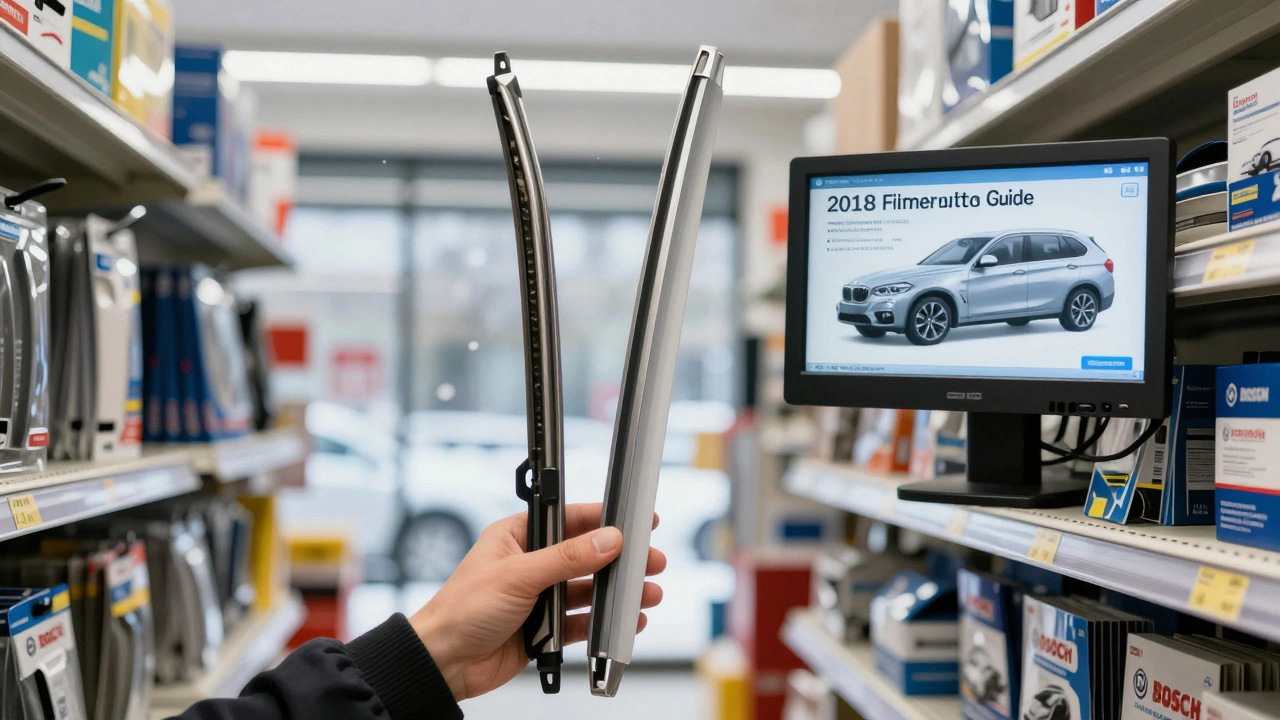
When you’re shopping, look for blades that list your car model explicitly. Reputable brands like Bosch, Michelin, and Rain-X include fitment guides on their packaging. If you’re unsure, take your old blade to the store. Most auto parts shops have a display with common connectors. Hold your old one next to the new one. If they look identical, you’re good.
Don’t rely on “universal fit” blades unless you’re replacing a trailer or older vehicle. They often come with adapters, but those can loosen over time. A direct-fit blade is always safer.
Material and rubber quality make a difference
Not all rubber is the same. Cheap blades use low-grade synthetic rubber that hardens in cold weather and cracks after six months. High-quality blades use natural rubber blends or silicone-treated compounds that stay flexible in freezing temperatures and resist UV damage.
Look for blades advertised as “all-season” or “winter-ready.” Some even have a rubber coating that repels water and reduces smearing. Brands like Bosch Icon and Michelin Stealth are known for durable rubber that lasts 12-18 months. You’ll pay more upfront, but you won’t be replacing them every six months.
Also, avoid blades with exposed metal parts. They rust in damp climates like the UK. A fully enclosed design lasts longer and looks cleaner.
Consider weather conditions in your area
Living in Manchester means you get rain almost every week. You also get cold snaps in winter, and sometimes ice. That’s why standard blades often fail here. You need blades designed for wet, cold, and gritty conditions.
Winter blades have a rubber or plastic boot that covers the frame, stopping ice and snow from jamming the mechanism. They’re thicker and more rigid, so they stay pressed against the glass even when snow builds up. If you’ve ever tried wiping ice off your windscreen with a regular blade, you know how frustrating it is.
Some brands, like Valeo and Trico, make blades specifically for European winters. They’re tested in temperatures down to -30°C. You don’t need Arctic-grade blades for Manchester-but a winter-optimized design will save you headaches.
Don’t ignore the wiper arm condition
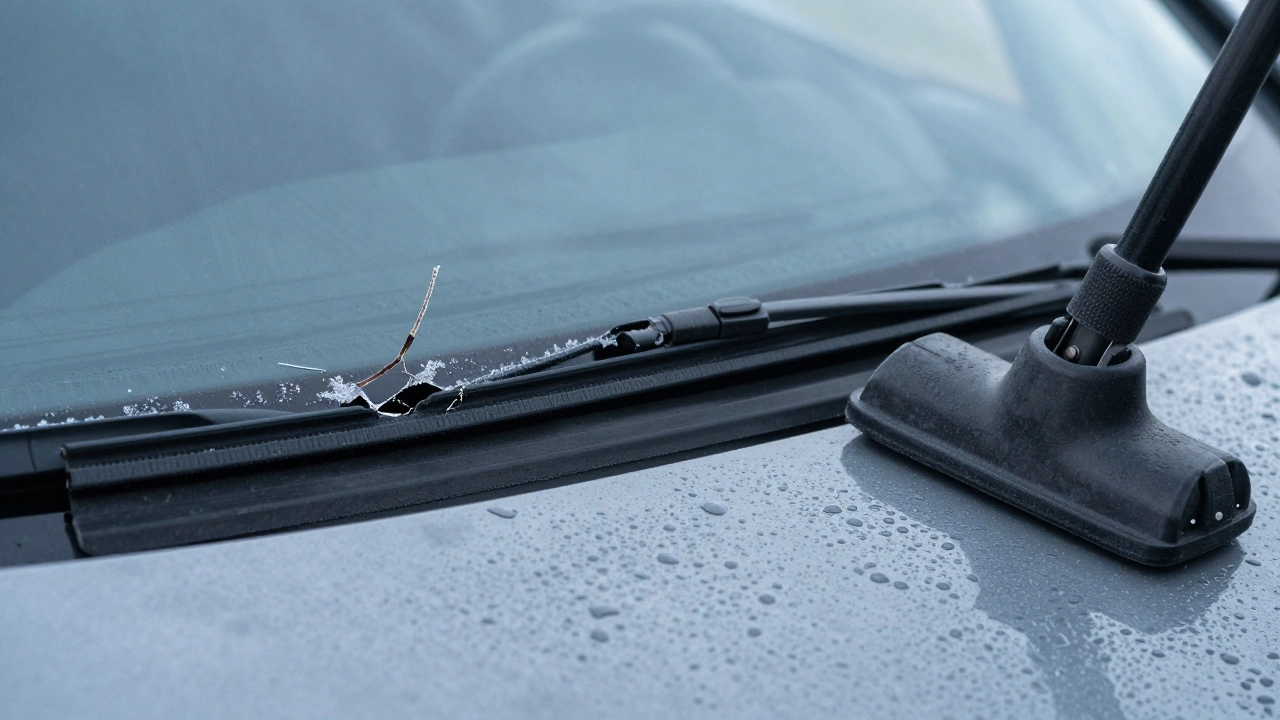
Before you buy new blades, check the wiper arms. Are they bent? Do they feel loose? If the arm doesn’t press evenly across the glass, no blade will work properly. A worn arm can cause streaking even with brand-new rubber.
Try lifting the arm gently. If it springs back too fast or feels loose, it might need replacing. A damaged arm can also scratch your windscreen. Replacing a wiper arm costs £15-£30, but it’s cheaper than replacing a cracked windscreen.
If your blades are new but still smearing, the problem might not be the blade-it’s the arm.
When to replace your wiper blades
Most manufacturers say replace blades every 6-12 months. But that’s a guideline. Real-world use varies.
Replace them when you notice:
- Streaking or smearing even after cleaning the windscreen
- Chattering or skipping during light rain
- Cracks or splits in the rubber edge
- Missing pieces of rubber
- Noise-squeaking or scraping sounds
Don’t wait for the first rainstorm to find out they’re bad. Check them in autumn before the wet season hits. If they’re over a year old, it’s time to think about replacement.
Where to buy wiper blades in the UK
You’ve got options:
- Supermarkets - Tesco, Sainsbury’s, and Asda sell basic blades. Good for emergencies, but limited selection.
- Auto parts chains - Halfords, Kwik Fit, and ATS Euromaster offer branded blades with fitment guarantees. They’ll often install them for free if you buy there.
- Online - Amazon, Autodoc, and eBay have the widest range. Read reviews carefully. Look for buyers who mention UK weather conditions.
For reliability, I stick with Halfords or Autodoc. They let you search by registration number. You get the right size, the right connector, and a warranty if it doesn’t fit.
Final tip: Buy in pairs
Even if one blade looks fine, the other is probably close to failing. Wiper blades wear evenly. Replacing just one side creates uneven wiping. One side clears well, the other smears. It’s distracting and dangerous.
Always replace both blades at the same time. It’s not much more expensive, and it gives you consistent performance. Plus, most packs come as a pair anyway.
Wiper blades are one of the cheapest safety upgrades you can make. A good set costs less than a pint of fuel. But in heavy rain, they’re the difference between seeing the road clearly and guessing where the lane markings are.
Don’t wait until you can’t see. Check your blades now. Replace them before the next big downpour. Your eyes-and your safety-will thank you.
How do I find the right wiper blade size for my car?
Check your owner’s manual first. If you don’t have it, use an online wiper blade finder tool by entering your car’s make, model, and year. Most major retailers like Halfords and Autodoc have these tools. You can also measure the old blades with a tape measure-just pull the arm away from the windscreen and measure from end to end. Write down both the driver and passenger side sizes.
Are expensive wiper blades worth it?
Yes, if you drive in wet or cold weather. Premium blades like Bosch Icon or Michelin Stealth use better rubber and design. They last longer, wipe cleaner, and don’t chatter or freeze up. A £20 set lasts 18 months. A £8 set might need replacing every 6 months. Over time, you save money and stay safer.
Can I use any wiper blade if it’s the right size?
No. Size is only half the battle. The connector must match your wiper arm. There are over a dozen attachment types. A blade that fits in length might not click into place properly. Always check the fitment guide or bring your old blade to compare.
Why do my new wiper blades still streak?
Dirty windscreen or worn wiper arms. Clean the glass with vinegar and water, then check if the arms are bent or loose. If the arm doesn’t press evenly, the blade won’t make full contact. Also, avoid using the wipers on dry glass-it can tear the rubber.
Should I get winter wiper blades in the UK?
If you get frost, ice, or snow, yes. Winter blades have a rubber boot that stops ice buildup and keeps the blade flexible in cold weather. Standard blades can freeze or lift off the glass. In Manchester, winter blades are a smart investment, not a luxury.