Fuel Pump Failure Diagnostic Tool
Select the symptoms you are currently experiencing with your vehicle:
Risk Assessment
Select symptoms above to generate a diagnosis recommendation.
You pull onto the motorway, press down on the accelerator, and instead of surging forward, your car shudders and loses power. It feels like something is choking the engine. You might think it’s a clogged air filter or old spark plugs, but if this happens specifically under load-when you need that extra oomph-it could be a dying fuel pump. This small but critical component is the heart of your vehicle's fuel delivery system, pushing gasoline from the tank to the injectors with precise pressure. When it starts to fail, the symptoms are often subtle at first, then sudden and inconvenient.
Ignoring these early warning signs can leave you stranded on the side of the M6 or stuck in traffic without power. Understanding how your car acts when the fuel pump is going out helps you avoid costly towing fees and prevents further damage to expensive components like the catalytic converter. Let’s break down exactly what to look for, why it happens, and what you should do next.
The Early Warning: Hard Starting and Cranking Issues
One of the most common first signs of a weakening fuel pump is difficulty starting the engine. If your car cranks over normally-the starter motor sounds healthy-but takes several seconds longer than usual to fire up, suspect low fuel pressure. A healthy fuel pump builds pressure instantly when you turn the key (or push the start button). As the pump wears out, it struggles to reach the required psi (pounds per square inch) quickly.
| Symptom | Fuel Pump Issue | Battery/Starter Issue |
|---|---|---|
| Long crank time | Yes, normal crank sound | No, slow/clicking crank |
| Worse when hot | Very Common | Less Common |
| Intermittent | Yes | No, usually consistent |
This issue often gets worse when the engine is hot. Heat expands metal parts and thins the fuel slightly, which can exacerbate leaks or inefficiencies in a worn pump. If you notice your car is fine in the morning but struggles after sitting in the sun for an hour, the fuel pump is a prime suspect. Another clue? The "hot start" problem. Some modern cars have a feature where turning the ignition to 'on' primes the fuel system. Listen closely. Do you hear a faint whirring sound from the rear of the car for two to three seconds? If that sound is fading, higher-pitched, or absent entirely, your pump is likely losing strength.
Sputtering and Hesitation Under Load
If your car starts fine but behaves erratically while driving, especially during acceleration, you’re dealing with a supply-demand mismatch. The fuel pump delivers fuel based on demand. At idle or steady cruising speeds, even a weak pump might manage enough flow. But when you step on the gas to overtake or climb a hill, the engine demands more fuel rapidly. A failing pump cannot keep up, causing a lean condition-too much air, not enough fuel.
This manifests as sputtering, hesitation, or a momentary loss of power. You might feel the car jerk or stumble before recovering once you ease off the accelerator. This isn’t just uncomfortable; it’s dangerous in traffic. Drivers often mistake this for a transmission issue because the sensation feels like the gears are slipping. However, transmissions don’t cause engine hesitation. They shift smoothly (or harshly), but they don’t interrupt combustion. If the engine itself stutters while maintaining gear, look upstream to the fuel or ignition systems.
Whining or Humming Noises from the Fuel Tank
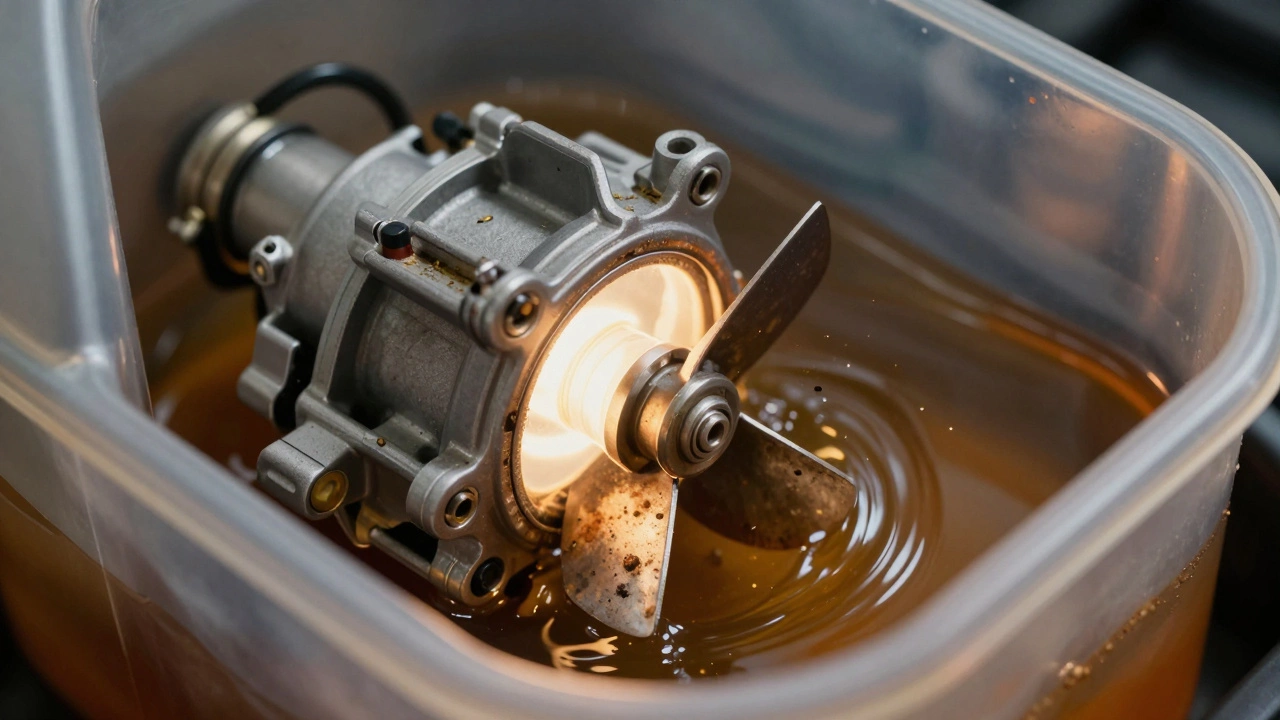
Modern electric fuel pumps are designed to be quiet, submerged in fuel which also helps cool them. However, as bearings wear down or impellers become damaged due to debris or age, they begin to make noise. You’ll hear this as a loud whining, humming, or grinding sound coming from the rear of the vehicle, near the fuel tank. This noise often increases with engine RPMs.
Don’t confuse this with normal engine noise. Engine noise comes from the front or center. Fuel pump noise is distinctly located behind the rear seats. If you’ve recently had your fuel level drop below a quarter tank, the pump may run hotter and louder because there’s less fuel to cool it. Consistently running on empty accelerates wear. If the whining persists even with a full tank, the internal components are likely degrading. This is a clear auditory signal that replacement is imminent.
Surging: Unexplained Speed Fluctuations
While sputtering indicates too little fuel, surging means the opposite: inconsistent fuel delivery. Sometimes the pump sends too much fuel, sometimes too little. This causes the engine speed to fluctuate wildly even when your foot is steady on the accelerator. You might find yourself unexpectedly speeding up or slowing down without touching the pedal. This is particularly alarming on highways.
Surging can also stem from a faulty fuel pressure regulator or a clogged fuel filter, but the pump is often the root cause. Internal valves within the pump assembly may stick open or closed, leading to erratic pressure spikes. Unlike sputtering, which feels like a lack of power, surging feels like the car has a mind of its own. It disrupts cruise control and makes manual driving stressful. If you experience this, check the fuel filter first-it’s cheaper and easier to replace. If the filter is clean and the problem continues, the pump’s internal diaphragm or valve is likely failing.
Stalling at High Speeds or Idle
In advanced stages of failure, the fuel pump stops delivering fuel entirely. This results in the engine stalling. If this happens at idle, it might be confused with an idle air control valve issue. But if your car dies while you’re driving at 40 mph or higher, it’s almost certainly a fuel delivery failure. The engine simply runs out of fuel mid-combustion cycle.
Here’s the tricky part: after stalling, the car might restart immediately. Why? Because residual pressure remains in the lines, or the pump manages a brief burst of fuel before failing again. This intermittent nature makes diagnosis difficult. Many drivers assume it was a one-off glitch. But repeated stalling, especially under load, is a definitive sign of pump death. Never ignore this. Stalling while moving compromises steering assist and brake boost (in vacuum-assisted systems), creating a serious safety hazard.
Check Engine Light and Diagnostic Trouble Codes
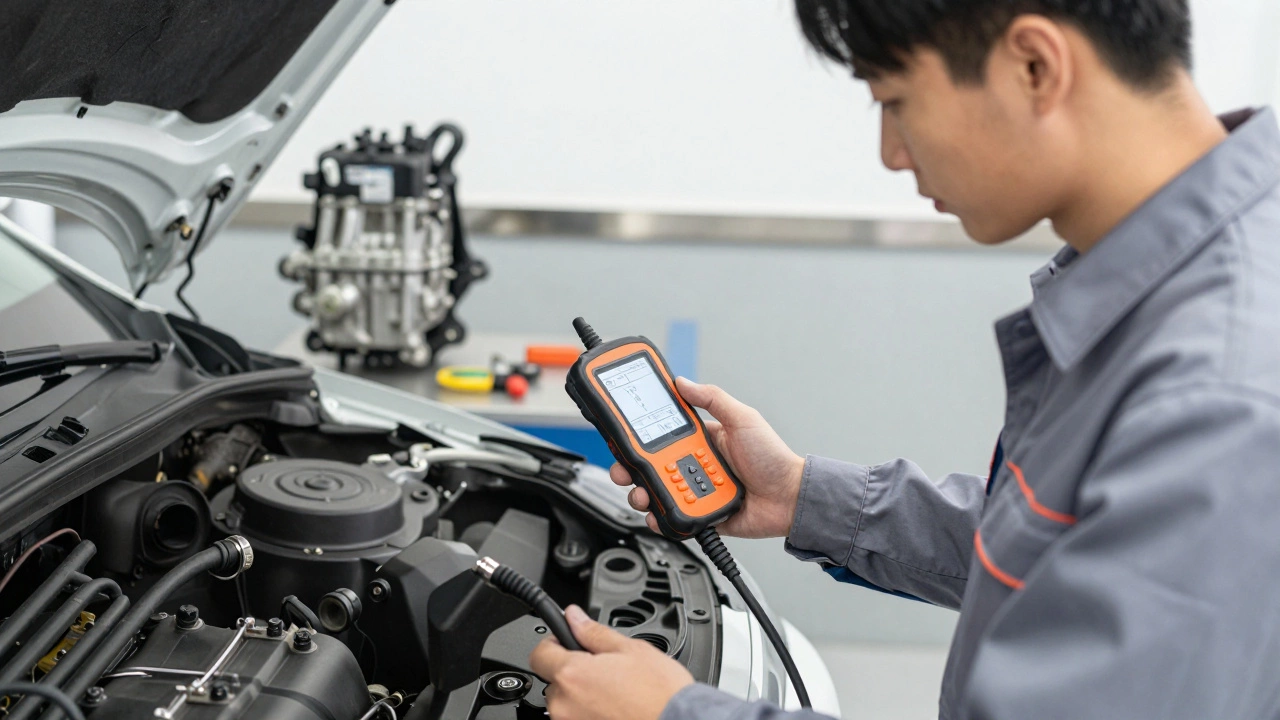
Your car’s computer monitors fuel pressure via sensors. When pressure drops below specified thresholds, it triggers the Check Engine Light (CEL). While the CEL can indicate dozens of issues, specific codes point directly to fuel problems. Look for codes like P0087 (Fuel Rail/System Pressure Too Low) or P0190 (Fuel Rail Pressure Sensor Circuit Malfunction).
These codes don’t always mean the pump is dead-they could indicate a leak, a bad sensor, or a clogged filter. However, combined with physical symptoms like sputtering or hard starting, these codes strongly suggest pump failure. Always scan for codes before replacing parts. Guessing leads to unnecessary expenses. A professional OBD-II scanner provides exact data, helping you distinguish between a weak pump and a simple electrical fault.
Why Fuel Pumps Fail: Age, Heat, and Habits
Fuel pumps aren’t lifetime components. Most last between 80,000 to 150,000 miles, depending on driving conditions and maintenance habits. Several factors accelerate their demise:
- Running on Empty: Fuel cools the pump. Low levels expose the pump to heat and allow sediment from the bottom of the tank to enter the intake, clogging filters and damaging impellers.
- Contaminated Fuel: Water, rust, or debris in the tank abrades internal parts. This is common in older vehicles or those stored for long periods.
- Electrical Issues: Corroded connectors, blown fuses, or faulty relays prevent proper voltage delivery, causing the pump to overheat or operate inefficiently.
- Clogged Filters: A restricted fuel filter forces the pump to work harder, increasing strain and heat buildup.
Preventative maintenance extends pump life significantly. Keep your tank above a quarter full, use quality fuel, and replace the fuel filter according to the manufacturer’s schedule (typically every 30,000-60,000 miles). These small habits save hundreds in repair costs.
Diagnosis and Next Steps
If you suspect your fuel pump is failing, don’t guess. Confirm it. Start by listening for the priming sound when turning the key. Then, check for diagnostic trouble codes. If possible, have a mechanic measure fuel pressure with a gauge. Normal pressure varies by vehicle-usually between 30-65 psi-but any significant drop confirms the issue.
Replacement involves dropping the fuel tank or accessing the pump module through the trunk or rear seat. It’s labor-intensive, so consider doing it yourself only if you have the tools and space. Otherwise, trust a reputable garage. Use OEM (Original Equipment Manufacturer) parts whenever possible. Aftermarket pumps vary widely in quality and lifespan. A cheap pump might save £50 upfront but fail in six months, costing more in labor later.
How long can I drive with a failing fuel pump?
You shouldn’t drive at all if symptoms are severe. Mild sputtering might allow short trips to a mechanic, but stalling or complete loss of power risks leaving you stranded. Immediate attention is recommended.
Can a bad fuel pump damage other parts?
Yes. Running lean (low fuel) causes excessive heat, potentially damaging pistons, valves, and the catalytic converter. These repairs cost far more than a new fuel pump.
Is it safe to jump-start a car with a bad fuel pump?
Jump-starting addresses battery issues, not fuel delivery. If the pump is dead, jump-starting won’t help. The engine will crank but not start unless fuel reaches the cylinders.
What’s the average cost of a fuel pump replacement?
Parts range from £100 to £300. Labor adds another £150-£400 depending on access difficulty. Total costs typically fall between £250 and £700 in the UK.
Should I replace the fuel filter when changing the pump?
Absolutely. A clogged filter contributed to the pump’s failure. Replacing both ensures optimal performance and protects the new pump from premature wear.
Recognizing these signs early saves money and stress. Your fuel pump works silently until it doesn’t. Pay attention to changes in starting behavior, noise, and performance. Address issues promptly, and keep your vehicle running smoothly for years to come.