Fuel Pump Health & Repair Estimator
Vehicle & Symptoms
Diagnosis & Estimate
Enter your details and select symptoms to generate a report.
Based on mileage and reported symptoms.
Recommended Next Steps:
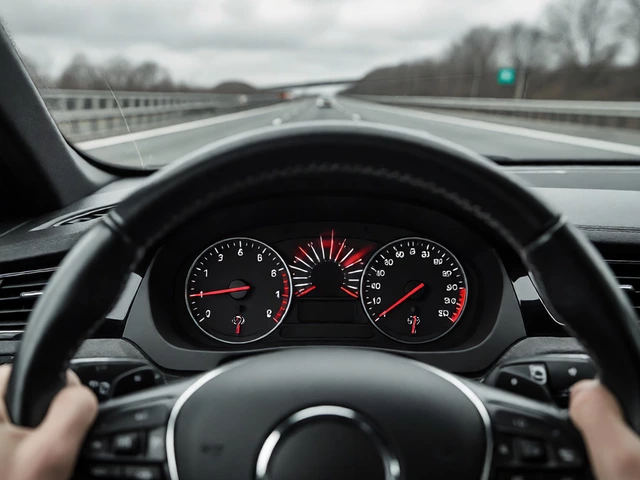
Imagine this: your car starts fine in the morning, but halfway to work, it hesitates on the highway. You tap the gas pedal, and for a second, you wonder if you’re out of gas-only to remember you filled up yesterday. The engine stutters, then recovers. Is your fuel pump failing, or is something else going on? The short answer is yes-a fuel pump can be "bad" and still technically work. But that doesn’t mean you should ignore it.
A failing fuel pump rarely quits cold. More often, it degrades slowly, delivering less pressure or inconsistent flow. Your car might run, but not efficiently. And if you wait too long, that gradual decline turns into a sudden breakdown-usually when you least expect it. So how do you know if your fuel pump is on its way out? What are the early warning signs? And more importantly, what happens if you keep driving with a weak fuel pump?
Quick Summary / Key Takeaways
- A fuel pump can be partially failed and still allow the engine to start and run.
- Common symptoms include hard starting, hesitation under load, whining noises, and poor acceleration.
- Driving with a bad fuel pump risks engine damage, being stranded, and higher repair costs later.
- Fuel pressure testing is the most reliable way to diagnose a failing fuel pump.
- Ignoring early signs often leads to complete failure and potential catalytic converter or engine wear issues.
How Fuel Pumps Work (And Why They Fail Gradually)
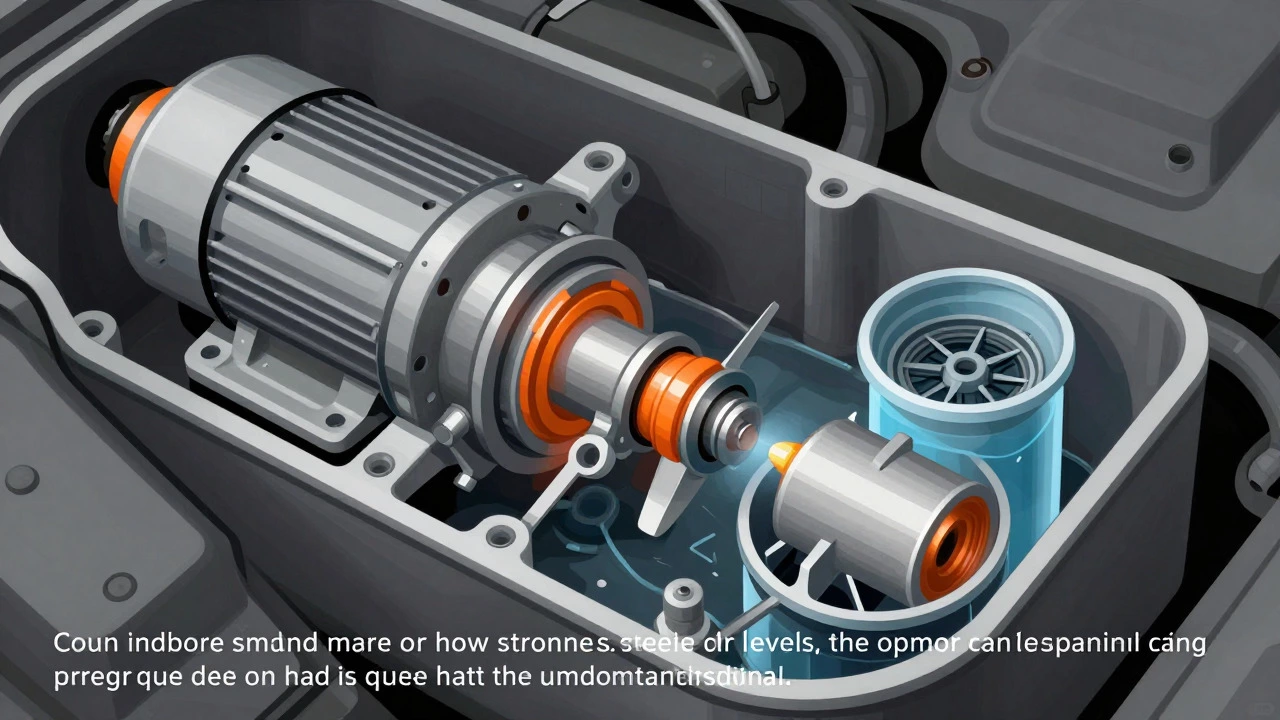
To understand why a fuel pump can be "bad but working," we need to look at how it actually functions. Inside your gas tank sits an electric motor connected to a turbine or impeller. When you turn the key, the pump activates, pushing fuel through lines to the engine’s injectors. Modern cars rely on precise fuel pressure-typically between 30 and 60 PSI, depending on the vehicle-to ensure proper combustion.
Over time, several things can degrade performance:
- Wear and tear: The internal components spin thousands of times per hour. Bearings wear down, seals crack, and efficiency drops.
- Heat exposure: Fuel helps cool the pump. Low fuel levels mean less cooling, leading to overheating and premature failure.
- Contaminants: Dirt, rust, or debris in old tanks can clog filters or scratch internal parts.
- Voltage issues: A weak battery or corroded wiring can cause inconsistent power delivery, stressing the pump.
The result isn’t always immediate death. Instead, the pump may deliver reduced pressure or erratic flow. Your car still runs-but poorly. Think of it like a leaky garden hose. Water still comes out, but not with enough force to water the whole yard. Same idea with fuel.
Symptoms of a Failing Fuel Pump (Even If It’s Still Running)
You don’t need a mechanic to spot trouble. Several telltale signs point to a weakening fuel pump. Here’s what to watch for:
- Hard starting or no-start condition: If the pump struggles to build initial pressure, the engine won’t get enough fuel to ignite. You might crank for longer than usual-or not at all.
- Hesitation or stumbling during acceleration: Under load, the engine demands more fuel. A weak pump can’t keep up, causing momentary loss of power.
- Surging or surging-like behavior: Inconsistent fuel delivery can make the RPMs fluctuate unexpectedly, even at steady throttle.
- Whining or humming noise from the fuel tank: A healthy pump makes a quiet hum. A loud whine suggests worn bearings or air entering the system.
- Poor mileage: If the pump delivers uneven pressure, the engine control unit (ECU) may enrich the mixture to compensate, wasting fuel.
- Engine stalls at idle or high speed: Sudden drops in pressure can cause the engine to cut out completely.
These symptoms overlap with other issues-clogged fuel filters, dirty injectors, mass airflow sensor problems. That’s why diagnosis matters. Jumping straight to replacement without checking basics wastes money.
Why You Shouldn’t Ignore a Weak Fuel Pump
“It’s still running” sounds reasonable until it’s not. Driving with a degraded fuel pump carries real risks:
- Sudden failure: One day it sputters; the next, it dies mid-drive. Stranded on the shoulder? Not ideal.
- Engine damage: Lean conditions (too little fuel) cause overheating, piston scuffing, and valve damage over time.
- Catalytic converter stress: Unburned fuel from rich mixtures can overheat and destroy the cat converter-a $1,000+ fix.
- Secondary failures: Low pressure forces the ECU to adjust timing and fuel maps, accelerating wear on sensors and ignition components.
Prevention beats emergency towing any day. Addressing minor issues early saves hundreds in labor and parts.
How to Diagnose a Suspected Fuel Pump Problem
Before replacing anything, confirm the culprit. Here’s a step-by-step approach:
- Listen for the prime: Turn the key to “on” (not start). You should hear a faint hum from the rear for 2-3 seconds. No sound? Possible electrical issue or dead pump.
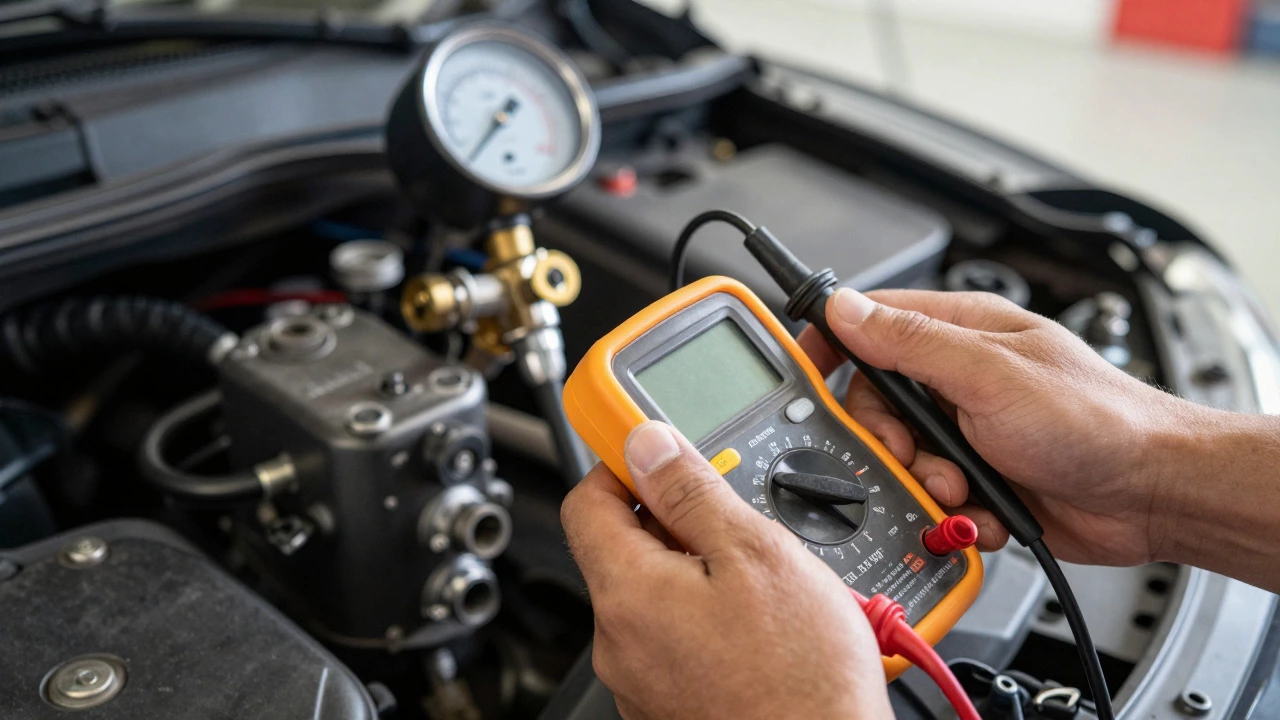
- Check fuel pressure: Use a gauge attached to the Schrader valve on the fuel rail. Compare readings to manufacturer specs (found in service manuals). Below spec? Likely pump or filter problem.
- Test voltage at the pump connector: With a multimeter, verify 12V reaches the pump during cranking. Less than 10V indicates wiring or relay issues.
- Inspect the fuel filter: Clogged filters mimic pump failure. Replace if older than 30,000 miles or visibly dirty.
- Scan for codes: OBD-II scanners reveal lean/rich mixture faults (P0171/P0172), which often trace back to fuel delivery.
If pressure is low despite good voltage and a clean filter, the pump itself is likely failing internally.
| Condition | Healthy Pump | Failing Pump |
|---|---|---|
| Fuel Pressure | Stable within spec (e.g., 45 PSI) | Below spec or fluctuating |
| Noise Level | Quiet hum | Loud whine or grinding |
| Acceleration Response | Smooth, immediate | Hesitant, delayed |
| Starting Time | Normal (1-2 seconds) | Prolonged cranking |
| Mileage Trend | Consistent with history | Gradual drop-off |
When to Replace vs. Repair
Fuel pumps aren’t typically repaired-they’re replaced. Internal wear means rebuilding isn’t cost-effective. However, consider these factors before buying new:
- Age and mileage: Most OEM pumps last 80,000-100,000 miles. Beyond that, proactive replacement makes sense.
- Cost comparison: Aftermarket units range from $50-$150; OEM kits run $150-$300. Labor adds $100-$300 depending on access (under-car vs. in-tank).
- Warranty status: Newer vehicles may still be covered. Check first.
- Related components: Always replace the fuel filter and check the pump relay simultaneously. Cheap fixes now prevent callbacks later.
Pro tip: Buy a pump assembly kit (includes strainer, gaskets, sometimes sender unit). Saves time and ensures compatibility.
Preventing Future Fuel Pump Failures
While you can’t stop aging, you can extend life significantly:
- Keep the tank above quarter full: Prevents heat buildup and reduces sediment intake.
- Use quality fuel: Avoid stations with known contamination issues. Ethanol blends (>10%) can degrade rubber seals over time.
- Replace fuel filters regularly: Follow manufacturer intervals-usually every 30,000-50,000 miles.
- Address electrical issues promptly: Corroded connectors or weak batteries strain the pump circuit.
- Avoid frequent short trips: Cold starts increase wear. Combine errands when possible.
Small habits add up. Treat your fuel system like you would your brakes-preventive care pays off.
Alternatives and Related Components
Sometimes the problem isn’t the pump itself. Consider these alternatives:
- Clogged fuel injector: Mimics low pressure. Clean or replace affected injectors.
- Faulty fuel pressure regulator: Causes overflow or restriction. Test by disconnecting vacuum line-if fuel sprays, regulator is bad.
- Bad mass airflow (MAF) sensor: Sends incorrect data to ECU, altering fuel trim. Clean with MAF-specific spray.
- Weak battery or alternator: Insufficient voltage affects pump operation. Load-test both.
Diagnosis saves money. Don’t assume the pump is guilty without evidence.
Can a fuel pump fail suddenly while driving?
Yes. While many pumps degrade gradually, internal mechanical failure can happen instantly. Electrical shorts, bearing seizure, or impeller breakage cause abrupt stoppage. Always carry a jump starter and roadside assistance info.
How much does it cost to replace a fuel pump?
Parts range from $50-$300 depending on brand and vehicle type. Labor averages $100-$300. Total job typically falls between $150-$600. Luxury brands or difficult access points push costs higher.
Will a bad fuel pump trigger a check engine light?
Often yes. Codes like P0087 (fuel rail pressure too low) or P0171 (system too lean) commonly appear. However, some early-stage failures don’t set codes immediately-rely on symptoms too.
Can I drive with a weak fuel pump?
Technically yes, but risky. Short distances to a shop are okay. Long drives or highway use increase stall risk. Monitor closely and avoid heavy loads or steep grades.
Do fuel pumps last forever?
No. Like all moving parts, they wear out. Average lifespan is 80,000-100,000 miles, though some exceed 150,000 with careful maintenance. Heat, contamination, and electrical stress shorten life.
Should I replace the fuel filter when changing the pump?
Absolutely. A clogged filter restricts flow just like a weak pump. Replacing both ensures optimal performance and prevents premature new pump failure due to restricted inlet.
What causes a fuel pump to whine loudly?
Loud whining usually means cavitation (air bubbles forming due to low fuel level or clogged filter) or bearing wear. Check fuel level first, then inspect filter and pump mounting.
Is it safe to tow a car with a failed fuel pump?
Only if using flatbed towing. Towing with wheels on ground damages transmission and drivetrain in front-wheel-drive vehicles. Rear-wheel-drive cars may tolerate short distances, but caution advised.