Alloy vs Steel Wheel Cost Calculator
Enter Your Details
Enter your details to see the cost comparison
Compare total investment in alloy wheels vs standard steel wheels
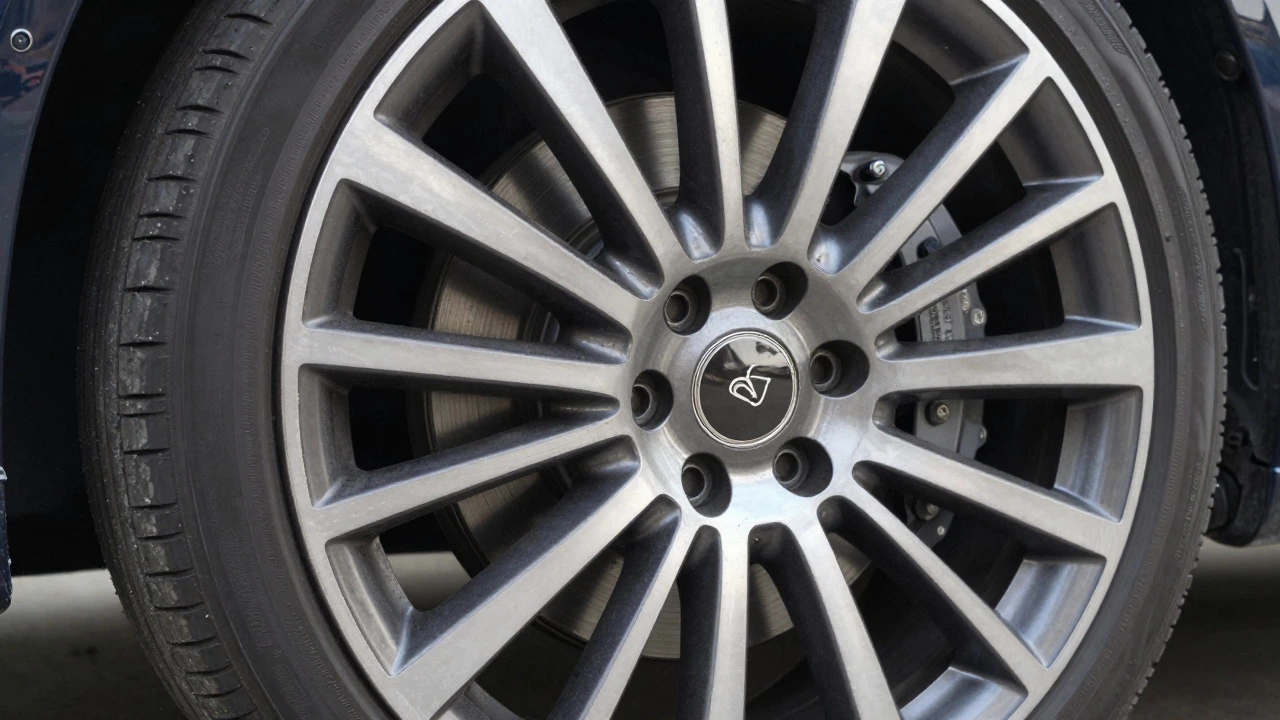
You look at your car’s standard steel wheels. They’re functional, durable, and frankly, a bit boring. Then you glance at the showroom model with its sleek, multi-spoke alloy wheels are lightweight automotive rims made from aluminum or magnesium alloys designed to improve performance and aesthetics. The visual upgrade is immediate. But then you see the price tag on a set of aftermarket alloys, and that excitement hits a wall. Is spending hundreds-or even thousands-of pounds on new wheels actually worth it?
The short answer is: it depends entirely on what you value more-looks, performance, or keeping cash in your pocket. There is no universal "yes" because alloy wheels come with trade-offs. To decide if they are right for your vehicle, we need to strip away the marketing hype and look at the physics, the costs, and the real-world driving experience.
The Weight Game: Why Lighter Matters
The biggest technical argument for switching from steel wheels are heavy, durable iron-based rims typically used as original equipment on economy vehicles. to alloys is weight. Steel is dense. An average steel wheel can weigh between 15kg and 20kg (33-44 lbs). A comparable alloy wheel might weigh only 9kg to 12kg (20-26 lbs).
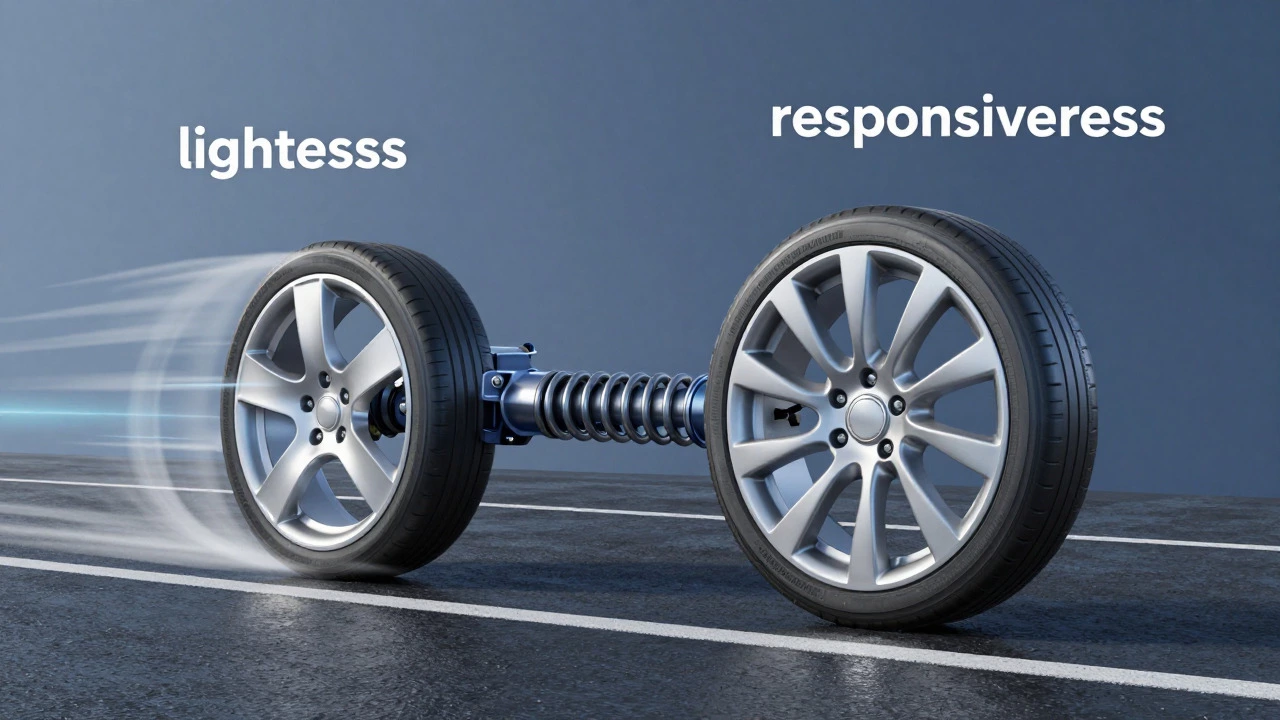
This difference matters because of something called unsprung mass. This refers to parts of the car not supported by the suspension-like wheels, tires, and brakes. When you reduce unsprung mass, the suspension can react faster to bumps. The result? Better handling, sharper steering response, and slightly improved ride comfort over rough roads.
- Acceleration: Less rotational mass means the engine has less inertia to overcome. You’ll notice quicker pick-up off the line.
- Braking: Lighter wheels mean less kinetic energy to dissipate when stopping. Your brakes last longer and stop distances can marginally decrease.
- Fuel Economy: While the effect is small, reducing rotating weight does lower fuel consumption. Expect a modest improvement, perhaps 1-2% better MPG, but don’t expect miracles.
If you drive a sporty car or use your vehicle for spirited driving, this weight reduction justifies the cost. If you commute slowly through city traffic, you likely won’t feel the difference behind the wheel.
Aesthetics: The Visual Upgrade
Let’s be honest. For most people, the primary reason to buy alloy wheels is how they look. Steel wheels are usually covered by cheap plastic hubcaps that crack, fade, and fall off after a few winters. Alloys offer a finished, polished appearance that transforms the stance of a car.
Modern casting techniques allow for intricate designs-five-spoke, mesh, split-five-that give a vehicle a premium feel. Even an older, budget-friendly car can look significantly newer and more expensive with a good set of alloys. This aesthetic boost isn’t just vanity; it can also increase resale value. Buyers often prefer cars with stylish wheels, viewing them as a sign of care and customization.
However, style comes at a premium. Complex designs require more material and precise manufacturing, driving up the price. A simple five-spoke alloy is cheaper than a complex turbine-style design. Choose wisely based on your budget and taste.
Durability and Repair: The Hidden Costs
Here is where the story gets complicated. Steel is tough. It bends rather than breaks. If you hit a massive pothole at speed, a steel wheel might bend out of shape, but it rarely shatters. You can often straighten it back into place at a workshop for a reasonable fee.
Alloys are harder but more brittle. Under severe impact, an alloy wheel can crack or fracture. Once cracked, the wheel is usually unsafe and must be replaced entirely. Repairing a bent alloy rim is possible, but it’s labor-intensive and costly. In many cases, repairing a damaged alloy costs nearly half the price of a new one.
| Feature | Steel Wheels | Alloy Wheels |
|---|---|---|
| Weight | Heavy (High unsprung mass) | Light (Low unsprung mass) |
| Cost | Low (£20-£50 per wheel) | High (£80-£300+ per wheel) |
| Durability | Bends under impact, repairable | Cracks under impact, often replace-only |
| Heat Dissipation | Poor (Insulates heat) | Excellent (Conducts heat away from brakes) |
| Rust Resistance | Prone to rust if paint chips | Naturally corrosion-resistant |
Living in the UK, where winter road salt is common, rust is a concern. Steel wheels will rust if the protective coating is scratched. Alloys are naturally resistant to corrosion, though they can suffer from oxidation (a white powdery substance) if poorly sealed. Regular cleaning keeps alloys looking new for years.
Performance Benefits Beyond Weight
Aside from being lighter, alloys conduct heat much better than steel. Brakes generate immense friction and heat during hard stops. Steel wheels trap this heat, which can lead to brake fade-a dangerous loss of braking power in repeated heavy use.
Alloy wheels act as heat sinks, pulling thermal energy away from the brake discs and calipers. This improves braking consistency, especially important if you drive in hilly areas like the Pennines or do occasional track days. For everyday commuting, this benefit is negligible, but for performance enthusiasts, it’s a critical safety feature.
The Financial Reality Check
So, are they worth the money? Let’s break down the economics. A set of four decent-quality alloy wheels can cost anywhere from £400 to £1,200+, depending on size and brand. Add fitting and balancing costs (£20-£40 per wheel), and the total investment rises quickly.
Compare this to steel wheels, which might cost £100-£200 for a set. The gap is significant. If your goal is purely practical transportation, steel wheels are the smarter financial choice. They are cheap to replace and easy to find.
However, consider the lifecycle cost. If you keep your car for five years or more, the aesthetic appeal and potential resale value boost of alloys might offset the initial expense. Conversely, if you plan to sell the car soon, investing heavily in custom wheels may not yield a full return on investment.

When Should You Stick with Steel?
Not everyone needs alloys. Stick with steel wheels if:
- You live in an area with terrible road conditions (deep potholes, gravel roads).
- Your budget is tight, and every pound counts toward other essential maintenance.
- You prioritize maximum durability and ease of repair over looks.
- You drive a work van or utility vehicle where function strictly outweighs form.
When Are Alloys Worth It?
Invest in alloy wheels if:
- You enjoy driving and want better handling and responsiveness.
- You care about the visual appearance of your car.
- You drive in warmer climates or perform spirited driving where brake cooling matters.
- You want to increase your car’s resale appeal.
Maintenance Tips for Alloy Owners
If you decide to make the switch, proper maintenance is key to protecting your investment. Brake dust contains metallic particles that can bond to the alloy surface, causing etching over time. Clean your wheels regularly with a pH-neutral cleaner. Avoid harsh acidic cleaners unless necessary, as they can damage clear coats. Apply a ceramic sealant annually to create a barrier against dirt and brake dust, making future cleaning easier.
Do alloy wheels really improve fuel economy?
Yes, but the improvement is marginal. By reducing unsprung weight, the engine works less to rotate the wheels. Most drivers see a 1-2% increase in fuel efficiency. It is noticeable on long motorway journeys but insignificant in stop-start city traffic.
Can I repair a cracked alloy wheel?
Minor cracks can sometimes be welded and machined back to shape by specialists. However, structural integrity is always a concern. For safety reasons, most experts recommend replacing cracked alloys rather than repairing them, especially if the crack is near the center bore or valve stem.
Are alloy wheels safer than steel wheels?
In normal driving, both are equally safe. In extreme impacts, steel wheels tend to deform gradually, while alloys may fail suddenly. However, modern alloys are engineered to meet strict safety standards. The better braking and handling provided by alloys generally contribute to overall safety by improving control.
How much does it cost to fit alloy wheels?
Fitting costs vary by garage. Typically, you pay £10-£20 per wheel for mounting and balancing. Some retailers include fitting in the purchase price. Ensure the shop uses a computerized balancer to prevent vibration issues at high speeds.
Will alloy wheels void my car warranty?
Generally, no. Installing aftermarket wheels does not void your manufacturer’s warranty unless the wheels directly cause damage to other components (e.g., incorrect offset damaging suspension arms). Always ensure the wheels match your car’s bolt pattern, offset, and load rating.