Suspension Repair Cost Estimator
Select Symptoms
Check all that apply to your vehicleSafety Risk Level
No symptoms selected. Select symptoms to assess risk.
Estimated Repair Breakdown
| Component | Status | Estimated Cost (UK) |
|---|---|---|
| Total Estimated Range | - | |
Imagine hitting a pothole and feeling your steering wheel jerk violently out of your hands. Or maybe you notice your car diving sharply when you brake, or swaying like a ship in rough seas during lane changes. These aren't just annoying quirks; they are loud warnings from your vehicle’s suspension system, which is the network of springs, shock absorbers, and linkages that connects the wheels to the chassis. Ignoring these signs might save you a trip to the mechanic today, but it could cost you dearly-and dangerously-tomorrow.
Driving with bad suspension isn't just about comfort. It compromises tire wear, braking distance, steering control, and even the structural integrity of your car. In this guide, we’ll break down exactly what happens under the hood (and under the wheels) when you ignore those clunks and rattles, how much it actually costs to fix, and why waiting too long turns a simple repair into a major expense.
The Immediate Impact: How Your Ride Changes
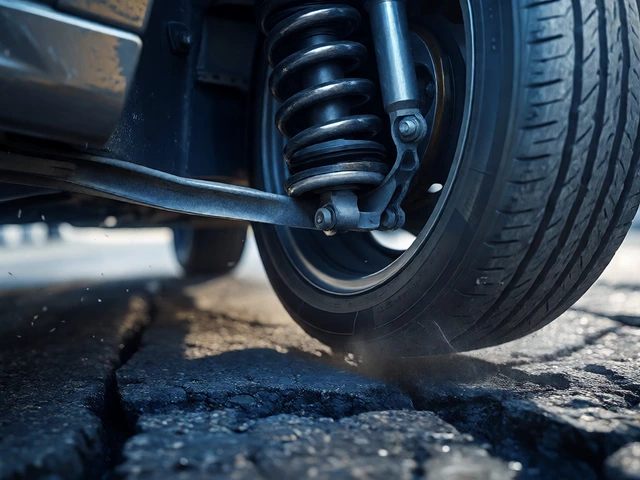
When shock absorbers are dampers that control the speed of spring motion to keep tires in contact with the road or struts are structural components that combine a shock absorber and a coil spring into one assembly begin to fail, the first thing you notice is usually the ride quality. The car feels harsher, transmitting every bump directly into the cabin. But beyond discomfort, two critical things happen immediately:
- Reduced Tire Contact: Worn shocks allow the wheels to bounce excessively after hitting a bump. This means less time with the tire firmly planted on the asphalt. Less contact equals less grip.
- Increased Stopping Distance: Because the body rolls more during braking, weight transfer becomes uncontrolled. Studies by the National Highway Traffic Safety Administration (NHTSA) have shown that vehicles with severely worn suspension can increase stopping distances by up to 15-20% compared to cars with healthy systems.
You might not feel the extra meters needed to stop until you’re in an emergency situation. That split-second delay can be the difference between a close call and a collision.
Accelerated Wear on Other Components
Your suspension doesn’t work in isolation. It’s part of a delicate ecosystem involving tires, brakes, and alignment. When one part fails, others take the hit. Here’s what gets damaged if you keep driving:
| Component | How It Gets Damaged | Estimated Replacement Cost (UK) |
|---|---|---|
| Tires | Uneven wear patterns (cupping or scalloping) due to bouncing | £80-£150 per tire |
| Brake Pads & Rotors | Extra stress from poor weight distribution leads to faster wear | £60-£120 per axle |
| Wheel Bearings | Excessive movement places lateral forces on bearings | £100-£250 per wheel |
| Steering Rack | Vibrations and misalignment strain internal gears | £300-£600+ |
Cupped tires are a classic sign. Instead of wearing evenly across the tread, you’ll see dips or scallops around the circumference. This happens because the tire bounces instead of rolling smoothly. Replacing tires early due to suspension issues is a common hidden cost many drivers overlook.
Safety Risks Beyond Braking
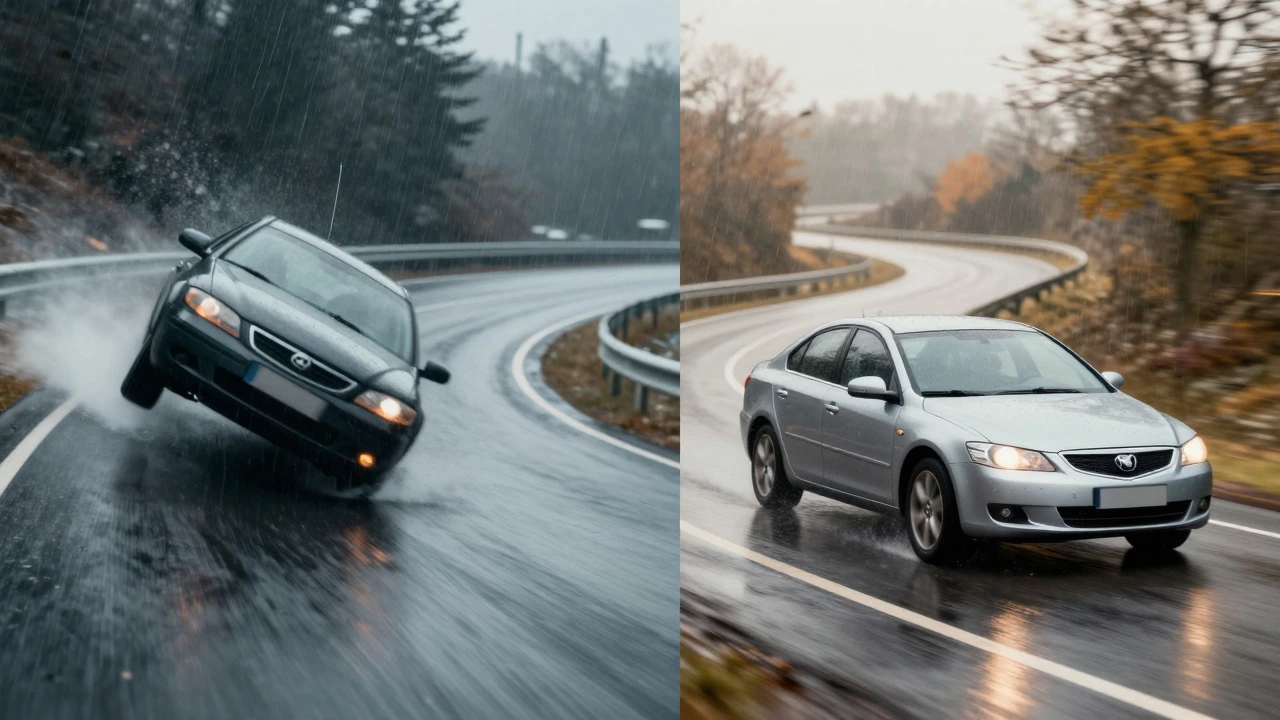
Let’s talk about cornering. When you turn a corner, centrifugal force pushes the car outward. A healthy suspension uses sway bars and stiff dampers to resist this roll. With bad suspension, the body leans excessively. This increases the risk of rollover, especially in SUVs or taller vehicles.
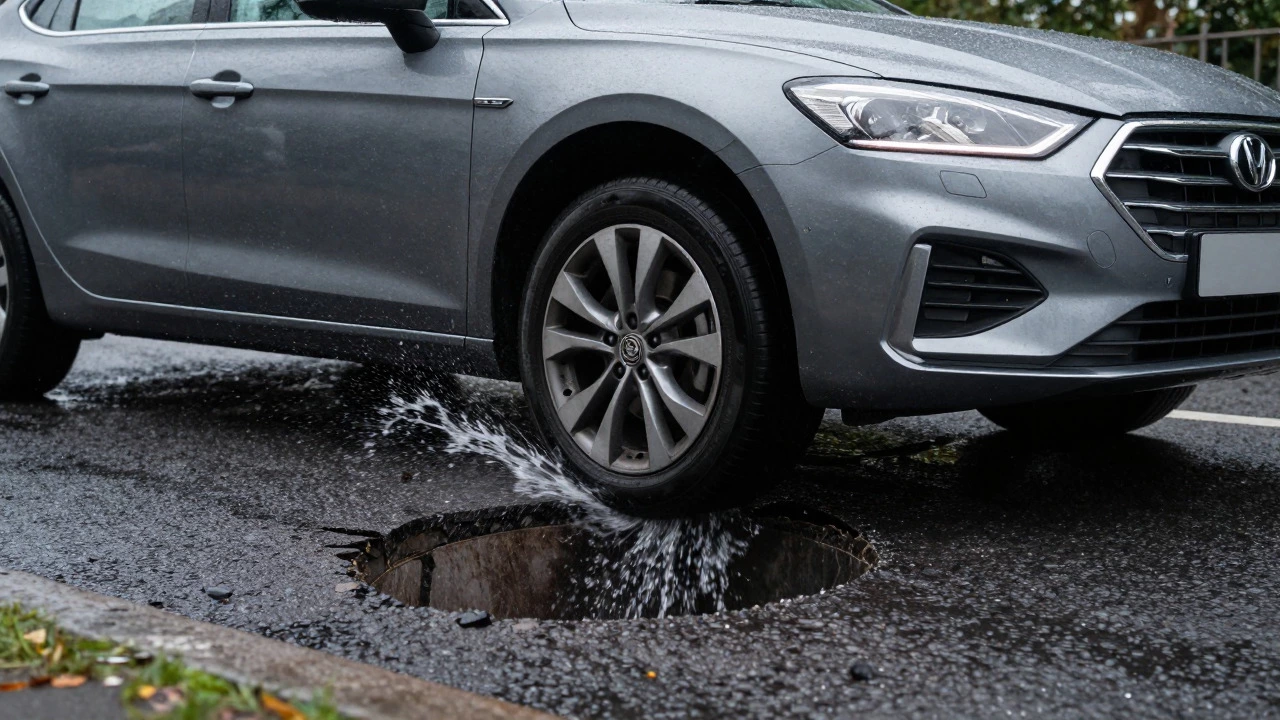
Also consider wet roads. Water displacement relies on consistent tire pressure against the pavement. If your wheels are hopping over ripples in the road, hydroplaning becomes far more likely. Even a minor loss of traction at high speeds can lead to a spin-out.
In Manchester, where rain is frequent and roads often have uneven surfaces due to weathering, these risks are amplified. Drivers who neglect suspension maintenance here face higher probabilities of accidents during typical daily commutes.
How Much Does It Actually Cost to Fix?
Many people delay repairs hoping the problem will go away. Spoiler alert: it won’t. And the longer you wait, the more expensive it gets. Let’s look at realistic UK pricing for common suspension fixes as of mid-2026.
- Replacing Shock Absorbers: £150-£400 depending on whether it’s front or rear, and if labor is included.
- Strut Assembly Replacement: £200-£500 per side, including spring compressors and new mounts.
- Control Arm Bushings: £80-£200 per arm, plus labor.
- Full Alignment After Repair: £40-£80, essential after any suspension work.
If you catch the issue early-say, a leaking shock-you might spend under £300 total. Wait six months, and you could be looking at replacing tires, brake pads, and wheel bearings alongside the shocks, pushing the bill past £1,000.
Signs You Should Check Your Suspension Now
Don’t wait for a breakdown. Look for these red flags:
- Nose Diving: Front end dips noticeably when braking.
- Rear Squatting: Back end sinks when accelerating.
- Excessive Body Roll: Car leans heavily in turns.
- Clunking Noises: Heard over bumps or when turning slowly.
- Pulling to One Side: Steering feels off-center even after alignment.
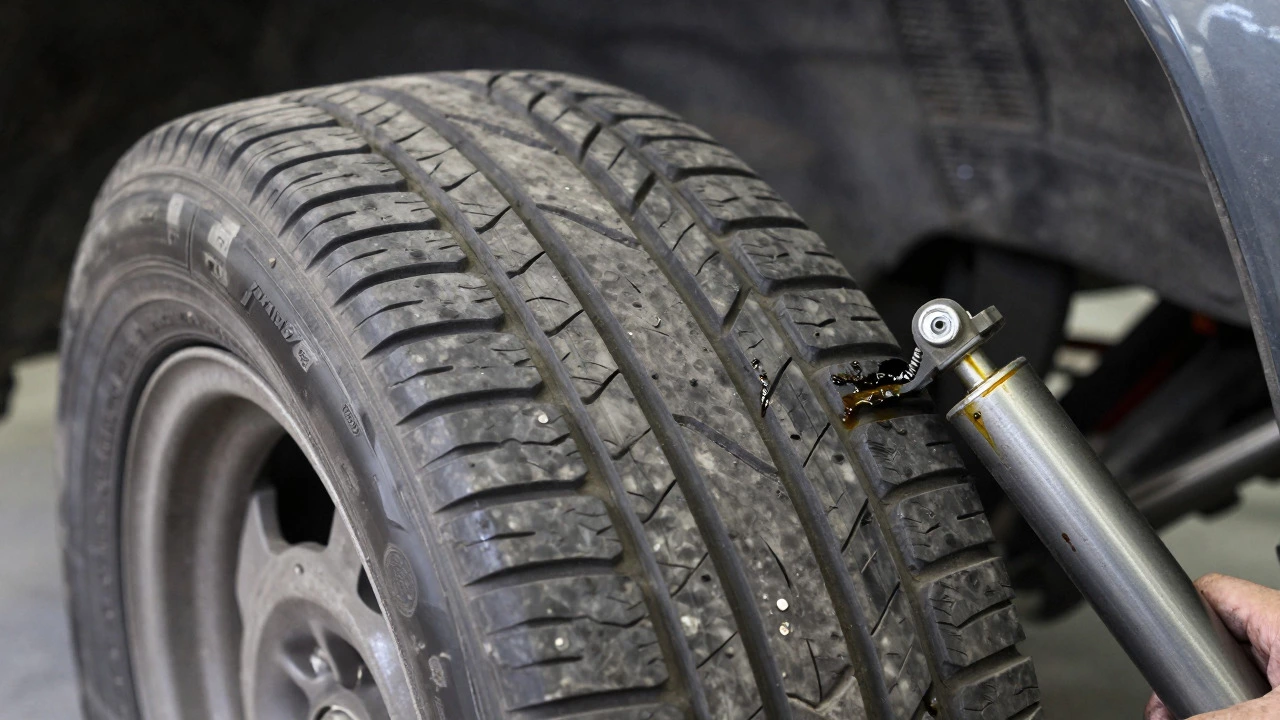
- Visible Oil Leaks: Shocks should never have wet spots near the piston rod.
If you experience three or more of these, schedule an inspection within the week. Mechanics in Manchester typically offer free visual checks if you commit to the repair.
DIY vs Professional Repair: What’s Worth Doing Yourself?
Some tasks are manageable for confident DIYers. Replacing bushings or inspecting for leaks requires basic tools and a jack stand. However, working with coil springs demands specialized equipment like spring compressors. Mishandling them can cause serious injury.
For most drivers, professional service is safer and more cost-effective in the long run. Technicians use diagnostic machines to measure damping performance and ensure proper torque specs. Plus, they’ll spot secondary damage you might miss.
Maintenance Tips to Extend Suspension Life
Prevention beats cure. Follow these habits to avoid premature failure:
- Avoid speeding over speed bumps-they’re designed for slow passage.
- Keep tires properly inflated; low pressure stresses suspension joints.
- Get alignments done annually or after hitting large curbs.
- Inspect for fluid leaks every oil change.
- Replace parts in pairs (left/right) to maintain balance.
In regions with harsh winters like northern England, salt accelerates corrosion on ball joints and tie rods. Rinsing the undercarriage monthly during winter months can add years to component life.
Can I drive safely with slightly worn shocks?
If the wear is minimal and no noise or instability is present, short trips may be safe. However, 'slightly worn' is subjective. Any visible oil leakage or reduced damping efficiency means you're already losing optimal control. For peace of mind, get a professional assessment before continuing regular driving.
How long do shock absorbers last on average?
Typically between 50,000 to 100,000 miles, depending on driving conditions. Urban drivers facing potholes and stop-and-go traffic may need replacements sooner. High-performance or off-road use also shortens lifespan significantly.
Does bad suspension affect fuel economy?
Yes, indirectly. Poor handling causes erratic steering corrections and inefficient acceleration/braking cycles. Additionally, uneven tire wear reduces rolling resistance efficiency. While not dramatic, expect a 2-5% drop in MPG if suspension issues are severe.
Should I replace all four shocks at once?
It's recommended to replace them in axles (both front or both rear). Mixing old and new shocks creates imbalance in handling characteristics. Full set replacement is ideal if budget allows, ensuring uniform performance across all corners.
What’s the cheapest way to fix suspension problems?
Address the root cause early. Replace only failed components rather than upgrading unnecessarily. Use OEM-quality aftermarket parts instead of premium brands unless required for performance needs. Always include alignment post-repair to prevent rapid re-wear.
Will MOT fail if suspension is bad?
Yes, definitely. The UK MOT test includes checks for excessive wear on suspension arms, bushes, and ball joints. Leaking shocks that impair function will result in an immediate fail. Fixing pre-MOT saves money and avoids invalid insurance claims.
Can bad suspension damage the engine?
Not directly, but indirectly yes. Severe vibration can loosen engine mounts over time, leading to increased stress on drivetrain components. Also, poor stability affects transmission shifting behavior in automatic vehicles, potentially causing premature wear.
Is it better to repair or replace entire subframe?
Only replace if cracked or bent beyond repair. Most subframes suffer from worn bushings, which are inexpensive to swap. Full subframe replacement is rare and costly (£500+), usually reserved for accident-damaged vehicles.