Clutch Lifespan Estimator
How Do Your Habits Affect Your Clutch?
Input your driving conditions to estimate clutch lifespan (based on real-world data)
Enter your details above to see your estimated clutch lifespan.
Most drivers don’t think about their clutch until it starts acting up. Then suddenly, the car won’t go into gear, the pedal feels spongy, or you’re revving the engine but barely moving. That’s when you realize: clutch life matters. But how long should it actually last? The short answer? Between 60,000 and 100,000 miles. But that number means nothing if you don’t know what’s really going on under the hood.
What Actually Wears Out in a Clutch?
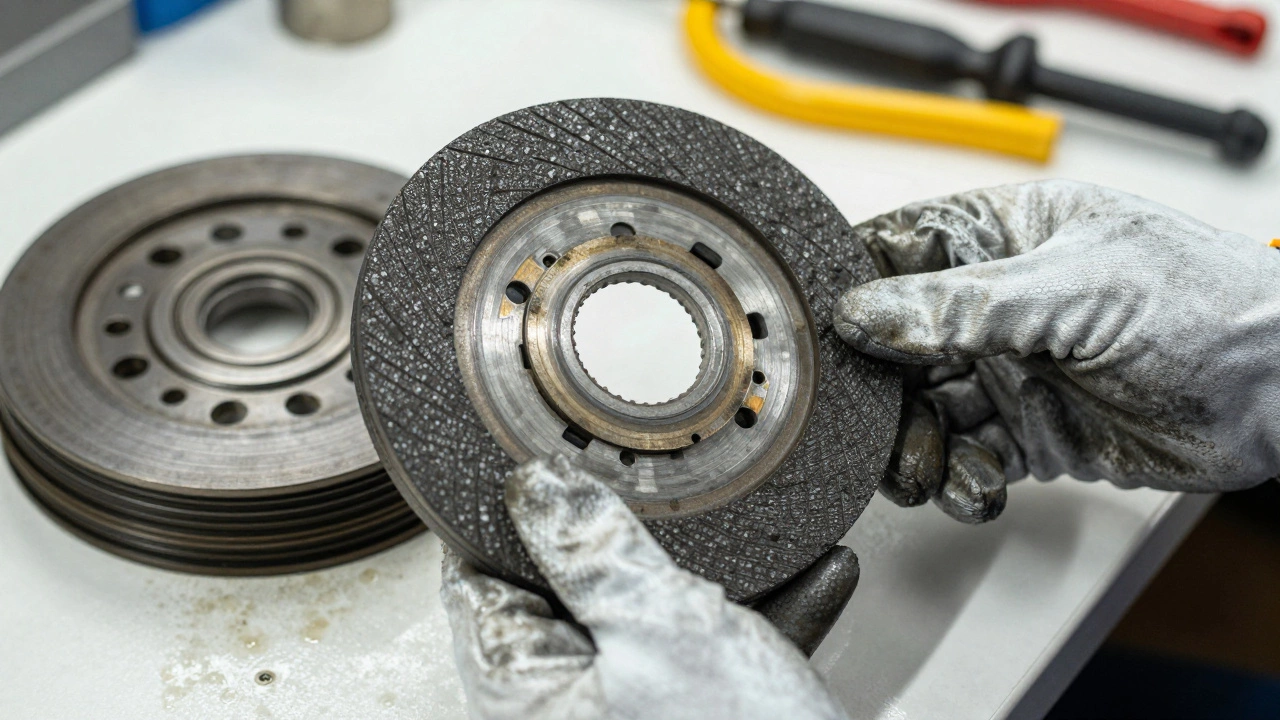
A clutch isn’t one part-it’s a system. The friction material on the clutch disc wears down over time, just like brake pads. The pressure plate springs weaken. The release bearing gets noisy. The flywheel can get scored or warped. All of these parts work together to connect the engine to the transmission. When one fails, the whole system suffers.
Most clutches are designed for everyday driving. That means stop-and-go traffic, light towing, and normal highway use. If you’re hauling heavy loads every day, riding the clutch at traffic lights, or doing aggressive launches, you’re cutting that lifespan in half. Some people get 150,000 miles out of a clutch. Others see failure at 30,000. The difference isn’t luck-it’s driving habits.
Driving Habits That Kill Clutches Fast
Let’s be honest: most drivers don’t treat their clutch with respect. Here are the top habits that destroy clutches before their time:
- Resting your foot on the clutch pedal while driving-even a little pressure wears out the release bearing.
- “Creeping” in traffic by holding the clutch partially engaged instead of using the brake.
- Launching hard from a stop, especially in higher gears or with a loaded vehicle.
- Downshifting aggressively without rev-matching, which slams the clutch into high RPMs.
- Driving with a worn clutch for months after it starts slipping, letting it degrade further.
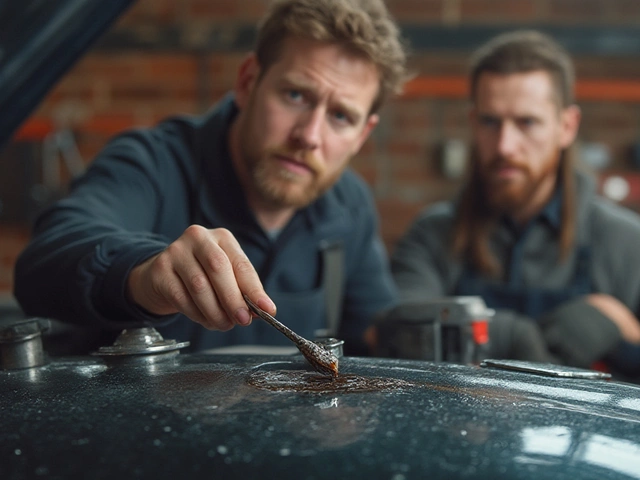
One mechanic in Manchester told me about a customer who drove a 2018 Ford Focus for eight years. He never revved past 3,000 RPM, always came to a full stop before shifting, and never used the clutch to hold the car on hills. His original clutch hit 142,000 miles with no issues. The guy next to him-same car, same year-replaced his clutch at 48,000 miles because he used it like a brake.
Signs Your Clutch Is Wearing Out
You don’t need to wait for total failure to know something’s wrong. Here are the real-world signs your clutch is nearing the end:
- Slipping: The engine revs up but the car doesn’t accelerate. You notice it most when climbing hills or pulling away from a stop.
- Soft or spongy pedal: The clutch feels different-easier to press, or you have to push it closer to the floor to engage.
- Grinding noises: You hear a grinding or rattling when shifting, especially when the clutch is engaged.
- Unusual smells: A burning odor, like overheated brakes or hot plastic, means the friction material is overheating and breaking down.
- Hard shifting: Gears feel stiff or refuse to go in, even when the pedal is fully pressed.
These aren’t vague symptoms. They’re physical signs of wear. If you notice one or two, get it checked. If you’re seeing three or more, you’re already in danger of stranding yourself.
Does Clutch Type Matter?
Not all clutches are made the same. Stock clutches in everyday cars like a Honda Civic or Toyota Corolla are designed for smooth, low-stress use. They’re not built for performance. If you upgrade your engine or drive aggressively, you’ll need a stronger clutch kit.
Performance clutches-like those from Exedy, ACT, or LUK-use tougher materials like ceramic, Kevlar, or multi-plate designs. They handle more heat and torque. But they’re also stiffer, noisier, and harder to drive in city traffic. Most people don’t need them. Installing one in a daily driver just makes commuting miserable.
On the flip side, cheap aftermarket clutches from unknown brands often use low-grade friction material. They might save you £100 upfront, but they’ll wear out in 20,000 miles. Stick with OEM-equivalent brands like Valeo, Sachs, or LUK. They’re not the cheapest, but they’re the most reliable.

How Climate and Road Conditions Affect Clutch Life
It’s not just how you drive-it’s where you drive. In places like Manchester, with frequent rain, fog, and stop-start traffic, clutches work harder. Moisture can cause the clutch disc to glaze over, reducing grip. Constant braking and re-accelerating in traffic heats up the clutch faster than highway cruising.
Drivers in rural areas with long, open roads and minimal traffic often see longer clutch life. One owner of a 2017 Volkswagen Golf told me his clutch lasted 137,000 miles because he mostly drove on A-roads and motorways. His wife, who used the same car for school runs and shopping trips, replaced her clutch at 72,000 miles.
Winter conditions matter too. If you’re driving in snow or ice and spinning your wheels repeatedly, you’re putting extra strain on the clutch. Same with towing-pulling a caravan or trailer increases load dramatically. A clutch rated for 80,000 miles in a sedan might only last 45,000 miles when used for towing.
What Happens When You Wait Too Long?
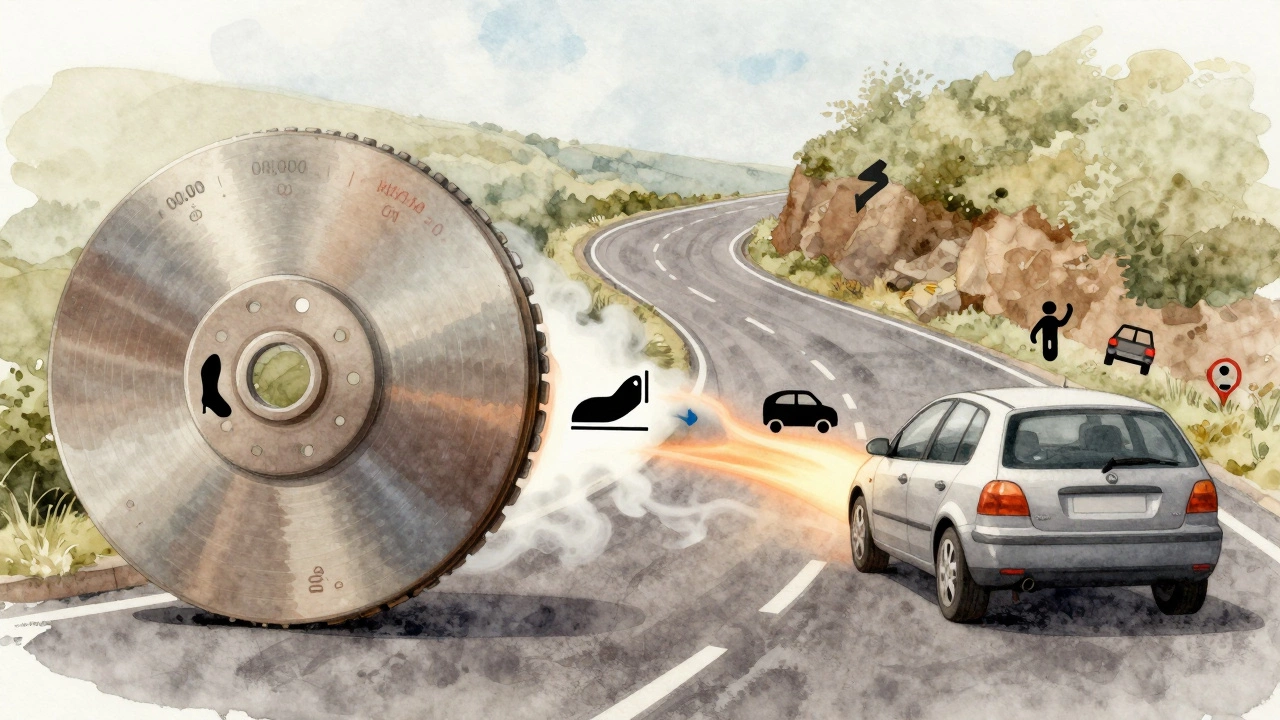
Ignoring a slipping clutch doesn’t just make driving annoying-it’s dangerous. If the clutch fails completely while you’re on a highway, you lose engine power to the wheels. You can still brake and steer, but you can’t accelerate. That’s a serious risk in fast-moving traffic.
And waiting too long can damage other parts. A worn clutch disc can score the flywheel. A damaged flywheel means you can’t just replace the clutch-you need a new flywheel too. That adds £300-£500 to the bill. The release bearing, pressure plate, and even the transmission input shaft can suffer if the clutch is left to fail.
One garage in Salford told me about a customer who waited until his clutch stopped working entirely. By the time he brought it in, the flywheel was cracked, the input shaft was worn, and the transmission had metal shavings inside. Repair cost: £1,800. A timely clutch replacement would’ve been £650.
How to Extend Your Clutch’s Life
It’s not magic. It’s simple habits:
- Never rest your foot on the clutch pedal.
- Use the brake, not the clutch, to hold the car on hills.
- Shift smoothly-no jerking or rushing.
- Don’t rev the engine high in low gears.
- Get your clutch checked if you notice any of the warning signs.
- Replace the clutch kit before it fails completely.
Also, get your clutch fluid checked if your car has a hydraulic system. Low or dirty fluid can cause poor engagement and premature wear. Most manufacturers recommend checking it every 30,000 miles.
When Should You Replace the Clutch?
There’s no universal mileage. But here’s a practical rule: if your car has over 80,000 miles and you’re noticing slipping, grinding, or a soft pedal, start budgeting for a replacement. Don’t wait for it to die on the road.
For most drivers, a clutch replacement at 90,000-100,000 miles is normal. If you’re getting 120,000+ miles, you’ve been careful. If you’re under 60,000 and it’s failing, look at your driving habits.
Also, if you’re buying a used car with 70,000+ miles, ask for proof the clutch was replaced. A seller might say “it’s fine,” but unless you’ve driven it yourself and tested the engagement, assume it’s original. Clutch replacements are expensive, and many sellers skip this maintenance.
Clutch Replacement Costs in 2025
Expect to pay between £550 and £1,200 for a full clutch kit replacement, depending on your car. Labour makes up most of the cost-usually 3-5 hours. The clutch kit itself (disc, pressure plate, release bearing) runs £150-£400. A new flywheel adds another £200-£500 if it’s worn.
Don’t go for the cheapest quote. A £350 job might mean reused parts, low-quality components, or skipped inspections. A £700 job from a reputable garage using OEM-equivalent parts is worth it. You’re not just replacing a clutch-you’re protecting your transmission.
What About Electric Cars?
Electric vehicles don’t have clutches. They use single-speed transmissions. So if you’re thinking about switching to an EV to avoid clutch problems-that’s a valid reason. But if you’re sticking with a petrol or diesel car, the clutch is still part of the deal. And it’s not going away anytime soon.
How many miles does a clutch last on average?
Most clutches last between 60,000 and 100,000 miles. But driving habits matter more than mileage. Aggressive driving, frequent stop-and-go traffic, and towing can cut that in half. Careful drivers often get 120,000 miles or more.
Can a clutch last 200,000 miles?
Yes, but it’s rare. It usually happens in cars with low annual mileage, smooth driving, and no towing or aggressive acceleration. Most vehicles that hit 200,000 miles with the original clutch are driven gently, mostly on highways, and maintained regularly.
What causes a clutch to wear out faster?
Common causes include riding the clutch pedal, frequent hill starts without using the handbrake, aggressive launches, downshifting without rev-matching, and driving in heavy traffic. Poor-quality aftermarket parts also shorten lifespan.
Is it safe to drive with a slipping clutch?
It’s not safe for long. A slipping clutch means you’re losing power to the wheels, which can be dangerous on hills or during overtaking. It also overheats the clutch disc, causing more damage. Drive only to the nearest garage-don’t make it a daily habit.
Do I need to replace the flywheel when replacing the clutch?
Not always, but it’s often recommended. If the flywheel is scored, cracked, or warped, it will damage a new clutch quickly. Most mechanics inspect it during replacement. If it looks worn, replace it. It’s cheaper than replacing the clutch twice.
How can I tell if my clutch is failing?
Signs include engine revving without acceleration, a spongy or high clutch pedal, grinding noises when shifting, a burning smell, or difficulty getting into gear. If you notice two or more of these, get it checked immediately.
Final Thought: Your Clutch Is a Reflection of Your Driving
The clutch doesn’t care how much you paid for the car. It doesn’t care if it’s a luxury model or a budget hatchback. It only responds to how you treat it. Smooth, thoughtful driving extends its life. Rushed, impatient driving kills it.
If you want your clutch to last, treat it like a precision tool-not a switch you can mash. And if you’re ever unsure, get it checked. A £50 inspection now could save you £1,000 later.