UK Exhaust Repair Cost Estimator (2026)
Calculate an estimated cost for your exhaust repair based on vehicle type and issue severity.
Estimated Total Cost
*Estimates based on 2026 UK market averages. Actual costs may vary depending on specific model and condition.
That rattling noise under your car isn’t just annoying; it’s a warning. A broken or worn-out exhaust system is a critical component that manages engine emissions and reduces noise levels in vehicles can lead to failed MOTs, increased fuel consumption, and even dangerous carbon monoxide leaks into the cabin. But when you call for a quote, why do prices vary so wildly? One garage says £150, another quotes £800. What are you actually paying for?
The short answer is: it depends on the part that’s broken, the type of vehicle, and who does the work. In 2026, with rising labor rates and fluctuating metal costs, getting an accurate estimate requires understanding the breakdown of parts versus labor. This guide breaks down exactly what you should expect to pay for exhaust repairs and replacements across different vehicle types and scenarios.
Key Takeaways
- Average Costs: Minor repairs (tips/clips) cost £50-£150. Full system replacements range from £300 to over £1,500 depending on the vehicle.
- Labor vs. Parts: Labor typically accounts for 40-60% of the total bill. Independent garages are significantly cheaper than main dealerships.
- Vehicle Type Matters: Diesel cars often have more complex systems (DPF integration) leading to higher costs. Luxury brands charge premium prices for OEM parts.
- MOT Implications: You cannot pass an MOT with visible holes, excessive noise, or loose fittings. Repairing early avoids penalty fees and retest charges.
Breaking Down the Costs: Parts vs. Labor
To understand the final invoice, you need to separate the cost of the hardware from the cost of the mechanic’s time. An exhaust system isn't a single unit; it’s a network of pipes, converters, and mufflers connected by flanges and hangers.
| Service Type | Parts Cost (£) | Labor Cost (£) | Total Estimate (£) |
|---|---|---|---|
| Minor Repair (Tip/Clip/Weld) | £20 - £80 | £50 - £100 | £70 - £180 |
| Catalytic Converter Replacement | £150 - £400 | £100 - £200 | £250 - £600 |
| Muffler/Silencer Replacement | £80 - £200 | £80 - £150 | £160 - £350 |
| Full System Replacement (Standard Car) | £200 - £500 | £150 - £300 | £350 - £800 |
| Full System Replacement (Diesel/Luxury) | £400 - £900+ | £200 - £400+ | £600 - £1,300+ |
Parts Costs: The price of the exhaust components themselves varies based on material quality. Stainless steel lasts longer than aluminized steel but costs more. For standard family cars, aftermarket parts are widely available and affordable. However, if you drive a luxury brand like BMW, Mercedes, or Audi, you might face a "parts markup." Dealerships insist on Original Equipment Manufacturer (OEM) parts, which can be double or triple the price of generic equivalents.
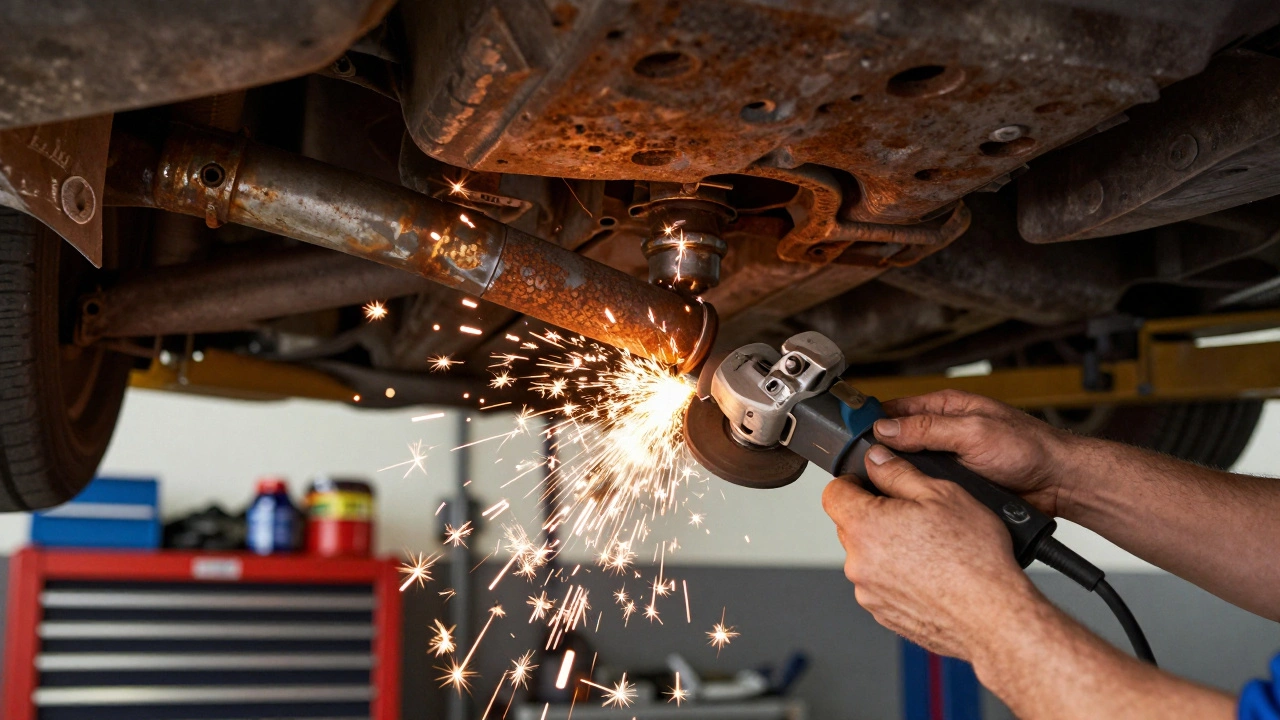
Labor Costs: Mechanics charge hourly rates. In Manchester and other major UK cities, independent garages typically charge between £80 and £120 per hour in 2026. Main dealerships can charge £150+ per hour. Removing an old, rusted exhaust is rarely a quick job. Bolts seize, flanges crack, and sometimes the entire system needs to be cut off with angle grinders. This complexity drives up labor time, especially for rear-wheel-drive vehicles where the exhaust runs along the length of the chassis.
Factors That Influence Your Final Bill
Not all exhaust jobs are created equal. Several variables can push your quote from a modest repair to a significant investment.
1. Vehicle Make and Model
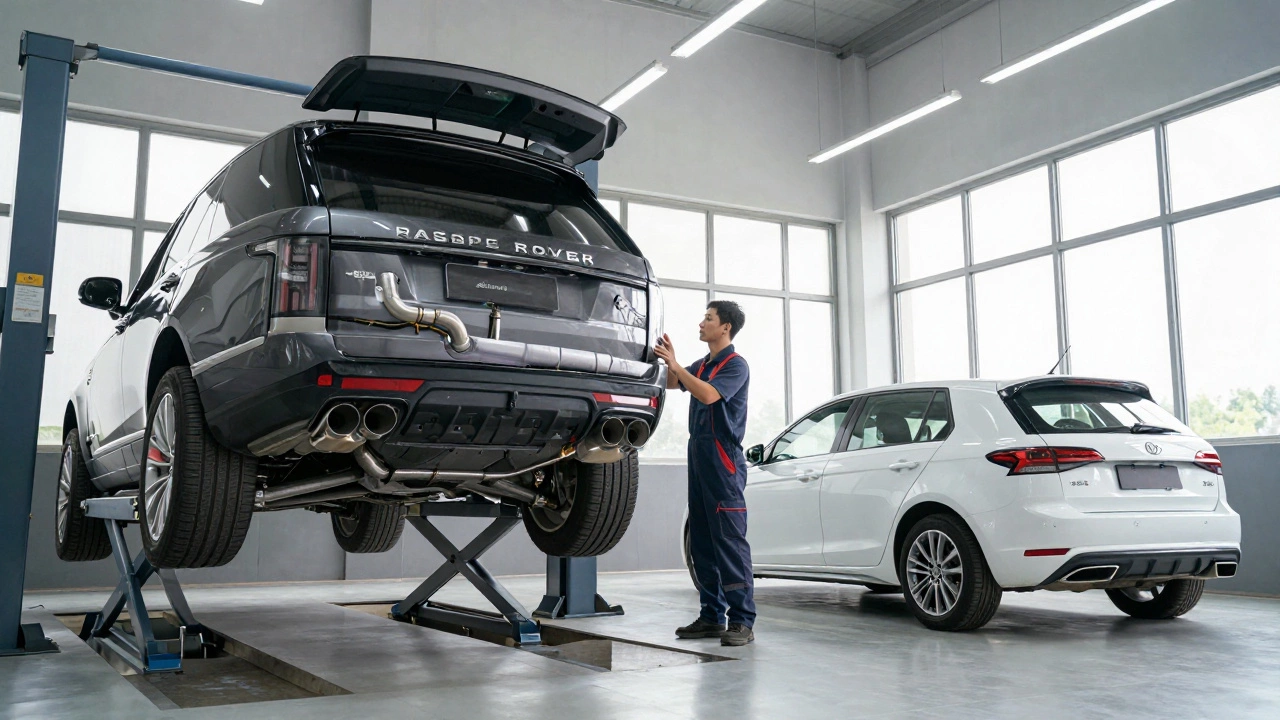
A Ford Focus or Vauxhall Astra has simple, accessible exhaust systems. Parts are cheap, and mechanics know them inside out. Contrast this with a Land Rover Discovery or a Porsche Cayenne. These vehicles often have dual-exit systems, turbo-diesel setups with diesel particulate filters (DPFs), and complex routing that requires lifting the car multiple times. The more intricate the design, the higher the labor hours.
2. Type of Failure
Is it a small hole in the tailpipe, or is the catalytic converter collapsed?
- Rust Holes: Often found near joints. Can sometimes be patched with high-quality exhaust tape or welded, costing less than £100.
- Broken Hangers: Rubber mounts that hold the pipe to the car rot away. Replacing these is cheap (£20-£50 for parts) but requires jacking up the car.
- Catalytic Converter Issues: If the converter is clogged or damaged, it affects engine performance. These are expensive due to precious metals (platinum/palladium) inside. Theft is also a risk here.
3. Independent Garage vs. Main Dealer
This is the biggest lever you can pull to save money. A main dealer will use OEM parts and charge premium labor rates. They are necessary if your car is under warranty. However, for an older car, an independent specialist offers better value. Many independents now specialize in exhaust systems, having dedicated lifts and welding equipment, allowing them to work faster and cheaper than generalist mechanics.
Common Exhaust Problems and Their Specific Costs
Knowing exactly what’s wrong helps you negotiate. Here are the most frequent issues we see in workshops today.
Loose or Broken Heat Shields
Heat shields protect surrounding components from extreme heat. When they rust and fall off, they create a loud banging noise. While not always an immediate safety hazard, it’s unpleasant. Fixing this involves replacing the shield and clips. Expect to pay between £80 and £150 including labor.
Rusted Flanges and Joints
Flanges connect different sections of the exhaust. Over time, the bolts corrode. If a bolt snaps, the joint opens up, causing leaks. Mechanics often replace the entire section rather than trying to drill out a seized bolt, as the latter risks damaging nearby wiring or suspension parts. A mid-pipe replacement usually runs £200 to £400.
Diesel Particulate Filter (DPF) Integration
Modern diesel cars integrate the DPF into the exhaust line. If the DPF fails or gets blocked, it’s often replaced as part of the exhaust assembly. This is one of the costliest repairs. A new DPF unit can cost £500 to £1,000+ alone, plus labor. Always ask if the quote includes the DPF if you drive a diesel.
DIY vs. Professional Installation: Is It Worth It?
You might be tempted to buy a universal exhaust kit online for £100 and fit it yourself. Before you grab the wrenches, consider the risks.
- Safety Risks: Working under a car requires proper jack stands. Rolling accidents are fatal. Exhaust fumes are toxic; working in an enclosed space without ventilation is dangerous.
- Tool Requirements: You’ll need impact wrenches, penetrating oil, wire brushes, and possibly an angle grinder. Do you own these? Buying them may exceed the savings.
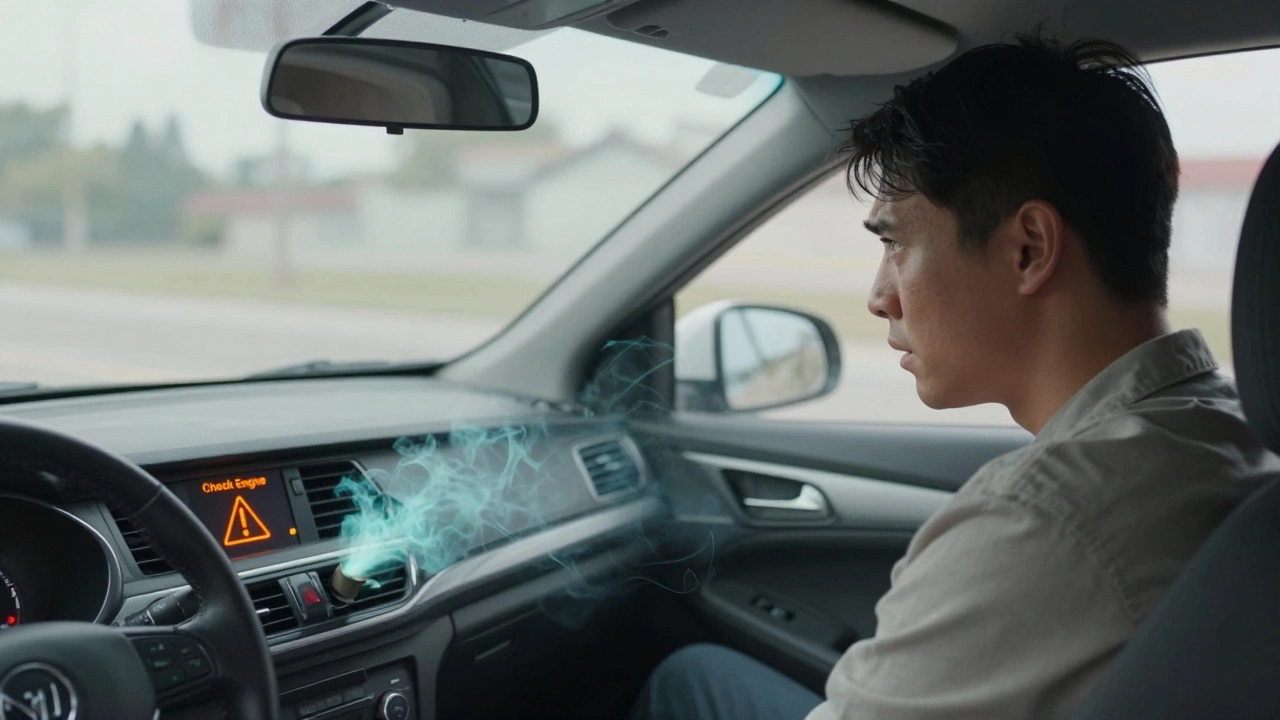
- Fitting Quality: An improperly fitted exhaust can vibrate excessively, leading to premature failure. Worse, poor seals can let carbon monoxide into the passenger compartment. This is life-threatening.
- MOT Validity: If you mess up the fitment, you’ll fail your MOT. Retest fees add up. Professional installs come with a guarantee, ensuring the job passes inspection.
For most people, professional installation is the safer, more economical choice in the long run. The peace of mind and warranty coverage outweigh the initial labor cost.
Hidden Costs and Additional Fees
When getting a quote, ask about potential extras. These "hidden" costs can surprise you at the checkout counter.
- VAT: Ensure the quoted price includes VAT (20%). Some smaller garages list net prices initially.
- Disposal Fees: Old exhausts contain hazardous materials. Garages must dispose of them legally. Some include this in the labor; others charge a small fee (£10-£20).
- Additional Repairs: Once the exhaust is removed, the mechanic might spot other issues, like a leaking gasket or worn suspension bushings. Be prepared for a revised quote if extra work is needed.
- Diagnostic Fee: If the problem isn’t obvious (e.g., internal engine damage causing backpressure issues), a diagnostic check may cost £50-£100 before any repair begins.
How to Get the Best Deal in 2026
Don’t just accept the first quote. Follow these steps to ensure fair pricing.
- Get Three Quotes: Call two independent garages and one main dealer. Compare the parts source and labor rate separately.
- Ask About Warranty: A good exhaust job should come with at least a 12-month warranty on parts and labor. Avoid shops that offer no guarantee.
- Check Reviews: Look for local reviews mentioning "exhaust work." Pay attention to comments about cleanliness, communication, and whether hidden fees appeared.
- Consider Aftermarket Brands: Brands like Walker, Borla, or MagnaFlow offer high-quality alternatives to OEM parts at lower prices. Ask your mechanic if these are suitable for your vehicle.
- MOT Timing: If your MOT is due soon, mention this. Some garages prioritize MOT-related repairs and may offer a package deal.
Signs You Need Immediate Attention
Ignoring exhaust problems doesn’t make them go away; it makes them worse. Watch for these signs:
- Loud Rumbling or Backfiring: Indicates a hole or disconnected pipe.
- Reduced Fuel Economy: A blocked exhaust restricts airflow, forcing the engine to work harder.
- Check Engine Light: Often triggered by oxygen sensor failures linked to the exhaust system.
- Visible Smoke or Fumes Inside Car: Stop driving immediately. This suggests a leak near the firewall.
Addressing these issues promptly prevents secondary damage to the engine and ensures your vehicle remains safe and legal to drive.
How much does it cost to fix a small hole in the exhaust?
A small hole can often be repaired with a specialized exhaust patch or weld for between £50 and £150, including labor. However, if the surrounding metal is heavily rusted, replacing the entire section may be recommended to prevent future leaks, which could cost £200-£400.
Can I pass my MOT with a noisy exhaust?
No. The MOT test strictly checks for excessive noise and visible defects. If the examiner hears abnormal noise compared to a similar vehicle, or sees holes, cracks, or loose fittings, the car will fail. You must repair the issue before retaking the test.
Why are dealership exhaust quotes so much higher?
Dealerships charge higher labor rates (often £150+/hour) and use only Original Equipment Manufacturer (OEM) parts, which carry a premium price tag. Independent garages use equivalent aftermarket parts and charge lower hourly rates, resulting in savings of 30-50%.
Does the type of fuel affect exhaust costs?
Yes. Diesel vehicles often have more complex exhaust systems due to the inclusion of Diesel Particulate Filters (DPFs) and AdBlue systems. Repairs involving these components are significantly more expensive than those for petrol engines, which have simpler catalytic converter setups.
How long does it take to replace an exhaust system?
A straightforward replacement on a front-wheel-drive car typically takes 1-2 hours. More complex systems, such as those on rear-wheel-drive or luxury vehicles, can take 3-5 hours due to access difficulties and additional components like sensors and DPFs.