Clutch Lifespan & Replacement Cost Estimator
Estimated Replacement Costs (UK)
- Parts (Kit + Flywheel) £0 - £0
- Labor (Independent Garage) £0 - £0
- Total Estimated Cost £0 - £0
Enter your details to estimate clutch life and costs.
You press the pedal, shift gears, and drive off. It feels seamless until it doesn’t. One day your car slips in second gear; the next, you’re hearing a grinding noise every time you come to a stop. If you’ve ever wondered how long that friction disc is actually supposed to last, you are not alone. The question “what is the average life of a clutch?” does not have a single number as an answer. It depends on where you live, how you drive, and what kind of car you own.
In general, a standard manual transmission clutch is a mechanical component that engages and disengages the engine from the transmission to allow gear changes lasts between 60,000 and 100,000 miles. However, this range is broad. A city driver in Manchester might see their clutch fail at 40,000 miles due to constant stop-and-go traffic, while a rural driver who mostly cruises on open roads could push past 150,000 miles without issues. Understanding why your specific situation matters is the key to avoiding unexpected breakdowns and expensive repairs.
Factors That Determine Clutch Longevity
The clutch is a wear item, much like brake pads or tires. It relies on friction to transfer power from the engine to the wheels. Every time you slip the clutch-whether intentionally during a smooth take-off or unintentionally by riding the pedal-you generate heat and wear down the friction material. Several critical factors dictate how fast that material degrades.
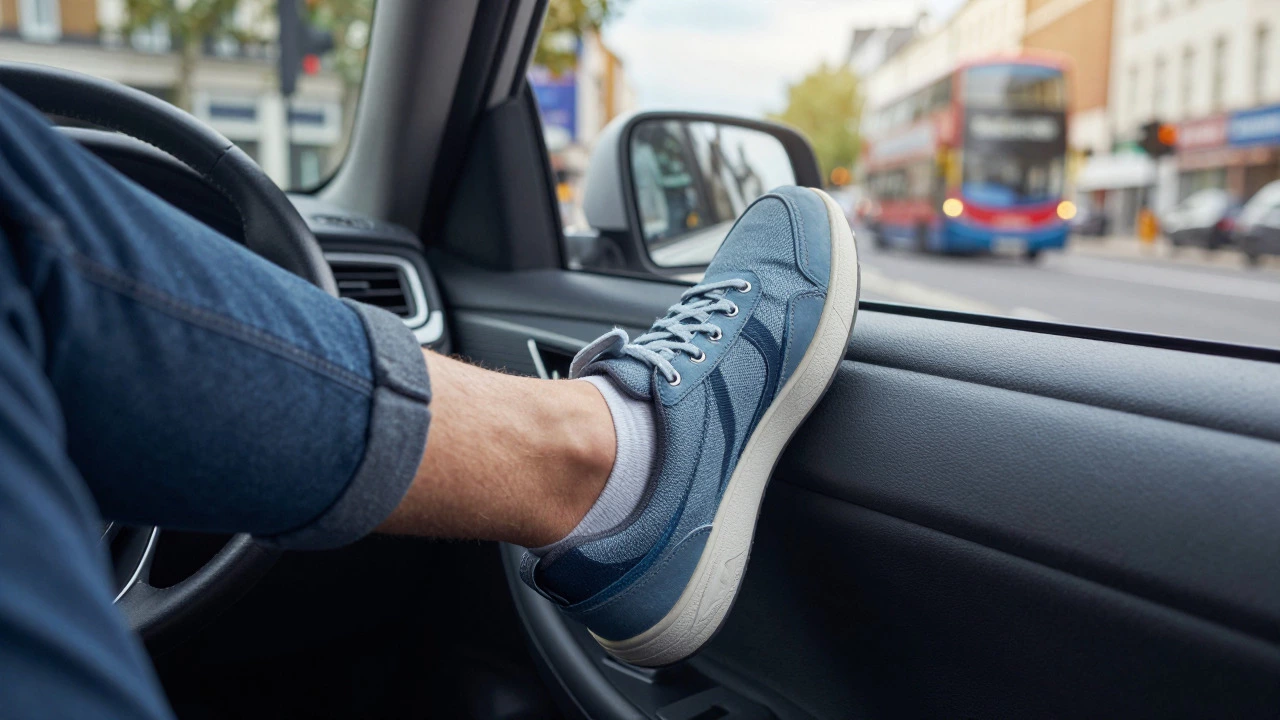
Driving Style: This is the biggest variable. Aggressive drivers who launch cars from a standstill, rev-match excessively, or ride the clutch (keeping their foot resting on the pedal while driving) will burn through a clutch kit twice as fast as gentle drivers. Riding the clutch keeps the release bearing engaged and the pressure plate partially open, generating constant heat even when you are not shifting.
Traffic Conditions: Urban driving is harsh on clutches. In cities with heavy congestion, you are constantly engaging and disengaging the clutch to move forward slowly. Highway driving, by contrast, involves fewer shifts and less slippage. If you spend most of your time commuting through gridlock, expect the lower end of the lifespan spectrum.
Vehicle Type and Weight: A lightweight hatchback puts less strain on the clutch than a heavy SUV or a performance sports car with high torque output. High-torque engines require more friction to hold the engine back when stationary, leading to faster wear. Diesel engines, which often produce higher torque at lower RPMs, can also stress the clutch differently than petrol engines, though modern dual-mass flywheels help mitigate this.
Load and Towing: Regularly towing trailers or carrying heavy loads forces the clutch to work harder during acceleration. The extra weight means the engine must deliver more power through the clutch disc, increasing friction and heat generation.
Signs Your Clutch Is Wearing Out
A clutch rarely fails without warning. Most drivers notice subtle changes in how the car behaves long before it completely seizes. Recognizing these early signs can save you from being stranded on the side of the road.
- Slipping: This is the most common symptom. You press the accelerator, but the engine RPMs rise without a corresponding increase in speed. This happens because the friction disc can no longer grip the flywheel firmly enough to transfer power.
- High Bite Point: As the clutch disc wears down, it becomes thinner. This raises the point at which the clutch engages. You may find yourself having to lift the pedal almost all the way up before the car starts moving.
- Spongy or Sticky Pedal: If the clutch fluid is low, air has entered the hydraulic system, or the release bearing is failing, the pedal may feel soft, spongy, or stick to the floor. This indicates a problem with the actuation mechanism rather than just the friction material.
- Noise When Shifting: A whining or grinding noise when you press the clutch pedal usually points to a failing release bearing. A rumbling noise when the pedal is released but goes away when pressed often indicates a problem with the input shaft bearing.
- Difficulty Shifting Gears: If gears grind when you try to shift, or if the shifter feels stiff, the clutch may not be fully disengaging. This leaves the engine partially connected to the transmission, causing resistance.
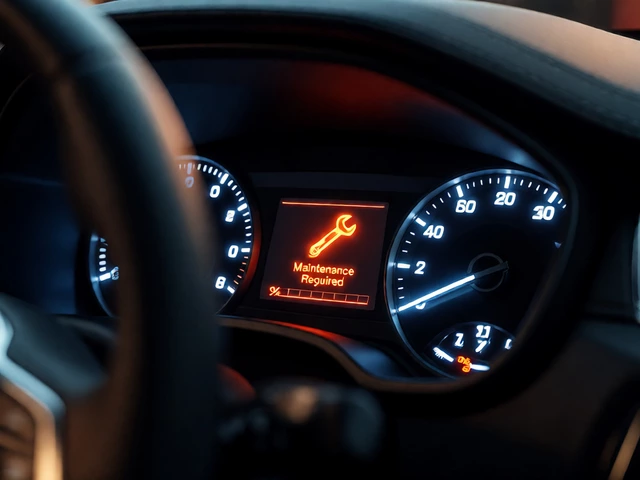
If you experience any of these symptoms, especially slipping, you should have your clutch inspected immediately. Continuing to drive with a slipping clutch can damage the flywheel and transmission, turning a £300 repair into a £1,000+ job.
How to Extend Your Clutch’s Life
While you cannot stop wear entirely, you can significantly slow it down with better habits. These tips are simple but effective for anyone driving a manual vehicle.
- Stop Riding the Clutch: Remove your left foot from the pedal completely when you are not shifting. Resting it on the pedal, even lightly, applies constant pressure to the release bearing and causes premature wear.
- Use the Handbrake on Hills: Instead of holding the car with the clutch and gas on a hill start, use the handbrake. Release the handbrake only after you have found the bite point and applied sufficient throttle. This reduces the time the clutch is slipping.
- Shift Up Early: Driving in a higher gear at lower speeds reduces engine load and clutch stress. There is no need to keep the RPMs high unless you are overtaking or accelerating quickly.
- Avoid Launching Hard: Unless you are on a track, there is rarely a need to launch from a standstill with high RPMs. Smooth, gradual acceleration is easier on the clutch and safer for other road users.
- Don’t Creep in Neutral: While coasting in neutral is generally safe, using the clutch to creep forward in traffic for extended periods generates excessive heat. Try to anticipate traffic flow and minimize unnecessary clutch engagement.
Clutch Replacement: What to Expect
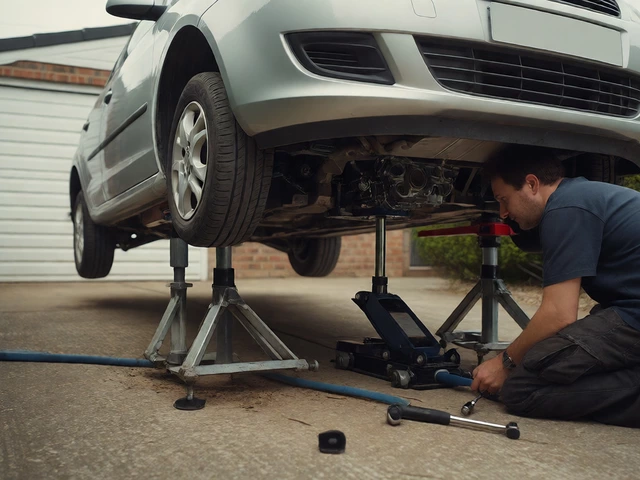
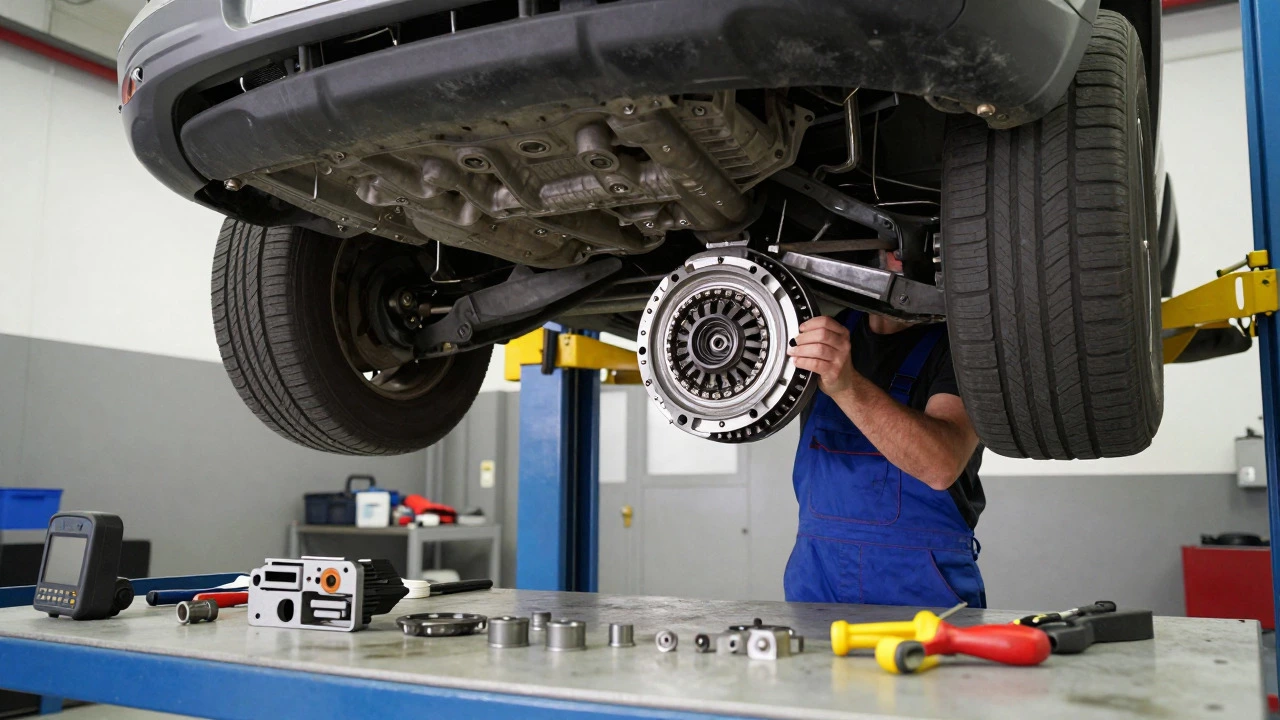
When the time comes to replace your clutch, understanding the process and costs can help you avoid surprises. A clutch replacement is not a quick fix; it requires significant labor because the transmission must be removed to access the clutch assembly.
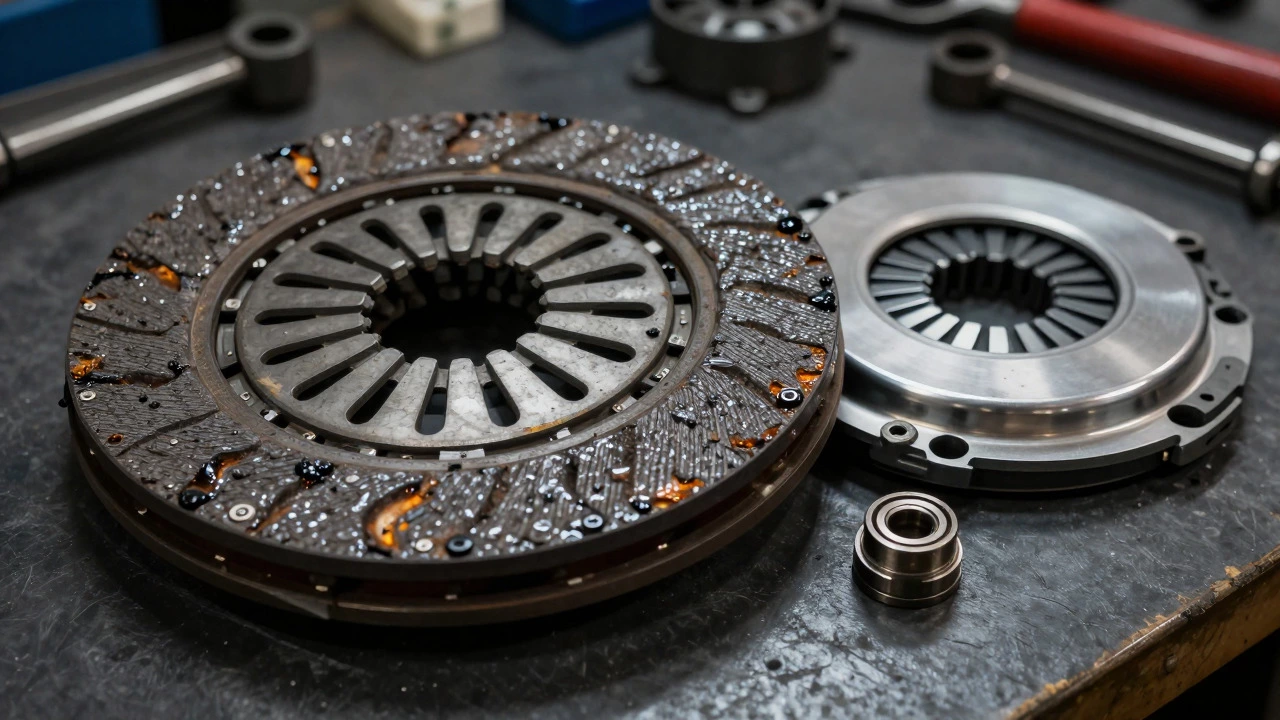
The clutch kit is a set of components including the clutch disc, pressure plate, and release bearing that are replaced together during maintenance typically includes three main parts: the friction disc, the pressure plate, and the release bearing (throw-out bearing). Mechanics often recommend replacing the dual-mass flywheel at the same time, as it is difficult to access once the transmission is out and a worn flywheel can damage the new clutch.
| Component | Cost Range (£) | Notes |
|---|---|---|
| Standard Clutch Kit | £150 - £300 | Includes disc, pressure plate, and bearing |
| Dual-Mass Flywheel | £150 - £400 | Recommended to replace with clutch |
| Labor (Independent Garage) | £300 - £600 | Varies by vehicle complexity |
| Labor (Dealership) | £500 - £900+ | Higher hourly rates, OEM parts |
| Total Estimated Cost | £600 - £1,300 | Depends on parts quality and labor |
The total cost varies widely depending on your vehicle. A simple front-wheel-drive hatchback will be cheaper to service than a rear-wheel-drive luxury sedan or a complex diesel truck. Always get multiple quotes from reputable independent garages, as they often offer competitive pricing compared to dealerships.
Common Misconceptions About Clutch Life
There are several myths surrounding clutch durability that can lead drivers to make poor decisions. Let’s clear them up.
“A clutch lasts forever.” False. Even with perfect care, the friction material will eventually wear down. Heat cycles cause metal fatigue in the pressure plate and flywheel over time.
“I can fix a slipping clutch with additives.” Unlikely. Some products claim to clean the transmission and restore grip, but if the friction disc is physically worn thin, no additive will bring it back to full thickness. These are temporary band-aids at best.
“Replacing just the disc is enough.” Not recommended. The pressure plate and release bearing have been subjected to the same mileage and heat cycles. Replacing only the disc risks immediate failure of the other components, requiring you to pay for labor twice.
“Automatic transmissions don’t wear out.” While traditional automatics don’t have a friction clutch disc, they have torque converters and planetary gear sets that still degrade over time. Modern Dual-Clutch Transmissions (DCTs) actually do have clutches that can wear out, sometimes even faster than manual clutches if driven aggressively.
When to Replace vs. When to Wait
If your clutch is showing minor signs of wear, such as a slightly higher bite point, you might be able to drive for another few thousand miles. However, if the clutch is slipping under normal driving conditions, you should plan for replacement soon. Slipping generates extreme heat, which can warp the flywheel and damage the transmission input shaft. Waiting too long turns a straightforward repair into a major overhaul.
Consider your upcoming travel plans. If you have a long road trip scheduled, it is wise to replace a questionable clutch beforehand. Being stranded in a remote location with a failed clutch is inconvenient and potentially dangerous.
How long does a clutch last in a diesel car?
Diesel clutches often last longer than petrol clutches in highway driving because diesel engines produce high torque at low RPMs, reducing the need for frequent shifting. However, in city driving, the high torque can cause more slippage and wear. On average, expect 80,000 to 120,000 miles for a well-maintained diesel clutch.
Can I drive with a bad clutch?
You can drive short distances with a mildly worn clutch, but it is not recommended. A severely slipping clutch can overheat and seize, leaving you unable to move the car. It can also damage the flywheel and transmission, increasing repair costs significantly.
Does a clutch replacement affect the warranty?
If your car is under manufacturer warranty, check the terms first. Some warranties cover clutch failures due to defects, but most exclude wear-and-tear items like clutches. Using non-OEM parts might void certain aspects of the warranty, so consult your dealer before proceeding.
Why is my clutch making a grinding noise?
Grinding noises when shifting usually indicate synchro wear in the transmission, not necessarily the clutch itself. However, if the noise occurs when pressing the clutch pedal, it likely points to a failing release bearing or pilot bearing. Both require professional inspection.
Is it cheaper to replace the clutch or sell the car?
This depends on the car’s value. If the car is worth less than the cost of the repair (£600-£1,000), selling it might be more economical. However, if you plan to keep the car for several more years, replacing the clutch is a worthwhile investment that extends the vehicle’s usable life.