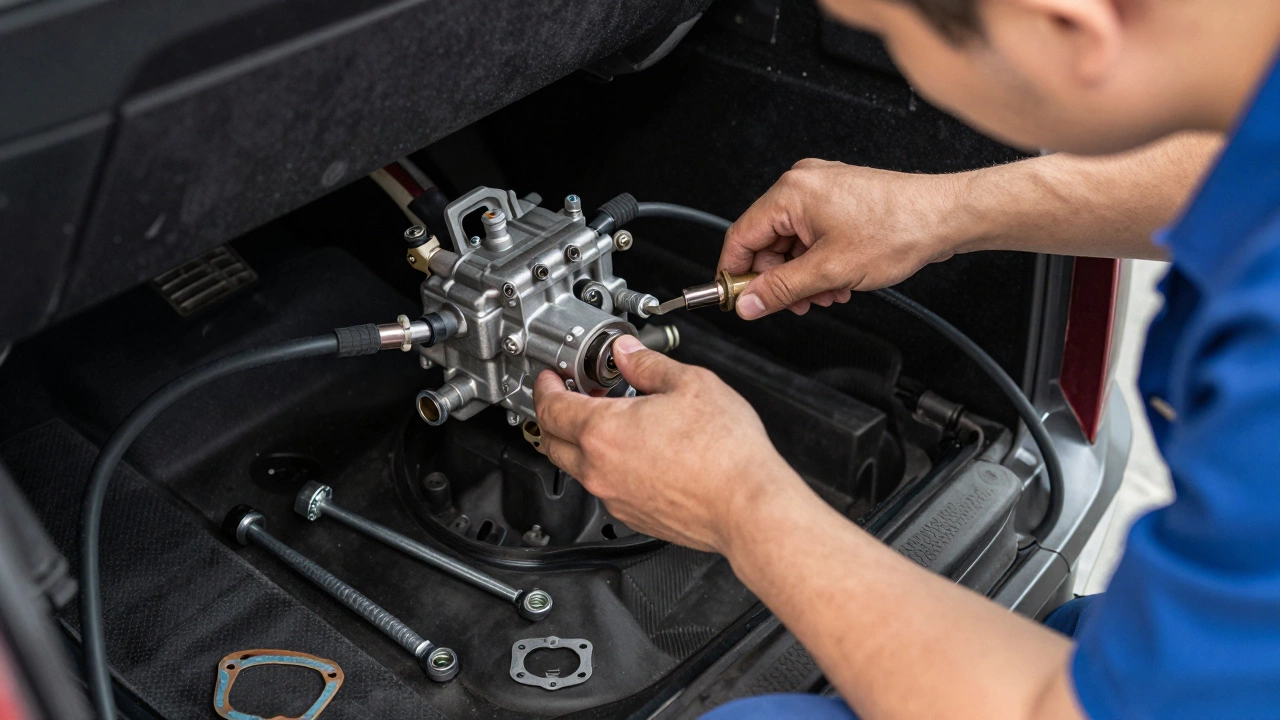
Fuel Pump Replacement Cost Calculator
Estimate Your Repair Costs
Ever been stuck on the side of the road because your car just died? No warning, no sputter-just silence. More often than you think, that’s a failing fuel pump. But here’s the real question: replacing a fuel pump-is it a big job? The answer isn’t yes or no. It depends on your car, your tools, and how comfortable you are getting under the hood-or under the back seat.
What a Fuel Pump Actually Does
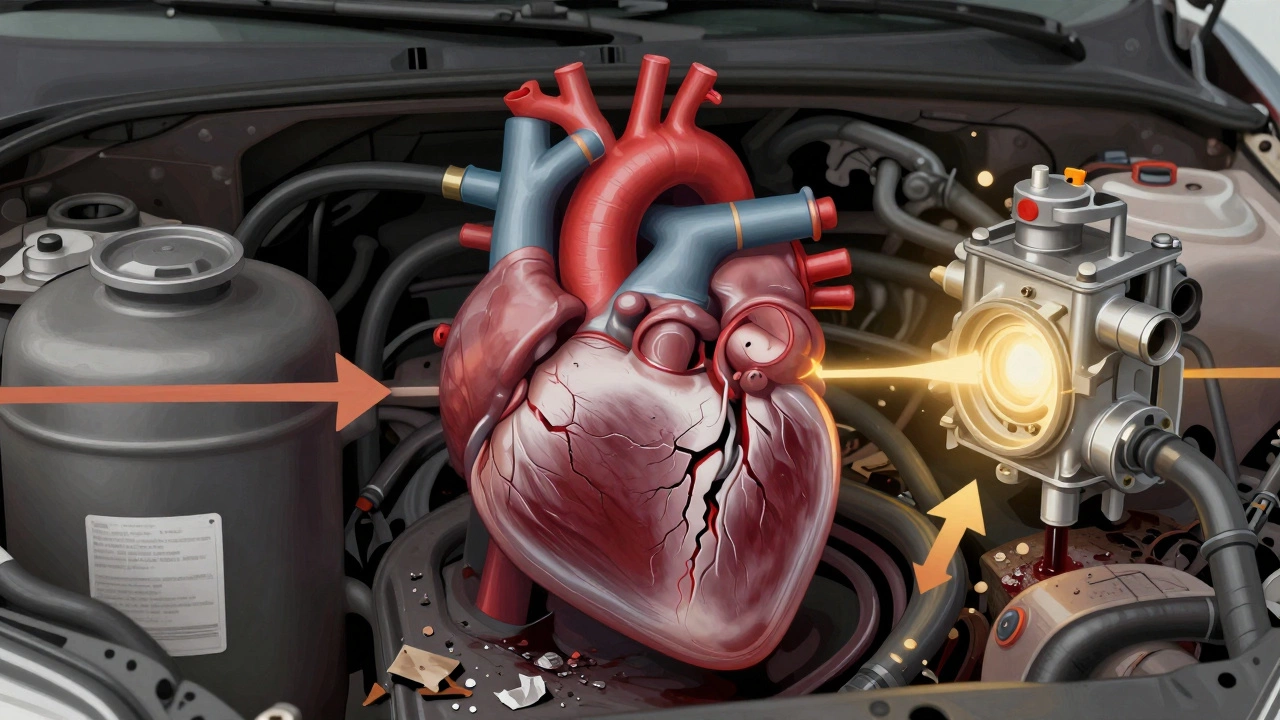
Your fuel pump isn’t just a little motor in the tank. It’s the heart of your fuel system. It pulls gasoline from the tank and pushes it at the right pressure to the engine. Without it, your car doesn’t run. Modern fuel pumps are usually electric and built right into the fuel tank. That means they’re not something you can just twist out like an oil filter. They’re buried, often under carpet, seats, or even the rear axle.
Most fuel pumps last 100,000 to 150,000 miles. But if you’re always running on fumes, using cheap fuel, or have a dirty fuel tank, they can fail much sooner. Signs? Engine sputtering at high speeds, difficulty starting, loss of power when climbing hills, or sudden stalling. If you’ve ruled out spark plugs, air filters, or battery issues, the pump is next.
Why Replacing It Can Be a Pain
Here’s the catch: in 80% of cars made after 2000, the fuel pump is inside the tank. That means to replace it, you usually have to drop the tank or access it through a panel under the rear seat. Neither is quick.
Let’s say you drive a Ford Focus from 2018. You’ll need to remove the rear seats, peel back the carpet, unscrew a plastic access panel, disconnect the fuel lines and electrical connector, then lift the pump module out. Sounds simple? Until you realize the fuel lines are pressurized. You have to relieve that pressure first-or risk getting sprayed with gasoline. And if the old pump’s been sitting there for years, the gasket might be fused to the tank. Pry it wrong, and you crack the plastic housing. Then you’re not just replacing the pump-you’re replacing the whole tank.
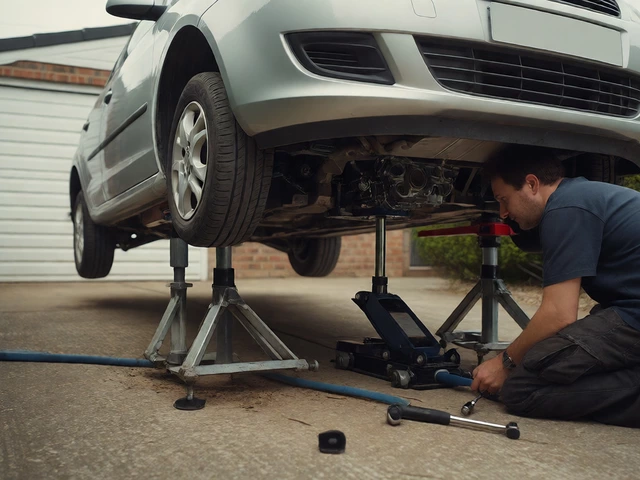
Some cars, like older VWs or certain SUVs, have a service panel. Others? You need a jack, jack stands, and a torque wrench to lower the tank. That’s not a weekend project for someone who’s never lifted a car before.
Tools You’ll Need (Beyond the Basics)
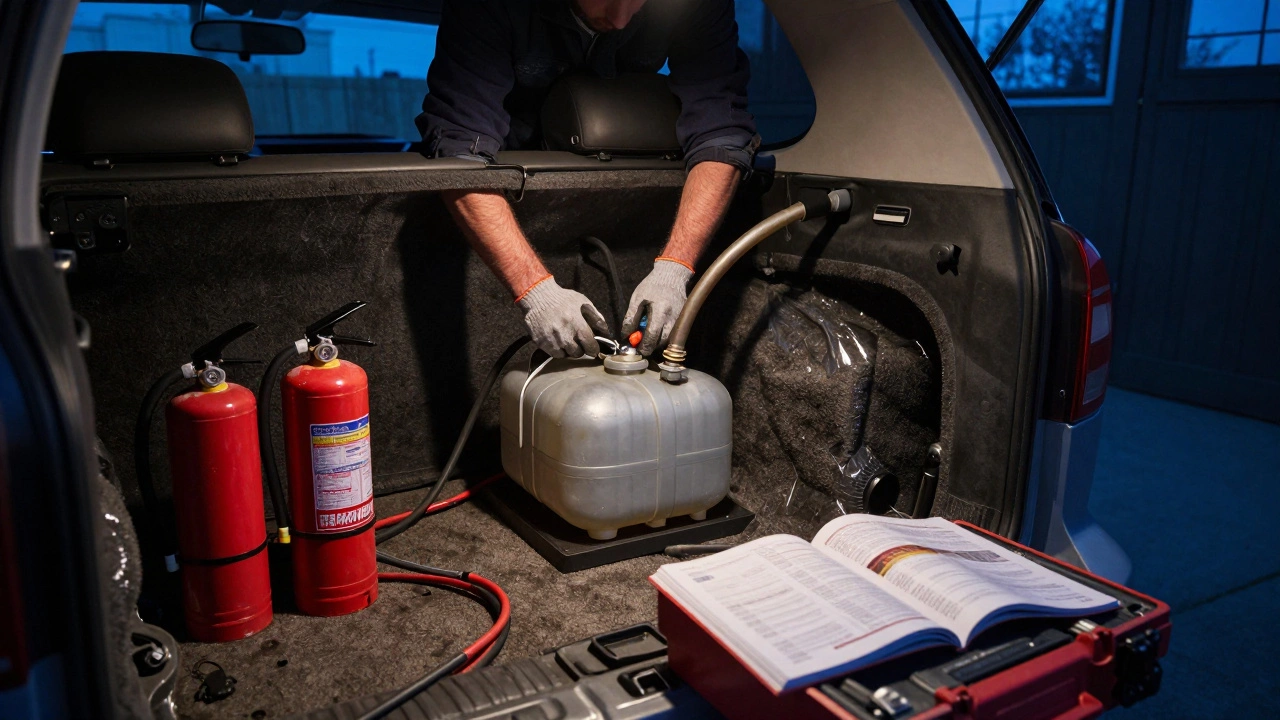
Forget your socket set and screwdriver. Replacing a fuel pump requires specific gear:
- Fuel line disconnect tool (to safely release pressurized lines without spraying fuel)
- Gas tank siphon or pump (to drain the tank before removal-safety first)
- New fuel pump gasket and O-rings (never reuse old ones)
- Flare nut wrench (for stubborn fuel line fittings)
- Electrical contact cleaner (to clean the pump’s connector before reconnecting)
- Shop towels and a fire extinguisher (yes, really)
And don’t forget a repair manual for your exact model. A 2015 Honda Civic and a 2020 Toyota RAV4 have completely different access points. Google won’t always help-you need the right diagram.
Cost Breakdown: DIY vs. Mechanic
Let’s talk money. A new fuel pump costs between £80 and £250, depending on brand and car. Labor? If you take it to a shop, expect £250 to £500, mostly because of the time it takes to access the tank.
DIY saves you a fortune-but only if you don’t mess it up. A botched job can mean:
- Gas leaks (fire risk)
- Contaminated fuel system (if you didn’t clean the tank)
- Wrong pump installed (some pumps have different pressure ratings)
- Electrical shorts from a bad connector
One mechanic in Manchester told me he sees two cars a week brought in because someone tried replacing the pump themselves and damaged the fuel sender unit. That’s another £150+ on top of the original fix.
When You Should DIY
Do it yourself if:
- Your car has an easy-access panel (check your manual or YouTube for your model)
- You’re comfortable working with fuel and electricity
- You have a safe, ventilated workspace (never do this in a garage with a pilot light or gas heater)
- You’re not in a rush
Models like the Nissan Altima (2010-2018), Hyundai Elantra (2011-2017), and older Ford F-150s have service panels. Those are beginner-friendly. If your car’s got a 2008 or newer Toyota, you’re probably looking at a tank drop. That’s a job for someone with a lift or serious patience.
When to Call a Pro
Go to a mechanic if:
- You’ve never worked on fuel systems before
- Your car doesn’t have an access panel
- You’re unsure about fuel pressure relief
- You’re short on time
- You’ve got a diesel engine-those pumps are even more complex
Also, if your car’s under warranty, DIY might void it. And if you’re not sure whether it’s the pump or a sensor? A diagnostic scan costs £50 and can save you from replacing a perfectly good part.
Pro Tips to Make It Easier
- Drain the tank to under a quarter full before starting. Less weight, less risk.
- Disconnect the battery before touching any electrical connectors.
- Use a torque wrench on the fuel pump mounting bolts-over-tightening cracks plastic housings.
- Replace the fuel filter at the same time if it’s not already built into the pump.
- Use fuel-safe silicone on the new gasket. Never use regular RTV.
And here’s a real one: always clean the inside of the fuel tank with a rag on a stick before installing the new pump. Dirt and debris are the #1 cause of premature pump failure. If the tank’s full of sludge, a new pump will die in six months.
What Happens If You Ignore It?
Ignoring a failing fuel pump isn’t just inconvenient-it’s dangerous. A pump can fail completely while you’re driving. No warning. Just engine cut-out. If you’re on a highway at 70mph, that’s a crash risk.
And if the pump runs dry too often (running on empty), it overheats. That wears out the motor faster. Once it’s fried, you’re not just replacing a pump-you’re cleaning out the fuel lines, injectors, and maybe even the fuel rail. That’s a £600+ repair.
Final Verdict: Is It a Big Job?
Yes, replacing a fuel pump is a big job-if you’re doing it for the first time. It’s not hard if you know what you’re doing. But it’s full of hidden traps: pressurized lines, fragile components, and messy fuel spills. It’s not a 30-minute fix. Plan for 3 to 6 hours, even if you’re experienced.
For most people, especially if you’re not confident, it’s worth paying a pro. But if you’ve got the right tools, a clear manual, and a calm weekend, you can save hundreds. Just don’t rush. One mistake with fuel and you’re not just out of money-you’re out of safety.
Can you drive with a bad fuel pump?
Technically, yes-but you shouldn’t. A failing fuel pump can cause sudden engine cut-outs, especially at highway speeds. It also puts extra strain on the engine and fuel injectors. Driving with a bad pump risks stalling in traffic, damaging other parts, or even starting a fire if fuel leaks. Don’t risk it.
How long does a fuel pump replacement take?
For a mechanic, it usually takes 2 to 4 hours. For a DIYer with no prior experience, expect 4 to 8 hours. Cars with easy access panels (like some Hondas or Toyotas) can be done in 2 to 3 hours. Vehicles that require dropping the fuel tank take 5 to 6 hours, including draining, lowering, and resealing.
Do you have to replace the whole fuel tank?
No, you only replace the fuel pump module, which sits inside the tank. But if the tank is cracked, corroded, or the gasket is stuck and tears during removal, you may need a new tank. That’s rare, but happens more often on older cars or those with rusted undercarriages.
Is it better to replace the fuel pump with OEM or aftermarket?
OEM (original equipment manufacturer) pumps are designed exactly for your car and usually last longer. Aftermarket pumps can be cheaper but sometimes have lower flow rates or faulty pressure regulators. For reliability, go OEM. For budget, choose a reputable aftermarket brand like Bosch or Denso-they’re tested and widely trusted.
Can a fuel pump fail without warning?
Yes. While most fuel pumps give signs like sputtering or hard starts, some just stop working suddenly. That’s more common in older pumps that have been run on low fuel for years. The electric motor overheats and burns out without warning. That’s why it’s smart to replace the pump proactively if your car is over 120,000 miles and you’ve never changed it.