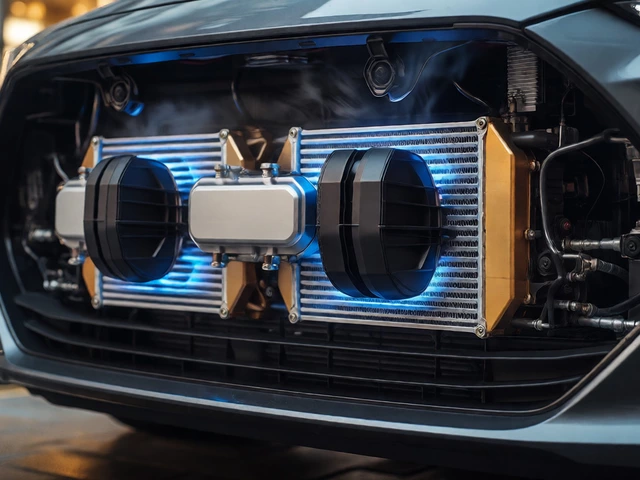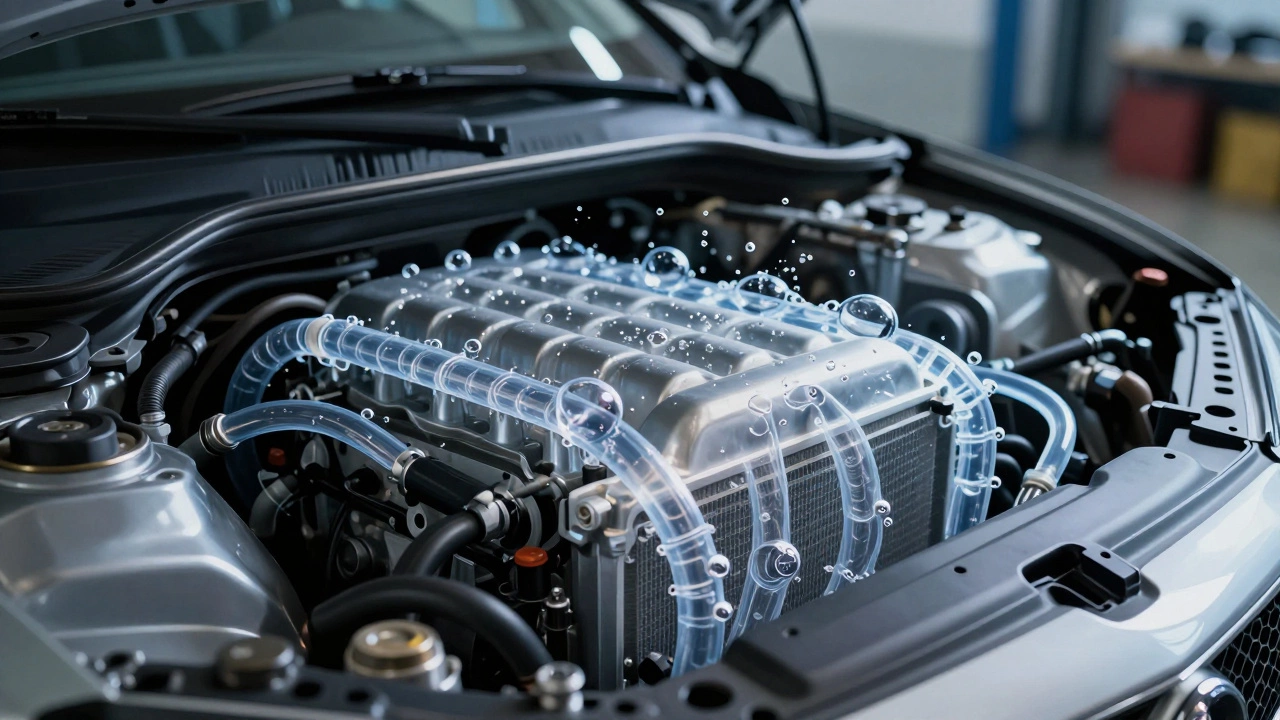
Radiator Noise Diagnostic Tool
Gurgling / Bubbling
Sounds like boiling waterHissing
Sharp steam or air releaseSquealing / Screeching
High-pitched mechanical soundKnocking / Clanking
Metallic rattling from bottomWhining / Groaning
Increases with engine speedLikely Cause
Urgency Level
Recommended Action
Your car is making a weird noise. It’s not the engine roaring or the tires humming on the highway. It’s something else-maybe a gurgle from under the hood, a hiss when you open the cap, or a squeal that gets louder as you drive. If you’ve ever wondered what sound does a bad radiator make, you are not alone. These noises are your vehicle’s way of screaming for help before it suffers catastrophic engine damage.
A failing radiator doesn’t just stop working silently. It announces its decline through specific acoustic cues caused by boiling coolant, trapped air, debris buildup, or mechanical failure in the cooling fans. Ignoring these sounds can lead to a blown head gasket, warped cylinder heads, or a seized engine. In this guide, we will break down exactly what each noise means, where it comes from, and what you should do immediately to save your engine.
The Gurgling or Bubbling Noise: Air in the System
If you hear a sound like water boiling in a kettle coming from behind your front grille, especially after you have recently topped up your coolant, you likely have air trapped in the cooling system. This is often described as a gurgling, bubbling, or chugging noise. It happens because air pockets prevent coolant from circulating properly. Instead of a smooth flow of liquid, you have a mix of gas and liquid sloshing around.
This usually occurs after a repair job where the system wasn't bled correctly, or if there is a small leak allowing air to enter while letting coolant escape. The air pocket creates turbulence. As the water pump pushes coolant past these bubbles, they collapse and reform, creating that distinct gurgling sound. If left unchecked, the air pocket can cause localized overheating because air does not transfer heat as efficiently as liquid coolant. You might see the temperature gauge spike intermittently.
To fix this, you need to bleed the cooling system. This involves running the engine with the heater on full blast and the reservoir cap off (when cold) to allow air to escape. However, if the gurgling persists after bleeding, you may have a more serious issue, such as a cracked head gasket allowing combustion gases into the coolant passages.
The Hissing Sound: Pressure Release or Leaks
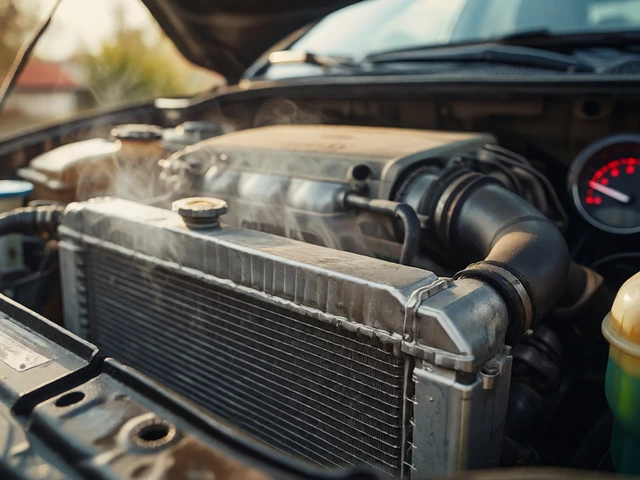
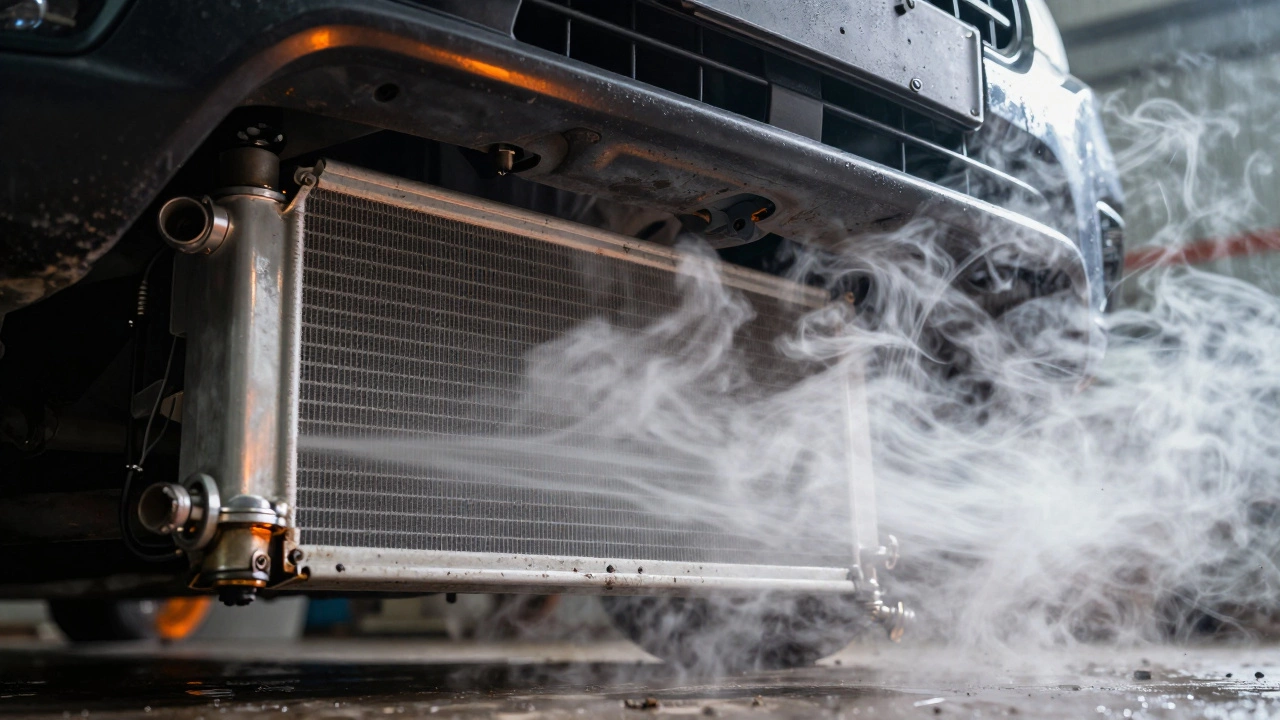
A sharp hissing sound is one of the most common indicators of a radiator problem. There are two main scenarios here. First, if you hear hissing immediately after opening the radiator cap or the overflow reservoir cap, that is normal pressure release. Hot coolant expands and creates high pressure within the sealed system. When you break that seal, the pressurized steam escapes with a hiss. Always wait for the engine to cool down before removing any caps to avoid severe burns.
However, if you hear hissing while driving, or if you see steam escaping from under the hood accompanied by a hiss, you have a significant leak. This could be a crack in the radiator tank, a loose hose clamp, or a failed water pump seal. The hiss is the sound of hot coolant hitting a hot engine component and instantly vaporizing. Another possibility is a leaking head gasket. Combustion gases forcing their way into the cooling system create pressure that exceeds the radiator cap's rating, causing constant hissing from the overflow tube even when the engine is off.
If you smell sweet antifreeze and see white smoke from the exhaust along with the hissing, pull over immediately. This combination strongly suggests a blown head gasket, which requires professional repair. Continuing to drive will likely destroy the engine.
The Squealing or Screeching Noise: Fan Bearing Failure
Modern cars use electric radiator fans to pull air through the radiator when the vehicle is stationary or moving slowly. If you hear a high-pitched squeal or screech coming from the front of the car, particularly when the AC is on or when idling at a traffic light, the issue is likely with the fan motor bearings. Over time, lubrication dries out, and metal grinds against metal.
In older vehicles with belt-driven fans, a squeal might indicate a loose serpentine belt or a failing tensioner pulley. But in most cars built after the year 2000, the electric fan is the culprit. A failing bearing creates friction and heat. Eventually, the fan will seize completely. Without airflow, the coolant temperature will rise rapidly, leading to overheating. You might notice the fan struggling to spin or vibrating excessively before it stops entirely.
Replacing the fan assembly is generally affordable compared to engine repairs. Listen closely: if the noise changes pitch with engine RPM, check the belts. If the noise is constant regardless of RPM but correlates with fan activation, replace the fan motor.
The Knocking or Clanking Noise: Debris Buildup
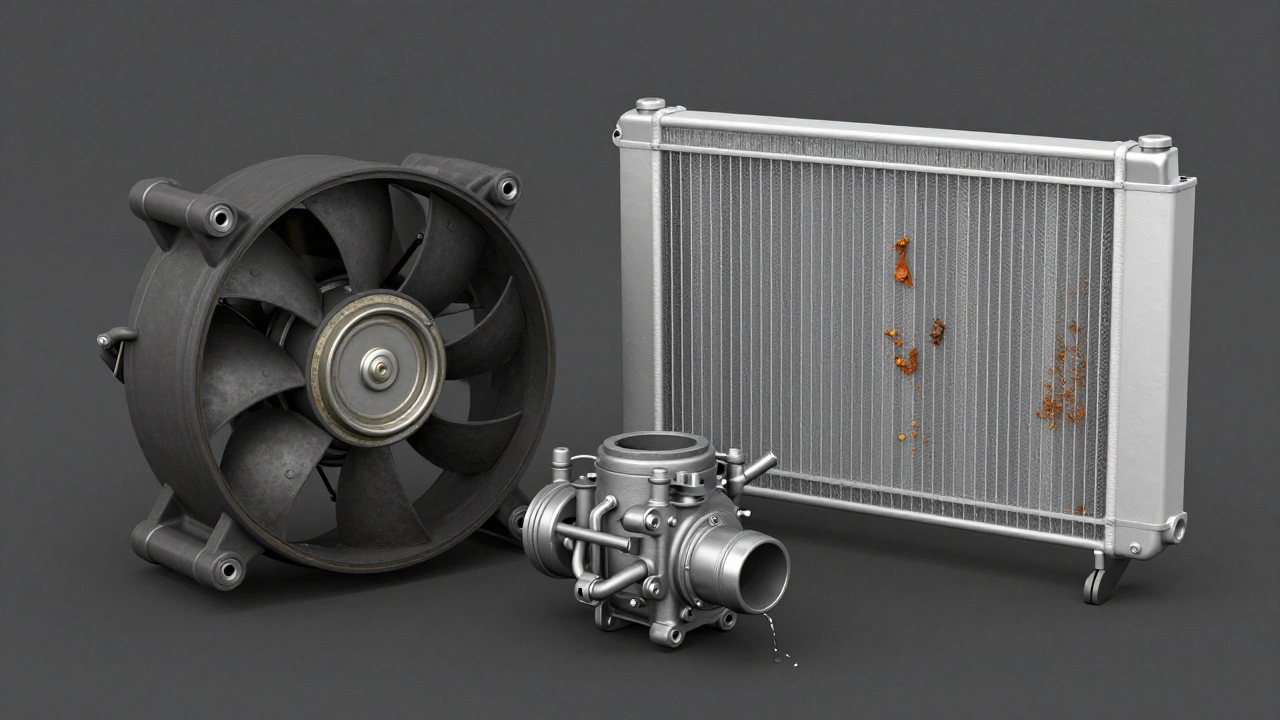
A dull knocking, clanking, or rattling sound from the lower part of the radiator often points to physical debris inside the core. Road salt, sand, rocks, and bug splatter can accumulate over years. In some cases, internal corrosion causes rust flakes to detach and circulate. These solid particles settle at the bottom of the radiator tanks. As the water pump pulses coolant through the system, these loose items bounce around, creating a metallic knocking noise.
This is particularly common in regions with harsh winters where road grit is used extensively. The debris not only makes noise; it blocks the narrow tubes inside the radiator, reducing cooling efficiency. This leads to higher operating temperatures. You might also notice the heater blowing lukewarm air because the flow restriction prevents hot coolant from reaching the heater core effectively.
Flushing the cooling system can sometimes dislodge minor buildup, but heavy debris often requires a professional radiator flush or even replacement of the unit. Ignoring this noise risks clogging the water pump impeller, which can lead to complete circulation failure.
The Whining Noise: Water Pump Issues
While technically part of the cooling system rather than the radiator itself, the water pump is intimately connected. A whining or groaning noise that increases with engine speed often indicates a failing water pump bearing. The water pump circulates coolant between the engine and the radiator. If its bearings wear out, it creates a continuous whine.
Sometimes, this noise is mistaken for a bad alternator, but you can distinguish them. Turn on the headlights and radio. If the whine gets louder, it’s the alternator. If the noise remains unchanged, it’s likely the water pump or another accessory drive component. A failing water pump may also leak coolant from its weep hole, leaving a crusty residue underneath the engine.
If the water pump seizes, the radiator will stop receiving fresh coolant. The engine will overheat quickly. Replacing the water pump is a standard maintenance task, often done simultaneously with timing belt replacement to save on labor costs.
| Noise Type | Likely Cause | Urgency Level | Action Required |
|---|---|---|---|
| Gurgling/Bubbling | Air in system or head gasket leak | High | Bleed system or inspect head gasket |
| Hissing (Driving) | Coolant leak or pressurized steam | Critical | Stop driving, check for leaks/steam |
| Squealing/Screeching | Fan bearing failure or loose belt | Medium-High | Replace fan motor or tighten belt |
| Knocking/Clanking | Debris in radiator core | Medium | Flush system or replace radiator |
| Whining/Groaning | Failing water pump bearing | High | Replace water pump |
Diagnosing the Source: A Step-by-Step Guide
Identifying the exact source of the noise requires a systematic approach. Do not guess. Misdiagnosis can waste money and time. Here is how to narrow it down safely.
- Check Coolant Levels: Open the hood when the engine is cold. Check the overflow reservoir and, if safe, the radiator fill neck. Low coolant often accompanies gurgling or hissing noises.
- Inspect for Leaks: Look under the car for puddles. Green, orange, or pink fluid indicates a coolant leak. Check hoses, the radiator tank, and the water pump for wetness or crusty deposits.
- Listen at Idle: Start the car and let it idle. Place your hand near (not touching) the radiator area. Does the noise change when the fan kicks on? If yes, focus on the fan assembly.
- Pressurize the System: Use a cooling system pressure tester. This tool pumps air into the system to simulate operating pressure. If the pressure drops without visible leaks, you may have an internal leak, such as a head gasket issue, causing gurgling.
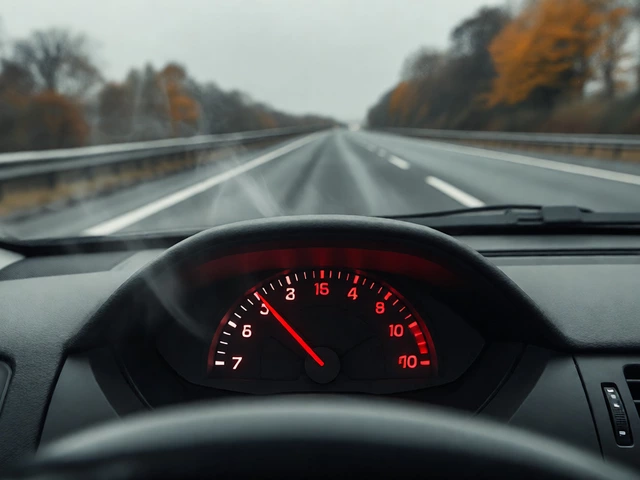
- Monitor Temperature: Watch the dashboard gauge. If the needle climbs into the red zone while you hear hissing or gurgling, shut the engine off immediately to prevent warping.
Prevention and Maintenance Tips
Most radiator noises are symptoms of neglected maintenance. Regular care can extend the life of your cooling system significantly. Flush your coolant every 30,000 to 60,000 miles, depending on your manufacturer's recommendation. Old coolant becomes acidic and corrosive, leading to the debris buildup that causes knocking noises.
Use the correct type of coolant specified in your owner's manual. Mixing different types can cause chemical reactions that create sludge, blocking flow and causing turbulence noises. Inspect hoses annually for cracks or bulges. Replace the thermostat if it sticks open or closed, as this affects pressure and flow dynamics.
If you live in an area with heavy road salt usage, consider installing a radiator guard to protect the fins from rock damage. Damaged fins can reduce airflow efficiency, causing the fan to work harder and potentially fail prematurely, leading to squealing noises.
Is it safe to drive if my radiator is making a gurgling noise?
It depends on the severity. Mild gurgling after a top-up might resolve itself as air escapes. However, persistent gurgling indicates air pockets or a head gasket leak. Driving with significant air in the system can cause localized overheating and engine damage. If the temperature gauge is stable, you can drive cautiously to a mechanic. If the temperature rises, stop immediately.
Why does my radiator hiss when I open the cap?
Hissing upon opening the cap is normal pressure release from hot coolant expanding. The cooling system operates under pressure to raise the boiling point of the coolant. Always wait for the engine to cool completely before removing the cap to avoid severe burns from escaping steam and hot liquid.
Can a bad radiator cause engine failure?
Yes. The radiator is critical for dissipating heat. If it fails due to leaks, blockages, or fan issues, the engine will overheat. Prolonged overheating can warp cylinder heads, blow head gaskets, melt pistons, and seize the engine, resulting in total engine failure requiring replacement.
How much does it cost to fix a noisy radiator?
Costs vary widely. Bleeding the system may cost $50-$100 in labor. Replacing a radiator fan motor ranges from $200 to $400 including parts and labor. Replacing the entire radiator typically costs between $300 and $800. Head gasket repairs are significantly more expensive, often exceeding $1,000 due to extensive labor.
What is the difference between a radiator leak and a head gasket leak?
A radiator leak usually shows external fluid loss and puddles. A head gasket leak allows combustion gases into the cooling system, causing excessive pressure, gurgling, and potentially white smoke from the exhaust. A compression test or block test can confirm a head gasket failure.