Car Engine Noise Diagnostic Tool
Select the sound your car is making below to diagnose the issue and see recommended actions.
Deep Thumping
Rhythmic knocking from bottom of engine, louder on acceleration.
Fast Ticking
Sharp tapping from top of engine, often disappears when warm.
High-Pitched Whine
Vacuum cleaner sound, noticeable at idle or startup.
Metallic Grinding
Harsh scraping or rattling, possibly timing chain slapping.
Shaking/Vibration
Feeling roughness through steering wheel or seat at idle.
There is nothing quite as stressful as hearing an unfamiliar noise coming from your car’s engine bay. You pull over, heart racing, wondering if you’ve just heard the death rattle of your vehicle. Before you panic or call for a tow truck, consider one simple possibility: your engine might just be thirsty. Engine oil is the lifeblood of your car's engine, providing lubrication to reduce friction between moving metal parts and helping to dissipate heat. When levels drop too low, those metal parts start grinding against each other, creating distinct sounds that act as early warning systems.
Ignoring these noises can turn a cheap fix-a quart of oil-into a catastrophic failure requiring a full engine rebuild. Understanding what a car sounds like when it needs oil can save you thousands of pounds and keep you on the road safely. Let’s break down the specific noises, why they happen, and exactly what you should do when you hear them.
The Loud Knocking Sound: Rod Knock
If you hear a deep, rhythmic thumping or knocking noise that seems to come from the bottom of the engine, take this seriously. This is often called "rod knock." It happens when the connecting rods, which link the pistons to the crankshaft, lose their protective layer of oil. Without that cushion, the metal bearings slam into the crankshaft journal every time the piston moves.
This sound is usually louder when you accelerate and may change pitch with engine speed. It feels heavy and dull, almost like someone is hitting the engine with a hammer. While this indicates severe oil starvation, it doesn't always mean the engine is dead yet. If you catch it early, topping up the oil immediately might save the bearings. However, if the knocking persists after adding oil, the damage is likely already done, and the bearings are scored or broken.
The High-Pitched Ticking or Tapping: Valve Train Noise
A faster, sharper ticking or tapping noise is another common sign of low oil pressure. This sound typically comes from the top of the engine and is caused by the valve train components-specifically the lifters, tappets, or cam followers. These small parts rely on a constant supply of pressurized oil to maintain a hydraulic seal and smooth operation.
When oil levels are low, air can get into the hydraulic lifters, causing them to collapse slightly. This creates a gap between the lifter and the cam lobe, resulting in that rapid-fire ticking sound. Interestingly, this noise often disappears after the engine has been running for a few minutes as the oil warms up and circulates, or it might vanish completely once you add fresh oil. Unlike rod knock, valve ticking is usually less urgent but still demands attention. Running an engine with collapsed lifters for too long can lead to bent valves or damaged camshafts.
The Whining or Howling Noise: The Oil Pump
Have you ever listened to a vacuum cleaner losing suction? That high-pitched whine or howl is similar to what an oil pump makes when it is starving for fluid. The oil pump is responsible for circulating oil throughout the engine. If there isn’t enough oil in the sump for the pump to pick up, it starts pulling air along with the remaining oil.
This aerated oil cannot provide proper lubrication, and the pump itself begins to cavitate, creating a distinct whining noise. This sound is often most noticeable at idle or when you first start the car. If you hear this, check your oil level immediately. A failing oil pump can also cause this noise, but low oil volume is the far more common culprit. Continuing to drive with a whining oil pump risks complete loss of oil pressure, leading to rapid overheating and seizure.
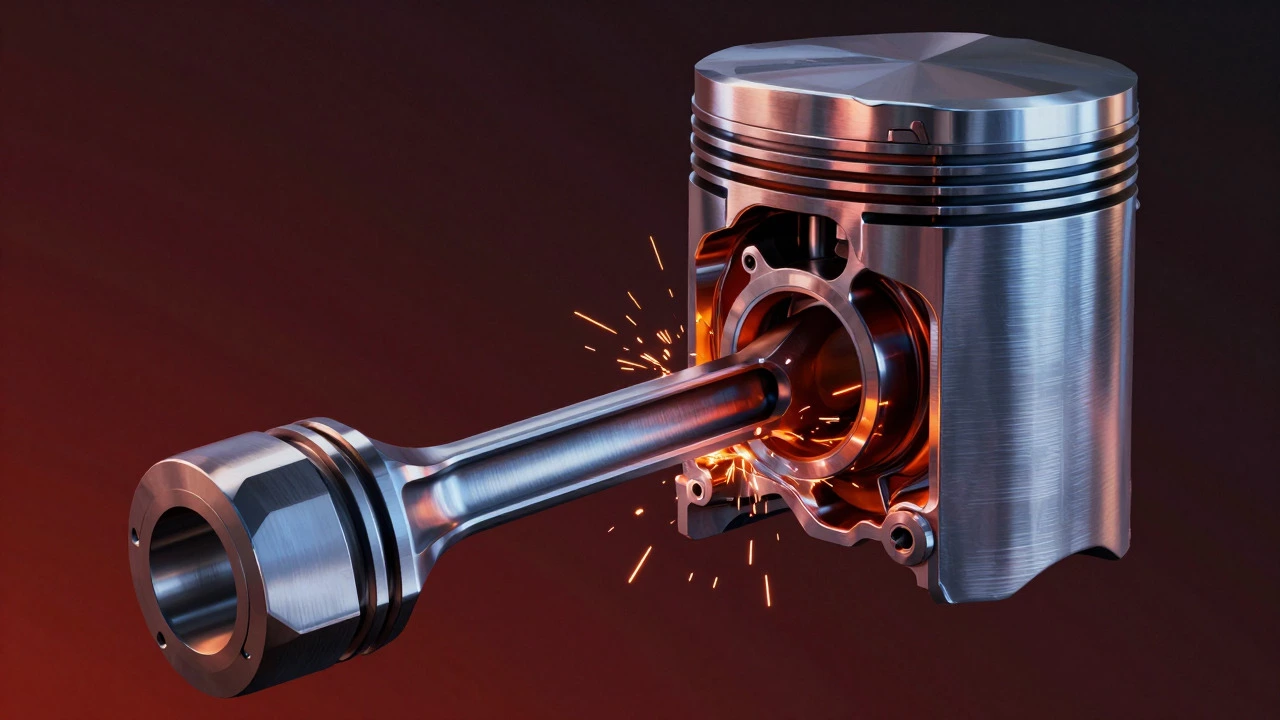
Grinding or Scraping: Metal-on-Metal Contact
While knocking and ticking are warnings, grinding is an emergency. A harsh, metallic grinding or scraping noise suggests that the protective oil film has failed entirely, and metal components are making direct contact. This could be the timing chain slapping against its guides due to lack of tension (which is oil-pressure dependent) or internal gears grinding together.
In modern cars with timing chains rather than belts, low oil can cause the chain to stretch or jump teeth, resulting in a rattling or grinding sound, especially during cold starts. If you hear this, stop driving immediately. The cost of a new timing chain is significant, but the cost of replacing an engine because the valves started punching holes in the pistons is astronomical.
How to Confirm Low Oil vs. Other Issues
Hearing a noise is only half the battle; confirming the cause prevents unnecessary repairs. Here is a quick checklist to determine if your car actually needs oil:
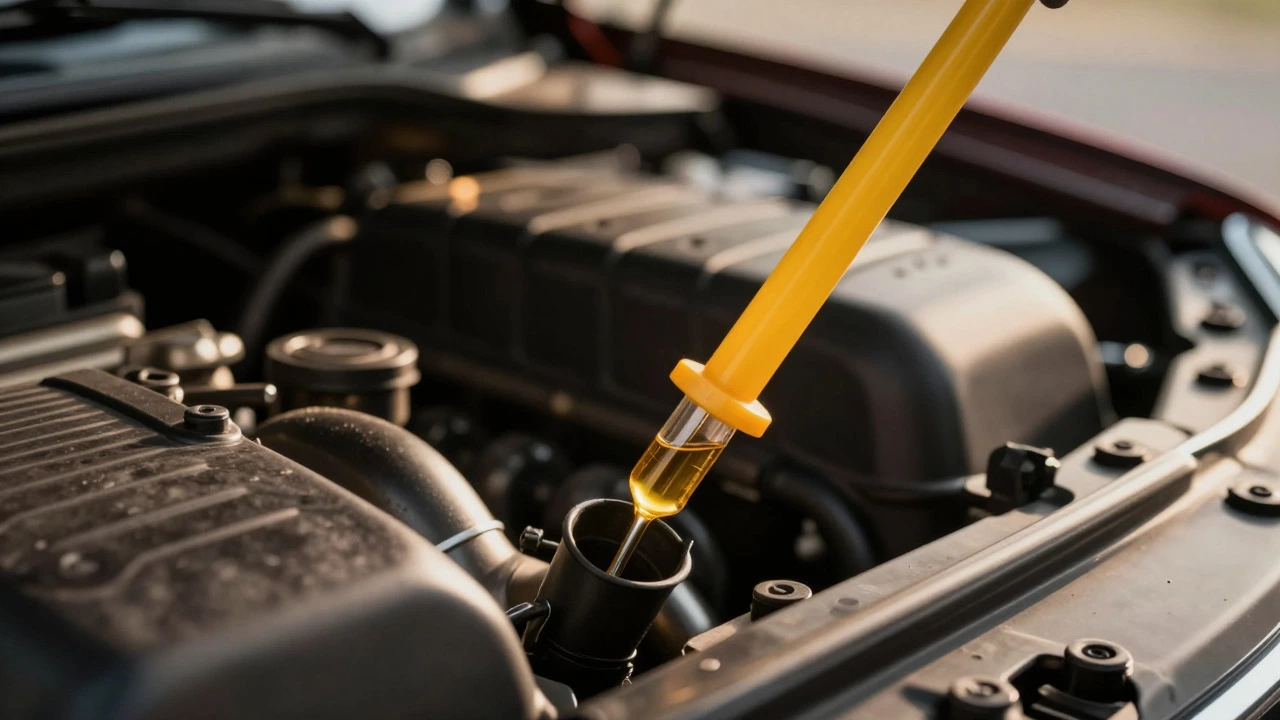
- Check the Dipstick: Turn off the engine and wait five minutes for the oil to settle back into the sump. Pull the dipstick, wipe it clean, reinsert it fully, and pull it out again. If the oil level is below the minimum mark, you have found your problem.
- Look at the Color: Fresh oil is amber or light brown. If it looks black and gritty, it’s old and contaminated, even if the level is okay. Old oil loses its viscosity and lubricating properties, causing similar noises to low oil.
- Listen to the Context: Does the noise happen only when cold? This points to thickened oil or worn seals. Does it happen only under load? This suggests oil pressure issues under stress.
- Check for Leaks: Look under your car for puddles. Brown or black slicks indicate an oil leak, which explains why your levels dropped.

Comparison of Engine Noises
| Noise Type | Sound Description | Likely Cause | Urgency Level |
|---|---|---|---|
| Rod Knock | Deep, rhythmic thumping | Worn main bearings or connecting rod bearings | Critical - Stop Driving |
| Valve Tick | Fast, sharp ticking/tapping | Low oil pressure affecting hydraulic lifters | High - Check Immediately |
| Oil Pump Whine | High-pitched whining/howling | Oil pump cavitating due to low fluid | High - Add Oil ASAP |
| Timing Chain Rattle | Loud rattling, especially on startup | Stretched chain or worn tensioner (oil-related) | Medium-High - Inspect Soon |
| Grinding | Harsh, metallic scraping | Direct metal-to-metal contact | Critical - Do Not Drive |
Why Oil Levels Drop Silently
Many drivers assume that if their car is burning oil, they will see smoke. While blue exhaust smoke is a classic sign of oil consumption, it is not always visible, especially in mild conditions or with minor leaks. Modern engines are designed to be efficient, sometimes consuming a quart of oil every 1,000 miles without obvious external signs.
Additionally, synthetic oils, while superior in performance, can sometimes highlight underlying wear patterns that conventional oils masked. If you switch to a thinner synthetic blend, you might notice noises sooner because the oil is reacting more quickly to temperature changes and clearances. This isn’t necessarily bad; it’s better to know now than later.
Preventative Maintenance Tips
To avoid these scary noises altogether, adopt a proactive approach to your vehicle’s health. First, make checking your oil level a monthly habit. It takes thirty seconds and requires no tools. Second, follow the manufacturer’s recommended service intervals, but adjust based on your driving style. If you do a lot of short trips, city driving, or towing, change your oil more frequently than the manual suggests. Short trips prevent the engine from reaching optimal operating temperature, leading to moisture and fuel contamination in the oil.
Also, pay attention to the oil pressure warning light on your dashboard. If it illuminates while driving, pull over safely and shut off the engine immediately. This light indicates critically low pressure, not just low volume. Driving with this light on can destroy an engine in minutes.
Can low oil cause a car to shake?
Yes, low oil can cause vibrations or shaking. When engine components like bearings wear down due to lack of lubrication, they create excessive clearance. This allows parts to move irregularly, causing the engine to run rough and vibrate. You may feel this shaking through the steering wheel or the seat, particularly at idle.
How much oil should I add if the level is low?
If the dipstick shows the level is halfway between the min and max marks, add approximately one quart (or liter). Always add oil gradually, rechecking the dipstick after each addition. Overfilling is just as dangerous as underfilling, as excess oil can foam, reducing lubrication efficiency and potentially damaging seals.
Is it safe to drive if my car is ticking?
It depends on the source. If the ticking goes away after adding oil, it was likely just low pressure, and it is safe to continue driving after ensuring levels are correct. However, if the ticking persists despite full oil levels, it could indicate mechanical wear in the valve train. In this case, you should drive gently to the nearest mechanic for inspection to prevent further damage.
Does using the wrong oil viscosity cause noise?
Absolutely. Using oil that is too thin (low viscosity) may not provide enough cushioning for older engines with wider tolerances, leading to knocking. Conversely, oil that is too thick (high viscosity) may not flow quickly enough during cold starts, causing temporary ticking until it warms up. Always use the viscosity grade specified in your owner’s manual.
How often should I check my oil level?
You should check your oil level at least once a month, or before any long journey. For older vehicles or those known to consume oil, check it every two weeks. Checking is easy and free, making it the most effective way to catch problems before they become expensive repairs.