Brake Service Time Estimator
Estimated Duration
* This is an estimate. Actual time may vary based on vehicle make, model, and specific hardware conditions.
Key Takeaways on Brake Service Timing
- Standard Pad Swap: Usually takes 1 to 2 hours per axle.
- Full Brake Overhaul: Expect 3 to 5 hours if rotors are replaced or resurfaced.
- DIY Timing: A beginner might spend a whole Saturday (6-8 hours) doing what a pro does in two.
- Hidden Delays: Stuck bolts or rusted calipers can easily add an hour to the clock.
The Basic Brake Pad Swap: The Quickest Scenario
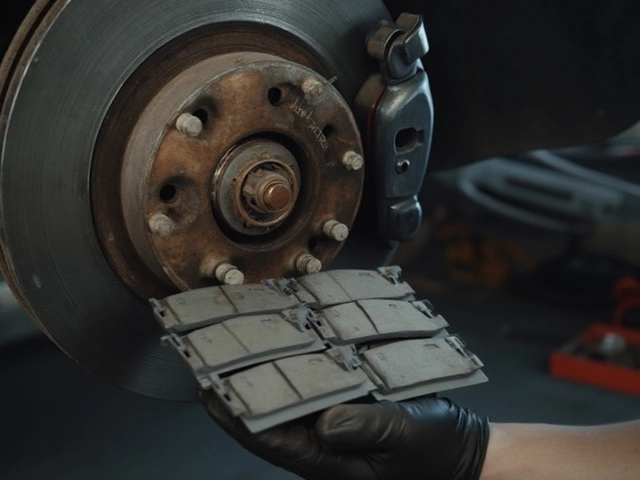
When a mechanic talks about a "simple brake job," they usually mean replacing the brake pads is the only priority. Brake pads are the friction material that presses against the rotor to stop the vehicle. If your brake linings are thin but the rest of the system is healthy, the process is straightforward.
For a professional technician using a hydraulic lift and power tools, replacing the pads on one axle (either front or rear) typically takes between 60 and 90 minutes. This includes the time to take the wheels off, remove the calipers, swap the pads, and put everything back together. If you're getting both the front and rear done, double that time. However, since most shops have two techs working on a car, they can often knock out a full set of pads in under two hours.
When Rotors Enter the Picture: Why the Clock Slows Down
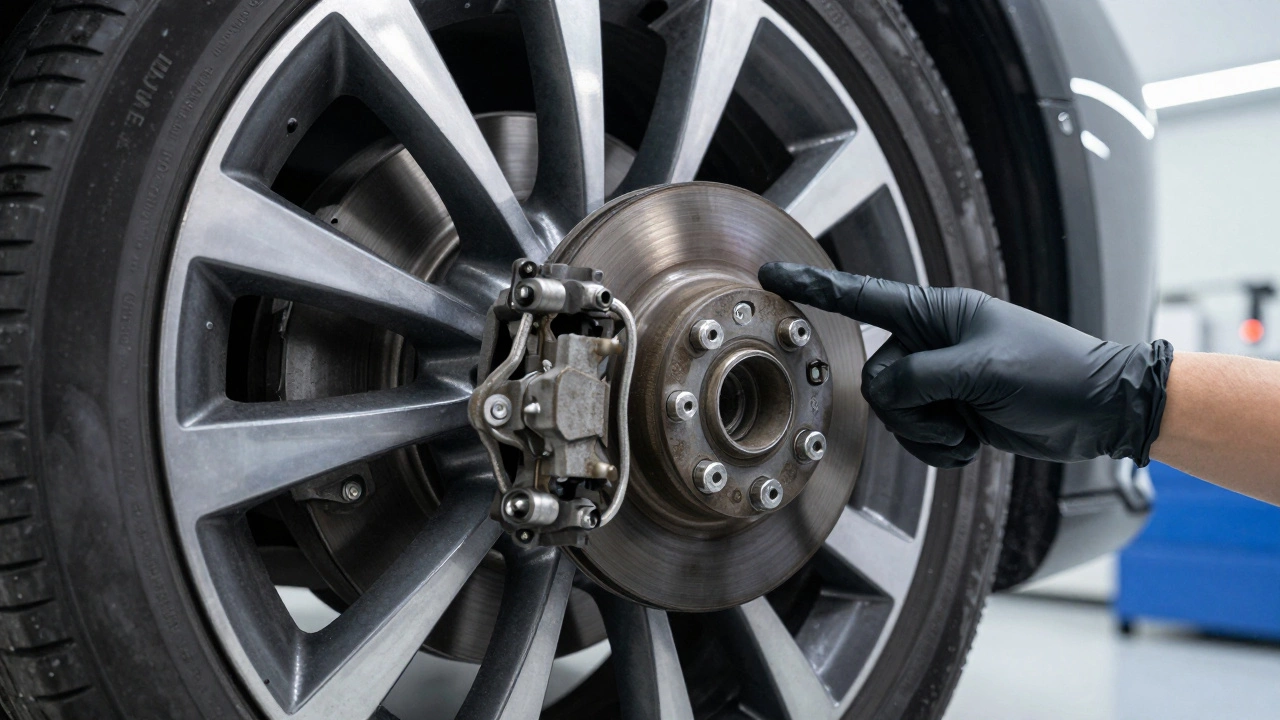
It's rare that you only replace pads. More often than not, the Brake Rotors need attention. Brake rotors are the circular metal discs that rotate with the wheel and provide the surface for the pads to grip. If you feel a vibration in the steering wheel when braking, your rotors are likely "warped."
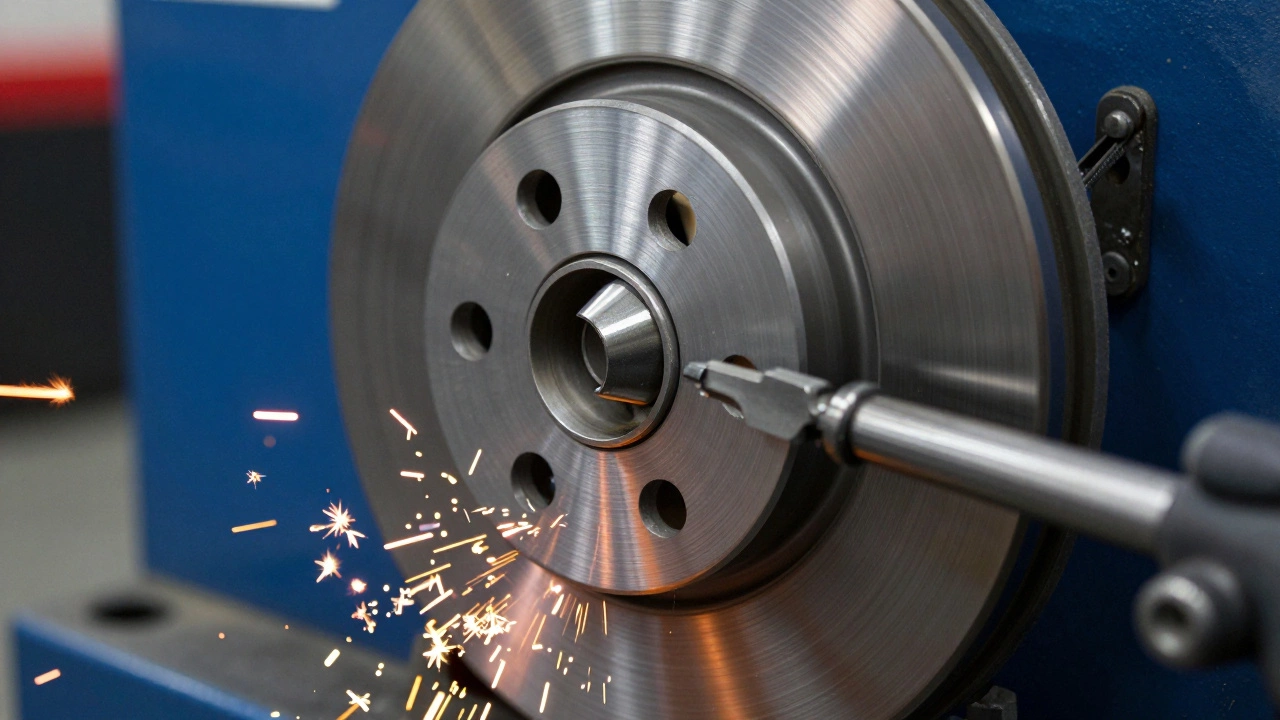
There are two ways to handle rotors, and each changes the timeline. First, there's resurfacing (or "turning") the rotors. This involves putting the rotor on a Brake Lathe to shave off a thin layer of metal to make the surface flat again. This adds about 30 to 60 minutes per rotor. Second, there's full replacement. While replacing a rotor is actually faster than machining one, the shop may have to wait for the parts to be delivered if they don't have your specific model in stock.
| Service Type | Estimated Time (Per Axle) | Complexity Level | Typical Trigger |
|---|---|---|---|
| Brake Pad Replacement Only | 1 - 1.5 Hours | Low | Squealing noises, thin pads |
| Pads + Rotor Resurfacing | 2 - 3 Hours | Medium | Steering wheel shake/vibration |
| Pads + New Rotors | 1.5 - 2.5 Hours | Medium | Deep grooves/rust on rotors |
| Full Caliper Rebuild/Replacement | 3 - 5 Hours | High | Brake fluid leak, sticking piston |
The Variable Factors: What Actually Causes Delays?
If you've ever been told your car would be ready at 2 PM and it's actually 5 PM, it's usually because of "the unknowns." In the automotive world, the biggest enemy is rust. If you live in a place where roads are salted in the winter, those Brake Calipers (the clamps that hold the pads) can practically weld themselves to the brackets.
When a bolt is seized, a mechanic can't just zip it off with an impact wrench. They have to use penetrating oil, heat torches, or even manually drill out the bolt. A single stuck bolt on one wheel can turn a one-hour job into a three-hour ordeal. Another common delay is the Brake Fluid flush. If your fluid is dark or contaminated, the technician will need to bleed the lines to remove air bubbles and old fluid. This process is meticulous and can add another 30 to 60 minutes to the total service time.
DIY Brake Jobs: The Reality of Doing it Yourself
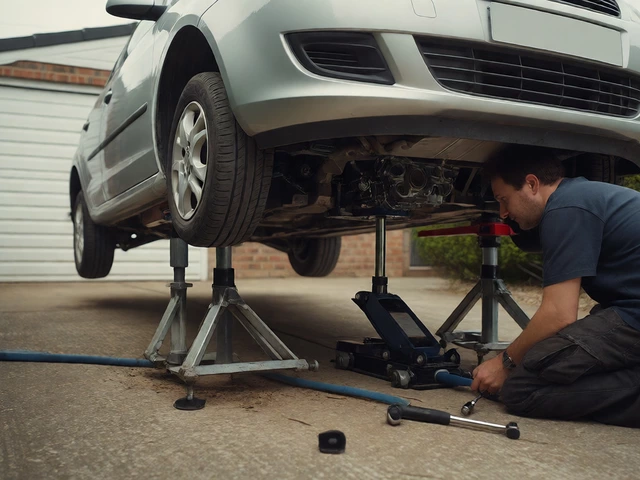
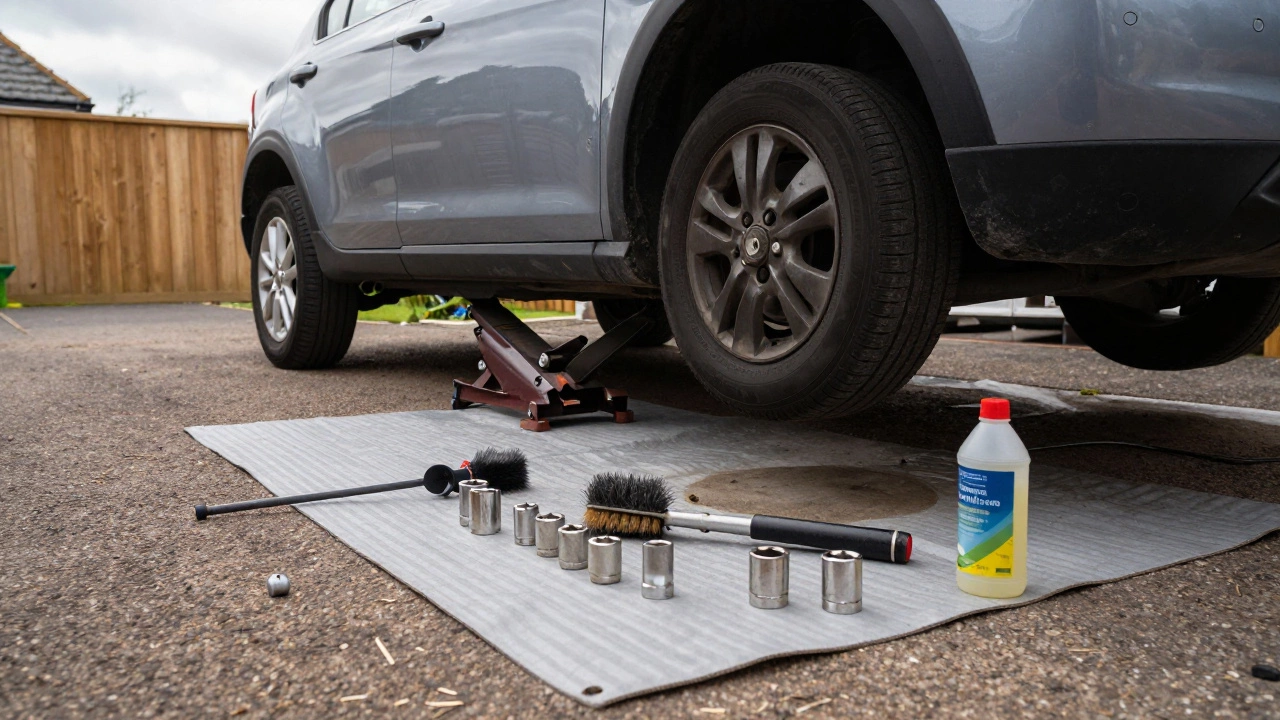
If you're planning to tackle this in your driveway, don't expect professional timelines. A pro has a lift that puts the car at eye level; you have a Floor Jack and unstable jack stands. You'll spend more time fighting with lug nuts and searching for the right socket size than actually changing the parts.
For a first-timer, a brake job can easily take a full day. You'll likely spend an hour just gathering tools and prepping the workspace. Then, you'll find that the caliper slide pins are stuck, and you'll spend another hour scrubbing them with a wire brush. While it's a great way to save money, the "time cost" is significantly higher. Be prepared for the learning curve-especially when it comes to pumping the pedal to seat the pads before you drive off.
Post-Installation: The "Bedding-In" Process
The time spent in the shop isn't the only time you need to account for. Once you get your car back, you can't just go drive 80 mph on the motorway. New pads need to be "bedded in." This means performing a series of controlled stops to transfer a thin layer of pad material onto the rotor surface.
This process usually takes about 15 to 20 minutes of driving in a quiet residential area. If you skip this and immediately slam on the brakes at high speeds, you risk glazing the pads, which reduces their stopping power and can cause that annoying squeal to return almost immediately. It's a small time investment that protects the longevity of your new hardware.
Why does my mechanic say a brake job takes all day if the work only takes two hours?
Shop scheduling is the main culprit. A mechanic doesn't just work on your car; they have a queue of 5-10 vehicles. Your car might sit in the bay for two hours of actual labor, but it may wait three hours for a technician to become available or for a parts delivery truck to arrive with your specific rotors.
Can I just replace the pads and leave the old rotors?
You can, but it's often a bad idea. If the rotors have deep grooves or are warped, new pads will wear down unevenly and very quickly. It's like putting a brand new tire on a bent rim; it might work for a while, but the ride will be rough and the part will be ruined prematurely.
Does replacing rear brakes take as long as front brakes?
Usually, yes, but some modern cars have electronic parking brakes. These require a diagnostic tool to "retract" the electronic piston before the pads can be changed. If the shop doesn't have the right software or the tool is acting up, the rear brakes can actually take longer than the front.
What is the fastest way to get a brake job done?
The fastest route is to book an appointment at a specialized brake and alignment shop rather than a general garage. These shops have the specific equipment (like on-car brake lathes) and a high volume of common pad/rotor combos in stock, reducing the wait for parts.
Will I notice a difference in braking immediately after the service?
Yes. You'll likely notice that the pedal feels firmer and the screeching stops. However, for the first few miles, the braking might feel slightly "soft" until the pads make full contact with the rotors during the bedding-in process.
Next Steps and Troubleshooting
If you've just had your brakes done and you're experiencing a "spongy" pedal, don't panic-but don't ignore it. This usually means there is air in the brake lines, and you need to go back to the shop for a quick bleed. This is a 15-minute fix that is critical for safety.
For those planning a DIY job, start by checking your tools. Do you have a C-clamp or a brake piston compressor? If not, you'll be stuck halfway through the job unable to push the piston back into the caliper. Buy a basic brake tool kit before you take the wheels off. If you encounter a bolt that won't budge, stop before you snap the head off. Use a high-quality penetrating oil and let it soak for 30 minutes; fighting a rusted bolt with raw force is the fastest way to turn a 2-hour job into a 2-day nightmare.