Muffler Delete Risk & Outcome Calculator
Vehicle Configuration
Select options and click Analyze.
Projected Outcomes
-
✓
Performance: -
-
⚠
Noise Level: -
-
✗
Legality/Road Use: -
-
⚠
Tech Risks (CEL/ECU): -
Configure your vehicle settings to see potential risks and benefits.
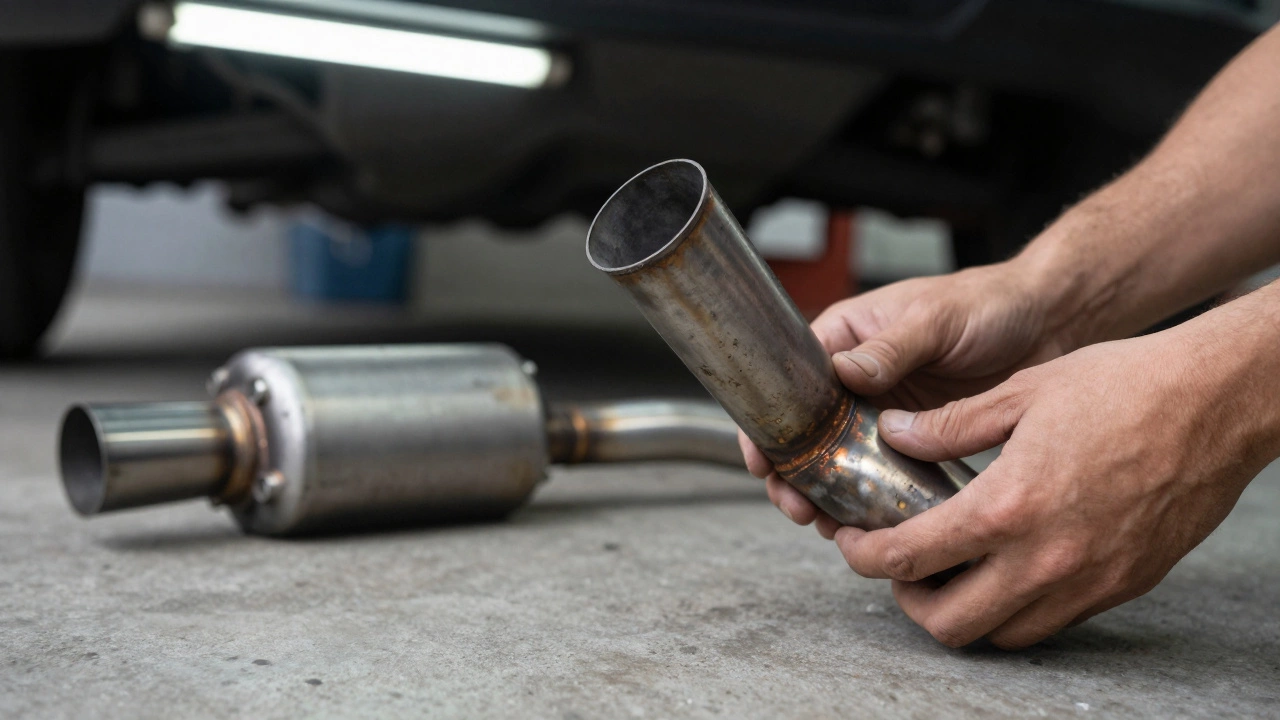
There is a persistent myth in the car community that removing your muffler will instantly destroy your engine. You hear it in forums, see it on social media videos, and maybe even read it from a mechanic who prefers traditional repairs over modifications. The short answer is no, a muffler delete will not directly cause mechanical failure or blow up your engine. However, the reality is more nuanced than a simple yes or no. While your pistons won’t explode because you removed a can of metal, ignoring the physics of exhaust flow can lead to secondary issues that cost you money later.
The Myth of Backpressure
To understand why people fear muffler deletes, we have to talk about backpressure. This term gets thrown around constantly, often incorrectly. Many believe engines need backpressure to run properly. They think that if the exhaust flows out too easily, the engine loses power. This is largely a misconception rooted in older, less efficient engine designs.
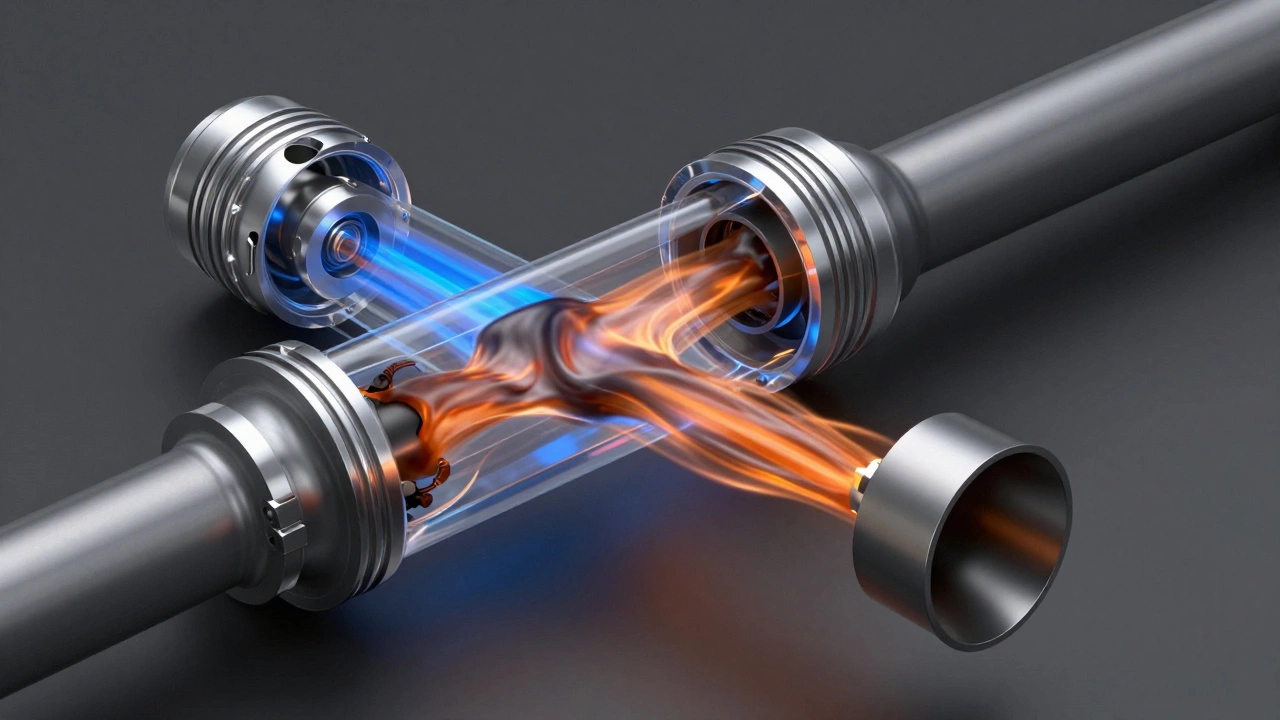
In modern internal combustion engines, particularly those manufactured after the year 2000, the goal is actually to minimize resistance. Your engine works by creating pressure inside the cylinders to push the pistons down. When the exhaust valve opens, it needs to expel burnt gases as quickly as possible to make room for fresh air and fuel. Any restriction in this path-whether it’s a clogged catalytic converter or a restrictive muffler-forces the engine to work harder to push out old gases. This extra work reduces efficiency and slightly lowers horsepower.
Removing the muffler eliminates one major source of restriction. In most cases, this results in a slight increase in high-RPM power and better throttle response. The engine breathes easier. It does not "starve" the engine; it helps it clear its lungs faster.
What Actually Changes When You Delete the Muffler?
If the engine isn't going to break, what are you actually changing? The primary change is acoustic. A muffler uses chambers and baffles to cancel out sound waves. Without it, your exhaust note becomes raw, loud, and often raspy. Depending on your vehicle, it might sound like a sporty growl or a tinny rattle.
Beyond noise, there are practical changes:
- Water Intrusion: Mufflers are designed with drainage holes. If you simply cut the muffler out and leave the tailpipe open at the bottom, water can pool in the exhaust pipe during rain or car washes. This water can rust the internal components of the exhaust system from the inside out.
- Heat Management: Mufflers help dissipate heat. Removing it means hotter exhaust gases travel further down the line, potentially affecting nearby components like wiring harnesses or plastic trim.
- Emissions Compliance: While the muffler itself doesn't filter emissions (the catalytic converter does), modifying your exhaust system may violate local noise ordinances and environmental regulations. In many places, including parts of the UK and US, driving without a functioning silencing device is illegal.
When Can a Muffler Delete Cause Problems?
While the act of deletion doesn't hurt the engine, the *method* of doing it can create headaches. Here are the specific scenarios where things go wrong:
1. Check Engine Light (CEL) Triggers
Modern cars are packed with sensors. Some vehicles have oxygen sensors located near or inside the muffler assembly. If you cut the pipe and disrupt the sensor's mounting point or its reference to atmospheric pressure, your Engine Control Unit (ECU) may throw a code. This puts the car into "limp mode," reducing power and hurting fuel economy until fixed. Always check sensor locations before cutting.
2. Resonance and Vibration
A well-designed exhaust system manages resonance-the natural frequency of sound waves. Removing the muffler can sometimes create standing waves that vibrate excessively. These vibrations can loosen bolts, crack welds, or even damage mounts over time. If your steering wheel starts shaking at certain speeds after a delete, you’ve created a resonance issue.
3. Turbocharger Lag (In Forced Induction Engines)
For turbocharged cars, the relationship between exhaust flow and performance is tighter. Turbos rely on exhaust gas velocity to spin the turbine. A straight-pipe delete might reduce backpressure too much at low RPMs, causing the turbo to spool slower. This isn't engine damage, but it feels like a loss of performance. Most turbo owners prefer a high-flow downpipe rather than a simple muffler delete.
The Difference Between Muffler Delete and Straight Piping
It is crucial to distinguish between a muffler delete and straight piping. These are two different modifications with different impacts.
| Feature | Muffler Delete | Straight Pipe |
|---|---|---|
| Definition | Removing only the muffler, keeping resonators/cats | Removing all restrictions: muffler, cats, resonators |
| Engine Safety | Generally safe for stock engines | Risky due to potential ECU mapping errors |
| Legal Status | Often illegal on public roads | Almost always illegal and fails emissions |
| Noise Level | Loud, but retains some tone | Extremely loud, often painful |
| Performance Gain | Minimal to moderate | Higher, but requires tuning |
Straight piping removes the catalytic converters as well. This is where real danger lies. Catalytic converters do more than just reduce emissions; they also play a role in the ECU's ability to calculate air-fuel ratios accurately. Removing them without a proper tune can cause the engine to run too rich or too lean, leading to overheating, misfires, and eventual engine damage. A muffler delete, by contrast, leaves the cats intact, preserving the chemical balance the computer expects.
Long-Term Effects on Engine Life
If you keep your muffler deleted for years, will it shorten your engine's life? Not significantly, provided you address the secondary issues. The biggest risk is corrosion. Exhaust systems are already prone to rust. Without the muffler to trap moisture and debris, water can sit in the pipes longer. Over time, this accelerates rust formation in the remaining pipes and hangers.
Additionally, increased noise can mask important warning signs. A failing bearing or a loose heat shield makes a distinct sound. If your exhaust is already deafeningly loud, you might miss these early warnings until the problem becomes catastrophic. Regular inspections become more critical when you modify your exhaust.

How to Do It Safely
If you decide to proceed with a muffler delete, follow these steps to minimize risks:
- Check Local Laws: Verify noise limits in your area. In the UK, for example, modified exhausts must pass an MOT test regarding noise levels. A delete will likely fail.
- Inspect Sensors: Locate all oxygen sensors. Ensure your new pipe setup allows them to remain connected and undamaged.
- Use Proper Fittings: Don't just weld a straight pipe on haphazardly. Use flanges and gaskets to ensure a leak-free seal. Exhaust leaks can introduce unmetered air, confusing the ECU and causing rough idling.
- Add a Resonator: Consider installing a resonator instead of completely deleting the muffler. Resonators cancel out specific low-frequency drone noises while still allowing good flow. This gives you a louder sound without the annoying cabin boom.
- Tune if Necessary: For forced induction vehicles, consider a custom tune to optimize the air-fuel ratio for the new exhaust flow.
Alternatives to a Full Delete
If you want more sound and performance without the legal and maintenance headaches, consider these alternatives:
- High-Flow Mufflers: Brands like Borla, MagnaFlow, and Flowmaster offer mufflers designed to reduce backpressure while maintaining a refined tone. These are street-legal in most areas.
- Performance Cat-Back Systems: These replace everything from the catalytic converter back. They use larger diameter pipes and optimized geometry to improve flow without being excessively loud.
- Valved Exhausts: Advanced systems allow you to switch between quiet and loud modes via a button in the cabin. This lets you comply with laws during daily driving and enjoy the sound on the track.
Will a muffler delete void my warranty?
Not necessarily. Under laws like the Magnuson-Moss Warranty Act in the US, manufacturers cannot void your entire warranty unless they can prove the modification caused the specific damage. However, if you have an engine failure related to exhaust flow or overheating, they may deny that claim. In the UK, similar consumer protection laws apply, but dealerships may still scrutinize claims closely.
Does removing the muffler improve fuel economy?
The improvement is usually negligible, often less than 1-2%. While reduced backpressure helps the engine breathe, modern ECUs are so efficient that the gain is minimal. You are unlikely to notice a significant difference at the pump unless you also adjust your driving habits.
Can I put the muffler back on later?
Yes, but it depends on how you did the delete. If you used clamps or slip-fit connections, reinstallation is easy. If you welded the pipes together permanently, you would need to cut the welds and fabricate new sections to reinstall the original muffler, which can be costly.
Is a muffler delete bad for diesel engines?
Diesel engines are more sensitive to exhaust modifications due to their reliance on precise exhaust gas recirculation (EGR) and diesel particulate filters (DPF). Deleting the muffler alone is usually safe, but altering other parts of the exhaust system can cause DPF clogging or EGR errors, leading to expensive repairs. Proceed with caution on diesels.
Why does my car feel sluggish after a muffler delete?
This is often psychological or related to improper installation. If the exhaust has leaks, the oxygen sensors may read incorrect data, causing the ECU to enrich the fuel mixture unnecessarily. Check for exhaust leaks first. If there are no leaks, the perceived sluggishness might be due to changed torque characteristics at low RPMs, especially in turbocharged vehicles.