Radiator Health Checker
Check Your Radiator Health
Answer these 7 questions based on the symptoms described in the article. Each 'Yes' indicates a potential issue.
If your car keeps overheating, or you keep topping up coolant every few days, your radiator might be failing. A bad radiator doesn’t always scream for attention-it often whispers with small leaks, strange smells, or odd temperature gauge behavior. By the time you see steam, it’s already too late. Knowing the early signs can save you from a broken engine, a tow truck bill, or worse-a stranded car in the rain.
1. Your Engine Overheats Constantly
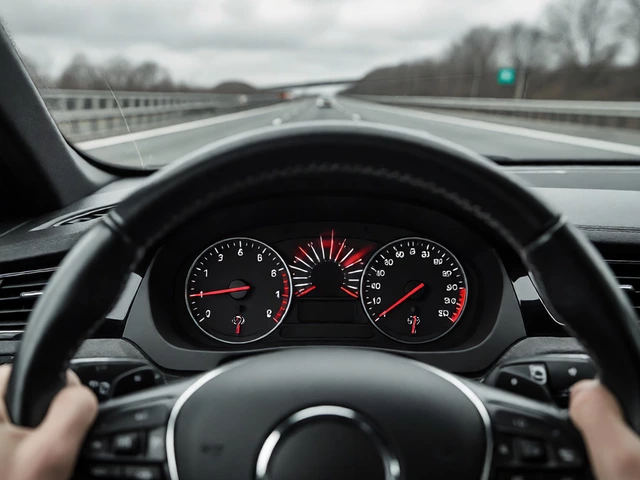
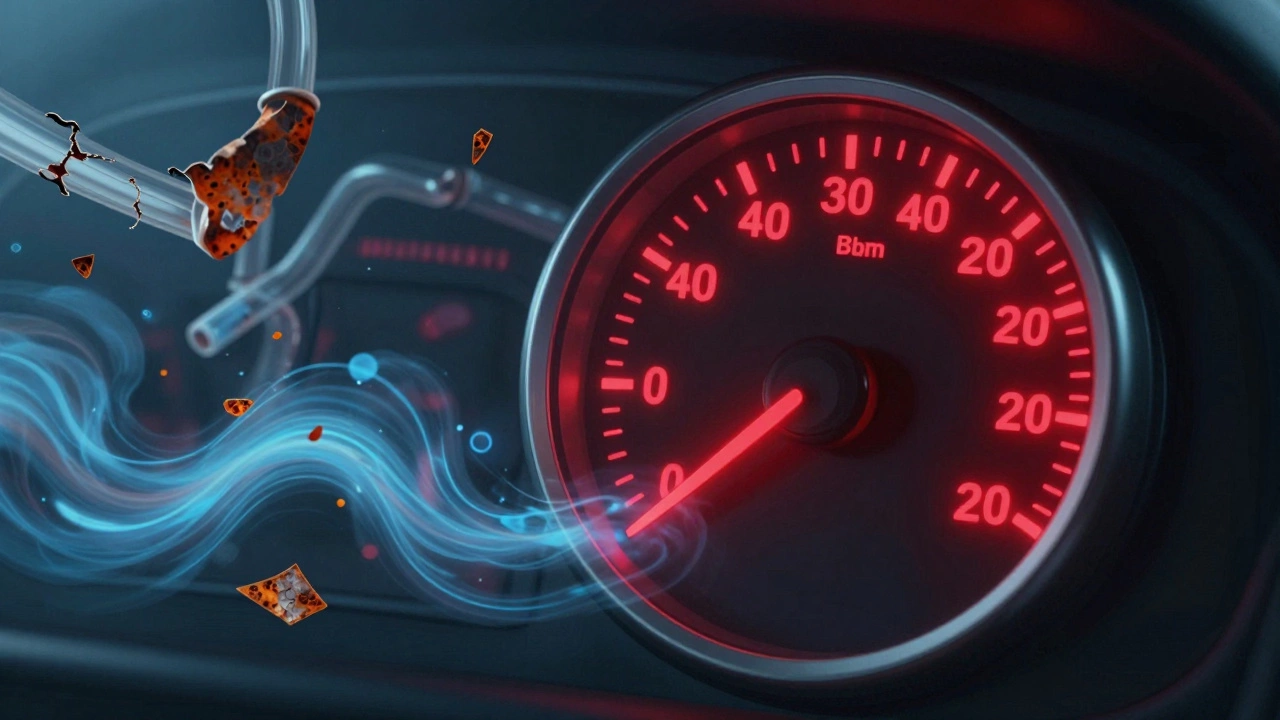
Overheating is the most obvious sign, but it’s not always the first. If your temperature gauge regularly climbs into the red zone-even on short drives or mild days-your radiator isn’t doing its job. A healthy radiator pulls heat away from the engine and releases it into the air. When it’s clogged, cracked, or leaking, that heat stays trapped.
Don’t ignore this. Modern engines are designed to shut down before damage occurs, but repeated overheating can warp cylinder heads, blow head gaskets, or even crack the engine block. If your car overheats more than once in a month, assume the radiator is the root cause until proven otherwise.
2. Coolant Is Disappearing Without a Trace
Check your coolant reservoir every time you fill up. If you’re refilling it every 500 miles or less, something’s wrong. A healthy system should last 12-18 months without needing a top-up. Constant low coolant levels mean you’re losing fluid somewhere.
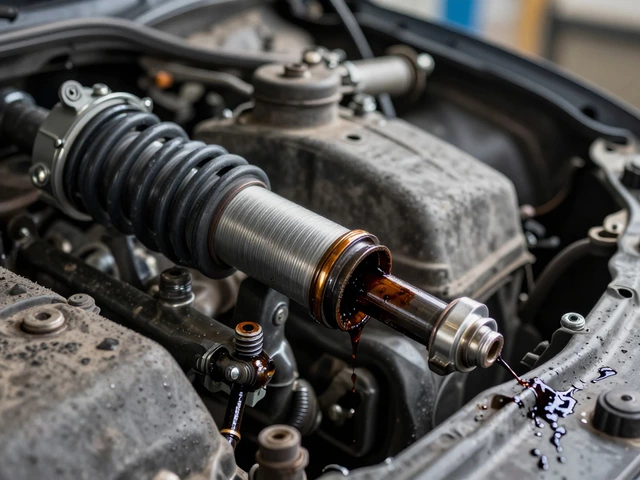
Look under the car after parking. Puddles of green, orange, or pink fluid? That’s coolant. It smells sweet, like candy or syrup. If you see it pooling under the front of your car, near the radiator, it’s leaking. But even if you don’t see a puddle, the leak could be inside the radiator-tiny cracks in the core or worn seals letting coolant escape slowly into the engine or onto hot parts, where it evaporates before hitting the ground.
3. Rust or Sludge in the Coolant
Take off the radiator cap (only when the engine is cold!) and peek inside. If the coolant looks muddy, rusty, or has thick flakes floating in it, your radiator is corroding from the inside. Coolant should be clear and bright-like colored water. Rust or sludge means the metal inside the radiator is breaking down.
This isn’t just a cleaning issue. Rust particles clog narrow coolant passages, reducing flow and causing hot spots in the engine. Older cars with steel radiators are especially prone. Even newer aluminum radiators can corrode if the coolant hasn’t been changed in years. Most manufacturers recommend a coolant flush every 30,000-50,000 miles. If you haven’t done one in 80,000 miles, your radiator is likely already damaged.
4. The Radiator Looks Damaged or Bulging
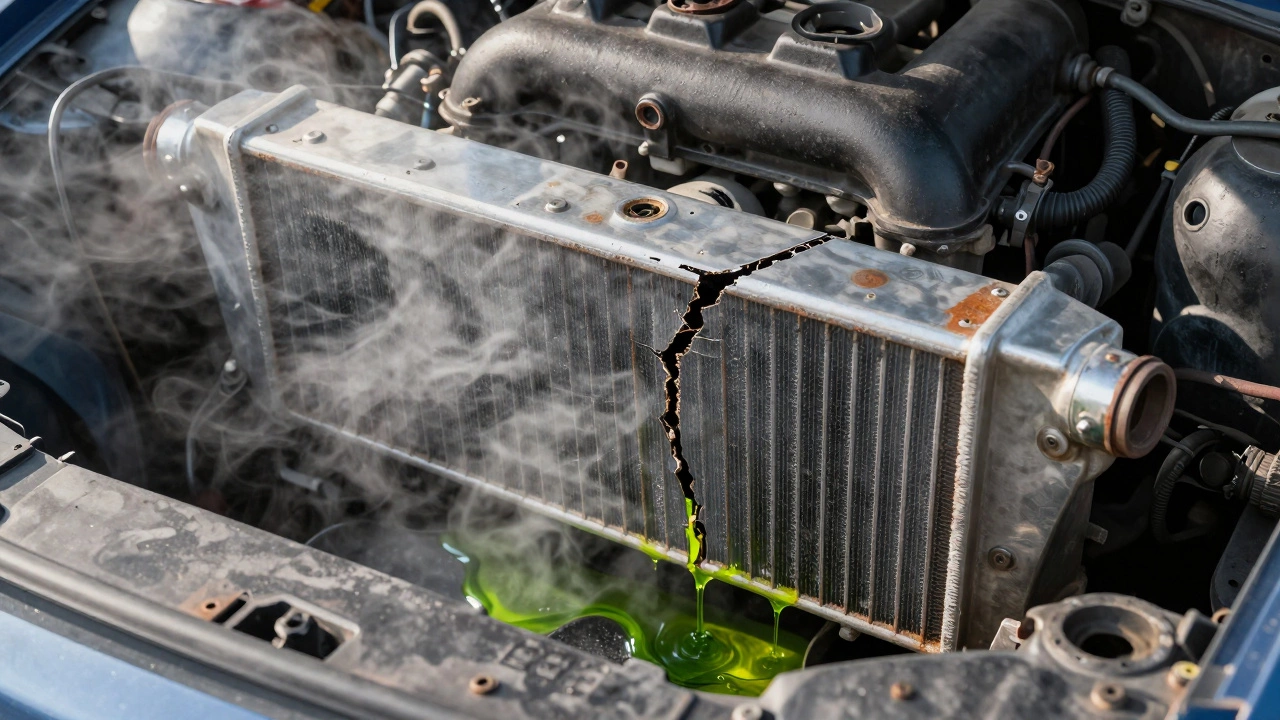
Pop the hood and take a close look at the radiator itself. Look for dents, cracks, or bulges. A radiator that’s been hit by road debris (like a rock or piece of metal) can develop hairline fractures. These aren’t always visible from the outside, but pressure builds inside, and the tank might swell slightly.
Also check the plastic end tanks. They’re the most common failure point. Over time, heat and vibration cause them to crack or warp. You might notice the radiator looks slightly out of shape, or the hoses don’t sit flush. If you can press on the side of the radiator and it gives way, it’s not holding pressure properly. That’s a death sentence for cooling efficiency.
5. You Smell Sweet Odors or See Steam
That sweet, syrupy smell when you open the door after driving? That’s coolant burning off. It’s often the first sign of a small internal leak-coolant seeping into the engine bay or onto the exhaust manifold, where it turns to steam.
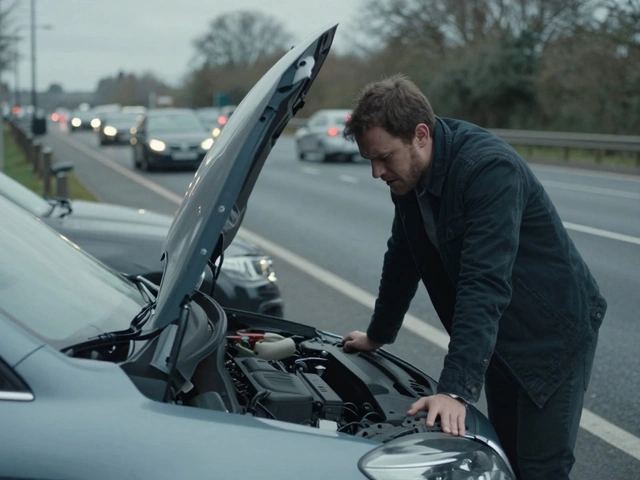
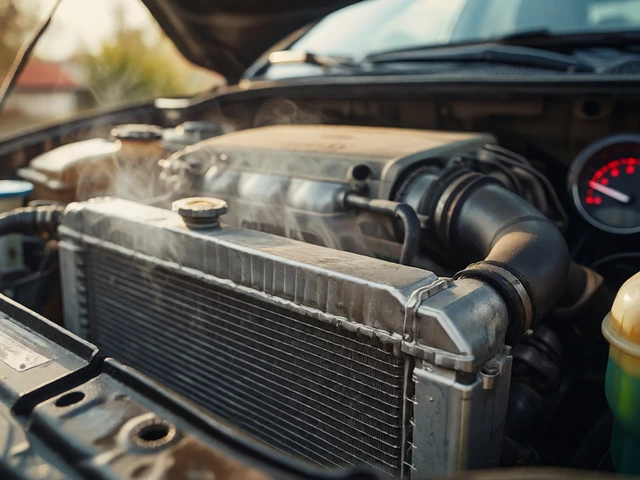
Steam rising from under the hood while driving? That’s serious. It means coolant is boiling inside the system because the radiator can’t cool it down. Don’t keep driving. Pull over, turn off the engine, and wait 20 minutes before opening the hood. Steam means you’re minutes away from catastrophic engine failure.
6. The Heater Blows Cold Air
Your car’s heater uses hot coolant from the engine to warm the cabin. If your heater suddenly stops blowing hot air-even when the engine is fully warmed up-it’s because coolant isn’t flowing properly. A clogged radiator blocks circulation, so the heater core gets no hot fluid.
This often happens alongside overheating. You might think, “The engine’s fine, the heater’s just broken,” but the heater and radiator share the same coolant loop. If one fails, the other usually will too. A cold cabin in January isn’t just uncomfortable-it’s a warning light.
7. Your Car Has High Mileage and Has Never Had a Radiator Replacement
Radiators don’t last forever. Most last between 8 and 12 years, or 100,000-150,000 miles. If your car is older than 10 years and still has its original radiator, you’re playing Russian roulette. Even if it seems fine now, the internal corrosion, weakened seals, and metal fatigue are ticking.
There’s no magic test for radiator age. But if you’ve owned the car for years and never replaced the radiator, and you’re seeing any of the other signs above, replacement is the smart move. Replacing a radiator is cheaper than replacing an engine.
What to Do Next
If you’ve spotted one or more of these signs, don’t wait. Take your car to a mechanic with a pressure tester. They’ll pressurize the cooling system and find leaks you can’t see. They’ll also check the thermostat and water pump-those can mimic radiator problems.
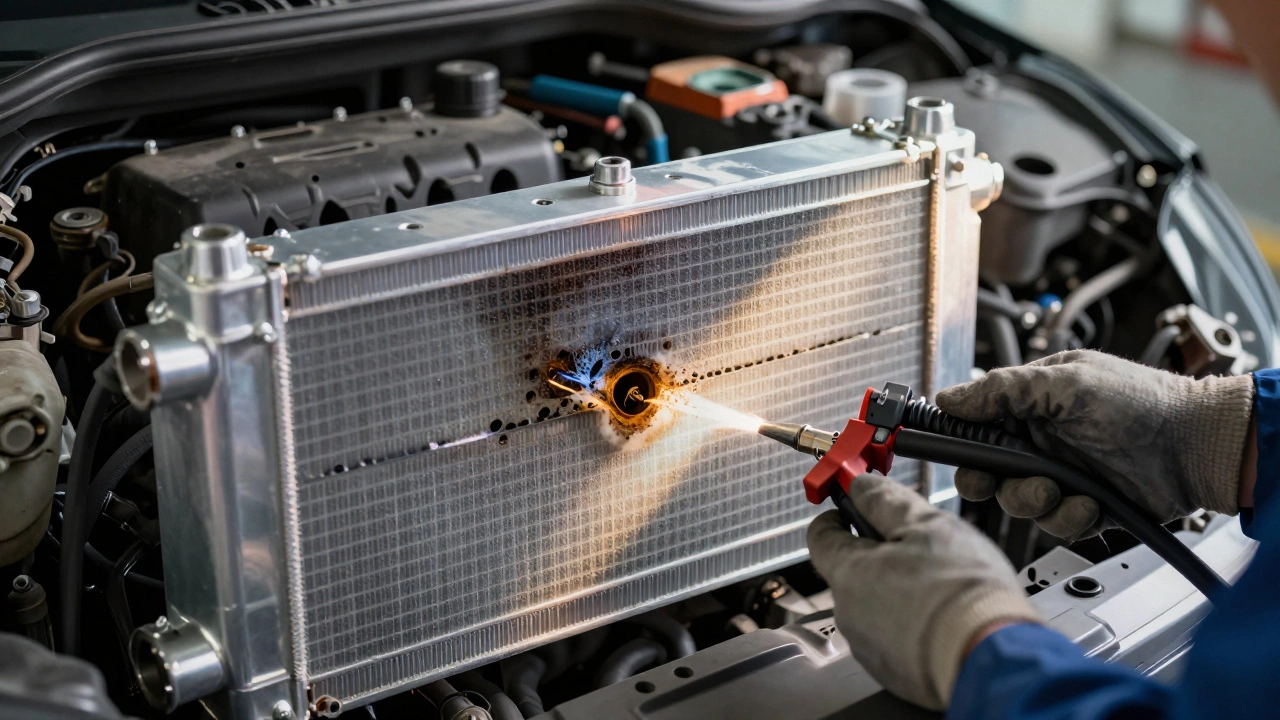
But if the radiator is the culprit, replacement is usually the best fix. Repairing a cracked radiator is rarely cost-effective. Even a professional radiator repair shop will often recommend replacement. Modern radiators are made of aluminum and plastic, and they’re designed to be swapped out, not patched.
When buying a replacement, match the OEM part number. Aftermarket radiators vary in quality. A cheap one might save you £100 upfront but fail in 6 months. Stick with brands like Valeo, Denso, or the original manufacturer’s part. It’s worth the extra £30-£50.
Prevention Tips
Don’t wait for failure. Protect your radiator with simple habits:
- Flush and replace coolant every 30,000-50,000 miles or every 3 years.
- Check coolant levels monthly-especially before long trips.
- Don’t mix coolant types. Always use the same color and formula (OAT, HOAT, or IAT) as the original.
- Inspect radiator hoses and clamps every oil change. A loose hose can cause the same symptoms as a bad radiator.
- Keep the radiator fins clean. Dirt and bugs clog the fins and reduce airflow. Wash them gently with a hose every few months.
A good radiator doesn’t make noise. It doesn’t draw attention. It just works. When it fails, it does so quietly-until your engine starts screaming. Pay attention to the small signs. They’re your car’s way of saying, ‘Fix me before it’s too late.’
Can a bad radiator cause my car to stall?
Yes. If the radiator fails and the engine overheats, modern cars will automatically shut down to prevent damage. This can happen while driving, especially on highways or in traffic. Stalling due to overheating is a direct result of coolant system failure, most often caused by a bad radiator.
How much does it cost to replace a radiator?
In the UK, radiator replacement typically costs between £250 and £550. Parts alone range from £100 to £300, depending on your car make and model. Labour takes 2-4 hours, adding £150-£250. Luxury or complex models (like BMWs or Audis) can cost over £700. Always get a quote that includes coolant refill and system flush.
Can I drive with a leaking radiator?
Not safely. Even a small leak can lead to total coolant loss in under 20 minutes of driving. Once the engine overheats, you risk warping the head gasket or cracking the block-repairs that cost thousands. If you notice a leak, get it towed or drive only to the nearest garage with coolant topped up and the engine monitored closely.
Is a radiator flush enough to fix a bad radiator?
No. A flush removes dirt and old coolant, but it won’t fix cracks, corrosion, or leaks. If the radiator’s metal is failing or the end tanks are warped, flushing won’t help. It’s a maintenance step, not a repair. If you’re seeing signs of damage, replacement is the only reliable fix.
What happens if I ignore a bad radiator?
Ignoring a bad radiator leads to engine overheating, which can destroy the head gasket, warp the cylinder head, or crack the engine block. These repairs cost £2,000-£6,000. A new radiator costs under £500. The longer you wait, the more expensive the damage becomes. It’s not a question of if-it’s a question of when.