Brake System Diagnostic Tool
Enter your current vehicle details and observed symptoms to get a recommendation on whether to replace just the pads, the rotors, or both.
You pull into your driveway, and that familiar squeal hits you again. Or maybe it’s a grinding noise that makes your stomach drop. The first thing most drivers think is, "I need new brake pads." But here’s the tricky part: sometimes the pads are fine, and the real culprit is hiding behind them-the rotors. Swapping pads when you actually need rotors (or vice versa) wastes money and can leave you with unsafe braking performance.
Figuring out whether you need brake rotors or just new brake pads isn’t about guessing. It’s about looking at specific physical signs, understanding how these parts interact, and knowing when wear has gone too far. Let’s break down exactly how to tell the difference so you don’t get ripped off or drive on borrowed time.
Understanding the Partnership: Pads and Rotors
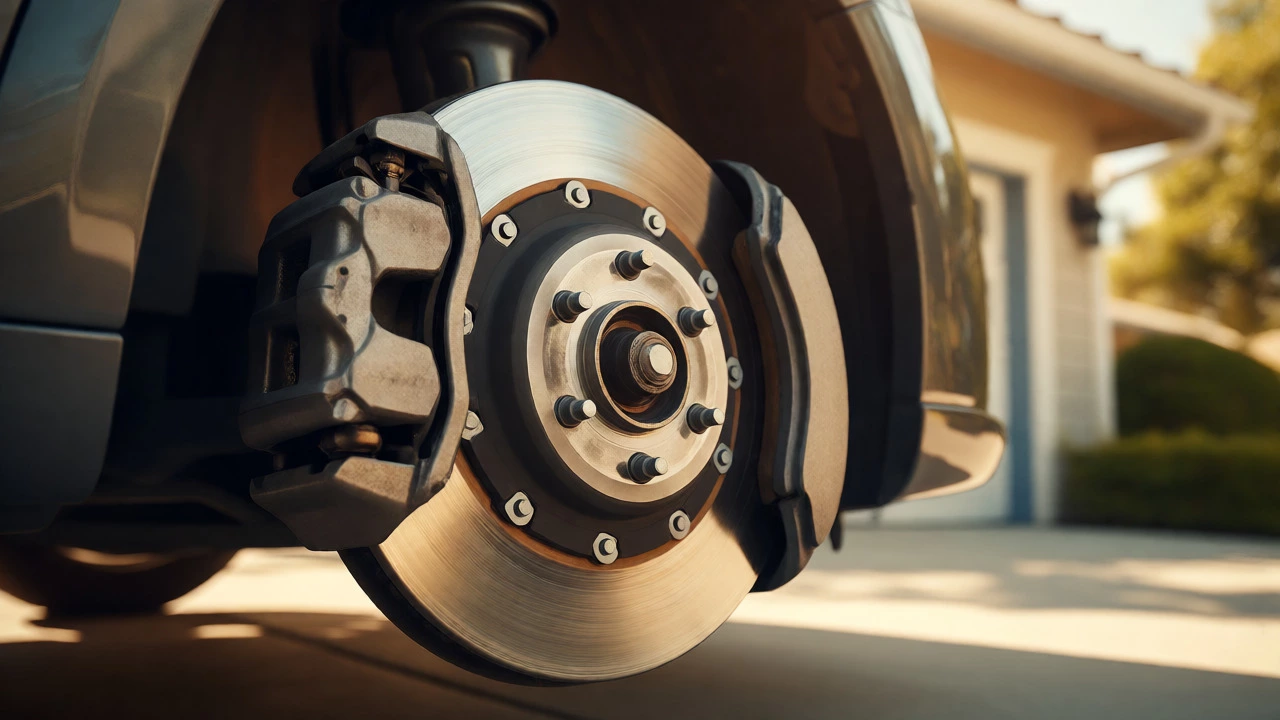
To make the right call, you need to know what each part does. Think of your braking system like a bicycle handbrake, but much more powerful. Brake pads are the friction material attached to metal backing plates. They’re designed to be sacrificial-they wear down to create grip. When you press the pedal, calipers squeeze these pads against the rotors (also called discs), which are the shiny, flat metal circles spinning with your wheels.
The pads do the heavy lifting in terms of wear. A set of organic or semi-metallic pads might last 30,000 to 50,000 miles depending on your driving style. Rotors, made of cast iron or steel, last much longer-often 70,000 to 100,000 miles. However, if you drive with worn-out pads for too long, the metal backing plate digs into the rotor, ruining it. This is why checking one often means checking the other.
Visual Inspection: What to Look For
You don’t always need a mechanic to spot trouble. Pop the wheel off (or look through the spokes if they’re wide enough) and inspect the surface. Here is what healthy versus unhealthy looks like:
- Healthy Rotor: Smooth, uniform grey color. No deep scratches. Edges are sharp but not jagged.
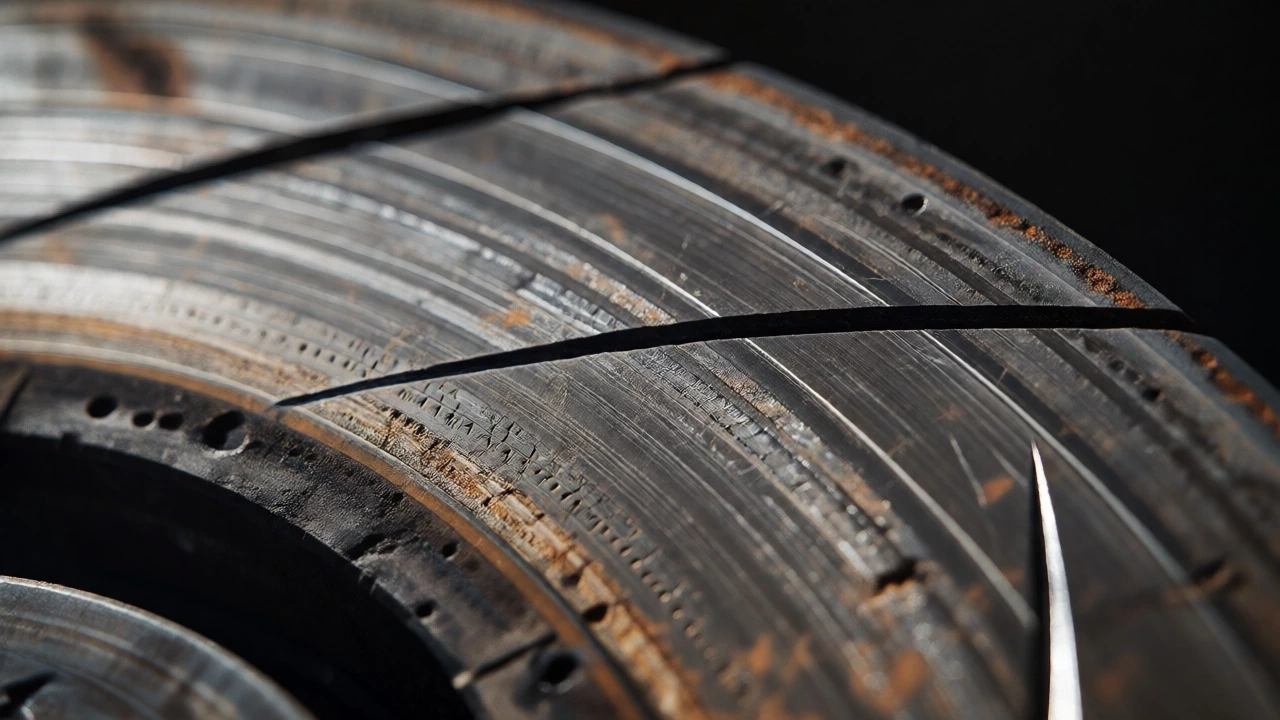
- Worn Rotor: Deep grooves, scoring lines, or visible rust pitting that doesn’t wipe away.
- Healthy Pad: Friction material is thick (at least 3mm remaining).
- Worn Pad: Material is thin (<3mm), unevenly worn, or completely gone.
If you see deep circular grooves cut into the rotor surface, those aren’t just cosmetic. They reduce the contact area between the pad and rotor, meaning less braking power. If the grooves are shallow, a machinist might resurface them. If they’re deep (more than 1-2mm), the rotor is likely toast.
Symptoms While Driving: Noise and Feel
Your ears and feet give you clues before you even open the hood. Different symptoms point to different failures.
| Symptom | Likely Culprit | Why? |
|---|---|---|
| Squealing or Squeaking | Brake Pads | Most pads have a small metal "wear indicator" tab that touches the rotor when pads are low, creating high-pitched noise. |
| Grinding Metal-on-Metal | Both (Pads gone, Rotor damaged) | Pads are fully worn; the metal backing plate is now rubbing directly against the rotor, destroying both. |
| Vibration in Pedal | Rotors | Rotors are warped from heat stress. As they spin, the uneven surface pushes back against the pads, shaking the pedal. |
| Pulsing Steering Wheel | Front Rotors | Similar to pedal vibration, but felt in the steering column because front rotors are connected to the steering assembly. |
| Soft or Spongy Pedal | Hydraulics/Pads | Often air in lines or contaminated pads/rotors, but rarely just simple wear unless fluid is leaking. |
Notice the distinction? Noise usually starts with pads. Vibration almost always points to rotors. If you feel a shudder every time you stop at a red light, replacing just the pads won’t fix it. The warped rotor will continue to push the new pads away unevenly.
Measuring Thickness: The Hard Numbers
Guessing thickness by eye is risky. Use a caliper or a micrometer. Every rotor has a minimum thickness specification stamped on its hub or edge. This is the "discard thickness." Once the rotor wears below this number, it cannot safely dissipate heat. Overheating causes warping and cracking.
For pads, manufacturers recommend replacement when the friction material drops below 3mm. Some aggressive drivers replace at 4mm. If you measure your pads at 1mm and the rotor is still within spec, you might get away with just pads-but only if the rotor surface is smooth. If the rotor is near its minimum thickness, you must replace it. Running thin rotors risks cracking under emergency braking.
When to Replace Both Together
There is a common debate: should you always replace rotors with pads? Not necessarily, but there are scenarios where skipping rotors is a bad idea.
- Replace Both If: Rotors are below minimum thickness, heavily scored, warped (causing vibration), or have significant rust corrosion.
- Replace Pads Only If: Rotors are smooth, within thickness specs, and show no signs of warping. Clean up any rust on the hat section (where the rotor mounts) and ensure the mating surfaces are clean.
A pro tip from mechanics: if you replace pads but keep old rotors, you must scuff the rotor surface slightly with sandpaper or a brake cleaning brush. This helps the new pads bed in properly. If you skip this step, you’ll hear squealing and experience poor initial braking until the surfaces mate naturally.
Cost and Longevity Trade-offs
Let’s talk money. In the UK, a set of quality ceramic brake pads costs £40-£80 per axle. Rotors cost significantly more, ranging from £60 to £150+ per pair depending on vehicle size. Labor adds another £50-£100 per axle.
Buying cheap rotors is a false economy. Low-cost rotors often use inferior cast iron that cracks easily or wears unevenly. If you save £40 on rotors but have to replace them again in two years because they warped, you’ve paid double in labor. High-quality OE-equivalent rotors paired with good pads provide consistent stopping power and longevity.
Also, consider your driving habits. If you tow heavy loads, drive mountainous terrain, or carry passengers frequently, your brakes work harder. Heat builds up faster, accelerating rotor wear. City driving with frequent stops also wears pads quickly but generates less heat, potentially saving rotors while killing pads.
Final Checklist Before You Buy Parts
Before heading to the auto shop or ordering online, run through this quick diagnostic list:
- Check Thickness: Measure pad material. Is it under 3mm?
- Inspect Surface: Are rotors smooth or deeply grooved?
- Feel for Vibration: Does the pedal shake during braking?
- Listen for Grinding: Has the sound changed from squeal to grind?
- Verify Specs: Compare current rotor thickness to the minimum stamp.
If you check yes to vibration, deep grooves, or grinding, buy rotors. If it’s just squealing and thin pads, you might only need pads. When in doubt, replace both. Brakes are safety-critical components. Cutting corners here isn’t worth the risk of reduced stopping distance or component failure.
Can I replace brake pads without replacing rotors?
Yes, if the rotors are still within their minimum thickness specification, have a smooth surface without deep scoring, and are not warped. However, you must lightly abrade the rotor surface to help the new pads bed in correctly.
How long do brake rotors typically last?
Most brake rotors last between 70,000 and 100,000 miles. However, this varies greatly based on driving conditions. Aggressive braking, towing, or using cheap pads can shorten rotor life significantly.
What does a warped rotor feel like?
A warped rotor causes a pulsating sensation in the brake pedal or steering wheel when applying pressure. The intensity often increases with speed and decreases as the brakes cool down.
Is it safe to drive with worn brake rotors?
Driving with severely worn rotors is dangerous. Thin rotors overheat quickly, leading to brake fade (loss of stopping power). Cracked rotors can fail completely, causing loss of braking control.
Do expensive rotors last longer?
Generally, yes. Premium rotors use higher-quality cast iron with better carbon content, resisting heat cracking and warping better than budget options. They also tend to maintain balance better over time.