Fuel Pump Health Checker
Diagnose Your Car's Fuel System
Select the symptoms you are experiencing below.
Select symptoms to see analysis
Low Risk
Your vehicle appears healthy regarding fuel delivery.
Quick Verification Test
Before replacing parts, try this simple test mentioned in the article:
- Turn ignition to ON (do not start engine).
- Listen near the rear seat/trunk for a brief 2-second buzz.
- No sound? Check fuses/relay first. Weak sound? Likely pump issue.
You're cruising down the motorway, minding your own business, and suddenly the car feels like it's holding its breath. You press the gas pedal harder, expecting a surge of power, but instead, you get a hesitant stutter or nothing at all. It’s terrifying because it feels random, but it’s rarely a mystery. In most cases, this erratic behaviour points straight to one component: fuel pump. This is the electric motor inside your tank that pushes petrol or diesel to the engine. When it starts to fail, it doesn't usually quit cold turkey; it gives you clues first. Ignoring them can leave you stranded on the hard shoulder, waiting for a tow truck.
The Sound of Trouble: Listening for Whining
Your ears are often your best diagnostic tool here. A healthy fuel pump hums quietly in the background, barely noticeable over road noise. But as the internal bearings wear out or the motor struggles against a clogged filter, that hum turns into a distinct whine or whistling sound. You’ll hear it loudest when you first turn the key to the "on" position (before starting the engine) because that’s when the pump primes itself to build pressure. If you notice this high-pitched noise getting louder over time, especially while driving uphill or carrying a heavy load, take note. The pump is working overtime. Sometimes, people mistake this for transmission issues, but if the noise changes with engine RPM rather than gear shifts, look at the fuel system. In older vehicles, particularly those with external pumps mounted along the frame rail, this sound can be quite pronounced due to less insulation from the cabin.
Engine Sputtering at High Speeds
One of the most common complaints I hear from drivers is that their car runs fine around town but acts up on the highway. You’re doing 70 mph, everything seems normal, and then the engine begins to sputter or jerk. This happens because the pump can’t keep up with demand. At idle or low speeds, the engine needs less fuel, so a weak pump manages to scrape by. But at high speeds, the injectors open more frequently and require higher pressure. When the pump fails to deliver that volume, the air-fuel mixture becomes too lean (too much air, not enough fuel). The result? Misfires. The engine coughs, loses power momentarily, and then recovers. It’s inconsistent, which makes it tricky to diagnose if you only drive short distances. If you’ve recently checked your spark plugs and they look clean, suspect the fuel delivery next.
Loss of Power Under Load
Have you ever tried to overtake a lorry on a dual carriageway and felt like your car just didn’t have the grunt? Or maybe you’re towing a trailer and notice the vehicle struggling significantly more than usual? This loss of power under load is a classic sign of a dying pump. It’s similar to trying to run a sprint after sitting on the sofa for an hour-your body can handle walking, but explosive effort reveals the weakness. This symptom is dangerous because it limits your ability to merge safely or accelerate quickly to avoid hazards. Unlike a gradual decline in fuel economy, this power drop can feel sudden during critical moments. Drivers often describe it as the car "going flat." Before blaming the turbocharger or exhaust blockage, consider that the engine simply isn’t getting enough juice to burn efficiently.
Hard Starting and Stalling
Does your car crank forever before catching? Or does it start fine in the morning but refuse to restart after you’ve parked for ten minutes? These starting issues are red flags. A failing pump might still spin but fail to generate the necessary pressure to prime the lines properly. Modern engines rely on precise fuel pressure sensors; if the pressure drops below a certain threshold (often around 35-45 PSI depending on the model), the ECU may cut ignition to prevent damage, making the car seem dead.
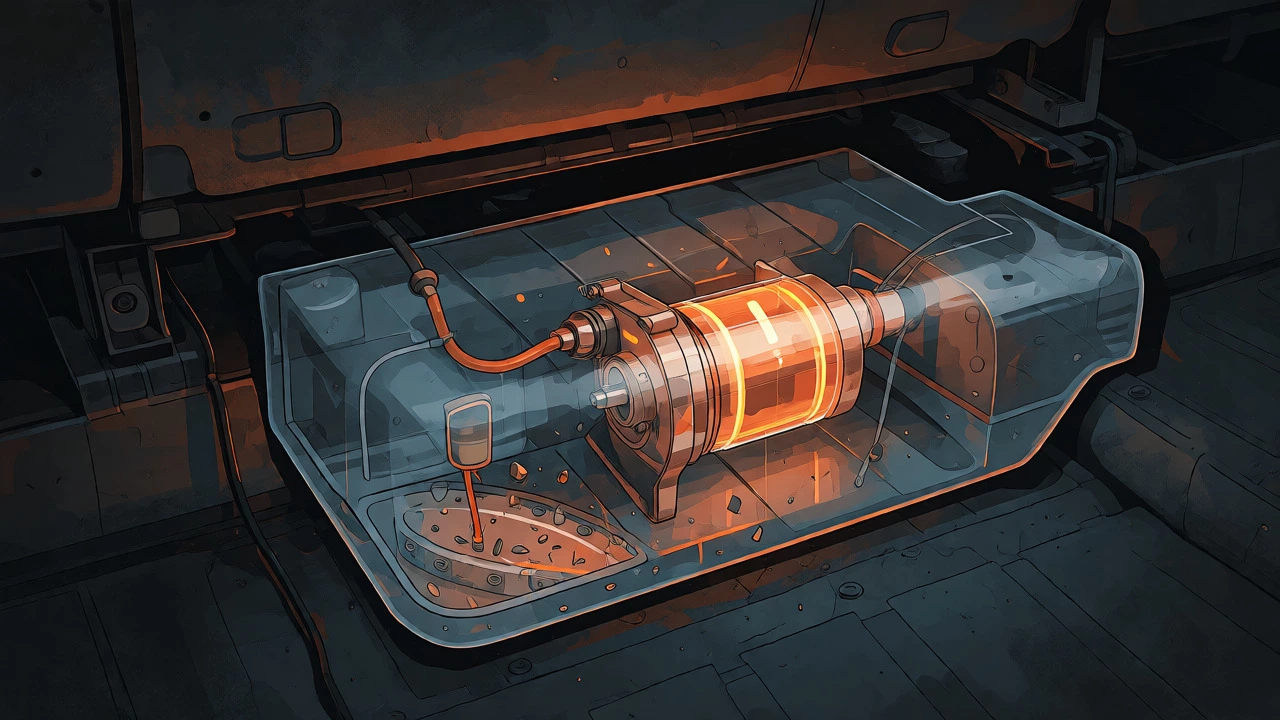
Stalling is another variant. You’re stopped at a traffic light, the engine idles roughly, and then cuts out completely. This often happens because the pump overheats. As fuel sloshes around, debris gets sucked into the pickup screen, restricting flow further. Once the engine stops, the pump cools slightly, allowing it to work again briefly until it heats up and fails once more.Decreased Fuel Efficiency
You might not notice the mechanical failure immediately, but your wallet will. A faulty pump can cause the engine control unit to compensate for poor fuel delivery by injecting more fuel than necessary, leading to incomplete combustion. Alternatively, if the pump is delivering irregular pulses, the timing of injection suffers, wasting energy. Keep an eye on your miles per gallon (MPG). If you see a consistent drop of 10% or more without changing your driving habits or tire pressure, investigate the fuel system. It’s a subtle clue, easily overlooked if you don’t track your consumption. Apps and onboard computers make this easier now, so check your average MPG trends over the last month.
Check Engine Light Codes
Modern cars are smart enough to flag these issues. If you plug in an OBD-II scanner, you might see codes related to lean conditions, such as P0171 (System Too Lean Bank 1) or P0174 (System Too Lean Bank 2). While these codes can also indicate vacuum leaks or dirty mass airflow sensors, combined with the physical symptoms mentioned above, they strongly point to fuel starvation. Don’t ignore the check engine light. Even if the car drives "okay," running lean can damage catalytic converters over time due to excessive heat. Addressing the fuel pump early saves you from replacing expensive emissions components later.
How to Confirm It’s the Fuel Pump
You don’t need a degree in engineering to verify your suspicions. Here is a simple checklist to differentiate a bad pump from other issues:
- The Key Test: Turn the ignition to "On" without starting the engine. Listen near the rear seat or trunk area. Do you hear a brief two-second buzz? No sound could mean a blown fuse, relay, or dead pump.
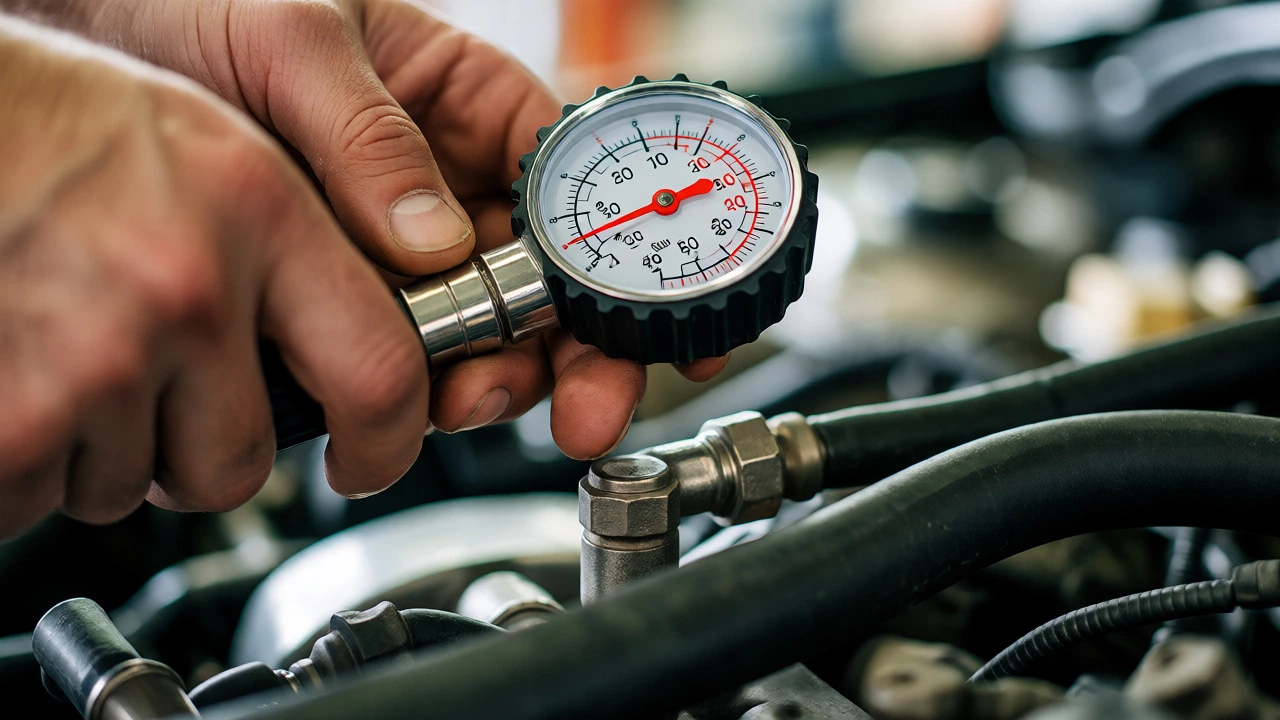
- Fuel Pressure Gauge: Most auto parts stores lend out fuel pressure testers. Connect it to the Schrader valve on your fuel rail. Compare the reading to your vehicle’s spec sheet (usually found online or in the manual). Low static pressure confirms the pump issue.
- Filter Check: Replace the fuel filter first. A clogged filter mimics pump failure perfectly. If a new filter solves the problem, great! If not, the pump is likely the culprit.
| Symptom | Likely Cause | Action Required |
|---|---|---|
| Whining noise from rear | Worn bearings / Overheating pump | Inspect electrical connections; replace pump |
| Sputtering at high speed | Inadequate fuel volume | Test fuel pressure under load |
| Car dies when hot | Pump overheating / Clogged strainer | Clean tank; replace pump assembly |
| Hard starting | Loss of residual pressure | Check check-valve integrity in pump |
Why Waiting Is Risky
Some drivers try to squeeze a few more weeks out of a flaky pump. I wouldn’t recommend it. A fuel pump that fails completely leaves you stranded. Worse, if the pump disintegrates internally, plastic shavings can enter the fuel lines and clog injectors. Replacing injectors costs significantly more than replacing a pump upfront. Also, consider safety. If the engine stalls while merging onto a busy roundabout or overtaking, the lack of power response puts you in danger. It’s better to plan a repair on your terms than to deal with a breakdown on the side of the M60 in November rain.
Can I drive with a bad fuel pump?
You can drive short distances, but it’s risky. The pump may fail suddenly, leaving you stranded. Additionally, running a failing pump can damage the catalytic converter or clog fuel injectors with debris, leading to costlier repairs.
How much does it cost to replace a fuel pump?
In the UK, parts typically range from £80 to £250 depending on the vehicle make. Labour adds another £100-£200 since accessing the pump often requires dropping the fuel tank. Total costs usually fall between £200 and £450.
Do all cars have internal fuel pumps?
Most modern cars use an in-tank electric pump. Older vehicles or some trucks may have mechanical pumps driven by the camshaft or external electric pumps mounted on the chassis. Always check your specific service manual.
Is a fuel pump covered under warranty?
Yes, if your car is within the manufacturer’s warranty period (typically 3 years or 60,000 miles in the UK). Wear-and-tear items sometimes vary, so check your policy documents carefully.
What causes a fuel pump to fail?
Running the tank on empty regularly is a major cause, as fuel cools and lubricates the pump. Contaminated fuel, worn bearings, and electrical surges also contribute to premature failure.