Spark Plug Sound Simulator
Adjust the variables below to see how spark plug condition, material, and heat range influence the engine's auditory character.
Current Sound Description
The engine runs with a steady, low-frequency hum. Combustion is complete in all cylinders, resulting in a refined and quiet idle.
Ever noticed your car sounds a bit "off" after a service, or maybe it’s running smoother and quieter than before? You might wonder: do spark plugs actually change how your engine sounds? It’s a common question among car owners, especially those who enjoy the mechanical character of their vehicles. The short answer is yes, but not in the way you might think. They don’t add a deep rumble like an aftermarket exhaust does. Instead, they affect the *quality* and *consistency* of the combustion process, which directly influences what you hear through the firewall.
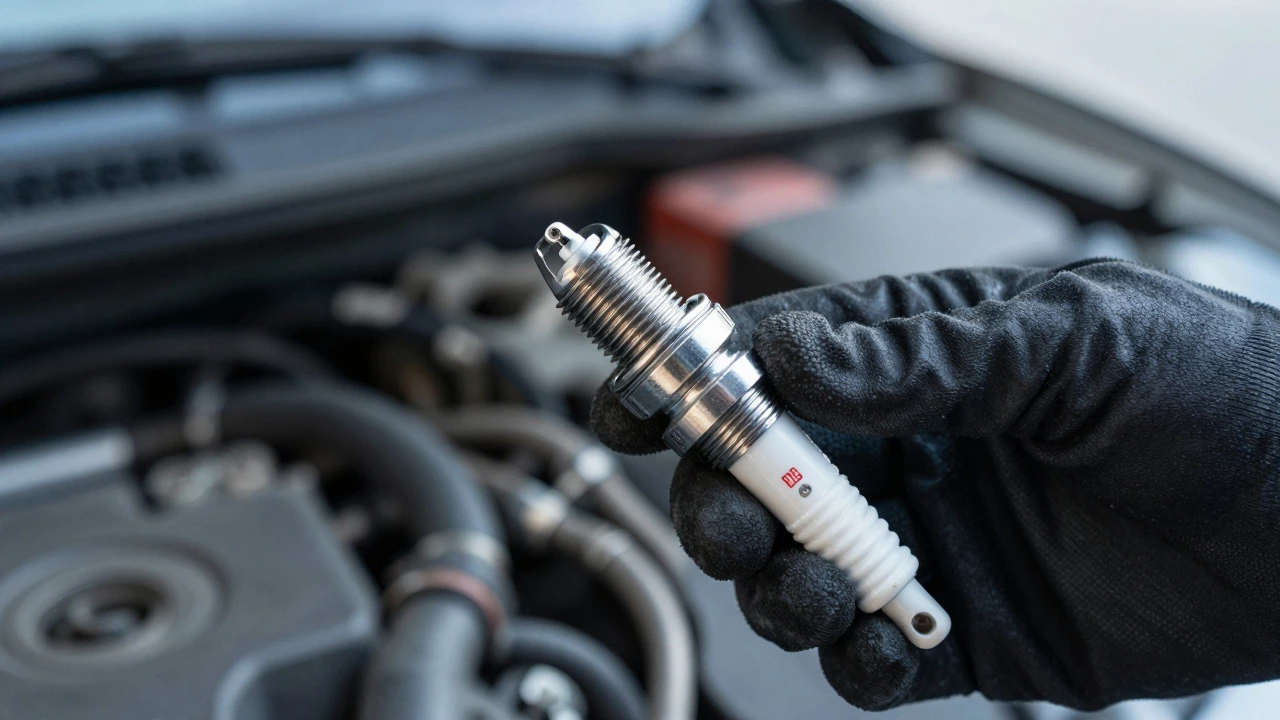
To understand this, we need to look at what a spark plug actually does. A Spark Plug is a component that delivers an electrical spark to ignite the air-fuel mixture in the engine cylinders. When this happens perfectly, the explosion is controlled, efficient, and produces a specific harmonic tone. When it fails, the result is often a misfire, which creates a rough, uneven, or popping sound. So, while the plug itself doesn't vibrate to make noise, its performance dictates the rhythm of the engine.
The Physics of Engine Noise
Engine noise isn't just one thing; it’s a complex mix of combustion pressure, mechanical friction, and airflow. The primary source of the "thump-thump-thump" you hear is the combustion event itself. Each cylinder fires in a specific sequence (the firing order). If one cylinder fires slightly late, early, or not at all, the smooth pulse of the engine is disrupted.
Combustion Efficiency is the measure of how completely the fuel burns within the cylinder. High-efficiency combustion creates a consistent pressure wave. This wave travels through the pistons, connecting rods, and crankshaft, vibrating the engine block. Your ears pick up these vibrations as a steady hum. If the Ignition System is weak, the burn is incomplete. Unburnt fuel can exit the cylinder and pop in the Exhaust System, creating backfires or a sputtering noise. This is why a car with bad plugs often sounds "rough" or "lumpy."
New vs. Old: What Changes?
When you replace worn-out plugs with new ones, you’re restoring the intended firing precision. Here’s what typically changes in terms of sound:
- Smoothing Out Roughness: A healthy engine has a consistent idle. Worn plugs cause misfires, leading to a shuddering idle. New plugs eliminate this, making the idle feel (and sound) solid and quiet.
- Reduced Ticking or Pinging: Sometimes, pre-ignition (where fuel ignites too early) causes a metallic ticking sound known as pinging or knocking. Correct heat range plugs prevent this, eliminating the harsh metallic ring.
- Consistent Acceleration Sound: During acceleration, the engine revs up smoothly. With bad plugs, you might hear a hesitation or a drop in RPMs accompanied by a loss of power and a duller sound. Good plugs keep the revs crisp and responsive.
It’s important to note that if your engine was already running perfectly, changing plugs won’t dramatically alter the baseline sound. You won’t go from a whisper to a roar. But if there was any underlying issue, the difference will be noticeable immediately.
Heat Range and Sound Characteristics
Not all spark plugs are created equal. The most critical specification is the Heat Range, which is a measure of how quickly the plug dissipates heat from the tip. This number matters because it affects combustion stability.
| Heat Range Type | Thermal Behavior | Sound Impact if Incorrect | Best For |
|---|---|---|---|
| Cold (Higher Number) | Dissipates heat quickly | Can cause misfires under light load, leading to a rough idle | Turbocharged engines, high-performance use |
| Hot (Lower Number) | Rets heat longer | Can cause pre-ignition/pinging (metallic knock) under heavy load | Naturally aspirated, low-RPM cruising |
| Correct Fit | Balanced heat dissipation | Smooth, consistent combustion tone | OEM specifications for daily driving |
If you install a plug that is too hot for your engine, you risk pre-ignition. This creates a distinct, sharp knocking sound that can damage the engine over time. Conversely, a plug that is too cold might foul up faster, leading to intermittent misfires and a choppy exhaust note. Sticking to the manufacturer’s recommended heat range ensures the cleanest possible sound profile.
Material Differences: Copper vs. Iridium
You might see different types of plugs: standard copper, platinum, or iridium. Do these materials change the sound? Directly, no. Indirectly, yes.
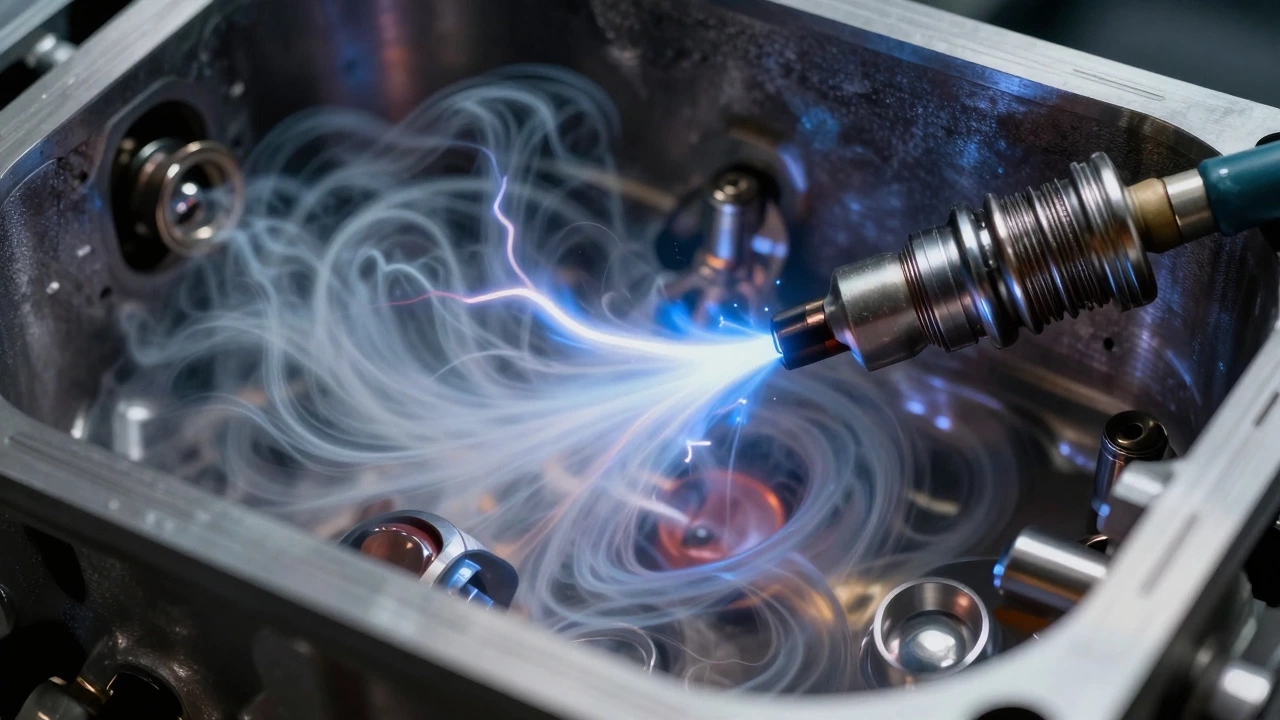
Iridium Spark Plugs feature a much finer electrode tip than standard copper plugs. This allows for a smaller, more precise spark gap. A tighter gap means the spark jumps more easily and consistently, even under high compression or during cold starts. This results in more complete combustion every single cycle. The audible result is a cleaner, more refined idle and a smoother transition between gears. While the difference is subtle compared to fixing a misfire, enthusiasts often notice that iridium plugs provide a slightly "tighter" feeling engine response, which translates to a more cohesive sound.
Common Misconceptions
There’s a myth that upgrading to high-performance plugs will give your car a "race car" sound. This is largely false. The dominant factors in engine sound are the exhaust system, intake manifold design, and valve timing. Spark plugs play a supporting role. However, there is another misconception: that silent engines are always good. Sometimes, a very quiet engine hides a problem. If your car suddenly becomes unusually quiet but feels sluggish, it could indicate a severe misfire where multiple cylinders aren't firing. Always pair sound checks with performance observations.
How to Diagnose Sound Issues Related to Plugs
If you suspect your spark plugs are affecting your car's sound, here is a simple diagnostic approach:
- Listen at Idle: Start the car and listen carefully. Is the idle smooth and steady, or does it wobble? A wobbly idle often points to misfiring cylinders caused by worn plugs.
- Check for Backfires: Listen for pops or bangs from the exhaust when decelerating or idling. This indicates unburnt fuel exiting the cylinder, a classic sign of weak spark or fouled plugs.
- Observe Cold Starts: Does the engine struggle to start in the morning? Weak plugs have trouble igniting the rich mixture required for cold starts, leading to a prolonged cranking sound followed by a rough initial idle.
- Inspect the Plugs: Remove the plugs and look at the electrodes. If the gap is wider than specified, or if there is oil or carbon buildup, they are likely causing irregular combustion and altered sound.
Maintenance Tips for Optimal Sound
To keep your engine sounding its best, follow these maintenance guidelines:
- Replace on Schedule: Don’t wait for symptoms. Replace plugs according to your owner’s manual interval (typically 30,000 to 100,000 miles depending on type).
- Use the Right Gap: Ensure the spark plug gap matches your vehicle’s specification. An incorrect gap alters the spark intensity and combustion speed, affecting both efficiency and sound.
- Check Ignition Coils: Bad coils can mimic bad plugs. If you replace plugs and the sound remains rough, test the ignition coils. They work in tandem with the plugs to create the spark.
- Monitor Fuel Quality: Low-octane fuel can lead to pre-ignition, causing knocking sounds. Using the correct octane rating helps maintain stable combustion and a consistent tone.
Ultimately, while spark plugs don't sculpt the fundamental character of your engine's voice, they ensure that voice is clear, consistent, and free from unwanted artifacts like knocks, pops, and rumbles. By maintaining proper ignition health, you preserve the smooth operation that defines a well-tuned engine.
Will new spark plugs make my car louder?
Generally, no. New plugs usually make the engine sound smoother and more consistent. If anything, they reduce unwanted noises like misfires or pinging, which can make the engine feel less aggressive but more refined. You won't gain significant volume without changing the exhaust or intake.
What does a misfire sound like?
A misfire often sounds like a rough, lumpy idle where the engine shakes. You might also hear popping or banging sounds from the exhaust, especially when accelerating or letting off the gas. The car may also feel like it’s losing power intermittently.
Do iridium plugs sound different from copper plugs?
The difference is subtle. Iridium plugs provide a more consistent spark due to their finer tip, leading to slightly cleaner combustion. This can result in a marginally smoother idle and more responsive acceleration, but it won't drastically change the overall engine note compared to a healthy set of copper plugs.
Can bad spark plugs cause a knocking sound?
Yes. If the plugs are the wrong heat range or are fouled, they can cause pre-ignition or detonation. This results in a metallic knocking or pinging sound under load. This is different from a misfire and requires immediate attention to prevent engine damage.
How often should I replace spark plugs to maintain engine sound?
Standard copper plugs should be replaced every 30,000 to 50,000 miles. Platinum plugs last about 60,000 to 90,000 miles. Iridium plugs can last up to 100,000 miles or more. Always check your vehicle’s owner’s manual for the specific recommendation to ensure optimal performance and sound quality.