Spark Plug Lifespan & Cost Estimator
You’re cruising down the M60, and suddenly the car jerks. The check engine light flickers on. You panic for a second, wondering if your engine just gave up. But more often than not, it’s something smaller: a worn-out spark plug. These tiny components fire thousands of times per minute, and when they fail, your drive becomes rough, expensive, and frustrating.
So, how many years do they actually last? There is no single answer because it depends entirely on what your spark plugs are made of and how you drive. A basic copper plug might die in 30,000 miles, while a high-end iridium one could survive 100,000 miles or more. If you guess wrong, you either waste money replacing them too early or risk damaging your catalytic converter by running them too long. Here is exactly what to expect based on real-world data.
The Short Answer: Lifespan by Material
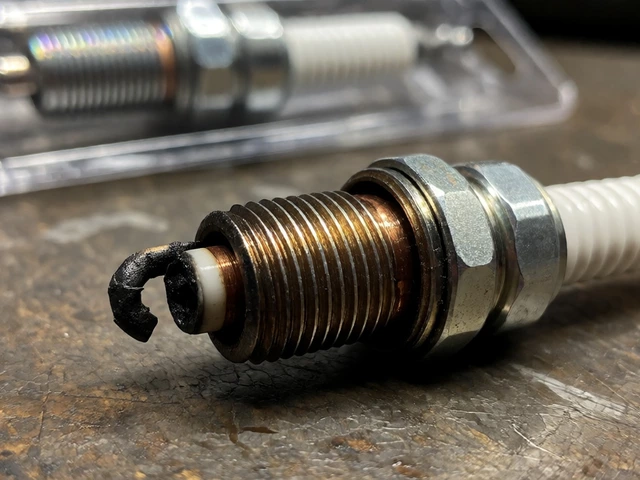
Your spark plug’s electrode material dictates its life. This isn’t marketing fluff; it’s physics. Softer metals erode faster under the intense heat and electrical stress of combustion. Harder, rarer metals resist that erosion, lasting significantly longer.
| Plug Type | Typical Lifespan (Miles) | Typical Lifespan (Years)* | Best For |
|---|---|---|---|
| Copper Core | 20,000 - 30,000 | 2 - 3 | Older cars, budget maintenance |
| Platinum | 50,000 - 60,000 | 4 - 5 | Modern daily drivers |
| Double Platinum | 70,000 - 80,000 | 5 - 6 | Turbocharged engines |
| Iridium | 90,000 - 120,000+ | 7 - 10 | Newer cars, performance vehicles |
Notice the wide range in years? That’s because a person who drives 5,000 miles a year will keep their plugs twice as long as someone driving 15,000 miles. Always prioritize mileage over time if you can track it. If you don’t know your mileage, stick to the lower end of the year estimates to be safe.
Why Your Driving Habits Change Everything
Two identical cars with identical spark plugs can have vastly different lifespans. Why? Because combustion conditions wear electrodes down at different rates. Three main factors accelerate this process:
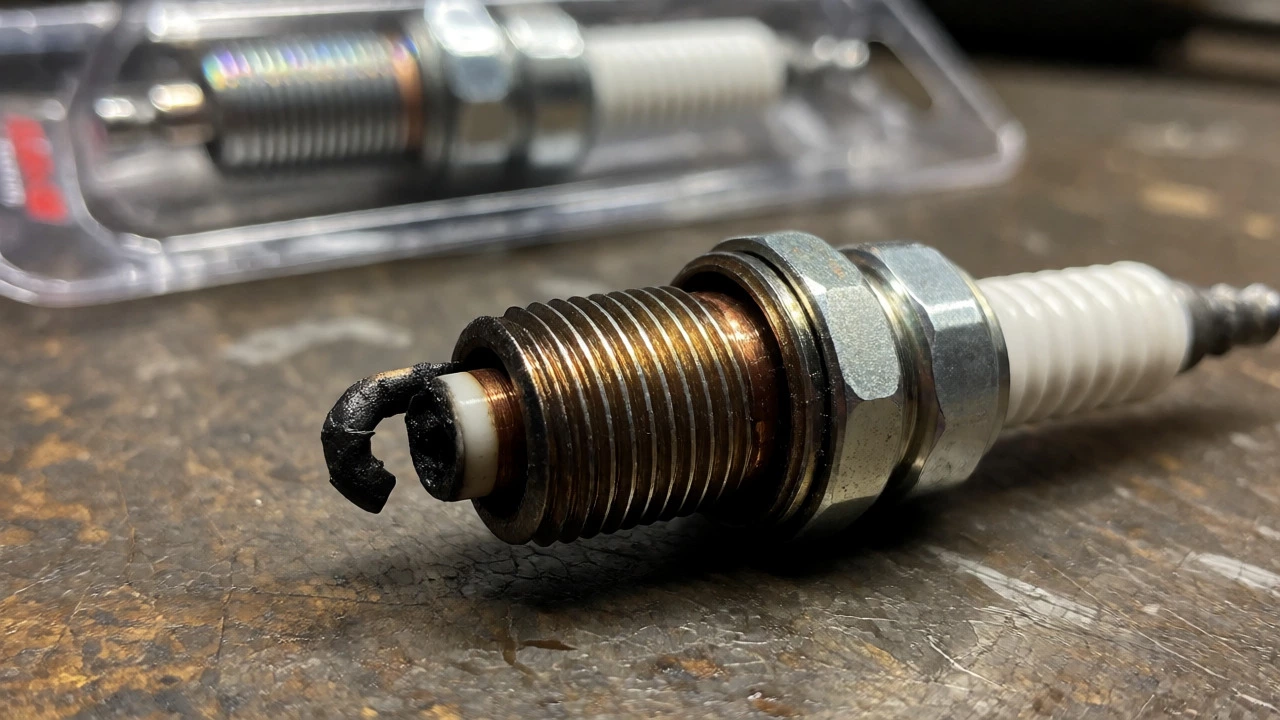
- Short Trips: If you only drive 5-10 minutes to the shops, your engine never fully warms up. Unburnt fuel and moisture accumulate on the plugs, causing fouling and corrosion before the metal even has a chance to erode normally.
- High RPMs: Pushing the engine hard creates more heat and pressure. This increases the rate of electrode erosion. If you enjoy spirited driving, subtract 20% from the manufacturer’s recommended lifespan.
- Oil Leaks: If your valve cover gasket leaks oil onto the spark plugs, they’ll foul quickly regardless of material quality. A $50 gasket repair might save you from premature plug replacement.
In Manchester, where stop-start traffic and cold starts are common, short-trip damage is a real issue. Many drivers here find their plugs failing closer to the 30,000-mile mark, even if they’re platinum-tipped, simply because the engine doesn’t get hot enough to burn off deposits regularly.

Signs It’s Time to Replace Them Now
Don’t wait for the engine to stall. By then, you’ve likely already damaged other parts. Watch for these specific symptoms. They usually appear gradually, so pay attention to changes in how your car feels.
- Rough Idling: At a red light, does the steering wheel vibrate or the tachometer needle bounce? That’s a classic sign of a weak spark causing incomplete combustion in one cylinder.
- Sluggish Acceleration: You press the gas pedal, but the car hesitates or feels like it’s dragging an anchor. This happens when plugs can’t generate a strong enough spark to ignite the air-fuel mixture quickly.
- Poor Fuel Economy: Inefficient combustion wastes fuel. If your MPG drops by 10% or more without any other changes, inspect the plugs. Misfires dump unburnt fuel into the exhaust, wasting money every mile.
- Hard Starting: The engine cranks longer than usual before firing. Weak sparks struggle to ignite cold mixtures, especially in winter mornings.
- Engine Misfire Code: Your dashboard lights up with codes like P0300 (random misfire) or P0301-P0304 (specific cylinder misfire). This is definitive proof a plug (or coil) is failing.
If you see these signs, don’t delay. Running a car on bad plugs puts extra strain on the ignition coils and can overheat the catalytic converter due to unburnt fuel entering it. Replacing plugs costs £20-£50; replacing a catalytic converter costs £500-£1,000.
Manufacturer Recommendations vs. Reality
Your owner’s manual gives you a baseline. Most modern European cars (VW, BMW, Audi) recommend inspection at 40,000-60,000 miles and replacement around 60,000-100,000 miles. Japanese manufacturers (Toyota, Honda) often stretch intervals to 100,000+ miles with iridium plugs.
But here’s the catch: those recommendations assume "normal" driving. What defines normal? Usually, it’s mixed highway/city driving with regular warm-ups. If you tow heavy loads, live in a dusty area, or drive mostly in city traffic, you fall under "severe service." Check your manual’s severe service schedule-it often cuts replacement intervals in half.
Also, consider the cost of labour. In the UK, independent garages charge £50-£100 for plug replacement depending on accessibility. Some cars require removing intake manifolds or engine covers, adding hours of work. If you’re already paying for major service (like timing belt replacement), ask them to swap plugs simultaneously. It saves on labour costs.
Can You Extend Spark Plug Life?
You can’t make copper plugs last as long as iridium ones, but you can prevent premature failure. Maintenance plays a huge role.
- Fix Oil Leaks Immediately: As mentioned, oil fouls plugs fast. Check valve cover gaskets during every oil change.
- Use Quality Fuel: Cheap fuel sometimes contains higher ethanol content or additives that leave more residue. Premium fuels aren’t always necessary, but reputable brands help keep injectors and plugs cleaner.
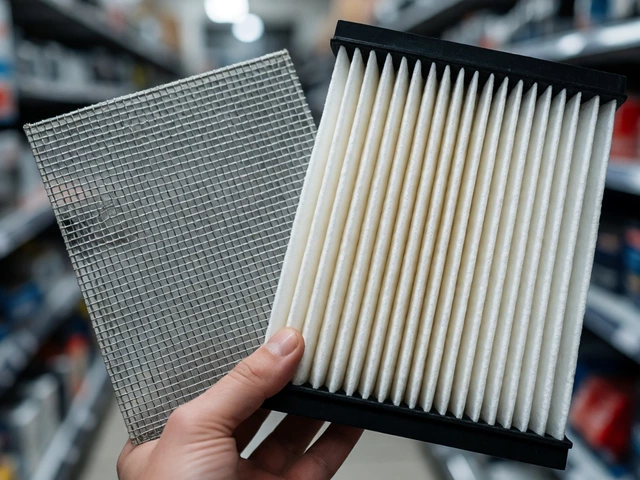
- Ensure Proper Air Filter Condition: A clogged air filter enriches the fuel mixture, leading to carbon buildup on plugs. Replace your air filter according to schedule-usually every 15,000-30,000 miles.
- Avoid Extended Idling: Sitting in traffic with the AC on max forces the engine to run rich. Occasional longer drives help burn off carbon deposits.
One myth to bust: cleaning old spark plugs rarely works. While you can scrape carbon off visually, the microscopic erosion of the electrode gap cannot be restored. A cleaned plug might run okay for a few thousand miles, but it won’t perform like new. Replacement is almost always the better financial choice.
DIY or Mechanic?
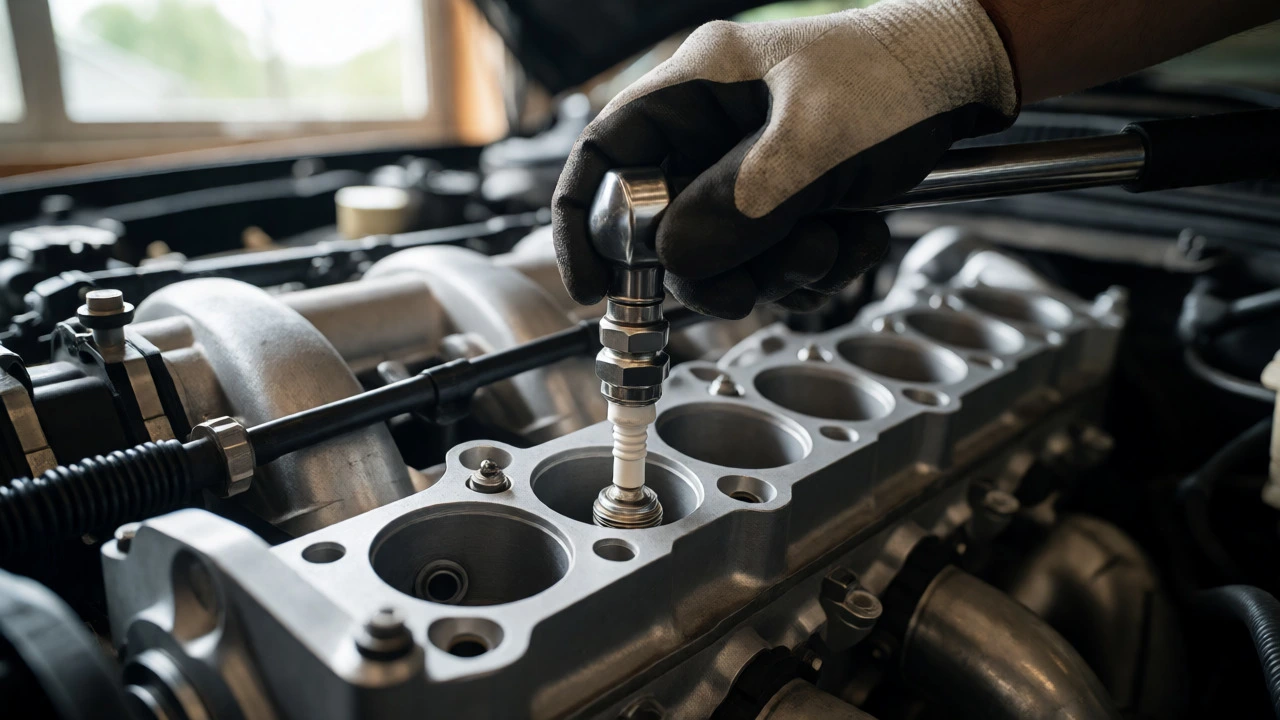
Replacing spark plugs is one of the easiest DIY jobs if you have the right tools. You need a spark plug socket (usually 5/8" or 13/16"), a ratchet, extension, and torque wrench. Overtightening cracks ceramic insulators; undertightening causes poor heat transfer and potential blowouts.
However, some modern engines are tight on space. On transversely mounted engines (common in FWD cars like Ford Focus or Vauxhall Astra), accessing rear cylinders can be a nightmare. If you’re unsure, pay the mechanic. Mistakes here can lead to stripped threads in the aluminium head-a costly repair requiring heli-coil inserts.
Do I need to replace all spark plugs at once?
Yes, absolutely. Even if only one plug looks bad, replace the entire set. New plugs produce stronger sparks than old ones. Mixing them causes uneven engine performance, increased vibration, and unnecessary strain on the ignition system. Plus, since you’re paying for labour anyway, swapping all four (or six/eight) adds minimal extra time.
What happens if I drive with a broken spark plug?
Driving with a completely failed plug means one cylinder isn’t firing. This causes significant vibration, power loss, and loud knocking sounds. More critically, unburnt fuel enters the exhaust system, overheating and potentially destroying the catalytic converter. Limit driving to short distances to a garage if this occurs.
Are expensive spark plugs worth it?
For most modern cars, yes. Iridium or platinum plugs last 2-3 times longer than copper. Although they cost £10-£20 each versus £2-£5 for copper, you replace them far less often. When you factor in labour costs (£50+ per visit), premium plugs save money over 5-10 years. Older cars with simple engines may still benefit from cheaper copper plugs.
How do I know which spark plugs my car needs?
Check your owner’s manual first. If unavailable, look up your vehicle’s VIN online or consult a parts specialist at stores like Halfords or Euro Car Parts. Bring an old plug to match the size, reach, and heat range. Using incorrect plugs can cause detonation (knocking) or pre-ignition, damaging your engine.
Does cold weather affect spark plug lifespan?
Indirectly, yes. Cold starts require richer fuel mixtures and put more stress on the ignition system. Frequent cold starts in UK winters can accelerate fouling and wear compared to consistent warm-weather driving. Ensuring your battery is healthy helps reduce starter motor strain during these periods.