Exhaust System Decision Tool
- • Easy Installation
- • Better Sound Control
- • Limited Power Potential
- • Max Performance
- • Turbo Spool Improvement
- • Complex Install/Tune Needed
Why this choice?
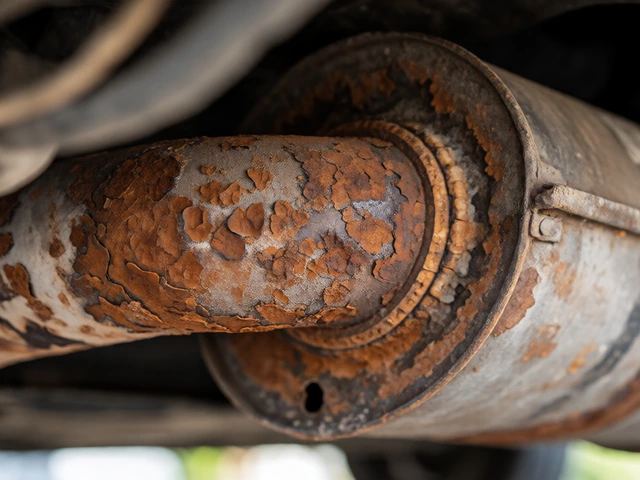
You’re standing in the garage, staring at that rusty pipe under your car. The stock muffler is droning like a lawnmower, and you know there’s better sound-and maybe more power-waiting on the other side of an aftermarket purchase. But then the sales guy (or the forum thread) throws two options at you: a full exhaust system or just a cat-back. They look similar, cost wildly different amounts, and promise different results. So, which one do you actually need?
The answer isn’t "yes" or "no." It depends entirely on what you want out of your car. Are you chasing horsepower? Do you care about the smell of unburnt fuel? Is budget your main constraint, or are you building a weekend warrior? Let’s break down the mechanics, the money, and the madness behind these two common upgrades so you don’t waste cash on parts you don’t need.
What Exactly Is a Full Exhaust System?
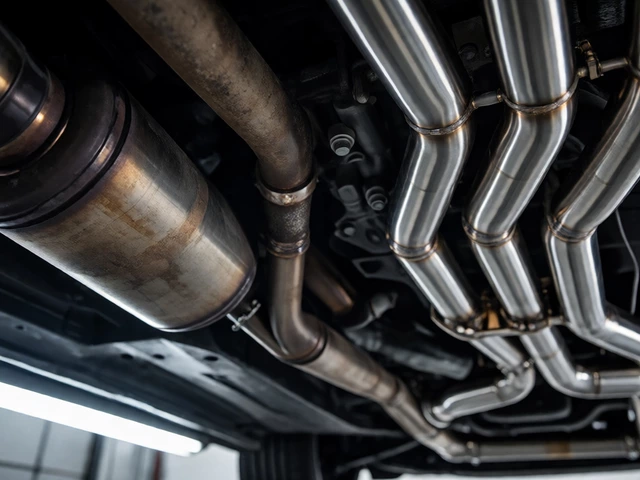
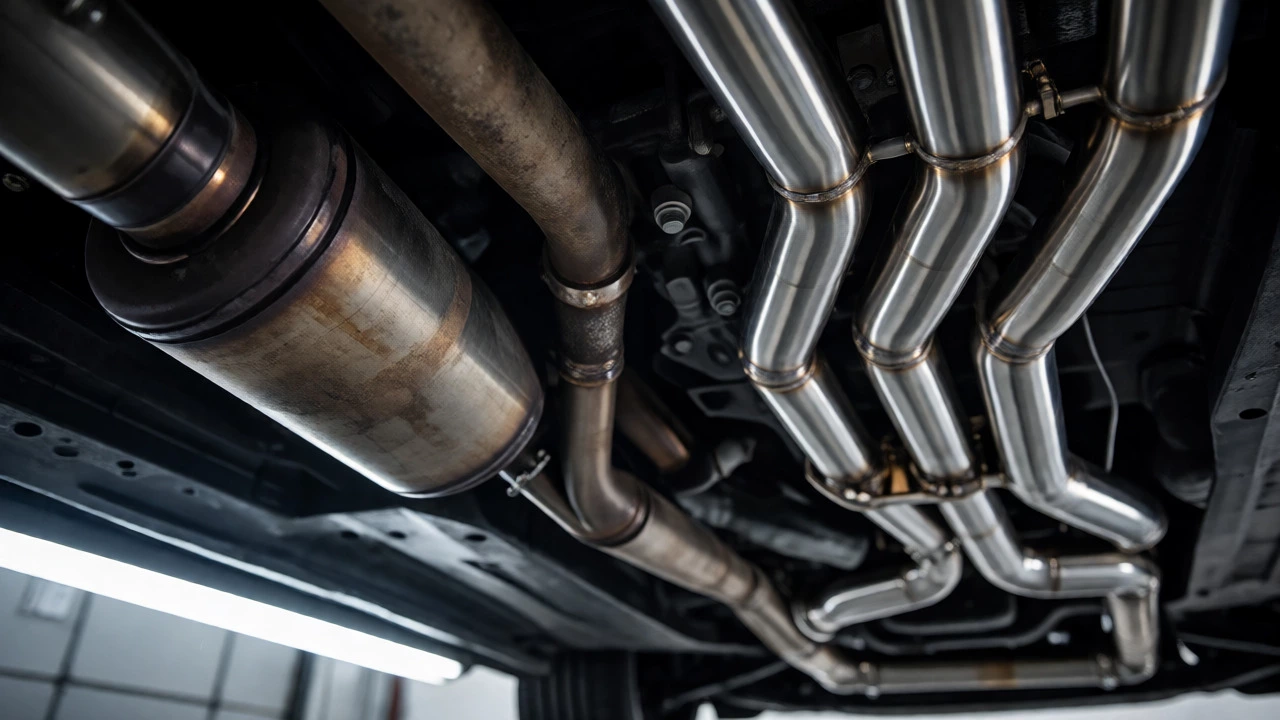
Before we compare, let’s define the beast. A Full Exhaust System is an aftermarket replacement for the entire exhaust path, starting from the headers right up to the tailpipes. This means it replaces every component between the engine block and the rear bumper. Typically, this includes the header pipes, catalytic converters, mid-pipes, resonators, and the final mufflers.
Why replace all of it? Because the factory setup is designed for compliance, not performance. Manufacturers use small-diameter pipes, restrictive catalytic converters, and baffled mufflers to keep emissions low and noise inside legal limits. By swapping the whole chain, you remove bottlenecks. The goal is to let exhaust gases exit the combustion chambers as quickly as possible. When gases leave faster, fresh air and fuel can enter sooner. That cycle equals potential power.
The Cat-Back Alternative: What’s Different?
A Cat-Back Exhaust is a system that replaces everything from the rear of the catalytic converter to the tailpipe. Notice the key word: "Cat-Back." The catalytic converter stays stock. The headers stay stock. You’re only upgrading the piping diameter, the bends, and the mufflers.
This distinction matters because the catalytic converter is often the biggest restriction in a modern car’s exhaust flow. However, for many daily drivers, the restrictions downstream (after the cat) also contribute significantly to backpressure. A quality cat-back system uses larger diameter tubing (often 2.5 to 3 inches versus the stock 2 inches) and mandrel-bent pipes instead of crush-bent ones. Mandrel bending keeps the pipe round throughout the curve, preventing airflow turbulence. This improves scavenging-the process where outgoing exhaust pulses help pull in the next intake charge.
| Feature | Full Exhaust System | Cat-Back System |
|---|---|---|
| Components Replaced | Headers, Cats, Mid-pipe, Mufflers, Tips | Mid-pipe, Mufflers, Tips (Rear of Cat) |
| Typical Cost (UK) | £1,200 - £3,500+ | £400 - £1,200 |
| Power Gain Potential | High (15-30+ bhp naturally aspirated) | Moderate (5-15 bhp typically) |
| Emissions Impact | May affect MOT if cats removed/downgraded | Minimal impact on emissions testing |
| Installation Time | 4-8 hours (complex fitment) | 2-4 hours (bolt-on friendly) |
When a Full Exhaust Makes Sense
If you drive a high-performance vehicle, a turbocharged engine, or a modified build, a full system is usually the smarter long-term investment. Here’s why:
- Turbocharged Engines Love Flow: Turbos rely on exhaust gas pressure to spin the turbine. Stock exhausts create backpressure that slows this down. A full system with high-flow cats and equal-length headers reduces resistance, allowing the turbo to spool faster. You might see gains of 10-15% in boost response.
- Header Efficiency: Factory cast-iron headers are heavy and have rough internal surfaces. Aftermarket tubular stainless steel headers smooth out flow. If your car has unequal length headers (common in inline-4 engines), switching to equal-length headers via a full system can improve torque across the rev range.
- Track Use: Heat management becomes critical when pushing hard. Stock exhausts can retain excessive heat, soaking into the cabin and affecting engine bay temperatures. High-quality full systems often include heat shielding and better material composition (like T304 stainless steel) that withstands higher thermal cycles.
However, there’s a catch. In the UK, removing or replacing catalytic converters with non-compliant units can fail your MOT test. The DVSA checks for the presence of catalysts and monitors oxygen sensor readings. If you go for a "test pipe" (removing the cat entirely), you’ll likely fail unless you tune the ECU to ignore the sensors, which is a grey area legally. Always check local regulations before deleting components.
Why Cat-Back Might Be Enough
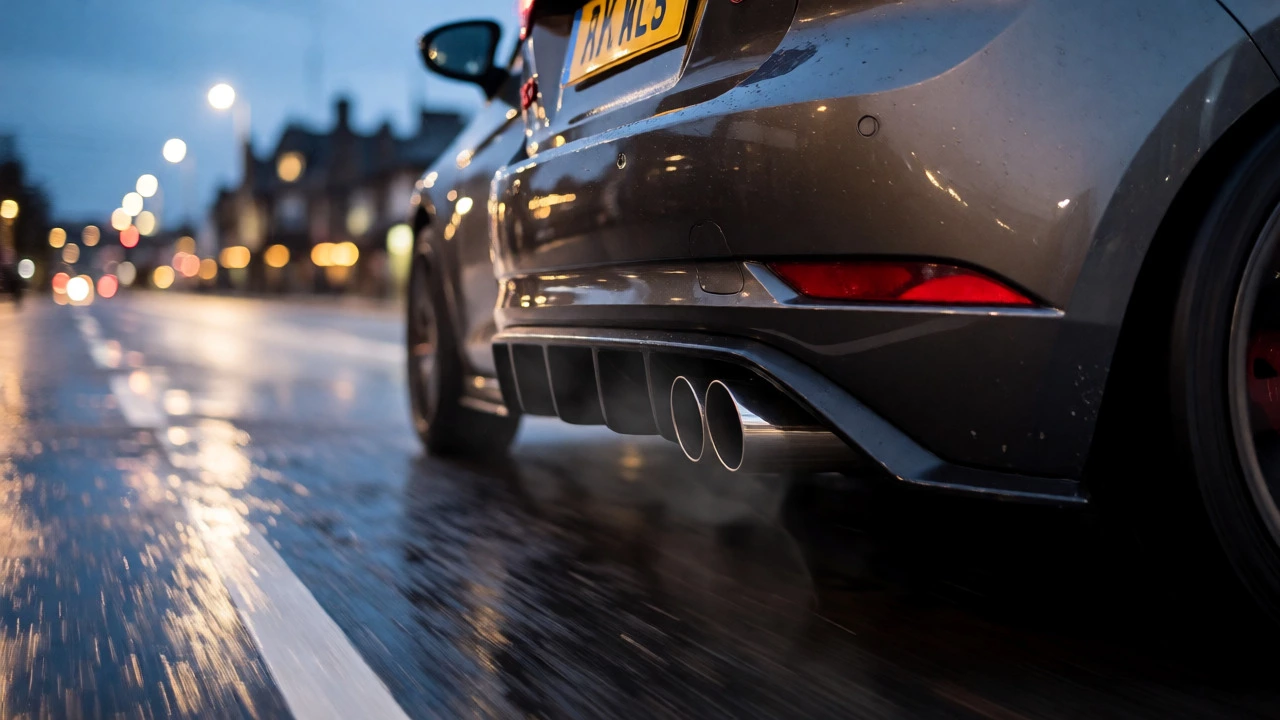
For most street cars, especially those with mild modifications, a cat-back system hits the sweet spot of value and performance. You get the aggressive sound everyone wants without breaking the bank or complicating emissions compliance.
Consider a standard hot hatch, like a Volkswagen Golf GTI or Ford Fiesta ST. These cars are already well-tuned by the factory. Swapping the entire exhaust might net you another 5-8 horsepower, but the cost difference is huge. A cat-back gives you the deeper tone, the sharper throttle response feel, and the visual appeal of polished tips. For daily driving, the marginal power gain of a full system often doesn’t justify the extra £1,000+ spent on headers and cats.
Plus, installation is simpler. Most cat-back kits are bolt-on designs. You unbolt the old section, bolt on the new one, clamp it up, and you’re done. No welding required in many cases. This makes it a perfect DIY project for weekend mechanics. If you’re handy with tools, you save labour costs entirely.
The Noise Factor: Drone vs. Growl
Let’s talk about sound, because let’s be honest-that’s half the reason people upgrade. A full exhaust system tends to produce a louder, rawer note. Without the dense packing material of stock mufflers, you hear more of the engine’s natural frequency. This can be exhilarating at first, but it gets annoying fast if you commute in traffic.
Here’s the problem: Drone. This is that hollow, booming vibration that rattles your skull at highway speeds (usually around 2,000-3,000 RPM). Cheap full systems often suffer from drone because they lack proper resonators or baffling. High-end brands spend years tuning their chambers to eliminate this.
Cat-back systems offer more control over volume. You can choose a single-outlet design for a subtle rumble or dual-outlets for a louder bark. Many manufacturers offer adjustable valves in premium cat-back kits, letting you switch between quiet cruise mode and loud sport mode with a button press. This versatility is a massive win for daily drivers who still want to impress at car meets.
Material Matters: Stainless Steel vs. Aluminized Steel
Whatever system you choose, pay attention to the metal. Rust kills exhausts, especially in the UK where road salt and rain are constant companions.
- Aluminized Steel: Cheaper option. It’s steel coated with aluminum-silicon alloy. It resists rust better than plain steel but will eventually corrode, especially at weld points. Expect a lifespan of 3-5 years depending on climate.
- Stainless Steel (T304): The gold standard. Contains nickel and chromium, making it highly resistant to corrosion. It looks great, lasts longer (10+ years), and handles heat expansion better. Yes, it costs more upfront, but if you plan to keep the car, it pays off.
- Titanium: Lightweight and exotic. Common in supercars and race bikes. Extremely expensive (£3,000+) and prone to cracking if not installed perfectly. Overkill for most road cars.
Don’t skimp on hangers either. Rubber hangers isolate the exhaust from the chassis, reducing vibration transfer into the cabin. Metal-to-metal contact causes buzzes and rattles that drive you nuts after six months.

Cost-Benefit Analysis: Is It Worth It?
Let’s run the numbers for a typical 2.0L turbocharged hatchback in Manchester.
Scenario A: Cat-Back Only
Cost: £650 for a branded kit + £150 installation.
Gain: ~8 bhp, improved sound, no emissions issues.
Verdict: Great bang-for-buck. You notice the difference immediately in sound and slight throttle response.
Scenario B: Full System (Headers + Cats + Exhaust)
Cost: £1,800 for parts + £300 installation + £150 remap/tune.
Gain: ~18 bhp, significant top-end power, aggressive tone.
Verdict: Better for enthusiasts who track the car or want maximum return on modification. The tune is crucial here; without it, you might throw check-engine lights due to air-fuel ratio changes.
Notice the hidden cost? Tuning. When you change the exhaust flow characteristics, the engine’s computer may misread oxygen sensor data. A custom tune ensures the engine runs safely and efficiently. Never skip this step on a full system swap.
Common Pitfalls to Avoid
Even experienced buyers mess this up. Here’s how to avoid embarrassment:
- Ignoring Fitment: Not all systems fit all models. Check if your car has a diesel particulate filter (DPF) or petrol particulate filter (GPF). Some "cat-back" kits assume no DPF, leading to fitment nightmares. Always verify compatibility with your specific VIN or model year.
- Buying Loudness Over Quality: A cheap, loud exhaust sounds good for three weeks, then starts rattling. Invest in reputable brands known for consistency. Read reviews specifically mentioning longevity, not just initial impressions.
- DIY Disasters: If you install it yourself, use anti-seize compound on bolts. Exhaust bolts seize solidly due to heat cycling. Removing them later without prep turns into a torch-cutting session.
- Check Engine Lights: On modern cars, even minor changes can trigger CELs. Have an OBDII scanner handy. Sometimes, simply clearing the codes after installation resolves it. Other times, you need a spacer for the oxygen sensor or a software tweak.
Final Verdict: Choose Your Path
So, is it better to get a full exhaust system? If you’re building a serious performance machine, tracking your car regularly, or living in a region with lax emissions laws, absolutely. The complete removal of restrictions yields the best power delivery and soundtrack.
But if you want a fun, reliable daily driver with a nicer voice and a modest power bump, stick with a high-quality cat-back. It’s cheaper, easier to install, and keeps you compliant with UK MOT standards. There’s no shame in choosing practicality over peak horsepower. In fact, many owners find they prefer the refined balance of a cat-back once the novelty wears off.
Ultimately, listen to your car. Does it feel choked? Is the sound too boring? Start with the simplest solution that addresses your pain point. Often, a cat-back is the perfect first step. If you still crave more later, you can always add headers and high-flow cats down the line. Modifying in stages lets you appreciate each improvement rather than dumping cash all at once.
Does a full exhaust system void my warranty?
Potentially, yes. Under the Magnuson-Moss Warranty Act (and similar consumer rights in the UK/EU), dealers cannot automatically void your warranty just because you installed aftermarket parts. However, if the exhaust modification causes damage to related components (like the turbocharger or engine internals), they can deny claims for those specific repairs. Keep receipts and ensure professional installation to protect yourself.
Will I fail my MOT with a full exhaust?
Not necessarily. You will pass if you retain catalytic converters that meet emission standards. If you remove the cats (delete pipe) or install inefficient aftermarket cats, you risk failing the emissions test. Additionally, excessively loud exhausts can fail the noise level check. Ensure your system complies with UK decibel limits.
Is stainless steel worth the extra cost?
In the UK climate, yes. Aluminized steel exhausts often rust through within 3-5 years due to road salt and moisture. Stainless steel (specifically T304 grade) resists corrosion effectively and maintains its appearance for a decade or more. If you plan to keep the car long-term, the durability outweighs the initial price difference.
Do I need a tune after installing a full exhaust?
It is highly recommended. Changing the exhaust flow alters how oxygen sensors read the air-fuel mixture. Without a tune, the engine may run rich or lean, potentially triggering check engine lights or reducing efficiency. A custom tune optimizes ignition timing and fuel maps to match the new hardware, unlocking the full power potential.
Can I install a cat-back system myself?
Yes, many cat-back systems are designed as bolt-on replacements requiring only basic hand tools (wrenches, sockets, clamps). However, access can be tight, and rusted bolts may require penetrating oil or cutting. If you lack experience with automotive work, consider having a professional install it to ensure proper alignment and leak-free seals.