Aftermarket Exhaust Cost Calculator
Configuration
Estimated Total Cost
This estimate covers the part cost plus professional installation labor where applicable.
Detailed Breakdown
| Item | Estimated Price Range |
|---|---|
| Total Estimate | £0 |
There is nothing quite like the sound of a well-tuned engine. It’s raw, it’s aggressive, and it tells everyone within earshot that you’ve invested in your car’s soul. But before you hand over your credit card for that shiny new pipe, you need to know what you’re actually paying for. The question isn’t just “how much?”-it’s “why so much?” or “is this too cheap?”
The market for aftermarket exhausts is flooded with options ranging from budget-friendly straight pipes to aerospace-grade titanium setups. Without a clear roadmap, you risk overspending on brand names or underspending on junk that rattles apart after a month. This guide breaks down exactly where your money goes, helping you decide if a £300 upgrade is worth it or if you should save up for the £1,500 dream.
The Three Tiers of Exhaust Pricing
To understand the cost, you first have to understand the tiers. Not all exhausts are created equal, and the price tag usually reflects three things: materials, engineering, and branding. We can split the market into three distinct buckets: Budget, Mid-Range Performance, and Premium/Enthusiast.
Budget Tier (£150 - £400): These are often generic stainless steel systems. They might look okay, but they often lack precise engineering. Think of these as "loud" rather than "performance." They remove backpressure, yes, but they rarely improve horsepower significantly. You’re paying for the noise and the visual change, not efficiency. Brands here are often obscure or white-labeled by larger manufacturers.
Mid-Range Performance (£400 - £900): This is the sweet spot for most drivers. Here, you get reputable brands like Borla, Flowmaster, or mid-tier European options like Milltek (entry-level). These systems use better-grade stainless steel (usually 304 grade), feature proper mandrel bending to maintain flow, and include resonators to kill drone. You’ll see real gains in throttle response and a modest bump in power.
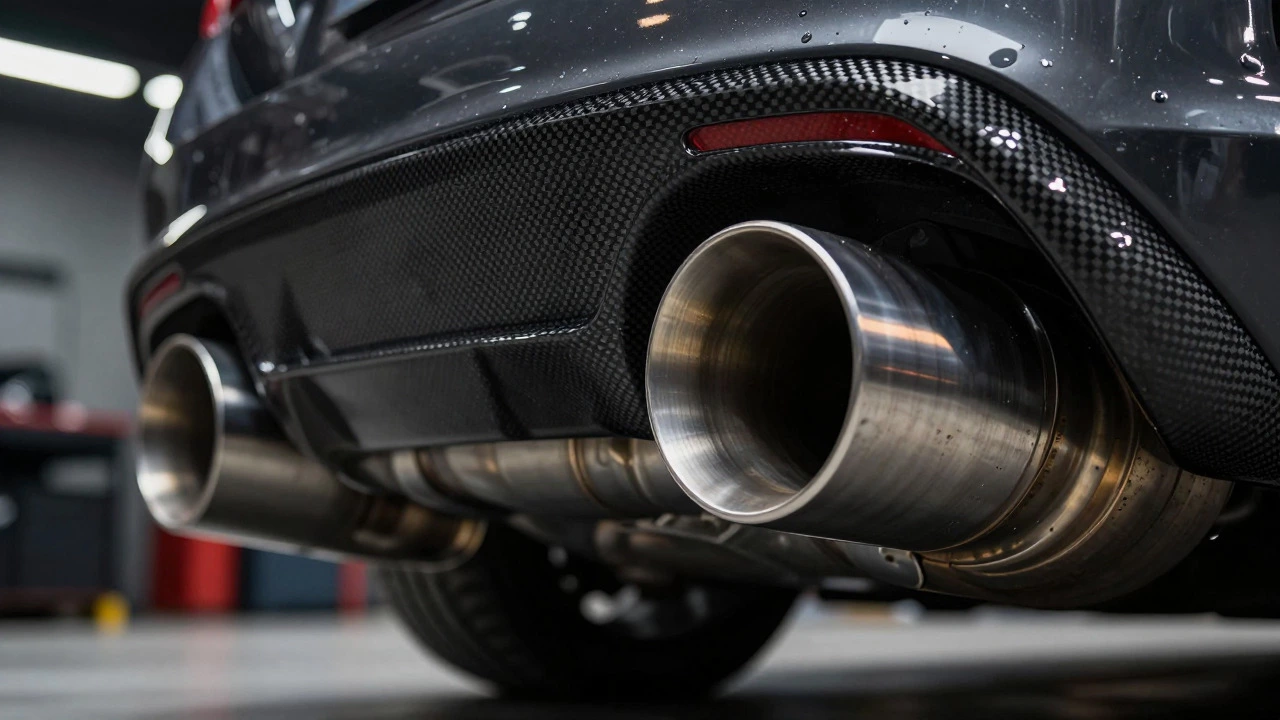
Premium/Enthusiast (£900 - £2,500+): Enter the world of Akrapovič, Remus, Capristo, and high-end Invidia systems. At this level, you’re paying for R&D, dyno testing, and exotic materials like titanium or carbon fiber tips. These aren’t just louder; they are lighter and engineered to optimize airflow across the entire RPM range. For a track-focused BMW M3 or a Porsche 911, this tier makes sense. For a daily commuter Ford Focus? Probably not.
| Tier | Price Range (GBP) | Typical Materials | Best For |
|---|---|---|---|
| Budget | £150 - £400 | Lower-grade Stainless Steel | Cosmetic sound changes, tight budgets |
| Mid-Range | £400 - £900 | 304 Stainless Steel, Mandrel Bent | Daily drivers, mild performance gains |
| Premium | £900 - £2,500+ | Titanium, High-Grade SS, Carbon Tips | Track cars, luxury vehicles, enthusiasts |
What Are You Actually Paying For?
If you’ve ever wondered why two exhausts that look identical have vastly different prices, it comes down to hidden costs. It’s not just metal tubes welded together.
Material Quality: Cheap exhausts use aluminized steel or lower-grade stainless that corrodes quickly, especially in the UK where road salt is common in winter. High-end systems use 304 or 316L stainless steel, which resists rust and maintains structural integrity under extreme heat. Titanium, found in premium systems, is incredibly light and strong but costs a fortune to fabricate.
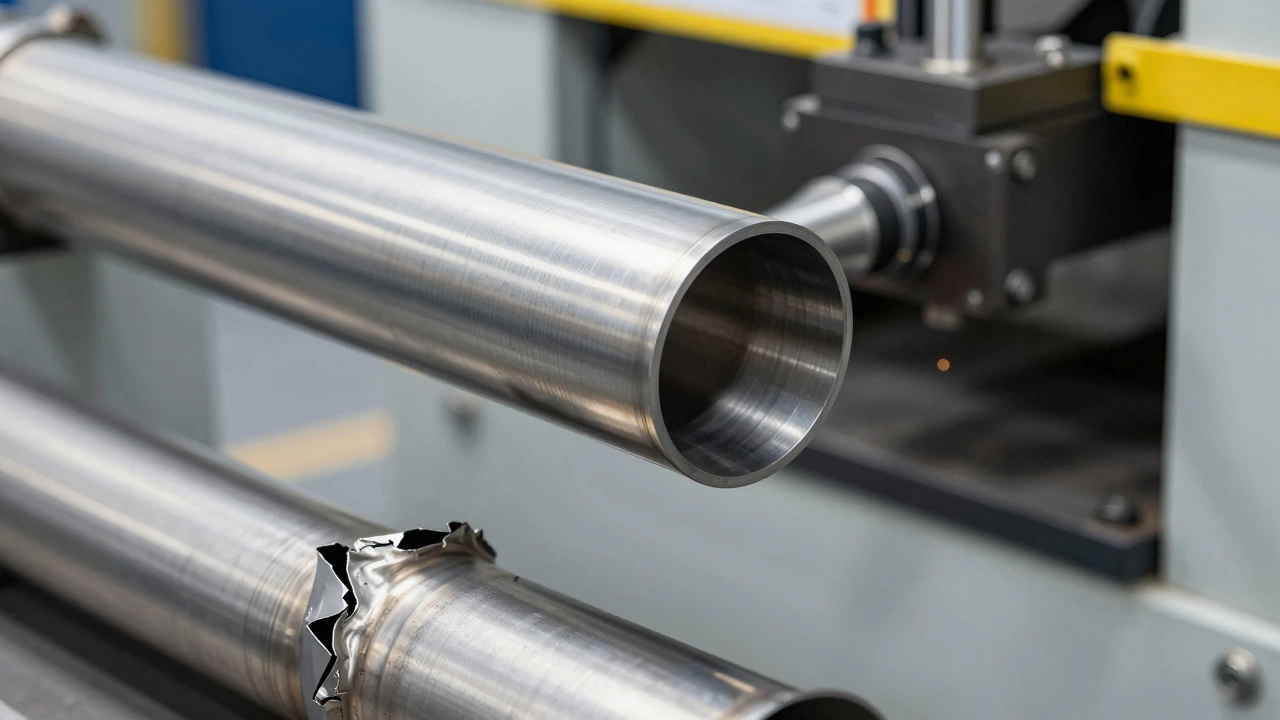
Fabrication Precision: Have you heard of "mandrel bending"? In cheap exhausts, pipes are crushed when bent, restricting airflow. Mandrel bending uses a form inside the pipe to keep it perfectly round, ensuring smooth gas flow. This process requires expensive machinery and skilled labor. If an exhaust is cheap, it likely wasn’t mandrel-bent.
Engineering and Dyno Testing: Premium brands don’t guess. They test. They spend thousands on dynamometers to ensure their system actually adds horsepower and doesn’t create annoying drone at cruising speeds. That R&D cost is baked into the final price. When you buy a budget system, you’re buying a gamble on how it will sound.
Brand Value: Let’s be honest. Part of the cost is the badge. An Akrapovič logo commands a premium because it signals status. If you care about the aesthetic and the reputation, you pay more. If you just want noise, you can find cheaper alternatives that sound 80% similar for half the price.
Installation Costs: The Hidden Expense
Here’s the part many people forget: the exhaust itself is only half the battle. Installation varies wildly depending on who does the work and where you live. In Manchester, for example, labor rates differ between a local independent garage and a main dealer.
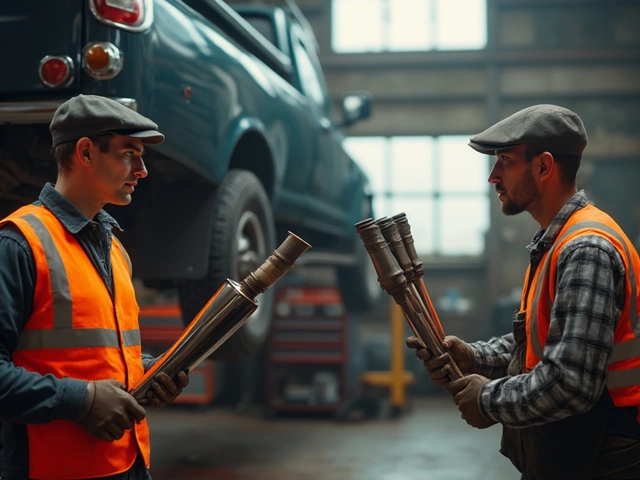
DIY Installation: If you have a jack, some wrenches, and a bit of patience, you can save £100-£200. Cat-back systems are generally easier to install since you’re working behind the catalytic converter. However, rusted bolts can turn a simple job into a nightmare. Penetrating oil is your best friend here.
Independent Garage: Most specialists charge between £80 and £150 for labor. They have the right tools, lifts, and experience to handle tricky fits. This is usually the best value for money. They’ll also check for leaks and ensure everything is aligned properly.
Main Dealer: Dealerships can charge £150-£300+ for labor. While convenient, they often mark up parts significantly if you buy through them. Unless you’re under warranty and worried about paperwork, independents are usually smarter choices.
Additional Parts: Don’t overlook gaskets, clamps, and hangers. Sometimes, old rubber hangers snap during removal. Factor in an extra £20-£50 for miscellaneous hardware just in case.
Cat-Back vs. Axle-Back vs. Header-Back
The type of exhaust system you choose dramatically impacts the price and the result. Understanding these terms helps you avoid buying the wrong thing.
Axle-Back: This replaces everything from the rear axle differential back. It’s the cheapest option (£150-£400) and easiest to install. It changes the tone but offers minimal performance gains. Great for a subtle growl without breaking the bank.
Cat-Back: This starts behind the catalytic converter. It’s more comprehensive than axle-back, affecting more of the exhaust path. Prices range from £400-£900. This is where you start seeing real performance benefits and significant sound changes. It’s the most popular choice for enthusiasts.
Header-Back / Downpipe: This includes the headers or downpipes, replacing the front section of the exhaust. This is complex, expensive (£800-£2,000+), and often requires ECU tuning to prevent error codes. It offers the biggest power gains but also the highest risk of failing MOT tests due to stricter emissions regulations in the UK.
Will It Pass Your MOT?
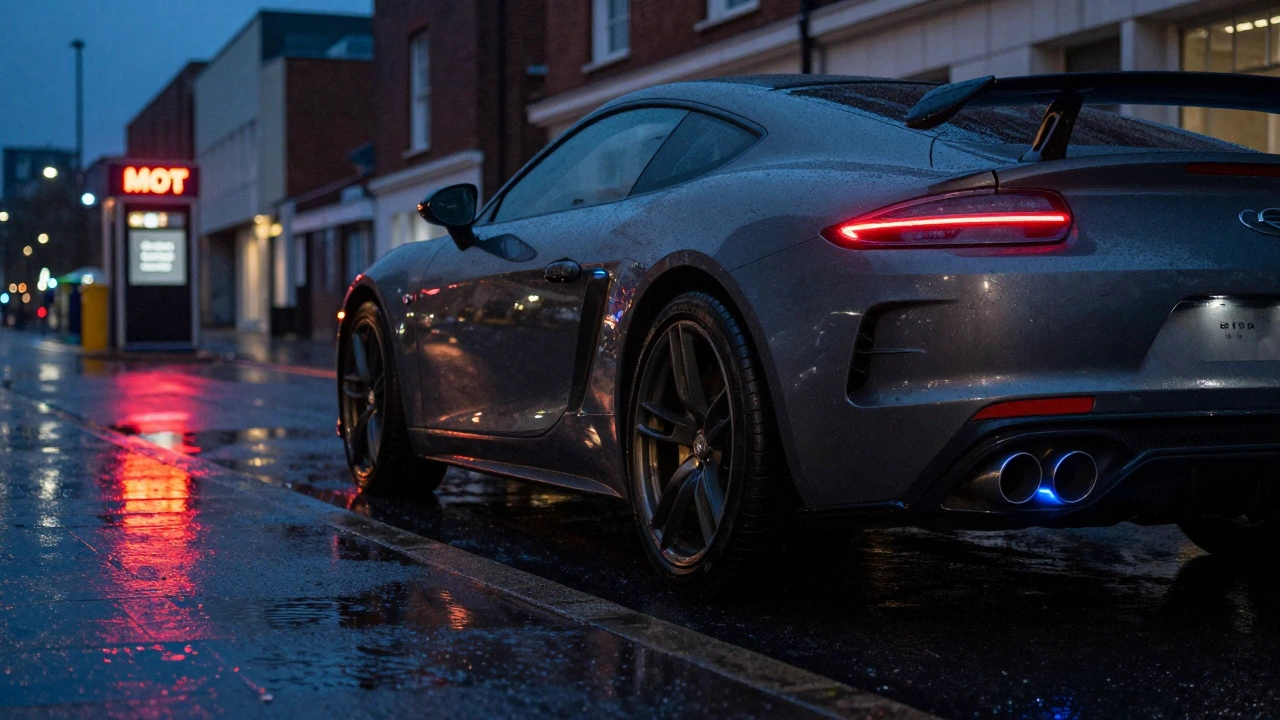
In the UK, this is a critical consideration. The Ministry of Transport (MOT) has strict rules about exhaust modifications. Generally, you must retain the original catalytic converter. Removing it (as some header-back systems do) will lead to an automatic fail unless you have a Certificate of Conformity proving the new system meets Euro emissions standards.
Even if legal, excessive noise can cause a failure. Testers listen for unusual noises, including those caused by poor installation or overly aggressive designs. Stick to reputable brands that advertise "MOT compliant" or "Euro 6 compliant" systems to avoid headaches. A cheap, loud exhaust might save you money upfront but cost you dearly in retests and fines.
How to Choose the Right System for Your Budget
So, how do you decide? Start with your goals. Do you want more power, better sound, or both? If it’s purely auditory, a quality axle-back from a known brand like Borla or Flowmaster will suffice for under £300. If you want performance, aim for a cat-back system in the £500-£700 range. Look for reviews specifically mentioning "drone"-you don’t want to hate driving on the motorway because your cabin sounds like a jet engine.
Check compatibility carefully. Universal fit kits exist but require welding and fabrication skills. Direct-fit systems are pricier but guarantee a plug-and-play experience. Always verify the exact model year and engine code of your vehicle, as even minor variations can affect fitment.
Finally, consider resale value. On high-performance cars, a recognized brand like Akrapovič can actually add value. On economy cars, it’s often seen as a personal modification that doesn’t appeal to buyers. Know your audience if you plan to sell later.
Is a more expensive exhaust always better?
Not necessarily. For most daily drivers, mid-range systems offer the best balance of price, durability, and performance. Premium systems shine in track environments or luxury vehicles where weight savings and specific acoustic tuning matter. If you're just wanting a deeper tone, a budget axle-back might be sufficient.
Can I install an aftermarket exhaust myself?
Yes, especially axle-back or cat-back systems. You'll need basic tools, penetrating oil for rusty bolts, and possibly a helper. However, if you're replacing headers or downpipes, professional installation is recommended due to complexity and potential need for ECU tuning.
Will an aftermarket exhaust void my warranty?
In the UK and EU, manufacturers can only void warranty for issues directly caused by the modification. If your engine fails due to lean conditions from a poorly tuned exhaust, they may deny coverage. Keep records of the part and installation to prove compliance with emissions standards.
What is the difference between stainless steel and titanium exhausts?
Titanium is lighter, stronger, and more resistant to corrosion than stainless steel, making it ideal for racing. However, it costs significantly more-often double or triple the price. For street use, high-grade 304 stainless steel offers excellent durability and performance at a fraction of the cost.
How much horsepower can an aftermarket exhaust add?
On stock engines, expect minimal gains-typically 5-10 HP for a full cat-back system. The real benefit is improved throttle response and torque curve smoothing. Significant horsepower increases usually require supporting mods like ECU tunes, intake upgrades, and camshaft changes.