Suspension Health Diagnostic Checker
Select the symptoms you are currently experiencing. The more issues you check, the higher the risk that your suspension needs attention.
Visual & Physical Signs
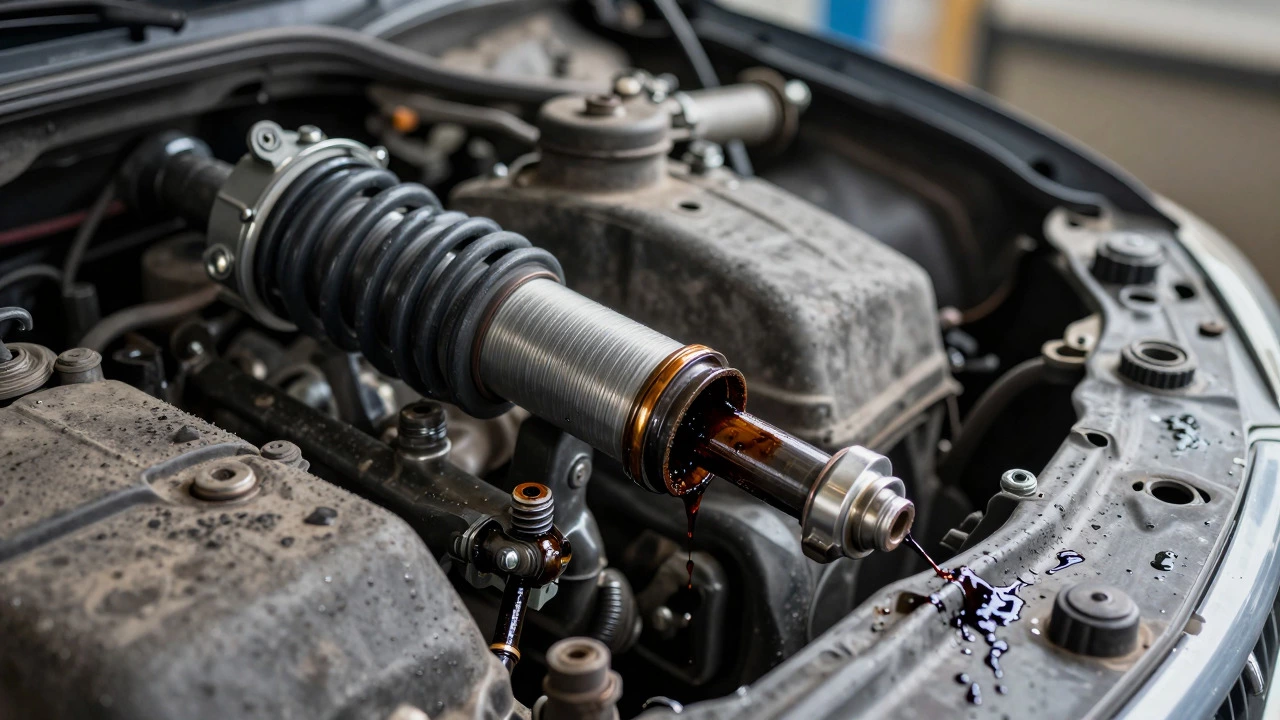
- Fluid leaks on shocks/struts (wet/dripping)
- Cracked or torn rubber bushings
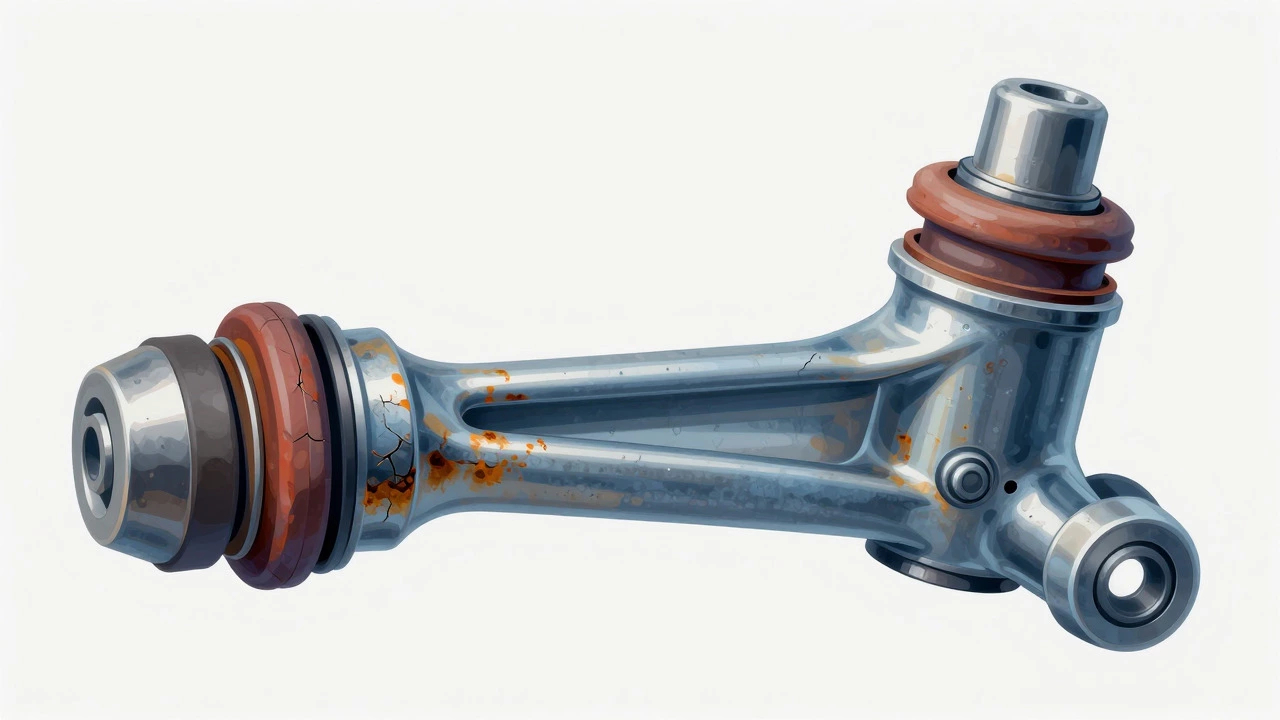
- Heavy rust/corrosion on control arms
- Uneven tire wear (inner/outer edges)
- Bounce test: Car rocks more than twice
Driving Feel & Noises
- Nose diving when braking hard
- Harsh ride (every pebble feels like a rock)
- Steering wobble or pull at highway speeds
- Clunking/Knocking over bumps
- Rattling at low speeds
- Squeaking/Squealing while turning
- Grinding sounds (constant or turning)
Your car feels different. Maybe it bounces a bit too much over speed bumps, or the steering wheel wobbles slightly at highway speeds. It’s easy to ignore these small quirks until one day your ride becomes uncomfortable, noisy, or unsafe. Knowing when your suspension system is the network of springs, dampers, and links that connect your vehicle's wheels to its chassis failing can save you from expensive repairs down the line.
A healthy suspension absorbs road impacts, keeps tires in contact with the pavement, and ensures stable handling. When components like shock absorbers or struts wear out, they stop doing their job effectively. This leads to a cascade of issues that are often subtle at first but become obvious if you know what to look for.
Visual Inspection: What to Look For
The easiest way to check your suspension is to look at it. You don’t need to be a mechanic to spot major red flags. Start by walking around your vehicle. Look under the hood (bonnet) and behind the rear seats or spare tire well.
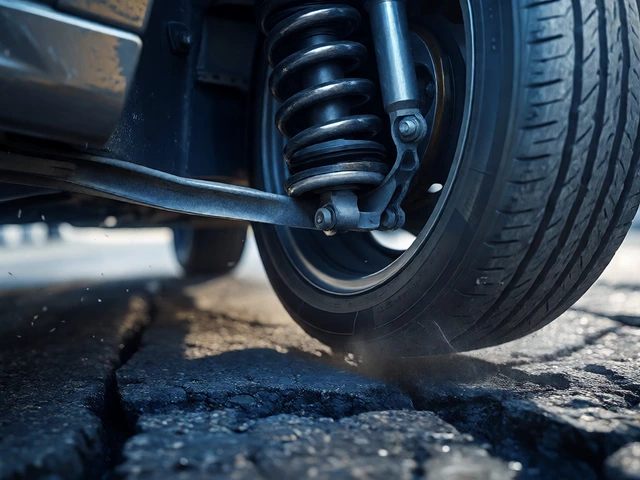
- Fluid Leaks: If you see oil soaking through the rubber boot on a strut or shock absorber, it’s leaking. A dry strut is usually fine; a wet one is dying. Once fluid escapes, the internal seals fail, and the damper loses its ability to control spring movement.
- Cracked or Broken Bushings: Rubber bushings isolate metal parts from vibrating against each other. If they’re cracked, torn, or missing, you’ll hear clunks when turning or going over bumps.
- Corrosion and Rust: In regions like Manchester, UK, where roads are salted in winter, rust is common. Heavy corrosion on control arms or ball joints can weaken them significantly.
- Uneven Tire Wear: Check your tires. If the inner or outer edges are wearing down faster than the center, your alignment might be off, which is often caused by worn suspension components like tie rods or ball joints.
Driving Feel: The Sensory Clues
Sometimes, your body tells you what your eyes miss. Pay attention to how the car handles during your daily commute.
- Excessive Bouncing: Try the "bounce test." Push down firmly on one corner of the car and let go. It should settle back into position within one or two bounces. If it keeps rocking up and down, your dampers are weak.
- Nose Diving: When you brake hard, does the front end dip significantly? This indicates worn front struts or shocks that aren’t controlling the weight transfer properly.
- Harsh Rides: Paradoxically, some people think a stiff ride means good suspension. Actually, if every pebble feels like a rock, your dampers might be seized or broken, transmitting all road noise directly to the cabin.
- Steering Wobble: At higher speeds, if the steering wheel shakes or pulls to one side, it could be due to unbalanced forces from damaged suspension parts or wheel bearings affected by suspension stress.
Noise Cues: Listening for Trouble
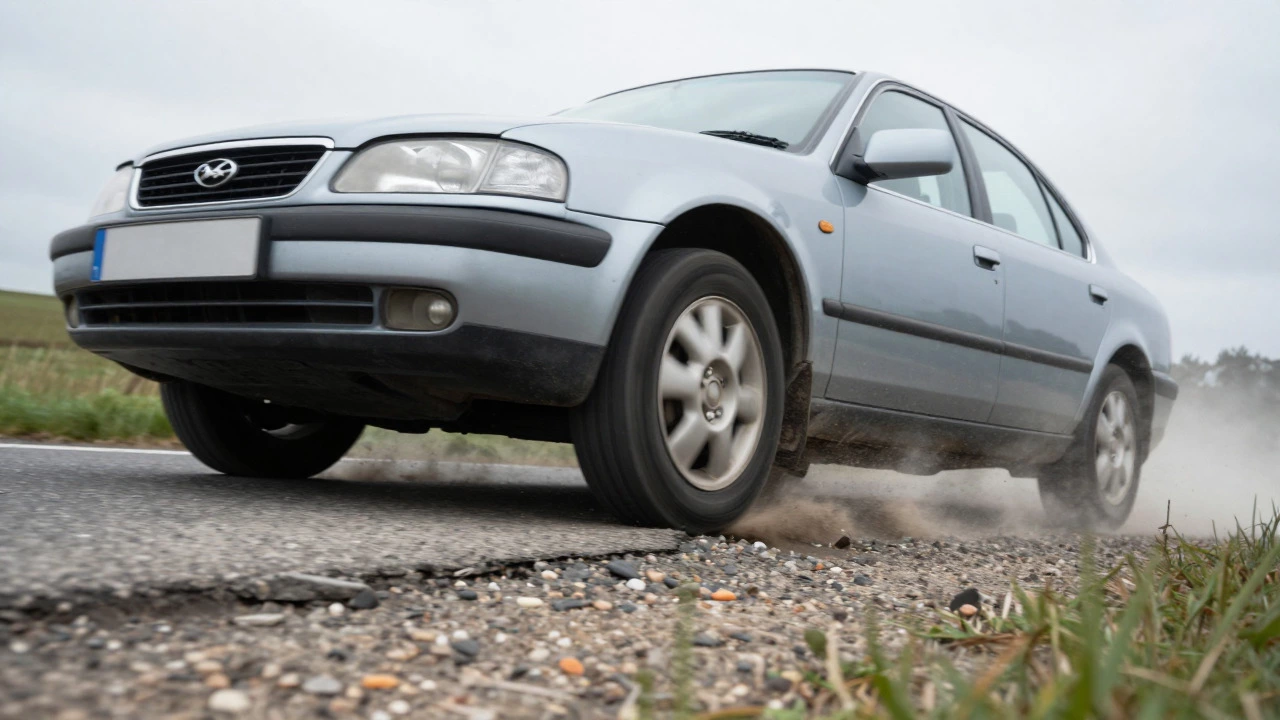
Suspension failures rarely happen silently. Listen carefully while driving over rough patches or turning.
| Noise Type | When It Happens | Likely Culprit |
|---|---|---|
| Clunking or Knocking | Over bumps or potholes | Worn bushings, loose ball joints, or broken stabilizer bar links |
| Rattling | At low speeds on rough roads | Loose heat shields, worn sway bar links, or broken springs |
| Squeaking or Squealing | While turning or braking | Dry or damaged bushings, or tension in the stabilizer bar |
| Grinding | Constantly or when turning | Severe bearing damage or seized ball joints |
When to Replace vs. Repair
Not every issue requires a full suspension overhaul. Understanding the difference between repair and replacement helps you budget wisely.
Repairable Issues:
- Single stabilizer bar link failure (replace just the link).
- Minor bushing wear (can sometimes be pressed out and replaced without swapping the whole arm).
- Tire imbalance or misalignment (caused by suspension wear but fixed separately).
Replacement Needed:
- Shock absorber or strut leaks (internal damage cannot be fixed).
- Control arm with severe corrosion or bent geometry.
- Ball joint with excessive play (risk of wheel detachment).
- Spring breakage (requires immediate attention).
As a rule of thumb, if a component is more than 50% worn or has failed structurally, replace it. Trying to patch a leaking strut saves money today but risks damaging the CV axle or wheel bearing tomorrow.
Maintenance Tips to Extend Suspension Life
You can’t stop time, but you can slow down wear. Here are practical steps for UK drivers:
- Check Tire Pressure Monthly: Under-inflated tires put extra stress on suspension components.
- Drive Carefully Over Potholes: Hitting a deep pothole at high speed can bend a control arm instantly. Slow down when you see them.
- Get Alignments Annually: Misalignment causes uneven tire wear, which signals underlying suspension issues.
- Inspect After Winter: Salt and moisture accelerate corrosion. A visual check after January can catch early rust before it becomes structural.
Frequently Asked Questions
How long do suspension parts typically last?
It depends on driving conditions and vehicle type. Generally, shock absorbers and struts last 60,000 to 100,000 miles. Ball joints and control arms can last longer if not exposed to severe corrosion or heavy impacts. In the UK, frequent rain and road salt may reduce the lifespan of unprotected metal components.
Is it safe to drive with bad suspension?
Short-term, yes, but only for short distances and low speeds. Long-term, no. Worn suspension reduces tire grip, increases stopping distance, and can lead to sudden mechanical failure, such as a ball joint separating from the knuckle, which can cause loss of control.
What is the difference between a strut and a shock absorber?
Both dampen spring movement. However, a strut is a structural part of the suspension assembly, often supporting the top of the wheel hub. A shock absorber is non-structural and works alongside a separate spring and control arm. Struts are common in modern front-wheel-drive cars, while shocks are found in many rear suspensions and older vehicles.
Can I replace suspension parts myself?
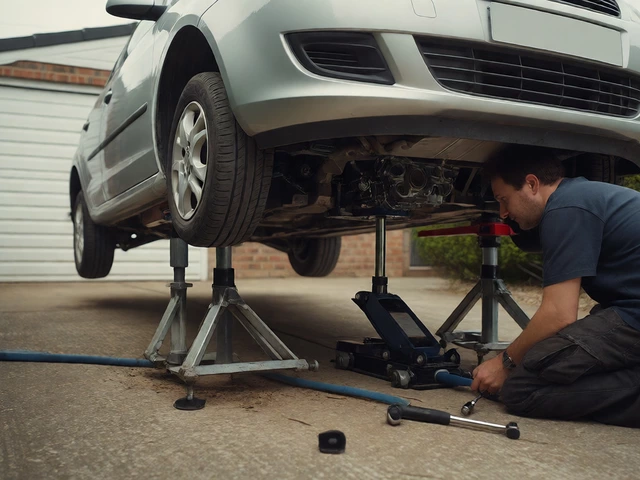
Simple parts like stabilizer bar links or sway bar end links can be DIY-friendly with basic tools. Struts, however, require specialized spring compressors and torque wrenches. If done incorrectly, a compressed spring can release with dangerous force. For safety-critical components like struts and control arms, professional installation is recommended.
Does air conditioning affect suspension life?
Indirectly, yes. Running the AC adds load to the engine, which can slightly increase vibration transmitted to the chassis. More importantly, heavy loads (like passengers or cargo) combined with aggressive driving accelerate suspension wear regardless of AC use.