Radiator Replacement Cost Calculator
Estimate Your Repair Costs
Enter your vehicle type to see estimated radiator replacement costs and potential consequences of delaying repairs.
Your car’s temperature gauge climbs higher than normal. You see a puddle under the engine. Maybe you hear a weird gurgling sound when you turn it off. You start wondering: is replacing radiators worth it? Or should you just top up the coolant and hope it lasts a few more months?
The truth is, a failing radiator isn’t like a worn-out air filter you can ignore. It’s the heart of your cooling system. If it goes, your engine overheats-and that can mean a $3,000 engine rebuild instead of a $400 radiator swap. But not every leak or rust spot means you need a new one. Let’s break down what actually matters.
How a Radiator Actually Works
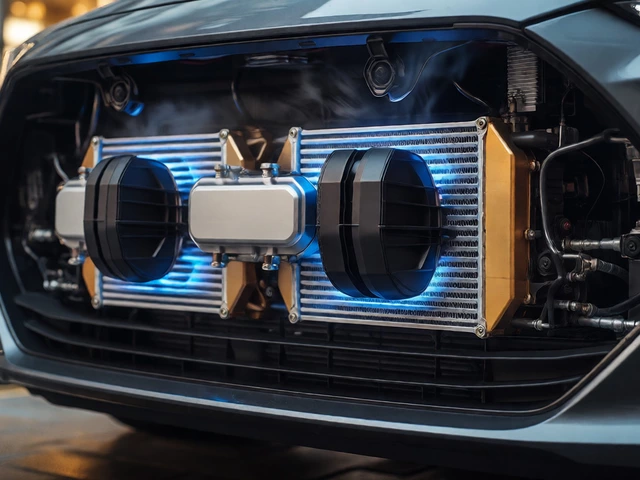
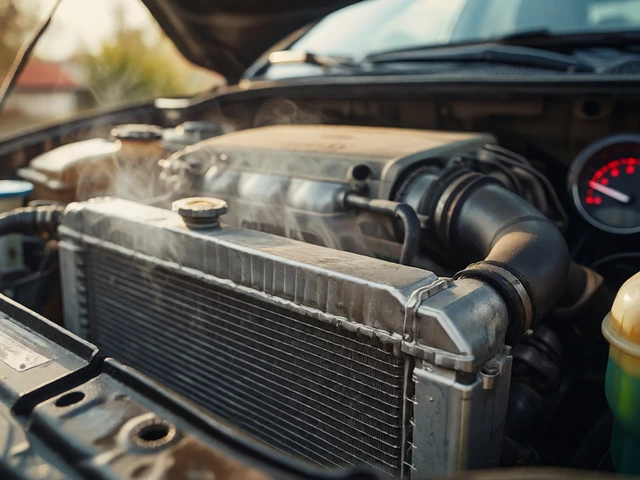
Your radiator isn’t just a metal box with tubes. It’s a heat exchanger. Hot coolant from the engine flows through hundreds of thin aluminum tubes. Air from the front grille, either from driving or the cooling fan, pulls heat out of those tubes. The cooled fluid then loops back into the engine. Simple? Yes. Fragile? Absolutely.
Modern radiators are mostly aluminum with plastic end tanks. That’s lighter and cheaper, but it’s also more prone to cracking than the old all-metal ones. Plastic tanks warp over time from heat cycles. Metal tubes corrode from old or dirty coolant. Even a small crack lets coolant escape-and air in. Once air gets into the system, you get hot spots in the engine. That’s when things go bad fast.
Signs Your Radiator Is Failing
You don’t need a mechanic to spot trouble. Here’s what to look for:
- Coolant leaks under the car-especially near the front, under the engine. Green, orange, or pink fluid? That’s coolant. Not oil. Not brake fluid. If it’s sticky and smells sweet, it’s coolant.
- Overheating, even after refilling-if you top up coolant and it’s gone again in a week, something’s leaking or failing.
- Sludge in the coolant-pull the radiator cap (only when cold!) and look inside. If the fluid looks like muddy tea or has chunks floating in it, your radiator’s clogged. That’s not a flush job. That’s a replacement.
- Rust or corrosion on the radiator fins-if the metal fins look like they’ve been eaten away, especially near the bottom, the radiator’s done. Rust means internal corrosion. That’s irreversible.
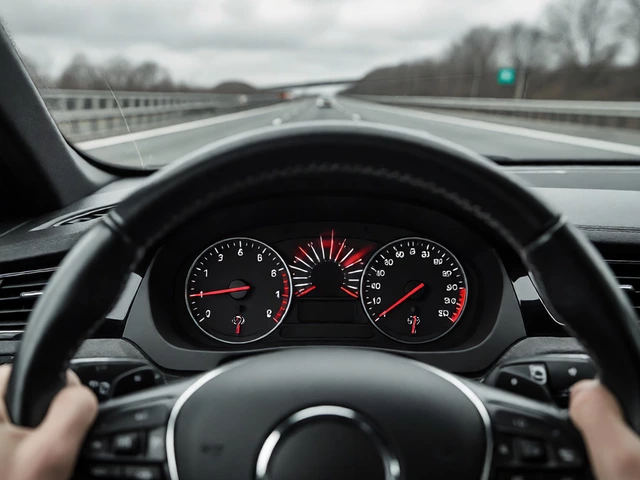
- Temperature gauge spikes during normal driving-if you’re not stuck in traffic and the needle goes into the red, your radiator can’t keep up.
I had a 2014 Ford Focus come in last winter. Owner kept adding coolant every two weeks. No visible leaks. No warning lights. But the engine was running hot on motorway drives. We pulled the radiator-and the bottom tank had a hairline crack. You couldn’t see it unless you pressure-tested it. That’s the kind of failure that kills engines quietly.
How Much Does a New Radiator Cost?
Costs vary by car, but here’s what you’ll actually pay in the UK right now:
| Vehicle Type | Radiator Part Cost | Labor Cost | Total Estimate |
|---|---|---|---|
| Compact car (e.g., Ford Fiesta, VW Polo) | £80-£150 | £100-£160 | £180-£310 |
| Mid-size sedan (e.g., Toyota Avensis, Honda Accord) | £150-£280 | £140-£200 | £290-£480 |
| SUV or 4x4 (e.g., Land Rover Freelander, Ford Kuga) | £220-£400 | £180-£280 | £400-£680 |
| Performance or luxury (e.g., BMW 3 Series, Audi A4) | £300-£600+ | £200-£350 | £500-£950+ |
Don’t forget: if your radiator’s bad, your coolant’s probably contaminated too. You’ll need a full system flush and new coolant-add another £50-£80. Some garages include it. Others don’t. Always ask.
When Replacing Isn’t Worth It
There are times when replacing the radiator is a waste of money.
- Your car is over 15 years old and has over 150,000 miles-if the engine’s still running fine, and you’re not planning to keep it long, a radiator replacement might not make sense. That’s a £500 fix on a car worth £800. Consider selling it or using it for parts.
- You’ve had repeated cooling system failures-if you’ve replaced the thermostat, water pump, hoses, and radiator in the last two years, something deeper’s wrong. Maybe the head gasket is blown. Fixing the radiator won’t help if the engine’s already damaged.
- The radiator is leaking because of physical damage-like a collision or road debris. If the rest of the car is banged up, and you’re looking at other repairs, a radiator swap might be the least of your worries.
One customer brought in a 2007 Honda Civic with a cracked radiator. The car had 187,000 miles. He asked if he should replace it. We checked the engine compression-two cylinders were down. Head gasket gone. Replacing the radiator would’ve cost him £400. A new engine? £1,800. He sold it for £600. That’s the hard call.

When Replacing Is a No-Brainer
Here’s when you should act fast:
- Your car is under 10 years old and under 100,000 miles-you’ve got years left. A £300 radiator keeps you running reliably.
- You’re planning to keep the car for another 3+ years-this isn’t just about money. It’s about peace of mind. Overheating on a motorway can be dangerous.
- You’ve noticed coolant mixing with oil-if your oil dipstick looks like a milkshake, you’ve got a head gasket issue. But even then, you still need a new radiator. Old, contaminated coolant will wreck the new one if you don’t replace it.
- Your car has a history of overheating-even if it’s been fixed before, recurring overheating means the system’s under stress. A new radiator reduces the chance of a repeat.
For most people in the UK, if your car’s under 10 years old and the radiator’s leaking or clogged, replacing it is the smart move. It’s not a luxury. It’s insurance.
What About Aftermarket or Used Radiators?
You’ll see cheap options online: £50 radiators from China, or used ones from scrapyards.
Used radiators? Risky. You don’t know if they’re cracked internally. They might have been sitting in a yard for years with dirt and rust inside. Even if it looks fine, it’s a gamble.
Aftermarket radiators? Some are fine. Brands like Behr, Valeo, and Denso make reliable replacements that match OEM specs. But avoid no-name brands. I’ve seen cheap radiators fail within six months because the plastic tanks couldn’t handle UK temperature swings.
Stick with reputable brands. Pay the extra £30-£50. It’s worth it.
What Happens If You Don’t Replace It?
Ignoring a bad radiator doesn’t mean you’ll just get a warning light. It means you’re playing Russian roulette with your engine.
Overheating causes:
- Warped cylinder heads
- Blown head gaskets
- Cracked engine blocks
- Seized pistons
Each of those costs £1,500 to £5,000 to fix. And that’s if the engine can even be repaired. Sometimes, you need a whole new engine. That’s £3,000-£7,000.
One mechanic I know replaced 17 radiators last year. Eight of those cars would’ve needed engine rebuilds if the owners had waited another month. One guy waited until his engine locked up on the M6. He got a £5,000 quote. He bought a £2,500 used car instead.
How to Make the Call
Here’s a simple decision tree:
- Is coolant leaking or discoloured? → Yes → Move to step 2.
- Is your car under 10 years old and under 100,000 miles? → Yes → Replace radiator.
- Is your car over 15 years old and worth less than £1,000? → Yes → Consider selling or scrapping.
- Have you had multiple cooling system repairs in the last year? → Yes → Get a compression test. Might be head gasket.
- Is the radiator visibly rusted or cracked? → Yes → Replace it now.
If you’re unsure, get a pressure test. Most garages do it for £20-£40. It’ll tell you if the radiator’s holding pressure. If it’s not, you’re not saving money by waiting.
Preventing Future Problems
Once you replace the radiator, protect it:
- Use the right coolant. Don’t mix types. Always check your manual.
- Flush the system every 4-5 years. Even if it looks clean, corrosion builds up inside.
- Check coolant levels monthly. Low coolant = air in the system = overheating risk.
- Don’t ignore the thermostat. A stuck thermostat kills radiators faster than anything.
Most radiator failures aren’t sudden. They’re slow leaks, slow clogs, slow degradation. If you’re paying attention, you’ll see them coming.
Can a radiator be repaired instead of replaced?
Almost never. Small leaks in metal tubes can sometimes be patched with sealant, but that’s a temporary fix at best. Plastic tanks? No repair possible. Even if you weld a crack, the radiator’s already weakened by corrosion. A patch might last a few weeks, but it’s not reliable. Replacing it is the only safe, long-term solution.
How long does a radiator usually last?
Most modern radiators last 8 to 12 years, or 100,000 to 150,000 miles. But that’s if the coolant’s been changed regularly. Dirty coolant, mixed fluids, or long periods of overheating can cut that lifespan in half. Older cars with all-metal radiators could last 20 years-but those are rare now.
Will a new radiator improve my car’s performance?
Not directly. A new radiator won’t make your car faster or more fuel-efficient. But it will keep your engine running at the right temperature. That means better fuel economy, smoother performance, and fewer breakdowns. It’s about reliability, not power.
Can I replace a radiator myself?
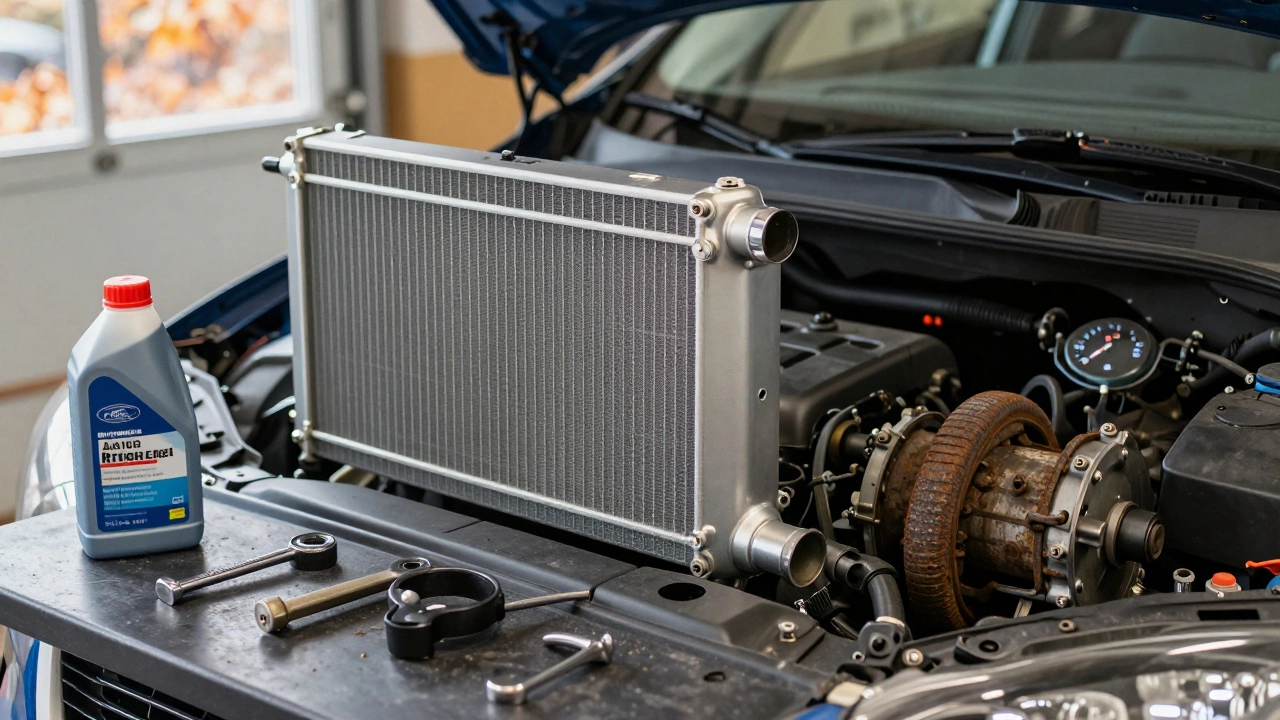
You can, if you’re comfortable with basic tools and draining fluids. You’ll need jack stands, a drain pan, wrenches, and a funnel. But bleeding air from the cooling system is tricky. If you don’t do it right, you’ll get air pockets-and overheating. For most people, it’s safer and faster to let a pro handle it, especially if your car has a complex cooling layout.
Is it better to buy a radiator from a dealership or an aftermarket supplier?
Dealership radiators are OEM and cost the most. Aftermarket brands like Behr, Valeo, and Denso are just as reliable and cost 30-50% less. Avoid no-name brands on Amazon or eBay. Stick with suppliers that list their products as meeting OEM standards. The savings are real, and the quality is there.
Final Thought: It’s Not About Saving Money-It’s About Not Losing Your Car
Replacing a radiator isn’t a luxury. It’s a safety net. You wouldn’t ignore a worn-out brake pad. Don’t ignore a leaking radiator. The cost of waiting is almost always higher than the cost of acting. If your radiator’s failing, replace it. Your engine will thank you.