Can I Just Add More Oil? The Risks, Rules, and Right Way to Top Up
Learn the safe way to top up engine oil. Discover why matching viscosity matters, how to read a dipstick correctly, and the risks of overfilling or mixing synthetic and mineral oils.
When you hear oil viscosity, the measure of how thick or thin engine oil flows at different temperatures. Also known as oil weight, it determines how well your engine gets lubricated when it’s cold or running hot. Think of it like honey versus water—honey flows slowly, water flows fast. Your engine needs oil that flows just right: thin enough to reach parts quickly on a cold morning, but thick enough to protect them under high heat and pressure.
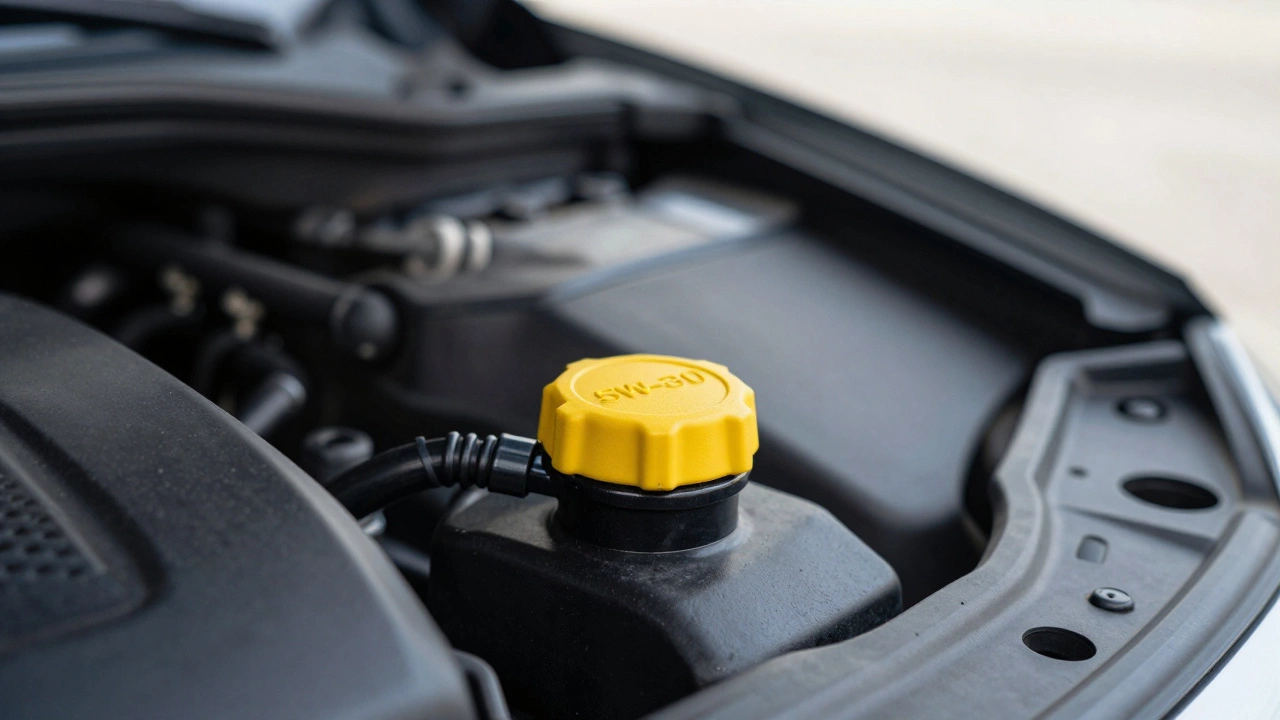
Synthetic oil, a man-made lubricant designed for better performance across temperature ranges is now common because it handles viscosity better than old-school mineral oil. That’s why many modern cars list 5W-30 or 0W-20 on the oil cap—those numbers tell you how the oil behaves in winter (the number before the W) and at operating temperature (the number after). If your engine’s oil is too thin, metal parts grind together. Too thick, and it can’t flow fast enough, causing overheating and extra strain. Engine oil, the lifeblood of your car’s internal combustion system doesn’t just reduce friction—it also cools, cleans, and seals critical parts. Skipping the right viscosity isn’t just a mistake; it’s a slow-motion engine killer.
Most people don’t realize that oil viscosity affects fuel economy, emissions, and even how long your engine lasts. A 2023 study by the Society of Automotive Engineers showed that using the wrong oil grade can cut fuel efficiency by up to 2%. And if you’re using 10W-40 in a car that calls for 5W-20, you’re not being careful—you’re being expensive. Your owner’s manual isn’t a suggestion. It’s a map to keeping your engine alive. Even if you change oil on time, if the viscosity is wrong, you’re still risking sludge buildup, accelerated wear, and costly repairs down the road.
You’ll find plenty of posts here that tie directly to this. From how overdue oil changes turn thick, dirty oil into engine-damaging sludge, to why synthetic oil lasts longer and flows better in freezing weather, these articles give you the real-world answers. You’ll also see how oil viscosity connects to other issues—like why a failing fuel pump might not be the culprit if your engine is struggling on startup, or how overheating can be tied to poor lubrication, not just a bad radiator. This isn’t theory. These are the things mechanics see every day. And now you know what to look for.
 Jun, 8 2026
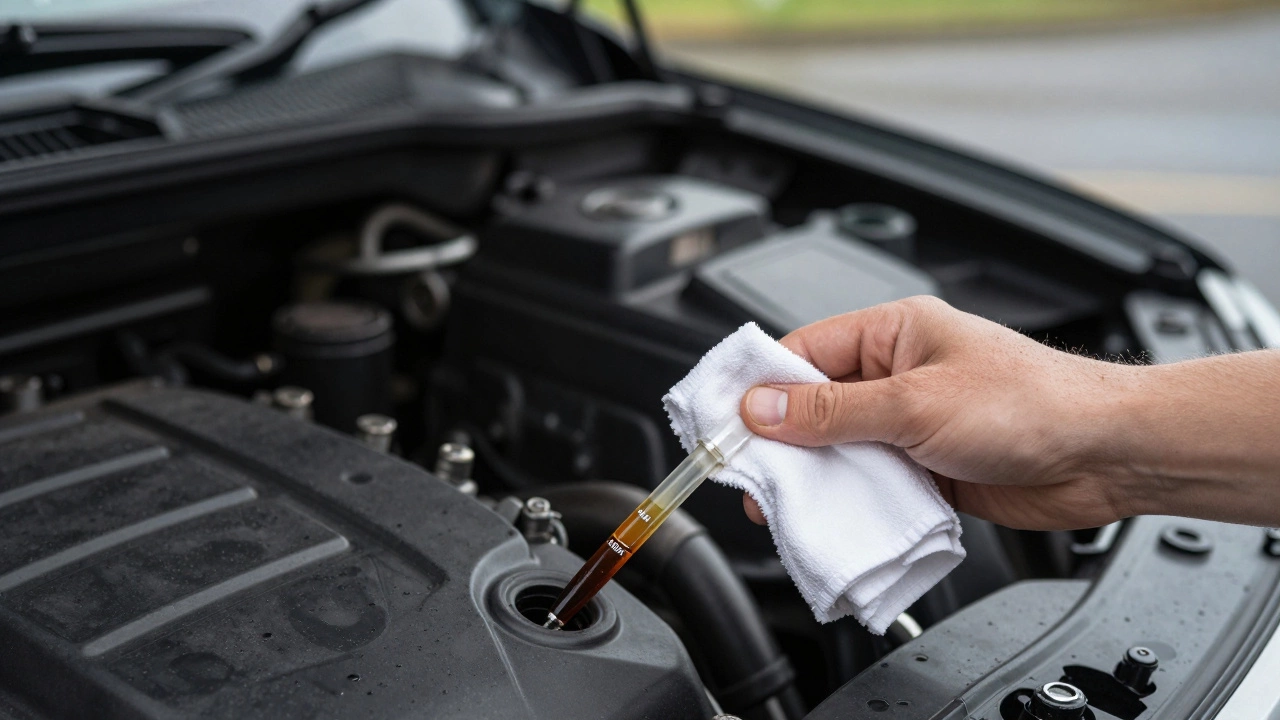
Learn the safe way to top up engine oil. Discover why matching viscosity matters, how to read a dipstick correctly, and the risks of overfilling or mixing synthetic and mineral oils.
 May, 7 2026
Learn how to identify the correct engine oil for your car by decoding viscosity grades, understanding API/ACEA certifications, and choosing between synthetic and conventional options. A simple guide to proper lubrication.
 Oct, 18 2025
Learn how to read your oil gauge or dipstick, understand temperature effects, and keep the engine oil level optimal to avoid costly damage.
 May, 28 2025
Ever wondered if you can use 10w30 instead of 5w30 in your car? This article breaks down the real-world effects of swapping these two common grades of engine oil. It explains how oil viscosity works, what car manufacturers expect, and what could go wrong with performance and engine life. You’ll also get some practical tips to help you decide what’s best for your vehicle. Let’s make sure your engine stays healthy without any guesswork.