Alloy Wheel Repair Cost Calculator
Enter details about your damaged alloy wheel to estimate repair costs and understand alternatives.
Alloy rims look sharp. They’re lighter, improve handling, and make your car stand out on the road. But if you think they’re perfect, you’re missing the real downsides. Most people don’t talk about them until they’re staring at a bent wheel after hitting a pothole or paying £300 to fix a crack that shouldn’t have happened.
They Crack and Bend Easier Than Steel Wheels
Alloy rims are made from aluminum mixed with other metals like magnesium. That makes them stronger per pound than steel-but also more brittle. Steel bends. Alloy cracks. And once it cracks, you can’t just hammer it back into shape.
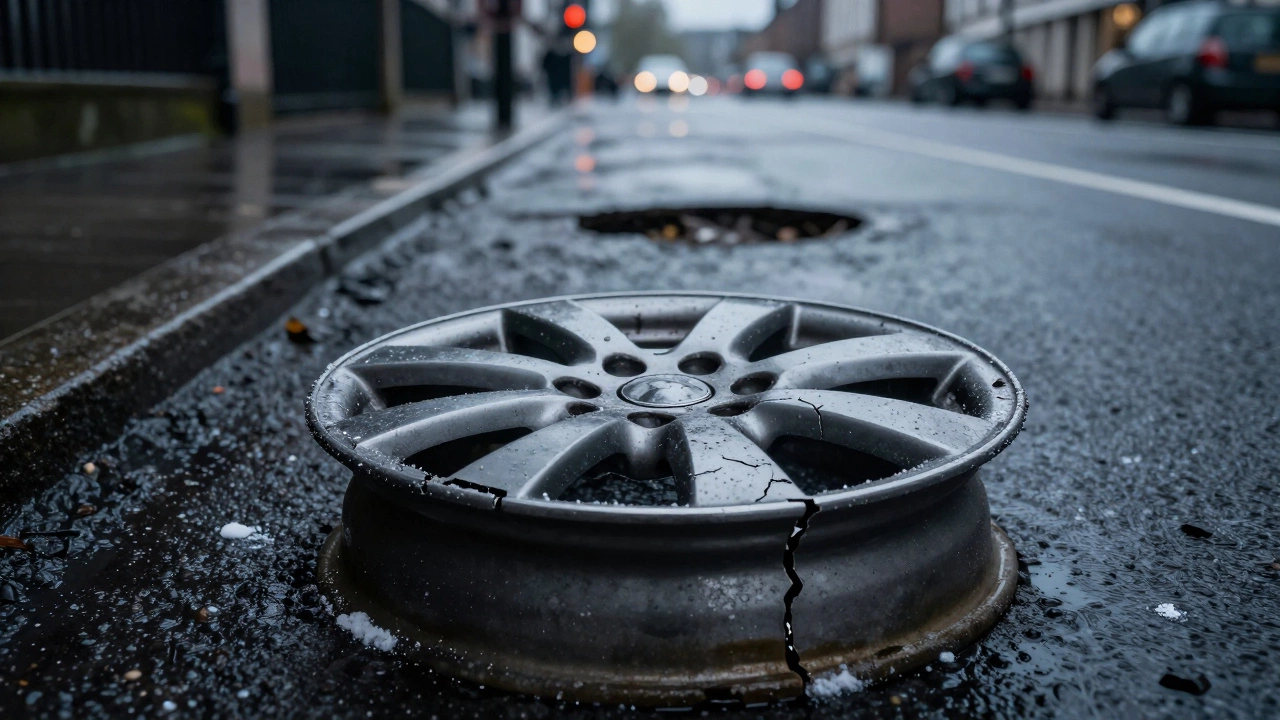
On a typical UK road, potholes are unavoidable. A single sharp impact-like hitting a curb at 20 mph or driving over a deep pothole after rain-can cause hairline fractures in alloy wheels. These aren’t always visible right away. But over time, the stress from driving causes them to grow. You might not notice until your tire starts losing air slowly, or worse, blows out while you’re on the motorway.
Steel wheels, by comparison, will dent or warp, but they rarely break. And if they do, they’re cheaper and easier to replace. One garage owner in Manchester told me he sees three alloy wheel repairs for every one steel wheel repair. And the cost difference? Steel wheels start at £50. Alloy repairs start at £150-and that’s if it’s fixable.
Repairing Them Is Expensive and Often Impossible
You might think, “I’ll just get it repaired.” But not every crack or bend can be fixed. If the damage is near the valve stem or extends into the barrel of the wheel, most shops won’t touch it. The risk of failure is too high.
Even when repair is possible, it’s not cheap. A basic straightening and refinish job costs between £120 and £250 per wheel. If you need welding, it’s closer to £300. And if you’ve got four wheels damaged? You’re looking at £1,200 before tax.
Compare that to steel wheels: you can buy a brand-new set of four for under £300. Some people keep steel wheels just for winter. They swap them out when snow hits. That’s not a luxury-it’s a smart move if you live somewhere with bad roads.
They’re More Susceptible to Corrosion
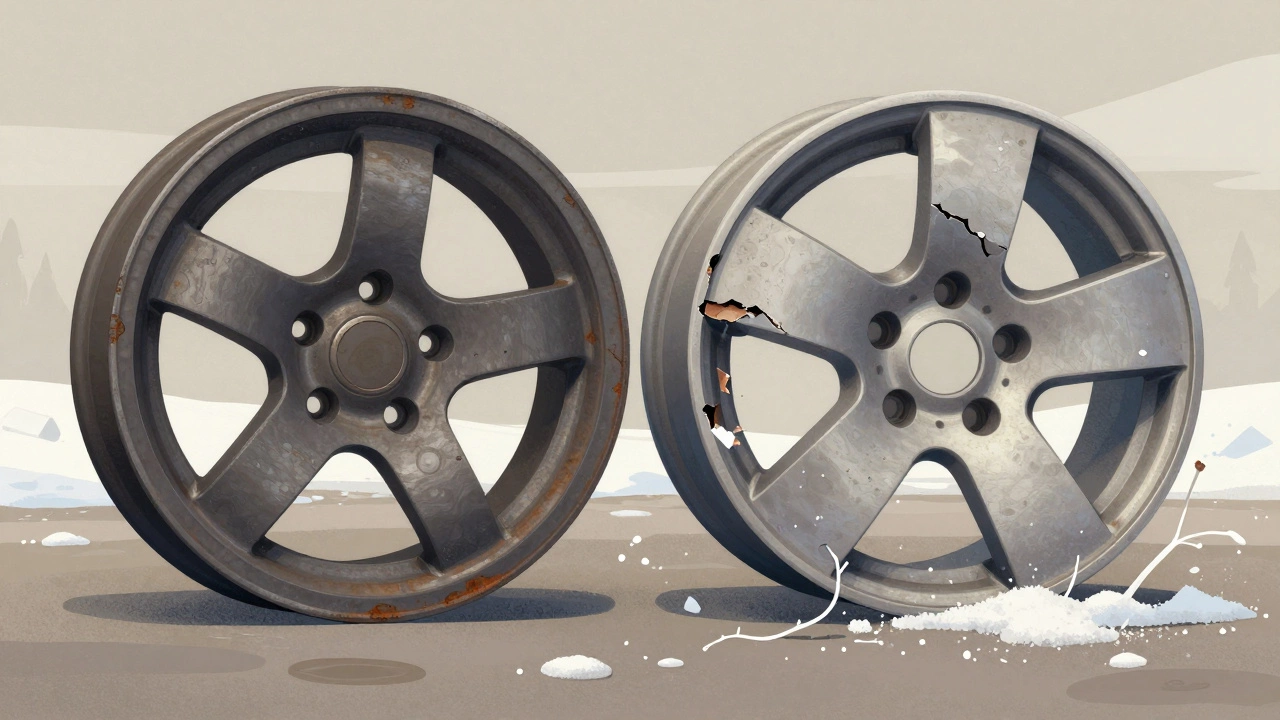
Alloy wheels are coated with paint or clear lacquer to protect them from the elements. But that coating chips. And once it does, moisture gets in. Salt from winter roads in the UK accelerates corrosion underneath. You’ll see it as white, powdery residue around the edges or bubbling paint.
Once corrosion sets in, it spreads. It weakens the structure. Even if the wheel looks fine on the surface, the metal inside can be eating away. A wheel that looks cosmetically damaged might be structurally unsafe.
Steel wheels rust too-but rust stays on the surface. You can sand it off and repaint it. Alloy corrosion eats from the inside out. And once it’s deep enough, the wheel is scrap.
They Cost More to Replace
Let’s say your alloy rim is beyond repair. You need a replacement. A new OEM alloy wheel for a mid-range car like a Ford Focus or Volkswagen Golf can cost anywhere from £250 to £600 per wheel. Aftermarket ones are cheaper, but you risk poor fitment or lower quality.
Steel wheels? You can buy a basic set of four for £200-£300. And they’re universally compatible. If you need a spare, you can grab one from a scrap yard for £30. That’s not possible with alloys-they’re model-specific, and the center bore, bolt pattern, and offset have to match exactly.
And if you’ve got custom alloys? Good luck finding a match. You might have to order online, wait six weeks, and pay double. That’s not just money-it’s time you don’t have when your car’s off the road.
They’re Harder to Maintain
Alloy rims demand attention. You can’t just wash them with regular car shampoo. Harsh cleaners, abrasive brushes, or even pressure washers too close can strip the protective coating. That’s why many people end up paying for professional cleaning every few months.
And if you drive in winter? You’re fighting salt, grime, and road debris constantly. A quick rinse after a snowstorm isn’t enough. You need to clean the crevices, dry them thoroughly, and reapply sealant. Neglect it for a season, and you’ll be looking at faded, pitted wheels by spring.
Steel wheels? You hose them off. That’s it. No special products. No extra time. No stress.
They’re Not Ideal for Off-Road or Rough Conditions
If you drive on country lanes, gravel tracks, or poorly maintained roads, alloy rims are a liability. They’re designed for smooth tarmac, not rocks, roots, or uneven surfaces. Even a small bump can cause damage that wouldn’t faze a steel wheel.
People who use their cars for work-delivery drivers, tradespeople, or those living in rural areas-often switch back to steel wheels for practicality. One van driver in Salford told me he keeps steel wheels on his Ford Transit year-round. “I don’t care how it looks,” he said. “I care that I don’t have to pay £800 every time I hit a pothole.”
Resale Value Can Drop If They’re Damaged
When you sell your car, alloy rims are supposed to add value. But if they’re scratched, bent, or corroded? Buyers notice. And they’ll knock £500-£1,500 off the price, depending on the car and the damage.
One buyer I spoke to said he passed on a £12,000 Audi because two of the wheels had visible cracks. “I could’ve fixed them,” he said. “But why pay £1,000 to make it look nice when I could just buy a cheaper car with good wheels?”
Alloy wheels only boost resale value when they’re in perfect condition. If they’re not, they become a liability.
They’re Not Always Better for Performance
Yes, alloy wheels are lighter. That helps with acceleration, braking, and fuel economy. But the difference is tiny-usually less than 5% in real-world driving. And if you’re driving in stop-start city traffic or on rough roads, that small benefit disappears.
Heavier steel wheels actually absorb more road shock. That means a smoother ride, less vibration through the chassis, and less wear on your suspension over time. If you care about comfort and longevity, steel might be the better choice.
So, Are Alloy Rims Worth It?
They look good. They’re trendy. But they come with hidden costs. If you drive on smooth roads, live in a dry climate, and don’t mind spending £200+ every time you hit a bump, then go for it.
If you live in the UK-where potholes are everywhere, salt is on every road in winter, and repair shops are expensive-steel wheels make more sense. Keep alloys for summer. Use steel for the rest of the year. It’s a simple trick that saves money, stress, and time.
Don’t let looks fool you. A car’s wheels are its first line of defense. Choose based on what keeps you moving-not what looks best in the driveway.
Are alloy rims more prone to damage than steel wheels?
Yes. Alloy rims are more brittle than steel wheels. They can crack or chip from impacts like potholes or curbs, while steel wheels typically just dent or bend. Once an alloy wheel cracks, it’s often not repairable, whereas steel can usually be hammered back into shape or replaced cheaply.
How much does it cost to repair a damaged alloy rim?
Repair costs vary. Minor bends and scratches can cost £120-£250 per wheel. If welding is needed, expect £250-£350. If the damage is near the valve stem or structural areas, repair may not be possible at all. In those cases, replacement is the only option-and a new alloy wheel can cost £250-£600 each.
Can alloy wheels be repaired at home?
No. Repairing alloy wheels requires specialized equipment like heat treatment ovens, hydraulic presses, and welding tools designed for aluminum. DIY kits sold online don’t fix structural damage and can make the wheel unsafe. Always take damaged alloys to a professional wheel repair shop.
Do alloy wheels affect fuel economy?
Yes, but minimally. Lighter alloy wheels reduce unsprung weight, which can improve fuel efficiency by 1-3%. However, this benefit is often lost on rough roads where the wheels absorb more shock and require more energy to keep moving. For most daily drivers, the difference is too small to notice.
Should I switch to steel wheels in winter?
Yes, if you drive in areas with salted roads or frequent potholes. Steel wheels are cheaper to replace, resist corrosion better, and handle impacts without cracking. Many drivers in the UK keep a set of steel wheels for winter use and swap them out when conditions improve. It’s a practical way to protect your investment.
Do alloy wheels reduce ride comfort?
Not directly, but they can make the ride feel harsher. Because they’re stiffer and don’t flex as much as steel, they transmit more road vibration to the chassis. This is especially noticeable on rough surfaces. Steel wheels absorb more shock, leading to a smoother ride over time.
Are alloy wheels more expensive to insure?
Not directly. Insurance doesn’t charge more because you have alloy wheels. But if your wheels are damaged in an accident, the repair or replacement cost is higher. That means your claim payout could be larger, which might affect future premiums if you file multiple claims.
How can I protect my alloy wheels from damage?
Use wheel protectors or rim guards, avoid driving too close to curbs, and clean your wheels regularly with non-abrasive cleaners. Avoid pressure washers directly on the surface. Apply a ceramic coating or sealant every 6 months to prevent corrosion. Drive slowly over potholes and avoid sudden impacts.