Spark Plug Troubleshooter
Select the symptoms or conditions that apply to your vehicle after the recent spark plug installation.
Ready to Diagnose
Select the options on the left that match your situation and click "Diagnose Issue" to find the likely cause.
Your car was struggling to start or running rough, so you bought a box of new spark plugs and swapped them out. You felt proud of the job done, saved some cash on labor, and hopped in for a test drive. But instead of purring like a kitten, your engine is stumbling, idling unevenly, or feeling weaker than before. It’s frustrating, isn’t it? You just spent time and money to fix a problem, only to make it worse.
Here is the hard truth: changing spark plugs is one of those tasks where doing it "good enough" isn't good enough. The ignition system is incredibly sensitive. A tiny error in installation, a wrong part number, or a hidden issue exposed by the fresh plugs can turn a smooth ride into a bumpy one. Most of the time, the problem isn't that the new plugs are bad-it's how they were installed or what else is going on under the hood.
You Installed the Wrong Spark Plug Type
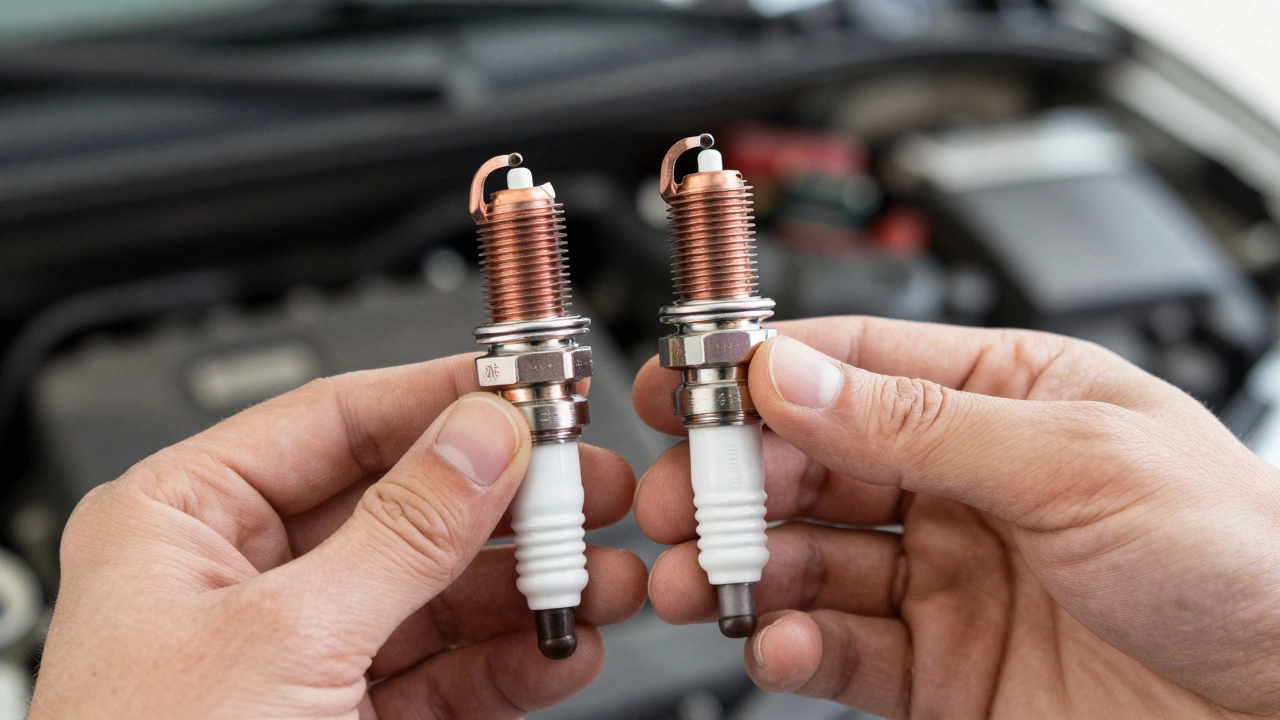
The first thing to check is whether you actually put the correct parts in your engine. It sounds simple, but spark plugs are critical ignition components that must match specific heat ranges and thread sizes for your vehicle are not universal. Using a plug with the wrong heat range is a common mistake that leads to poor performance.
If the plug is too "hot," it can cause pre-ignition, where the fuel-air mixture ignites before the spark hits. This creates knocking noises and reduces power. If it's too "cold," carbon builds up quickly, leading to fouling and misfires. Even if the threads fit, the electrode material matters. Copper plugs wear faster, while iridium or platinum plugs last longer but require precise gaps. Check your owner’s manual or the old plug’s part number against the new ones. Did you grab the generic store brand that looks similar but has different specifications?
The Gap Was Not Set Correctly
This is the number one reason cars run poorly after a DIY spark plug change. The gap is the tiny space between the center electrode and the ground electrode. Your engine control unit (ECU) expects a very specific voltage jump across this gap. If the gap is too wide, the spark might not fire at all, causing a misfire. If it's too narrow, the spark is weak, leading to incomplete combustion and loss of power.
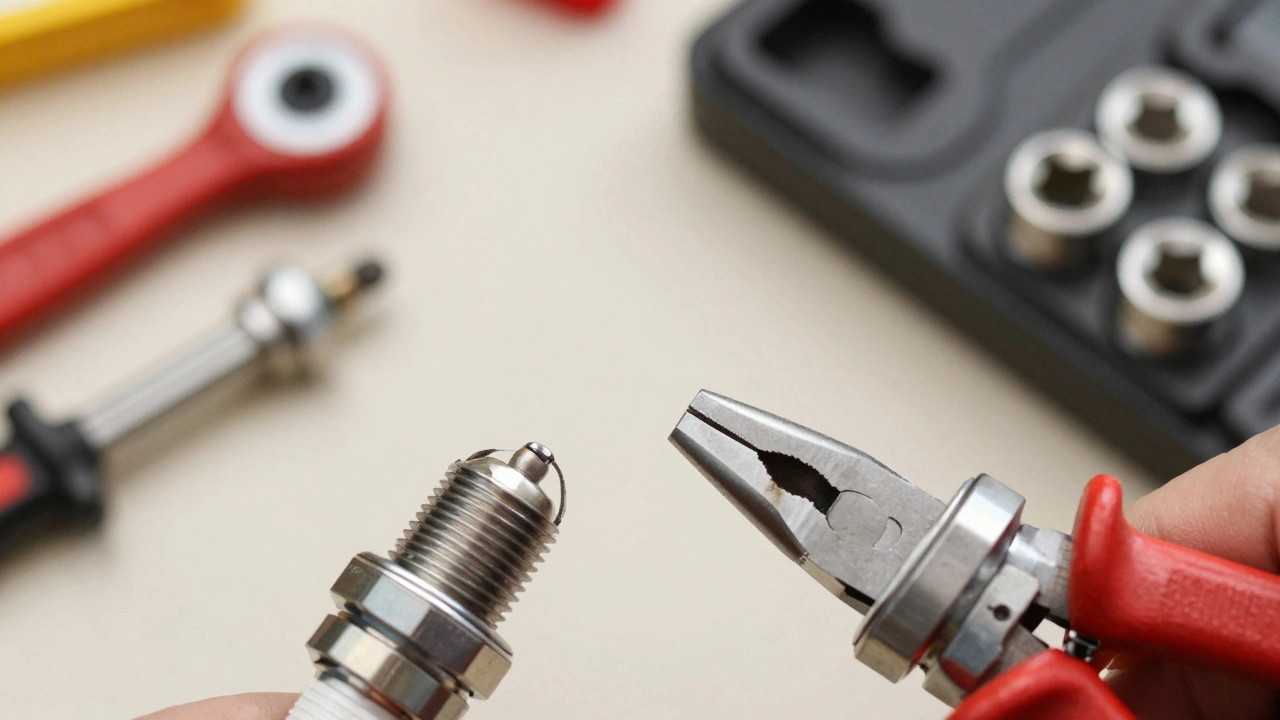
Many modern plugs come pre-gapped from the factory, but they can get bumped during shipping or handling. Always measure the gap with a feeler gauge before installing. For most cars, the gap is between 0.028 and 0.060 inches. If you don't have a gauge, you're guessing. And in ignition systems, guessing is expensive. Use a wire-type feeler gauge, slide it into the gap, and adjust gently with a tool designed for this purpose. Never use pliers to bend the electrode; you'll crack the ceramic insulator.
You Cross-Threaded or Overtightened the Plugs
Spark plugs are delicate. They screw into the cylinder head, which is often made of aluminum. If you start threading a plug without aligning it perfectly straight, you can cross-thread the hole. This damages the threads in the head, making it impossible to seat the plug correctly. A loose plug leaks compression, while a tight plug can crack the ceramic.
Worse yet, overtightening is a frequent error. People think tighter is better, but spark plugs need torque, not muscle. Most plugs require between 10 and 20 foot-pounds of torque. Without a torque wrench, you’re relying on feel, which is unreliable. If you force a plug in, you can stretch the threads or crush the seal. If your car is now running rich or misfiring, check if any plug feels loose when you wiggle it with a socket. If it moves, you have a serious leak.
You Forgot to Clean the Ignition Coils or Boots
When you pull out old spark plugs, you also remove the ignition coils or boots that sit on top of them. Over time, dirt, oil, and carbon buildup accumulate in these wells. When you install new plugs, if you don't clean the area, that grime gets pressed down onto the new plug's terminal. This creates resistance, preventing the full high-voltage current from reaching the spark plug.
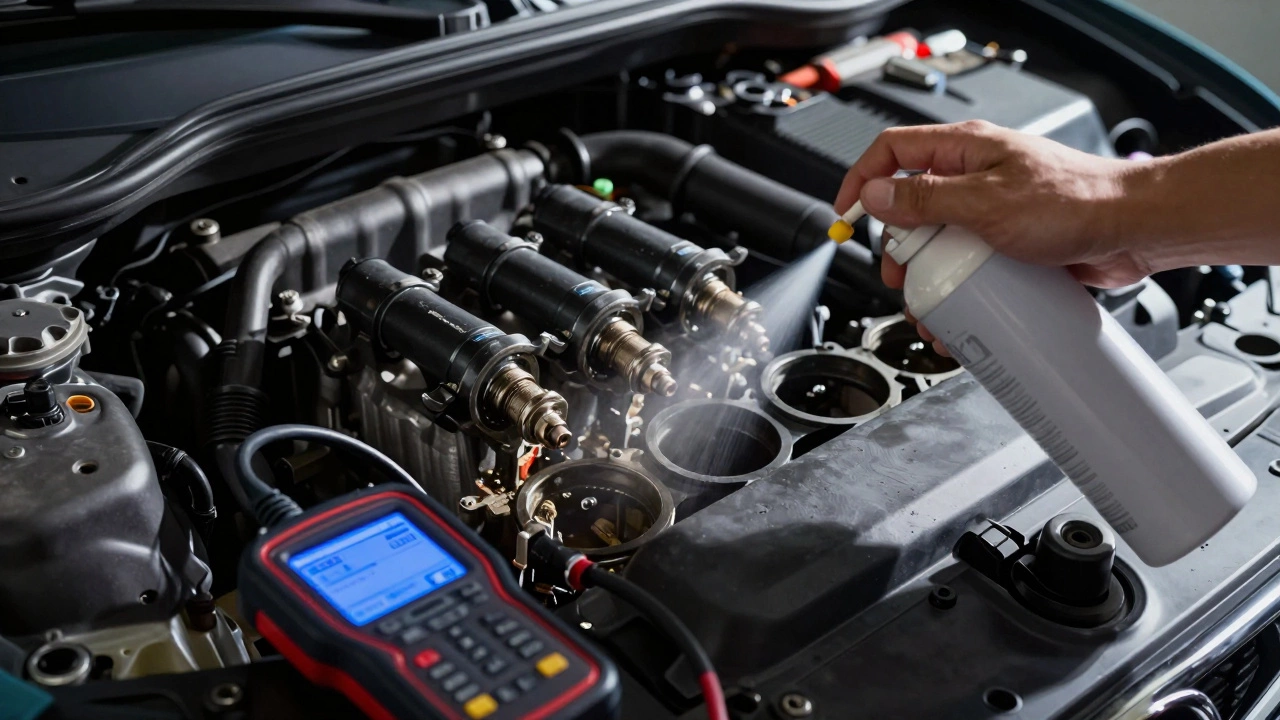
Before installing new plugs, spray the coil wells with electrical contact cleaner. Wipe away any sludge or oil. Inspect the rubber boots for cracks or brittleness. If the boot is damaged, it will arc electricity internally rather than sending it to the plug. You’ll hear a ticking sound from the engine bay. Replacing the plug won’t fix a bad boot. Clean everything thoroughly, and consider applying a dielectric grease to the inside of the boot to prevent moisture ingress and ensure a solid connection.
The Old Problem Wasn't the Spark Plugs
Sometimes, we blame the spark plugs because they are easy to change, but the real culprit lies elsewhere. If your car was running poorly before, it might have been due to dirty fuel injectors, a clogged air filter, or a failing mass airflow sensor. Changing the spark plugs didn't solve the root cause; it just added a variable to the mix.
In fact, new spark plugs can sometimes expose other issues. An older, worn-out plug might have been compensating for a slight lean condition or a vacuum leak. With fresh, efficient plugs, the engine runs hotter or faster, highlighting problems that were previously masked. Check for vacuum leaks around the intake manifold. Listen for hissing sounds. Scan your car with an OBD2 reader to see if there are pending codes related to fuel trim or oxygen sensors. Don't assume the plug swap fixed everything just because the check engine light went off temporarily.
You Didn't Reset the Engine Computer
Modern cars have sophisticated engine management systems that learn your driving habits and compensate for wear over time. When you replace spark plugs, the ignition timing and fuel mixture may need adjustment. However, the ECU doesn't always know you changed the parts immediately. It continues to use the old adaptive values.
This can cause hesitation, rough idling, or poor acceleration for the first few hundred miles. In many cases, the computer will relearn itself within 50 to 100 miles of normal driving. You can speed this up by disconnecting the battery for 15 minutes to reset the ECU, or using an OBD2 scanner to clear the adaptive memory. Just be prepared for the car to run slightly differently as it recalibrates. Drive normally-avoid heavy loads or extreme speeds-during this break-in period.
Comparison: Common Installation Errors vs. Symptoms
| Error | Symptom | Fix |
|---|---|---|
| Incorrect Gap | Misfiring, rough idle, lack of power | Measure and adjust gap with feeler gauge |
| Wrong Heat Range | Engine knocking, overheating, or fouling | Replace with manufacturer-specified plugs |
| Overtightened | Ceramic crack, stripped threads, no start | Use torque wrench; tap out if stuck carefully |
| Dirty Coil Wells | Intermittent misfire, ticking noise | Clean with electrical contact cleaner |
| Loose Plug | Compression loss, backfiring | Tighten to spec or repair threads |
How to Troubleshoot Poor Performance After a Swap
If your car is still running badly, don't panic. Follow this step-by-step process to isolate the issue:
- Check the Codes: Plug in an OBD2 scanner. Look for misfire codes (P0300-P0308). Note which cylinder is misfiring. This tells you exactly which plug to inspect.
- Visual Inspection: Remove the suspect plug. Look at the electrode. Is it wet with fuel? That’s a flooding issue. Is it black and sooty? That’s a rich mixture or oil leak. Is it white and blistered? That’s overheating or lean mixture.
- Verify the Gap: Measure the gap again. It may have shifted during installation. Adjust if necessary.
- Inspect the Coil: Swap the coil from the bad cylinder to a good one. If the misfire moves, the coil is bad. If it stays, the plug or wiring is the issue.
- Check for Leaks: Spray carburetor cleaner around the intake manifold while the engine is idling. If the RPM changes, you have a vacuum leak.
- Reset the ECU: Disconnect the battery for 15 minutes to clear adaptive learning data.
Most of the time, the issue is something small-a loose wire, a dirty connector, or a gap that’s off by a fraction of a millimeter. Take your time. Rushing leads to mistakes. If you’ve checked all these points and the car still runs poorly, it’s time to visit a professional mechanic. There may be internal engine damage or a more complex electrical fault that requires specialized diagnostic tools.
Can new spark plugs cause a car to run worse?
Yes, if they are installed incorrectly. Common issues include incorrect gap settings, wrong heat range, cross-threading, or failure to clean the ignition coils. These errors disrupt the ignition process, leading to misfires and poor performance.
How long does it take for new spark plugs to bed in?
New spark plugs usually perform immediately. However, the engine computer may take 50-100 miles to fully adapt to the new ignition characteristics. During this time, slight hesitation or roughness is normal as the ECU recalibrates fuel and timing maps.
What happens if spark plugs are too tight?
Overtightening can crack the ceramic insulator, strip the threads in the cylinder head, or deform the electrode. This leads to compression leaks, misfires, and potentially expensive engine repairs. Always use a torque wrench set to the manufacturer's specification.
Should I clean the spark plug wells before installation?
Do I need to reset my car's computer after changing spark plugs?
It is recommended to reset the ECU by disconnecting the battery or using a scanner. This clears old adaptive data that may conflict with the new plugs, allowing the engine to learn optimal timing and fuel mixture faster. Otherwise, the car may run poorly for several days.
Can a bad ignition coil make new spark plugs fail?
Yes. If an ignition coil is weak or failing, it cannot provide sufficient voltage to create a strong spark, even with new plugs. This results in misfires and poor combustion. Always test or swap coils if misfires persist after replacing plugs.