Winter Wiper Protection Guide
Answer these questions to find the safest way to protect your windscreen wipers overnight.
Recommended Action
Why this matters
You pull into your driveway after a long drive in the rain. You turn off the engine, grab your coat, and head inside. But before you lock the door, you reach out and flip your windscreen wipers up against the glass. It’s a common sight, especially as the temperature drops. If you’ve ever wondered why people do this, or if you’re wondering whether you should be doing it too, you are not alone. This simple habit is one of the most debated topics in basic vehicle maintenance. Some say it saves your wipers; others say it breaks them. So, what is the real reason behind lifting those rubber arms?
The Main Reason: Preventing Frozen Blades
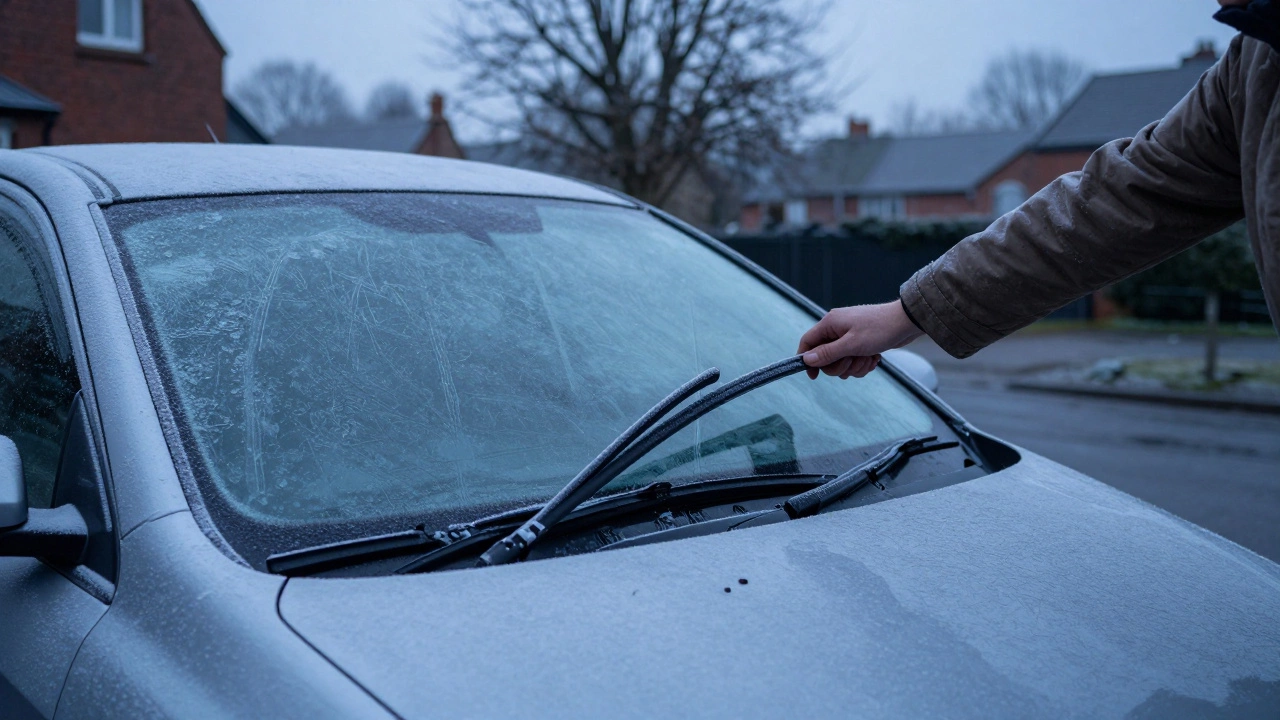
The primary reason people leave their wipers up is to keep them from freezing to the windshield. In colder climates, like here in Manchester where we see plenty of frost and snow, moisture on the glass can turn into a solid sheet of ice overnight. If your wiper blades are resting flat against the glass, that ice bonds the rubber directly to the windscreen.
When you try to start your car the next morning and hit the wiper switch, two bad things can happen. First, the wiper motor might struggle to move the frozen blades, potentially burning out the motor or stripping the gears. Second, and more commonly, the force of the motor yanking the rubber away from the ice can tear the blade itself. Rubber becomes brittle in the cold. Pulling it off hard ice can rip chunks out of the edge, ruining the seal you need for clear visibility. By standing the wipers upright, you ensure they aren't touching the glass, so they stay free and ready to move when you need them.
Is It Safe to Leave Wipers Up All the Time?
While lifting wipers prevents freezing, leaving them up permanently is generally a bad idea. Most modern cars use a "parked" position where the wipers rest at the bottom of the windshield, tucked under the cowl panel. This design isn't just for aesthetics; it serves several protective functions.
- UV Protection: Sunlight degrades rubber over time. When wipers are parked at the bottom, the hood of the car often casts a shadow over them, reducing direct UV exposure. Left upright, they bake in the sun, causing the rubber to crack and harden faster.
- Dust and Debris: The area under the cowl is relatively sheltered. Upright wipers collect bird droppings, tree sap, and road dust directly on the wiping edge. These contaminants can scratch your windshield when you finally lower them and use them.
- Wind Damage: Have you ever driven down a highway with high winds? If your wipers are stuck up (perhaps due to a mechanical failure), the aerodynamic drag can bend the metal arm or snap it off entirely. Even when parked, strong gusts can whip upright wipers around, damaging the linkage.
So, the rule of thumb is simple: only lift them when you expect freezing conditions. Once the threat of ice passes, put them back down.
The Risk of Breaking Your Wiper Arms
There is a significant risk associated with manually lifting wiper arms, particularly on modern vehicles. Many cars today have a feature called "winter mode" or "service mode." In standard operation, the wiper arms are held in place by springs. On some models, if you try to lift the arm while the system is active, you can damage the internal linkage or the parking pawl mechanism.
Before you lift your wipers, check your owner's manual. For many European brands and newer American cars, you must activate a specific sequence-often involving turning the ignition on and pulling the stalk-to disengage the spring tension. This allows you to lift the arm safely without fighting the mechanism. If you force an arm up on a car that requires this mode, you might hear a crunching sound. That’s the sound of expensive plastic gears breaking. Always verify if your vehicle needs this step before applying physical force.
Better Alternatives to Lifting Wipers
If you want to avoid frozen wipers without risking damage to your arms or exposing the blades to the elements, there are safer alternatives. These methods protect your investment in new wiper blades without the hassle of manual adjustment.
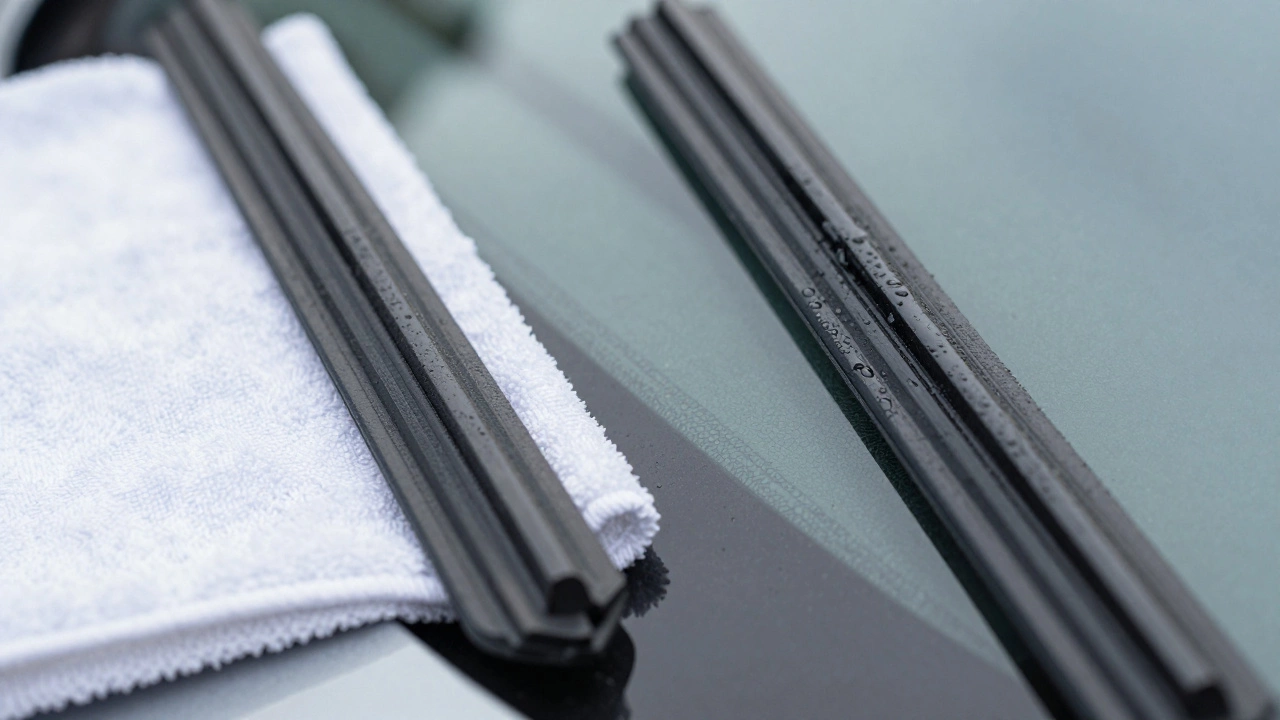
- Use Microfiber Towels: After washing your car or driving in rain, simply place a clean microfiber towel over the wiper blades, tucking it under the arm but keeping it loose enough to breathe. This barrier prevents the rubber from bonding to the ice. In the morning, just peel the towel off. It’s quick, easy, and protects the rubber from UV rays too.
- Apply Silicone Spray: A light coating of silicone spray on the wiper rubber creates a hydrophobic layer. This makes it much harder for ice to bond tightly to the blade. It also helps the wipers glide smoother across the glass during rainy days. Just be careful not to get silicone on the actual glass surface, as it can cause smearing.
- Park in a Garage: The obvious solution is to keep your car indoors. If you don’t have a garage, even a covered carport helps significantly by reducing direct exposure to snow and frost.
How to Properly Remove Ice from Windshields
If you wake up to a frozen windshield, resist the urge to scrape aggressively or pour hot water on the glass. Hot water can cause thermal shock, cracking your windshield instantly. Instead, follow these steps for safe removal:
- Start the Engine: Turn on your defroster to high heat and low fan speed initially. This warms the glass gradually from the inside.
- Use a Plastic Scraper: Wait a few minutes for the ice to loosen slightly. Then, use a dedicated plastic ice scraper. Metal scrapers can gouge the glass and damage the wiper seals.
- Clear the Wiper Area Last: Scrape the main viewing area first. Leave the wiper blades until last. By then, the defroster may have melted enough ice around the blades to allow you to gently lift them off the glass without forcing them.
Comparison: Lifting vs. Covering Wipers
| Method | Effectiveness Against Ice | Risk of Damage | Convenience |
|---|---|---|---|
| Lifting Wipers Up | High | Medium (Arm breakage, UV damage) | Low (Must remember to lower them) |
| Microfiber Towel Cover | High | Very Low | High (Quick to apply/remove) |
| Silicone Spray | Medium | None | Medium (Requires application) |
| Glass Covers | Very High | Low | Low (Bulky to store) |
Signs Your Wipers Need Replacement
Whether you lift them or cover them, wiper blades wear out. Cold weather accelerates this process. Here are the signs it’s time to buy new ones:
- Streaking: If you see lines of water left behind after a wipe, the rubber edge is likely uneven or hardened.
- Chattering: A skipping motion across the glass indicates the blade isn't making full contact, often due to frame corrosion or rubber deformation.
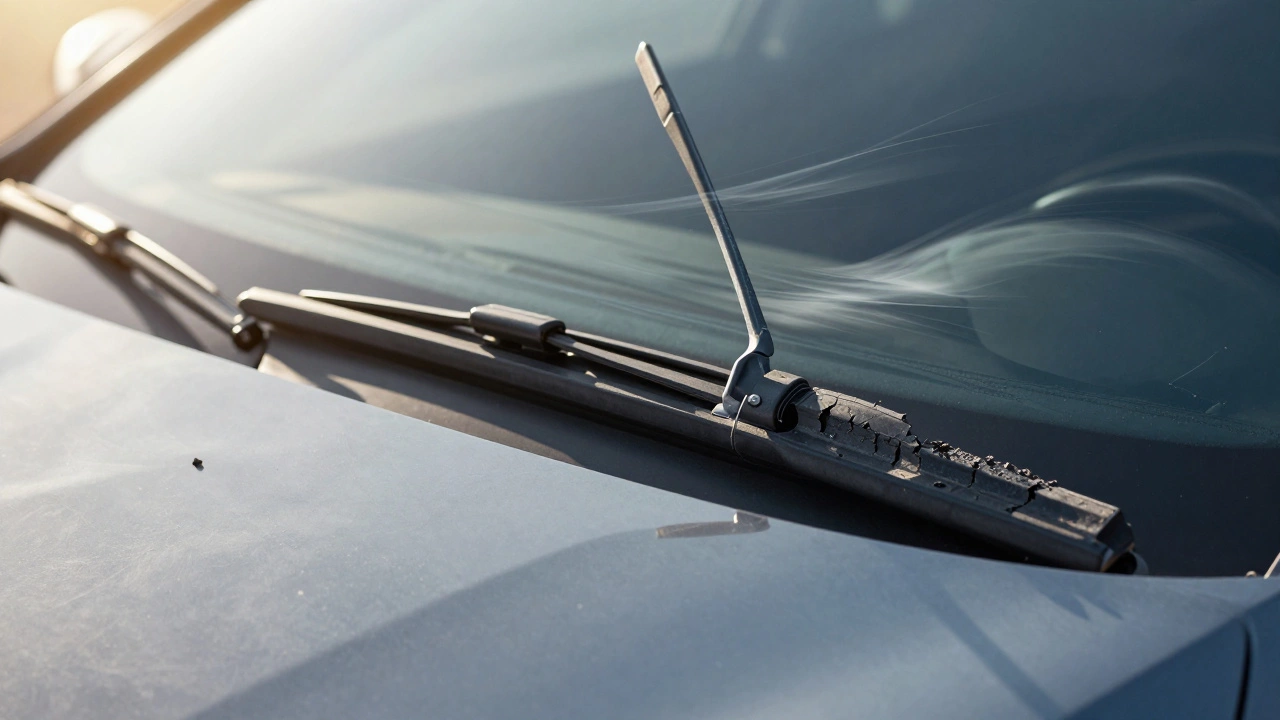
- Visible Cracks: Inspect the rubber. If you see splits, tears, or missing chunks, replace them immediately. Driving with damaged wipers compromises your safety in rain or snow.
In regions with harsh winters, consider replacing your wipers every six months instead of annually. The freeze-thaw cycle puts immense stress on the rubber compound.
Can I leave my wipers up all year round?
No, you should not leave your wipers up all year round. Leaving them exposed to sunlight causes the rubber to degrade, crack, and harden much faster than if they were parked under the cowl. Additionally, upright wipers are susceptible to wind damage and collecting debris like bird droppings, which can ruin the wiping edge. Only lift them when you anticipate freezing temperatures overnight.
What happens if I forget to put my wipers down?
If you forget to put your wipers down and start driving, the aerodynamic pressure at highway speeds can bend the metal wiper arms or snap them off completely. Even at low speeds, the flapping noise is distracting, and the lack of proper sealing means they won't clear rain effectively. Always check your mirrors before merging onto the road to ensure your wipers are in the parked position.
Do I need to use winter mode to lift my wipers?
It depends on your vehicle. Many modern cars, especially European brands like BMW, Mercedes, and Audi, require you to activate a service or winter mode via the infotainment system or ignition sequence. This disengages the spring tension in the wiper arms, allowing you to lift them safely. Check your owner's manual first. Forcing an arm up on a car without activating this mode can break the internal linkage.
Is it better to use a towel or lift the wipers?
Using a microfiber towel is generally safer and easier. It protects the wiper rubber from UV damage and prevents ice bonding without the risk of breaking the wiper arms or forgetting to lower them. Lifting wipers is effective but carries higher risks of mechanical damage and accelerated rubber degradation due to sun exposure.
Can hot water crack my windshield?
Yes, pouring hot water on a cold windshield can cause thermal shock, leading to cracks. Glass expands when heated rapidly. If the interior of the glass is still freezing while the exterior is suddenly heated, the stress can shatter the pane. Always use cold or lukewarm water and a plastic scraper to remove ice safely.