Radiator Health Checker
Check Your Radiator Health
Enter symptoms to assess potential radiator issues and risk level. Based on the article: "Will a car run with a bad radiator?".
Risk Assessment
You’re driving down the road, the temperature gauge starts creeping up, and you notice steam coming from under the hood. Your first thought? Will a car run with a bad radiator? The short answer: yes, for a little while. But it’s like driving with a broken leg-you might move, but you’re heading for serious damage.
How a Radiator Actually Works
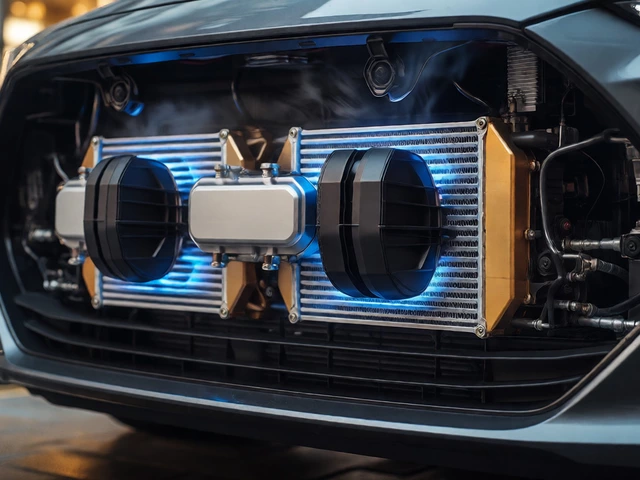
Your car’s radiator isn’t just a metal box under the hood. It’s the heart of the cooling system. Engine oil keeps parts lubricated, but it’s the coolant circulating through the radiator that stops the engine from turning into molten metal. Here’s how it works: hot coolant flows from the engine into the radiator, where thin metal tubes and fins transfer heat to the air passing through. Fans help pull that heat away, and the cooled liquid goes back into the engine. Repeat. Over and over. Thousands of times per minute.
If that loop breaks, the engine starts to overheat. Fast. Modern engines run hot-around 195°F to 220°F-because it improves efficiency and cuts emissions. But they can’t handle much more than that. A bad radiator means the coolant can’t cool down. And that’s when things go sideways.
What Counts as a "Bad" Radiator?
Not all radiator problems look the same. Here are the most common failures:
- Leaking coolant-from cracked tanks, corroded seams, or damaged hoses connected to it.
- Clogged passages-rust, scale, or debris blocking the internal tubes. This stops coolant flow even if the tank looks fine.
- Collapsed or damaged fins-if the radiator’s thin metal fins are bent or blocked by leaves, bugs, or dirt, airflow drops and cooling fails.
- Thermostat stuck closed-while not part of the radiator itself, a bad thermostat can make it seem like the radiator isn’t working.
Many people think a radiator only fails when it’s visibly cracked. That’s not true. A radiator can look perfect and still be useless because the inside is clogged. That’s why flushing the system every 30,000 to 50,000 miles matters.
What Happens When You Keep Driving
If you ignore a bad radiator and keep driving, here’s what you’re risking:
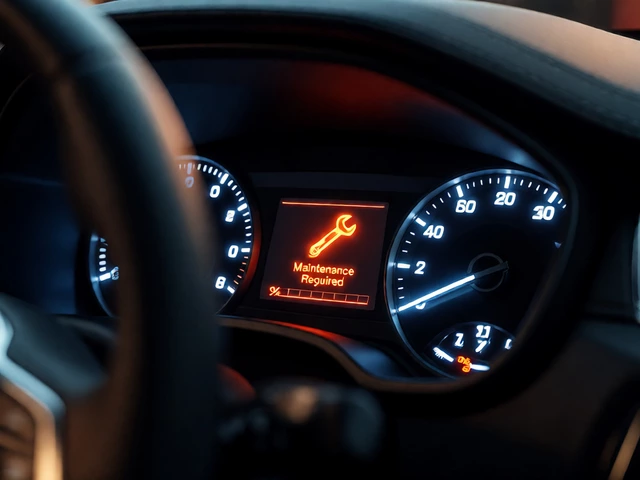
- Engine overheats-within 10 to 20 minutes of driving with low or no coolant, the engine temperature spikes. The dashboard warning light comes on, but some drivers ignore it. Bad move.
- Head gasket blows-when metal expands from heat, the head gasket (the seal between the engine block and cylinder head) can warp or crack. Replacing it costs £800 to £1,500 in the UK, depending on the car.
- Warped cylinder head-constant overheating causes the metal to bend. Once warped, the head must be machined or replaced. That’s a major repair.
- Engine seizure-if things get worse, pistons expand, stick in the cylinders, and the engine locks up. You’ll hear a loud knock, then nothing. The car won’t start again. This isn’t repairable without a full engine rebuild or replacement. That’s £2,000 to £5,000.
There’s no magic threshold. A car might run 5 miles with a bad radiator. Or 50. It depends on how bad the damage is, the outside temperature, and how hard you’re driving. But once it starts overheating, you’re on borrowed time.

Signs You Have a Bad Radiator
You don’t need to wait for steam to know something’s wrong. Watch for these early signs:
- Coolant puddles under the car-especially after parking. Green, orange, or pink fluid on the driveway? That’s coolant.
- High temperature gauge-if it’s consistently in the red or near the top, even on a cool day.
- Strange smells-sweet, syrupy odor? That’s coolant burning off hot engine parts.
- White smoke from the exhaust-this means coolant is leaking into the combustion chamber. A sign of a blown head gasket, often caused by a failing radiator.
- Low coolant level-if you’re topping up the reservoir every week, something’s leaking.
These aren’t "maybe" signs. They’re clear warnings. If you see one, get it checked before you drive far.
Can You Drive a Short Distance?
Some people try to drive a few miles to a garage. Is that safe? Sometimes. But only if:
- The engine hasn’t overheated yet.
- You’re not stuck in traffic.
- You have a full coolant reservoir and a way to top it up.
- You’re moving slowly and turning off the engine if the temp rises.
Even then, you’re gambling. A 2-mile drive in stop-and-go traffic could be enough to warp the head. I’ve seen it happen. A customer in Manchester brought in a Ford Focus that made it to the garage-just. The engine had overheated three times on the way. Head gasket was blown. Repair cost £1,100. A new radiator would’ve been £180.
Don’t risk it. If the temp gauge is up, pull over. Let the engine cool. Check the coolant. If it’s low or you see leaks, call a tow truck. It’s cheaper than a new engine.

What Should You Do Instead?
Here’s the smart path:
- Stop driving-immediately if the temperature is high.
- Let the engine cool-at least 30 minutes. Never open the radiator cap while it’s hot. Steam can burn you.
- Check coolant level-only after it’s cold. Top up with the right coolant mix if it’s low.
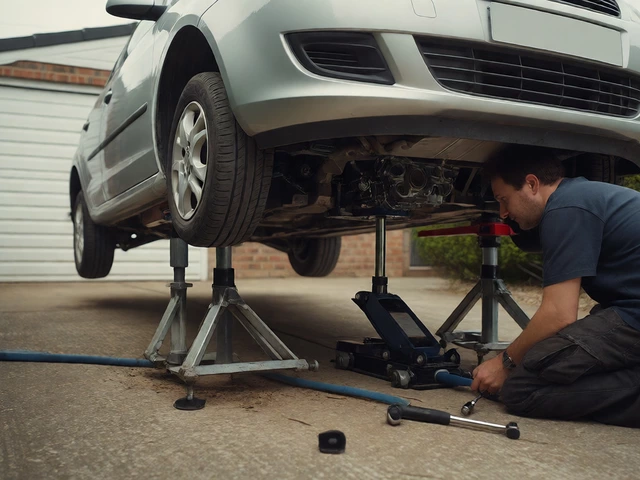
- Inspect for leaks-look under the car and around the radiator, hoses, and reservoir.
- Get it diagnosed-a mechanic can pressure-test the cooling system to find leaks, check for blockages, and test the thermostat.
Most radiator issues are fixable. A leaking tank? Replace it. Clogged tubes? Flush the system. A bad thermostat? Swap it out. None of these are expensive compared to replacing an engine.
Prevention Is Cheaper Than Repair
Most radiator failures don’t come out of nowhere. They’re the result of neglect. Here’s how to avoid them:
- Check coolant level every time you fill up with fuel.
- Flush the cooling system every 30,000 to 50,000 miles or every 3 years.
- Use the right coolant-don’t mix types. Your owner’s manual says which one.
- Replace the radiator cap if it’s old or damaged. It maintains pressure in the system.
- Keep the front of the radiator clean. Bugs, leaves, and dirt block airflow.
These habits cost you nothing but a few minutes. They can save you thousands.
Final Answer: Yes, But Don’t
Can a car run with a bad radiator? Technically, yes. But running isn’t the same as surviving. A bad radiator doesn’t just cause inconvenience-it destroys engines. And once the engine goes, the cost of repair often exceeds the value of the car.
If your radiator is failing, don’t gamble. Don’t push it. Don’t hope it’ll be fine. Get it fixed. The sooner, the cheaper. And your next car will thank you.
Can a car overheat without leaking coolant?
Yes. A radiator can be clogged internally, the thermostat can stick shut, or the water pump can fail-all without any visible leaks. Coolant stays in the system but doesn’t circulate. That’s why overheating can happen even if the reservoir looks full.
How long can a car run without coolant?
About 10 to 20 minutes under light driving, but it can be as little as 5 minutes in traffic or on a hot day. Engines start to overheat within minutes without coolant. The exact time depends on engine design, outside temperature, and how hard you’re driving. Never test this.
Is it safe to drive with a cracked radiator?
No. A cracked radiator leaks coolant, which means the engine will overheat. Even a small crack can empty the system over time. You might make it to the next gas station-but you risk engine damage. Replace it before driving.
Can a bad radiator cause a head gasket to blow?
Absolutely. A failing radiator causes repeated overheating. When the engine gets too hot, metal expands unevenly, breaking the seal between the cylinder head and engine block. Head gasket failure is one of the most common results of neglected radiator problems.
How much does it cost to replace a radiator in the UK?
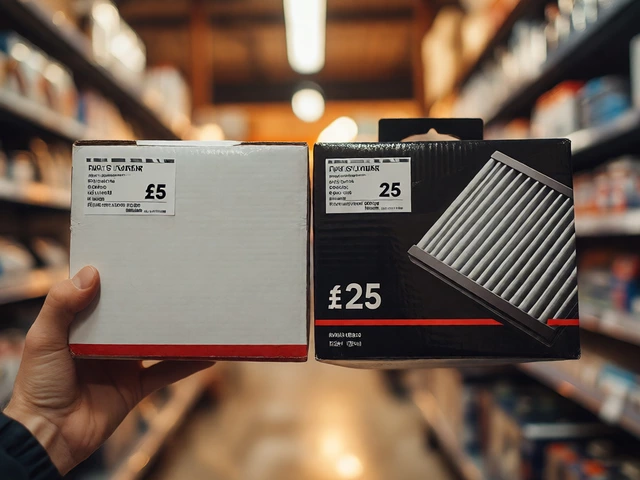
Typically between £180 and £500, depending on the car. Labor takes 1.5 to 3 hours. Aftermarket radiators are cheaper than OEM ones. Luxury or older models can cost more. Compare quotes and always ask if the coolant flush is included.