Windshield Wiper Value Calculator
Stop guessing which store is cheaper. Enter your specific vehicle and driving conditions to see which option offers better long-term value.
Awaiting Data
Fill out the form on the left to see a detailed cost breakdown and recommendation.
Detailed Cost Analysis (Per Pair)
| Metric | Walmart (Budget) | AutoZone (Premium/Service) |
|---|---|---|
| Avg. Upfront Price | ||
| Est. Lifespan | ||
| Replacement Frequency | ||
| Total Annual Cost* | ||
| Convenience Factor |
You’re standing in the parking lot, rain starting to spot your windshield, and you realize your wipers are leaving streaks that look like abstract art. You need new ones now. But do you drive to AutoZone, which promises free installation and expert advice, or Walmart, where the prices seem suspiciously low? It’s a classic dilemma for drivers trying to save a few bucks without sacrificing visibility.
The short answer? Walmart is almost always cheaper on sticker price. But "cheaper" doesn't always mean "better value." If you buy the wrong size, struggle with a tricky connector, or end up with blades that warp in six months, that $12 saving vanishes fast. This guide breaks down exactly how these two retail giants stack up on price, selection, and convenience so you can make the right call before you leave your driveway.
The Quick Verdict: Where to Buy?
| Feature | Walmart | AutoZone |
|---|---|---|
| Average Price (Standard) | $8 - $14 per pair | $12 - $25 per pair |
| Premium Brands | Limited (mostly store brand) | Full range (Bosch, Rain-X, etc.) |
| Installation Service | Self-service only | Free professional install |
| Return Policy | 90 days, receipt required | 30-90 days, flexible |
| Best For | Budget buyers, standard cars | Tech-heavy cars, DIY beginners |
Price Breakdown: The Sticker Shock Factor
Let’s talk numbers. If you walk into a Walmart today, you’ll likely see their store-brand wipers, often labeled as EverStart or generic Walmart Brand. These typically run between $7 and $12 for a pair of standard hook-arm blades. That’s hard to beat. They aren’t fancy, but they wipe water off glass. For a daily commuter who replaces blades every year, this is solid economic logic.
AutoZone plays a different game. Their entry-level options might start around $10, but the shelf space is dominated by name brands like Bosch Icon, Rain-X Weatherbeater, and Michelin Stealth. A pair of Bosch Icons at AutoZone could cost $22 to $28. Why pay double? Because premium blades use rubber compounds that resist UV damage better and have aerodynamic designs that prevent lifting at highway speeds. If you live in Arizona or Florida, that UV resistance matters more than the initial $10 difference.
Here is the hidden cost trap: if you buy cheap Walmart blades for a modern car with complex arm geometry, they might not sit flush. Poor contact means streaking. You then spend another $15 fixing it. Buying the right part once is cheaper than buying twice.
Selection and Compatibility: One Size Does Not Fit All
Walk down the automotive aisle at Walmart, and you’ll find rows of universal fit blades. They claim to fit "most vehicles," which is code for "standard hook arms." If you drive a 2015 Honda Civic or a 2018 Ford F-150, you’re probably fine. These cars use simple J-hook connectors that any basic blade can grab onto.
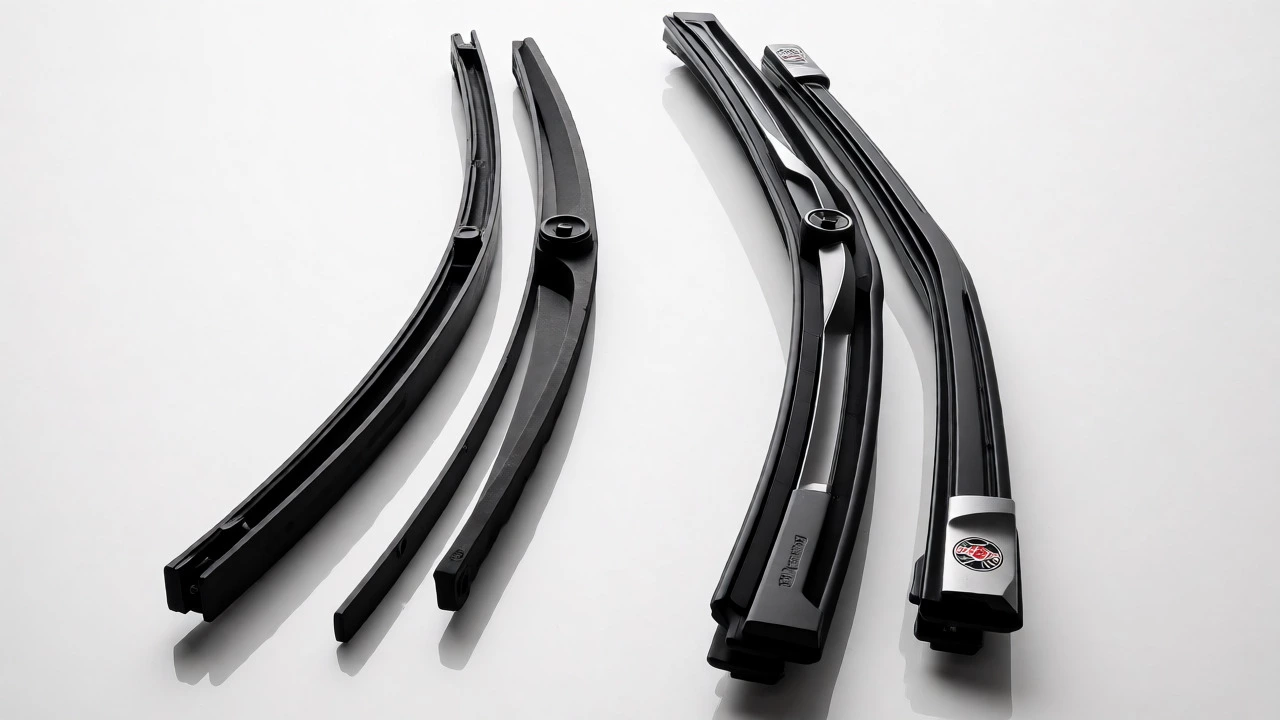
Now, try finding blades for a 2022 Tesla Model 3 or a newer Subaru Outback at Walmart. Good luck. Modern cars increasingly use proprietary side-pin or top-lock connectors. Walmart’s inventory is optimized for volume sellers-older, common models. AutoZone, however, uses a detailed vehicle lookup system. You tell them your year, make, and model, and they pull up the exact OEM-style replacement. They stock specific adapters and hybrid blades designed for European imports and Asian luxury vehicles that Walmart simply doesn’t carry in-store.
If you own a vehicle manufactured after 2018, check your owner’s manual first. If it specifies a "beam style" blade with a special clip, go to AutoZone. Walmart’s universal blades will frustrate you, and you’ll waste time watching YouTube tutorials instead of driving.
The Installation Advantage: Do You Need Help?
This is the biggest differentiator. At Walmart, you buy the box, take it to your car, and hope you figure out how to unclip the old ones. Most people do. It takes five minutes. But some people hate getting grease on their hands or fear breaking the plastic clips. Others have cars where the wiper arm is tucked deep under the cowl panel, requiring awkward angles.
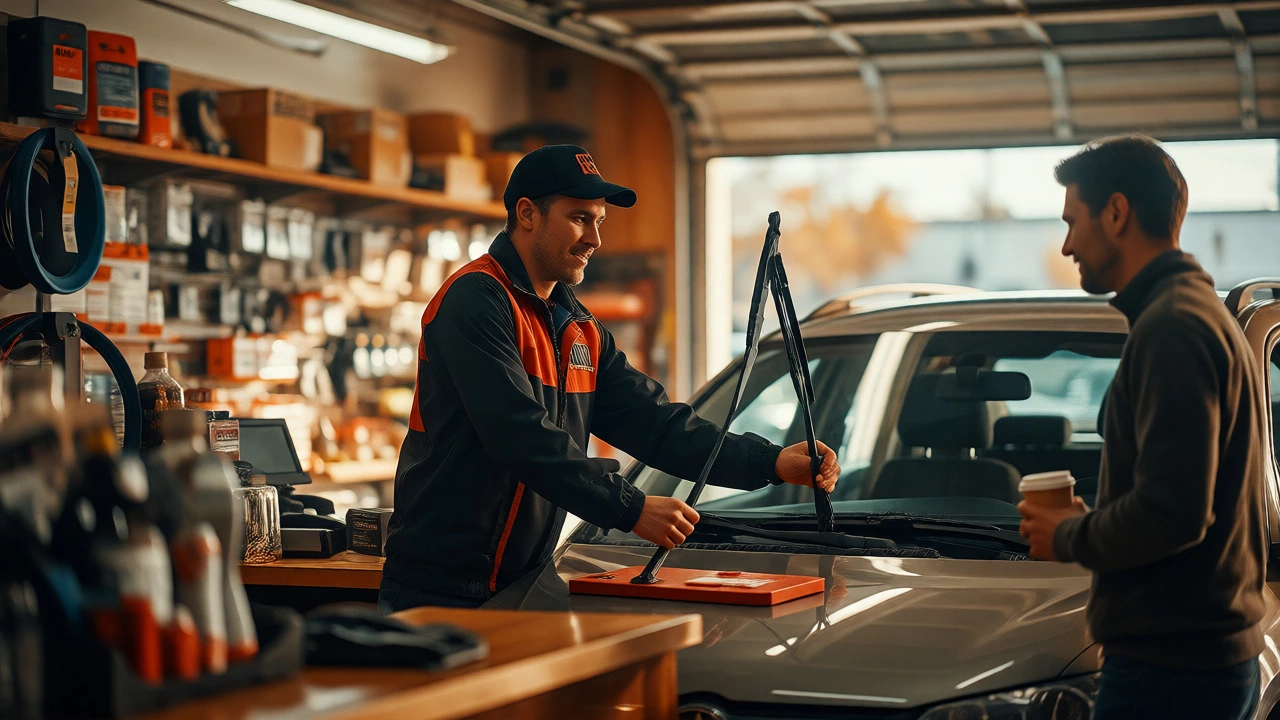
AutoZone offers free installation. You buy the blades, hand them to the associate, and they snap them on while you wait. Is this worth paying $10 more per pair? For many, yes. It removes the hassle entirely. Plus, if the blades don’t fit perfectly, the employee notices immediately and swaps them out. At Walmart, you might get home, realize they don’t fit, and have to drive back with a receipt.
Consider your skill level. If you’ve changed wipers before, Walmart saves you money. If you’ve never done it, or if you drive a car with tricky access points, AutoZone’s service fee (hidden in the higher product price) is actually a bargain compared to hiring a mechanic elsewhere.
Quality and Longevity: Cheap vs. Premium Rubber
Not all rubber is created equal. The $8 Walmart blades usually use natural rubber or basic synthetic blends. In mild climates, they last 6-12 months. In harsh climates-extreme heat, heavy snow, or intense sun-they degrade faster. The rubber hardens, cracks, and starts chattering against the glass within three months.
Premium blades sold at AutoZone, such as those from Bosch or Anco, often use silicone-infused rubber or graphite coatings. Silicone resists temperature extremes better. Graphite reduces friction, preventing squeaks. Data from consumer testing shows premium blades maintain clarity for 12-18 months versus 6-9 months for budget blades.
Do the math: If a $10 blade lasts 6 months, you pay $20/year. If a $25 blade lasts 18 months, you pay roughly $16.60/year. The "expensive" option is actually cheaper over time because you replace it less often. This calculation flips the script on the "Walmart is cheaper" narrative.
Return Policies and Customer Experience
Mistakes happen. Maybe you bought the wrong length. Maybe the blade was defective out of the box. Walmart has a strict 90-day return policy, but you generally need the original packaging and receipt. If you threw away the box, you might face hassle.
AutoZone tends to be more forgiving, especially if you’re a regular customer or if you explain the issue clearly. Their staff are trained to help with returns even if the packaging is damaged, provided the product is unused. Since they install the blades, they also verify functionality before you leave. This pre-check reduces return rates significantly.
Another factor: online ordering. Both retailers allow online purchase with in-store pickup. However, AutoZone’s app provides real-time inventory checks for specific SKUs at your local store. Walmart’s inventory accuracy can vary wildly by location. There’s nothing worse than driving across town for wipers that were marked "in stock" but weren’t there.
When to Choose Which Store
Choose Walmart if:
- You drive an older car with standard J-hook arms.
- You are comfortable installing wipers yourself.
- You live in a mild climate with moderate weather.
- You want the lowest upfront cash outlay.
- You already shop there for other groceries.
Choose AutoZone if:
- You drive a newer vehicle with proprietary connectors.
- You want premium performance (silicone, beam-style).
- You prefer free professional installation.
- You live in an area with extreme heat or cold.
- You value guaranteed compatibility over lowest price.
Frequently Asked Questions
Are Walmart windshield wipers good quality?
Walmart's store-brand wipers are adequate for basic use and older vehicles. They perform well in mild weather but tend to wear out faster than premium brands in extreme temperatures. They are a good choice for budget-conscious drivers who replace blades frequently.
Does AutoZone really install wipers for free?
Yes, AutoZone offers free windshield wiper installation with purchase. An associate will remove your old blades and install the new ones while you wait, ensuring proper fit and function.
How long do cheap wipers last compared to expensive ones?
Cheap wipers typically last 6 to 9 months. Premium wipers made with silicone or advanced rubber compounds can last 12 to 18 months. While premium blades cost more upfront, their longer lifespan often makes them cheaper per month of use.
Can I return wipers to Walmart without the box?
It depends on the store manager and the reason for return. Generally, having the original packaging and receipt makes the process smoother. Without them, you may receive store credit or face denial, especially if the blades show signs of use.
Which store has better wipers for SUVs and trucks?
AutoZone generally stocks a wider variety of specialized blades for larger vehicles, including truck-specific sizes and heavy-duty options. Walmart carries standard sizes but may lack specific fits for newer or larger truck models.