Radiator Safety Assessment Tool
Describe Your Current Situation
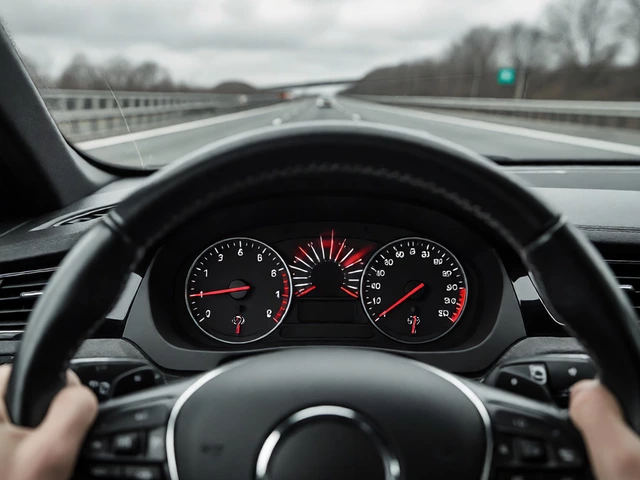
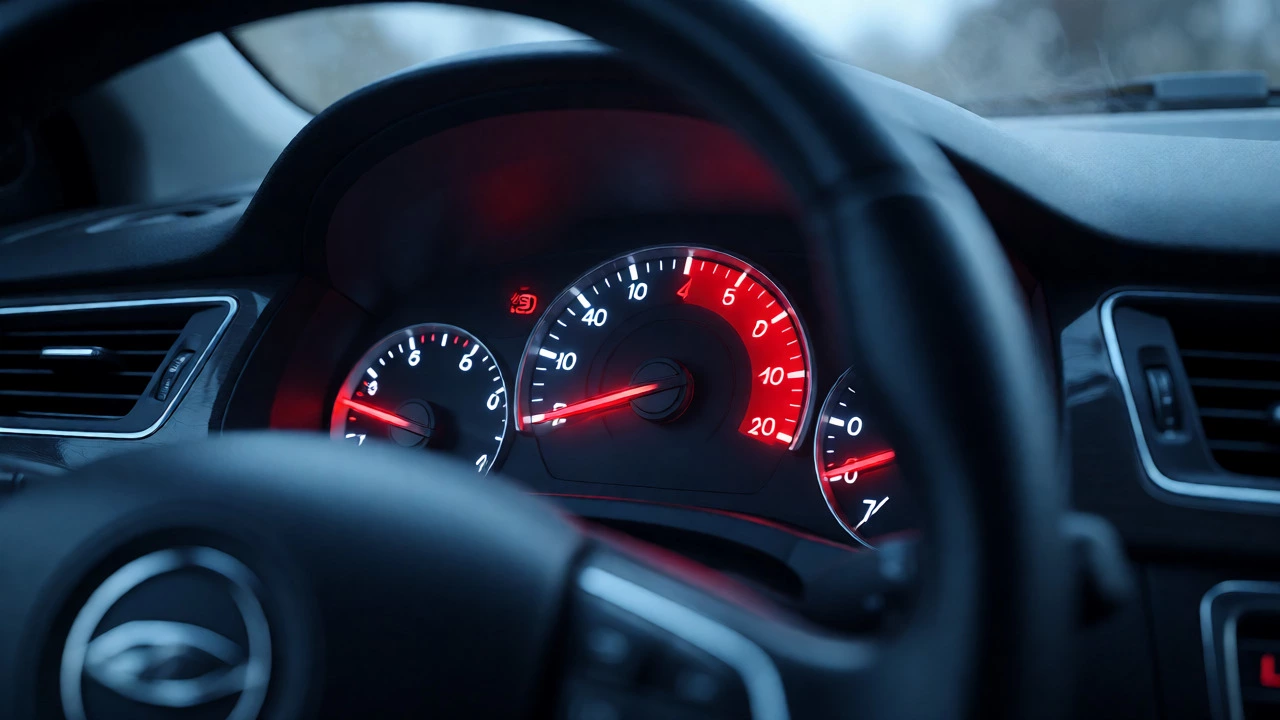
You’re halfway to work, the temperature gauge is creeping into the red, and you can smell that sweet, syrupy scent of leaking coolant. Your first instinct might be to just push through, hoping the problem fixes itself or that you can reach your destination before disaster strikes. But here’s the hard truth: driving with radiator problems is one of the fastest ways to turn a £200 repair bill into a £2,000 engine replacement.
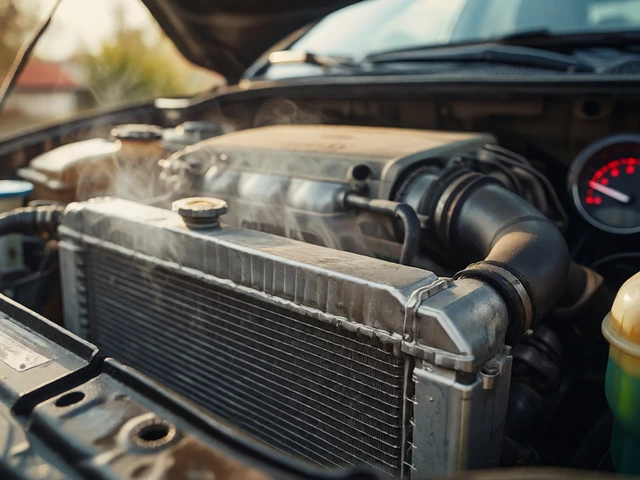
The radiator isn’t just another part under the hood; it’s the heart of your cooling system. If it fails while you’re moving, you aren’t just risking a breakdown-you’re gambling with the structural integrity of your engine block. So, can you drive with a bad radiator? The short answer is: sometimes, but only if you know exactly what’s wrong and how far you can safely go. Let’s break down when it’s safe to move, when you need to pull over immediately, and how to assess the damage without getting stranded on the motorway.
Understanding What a Radiator Actually Does
To understand why driving with a faulty unit is risky, you need to grasp its role. A radiator is a heat exchanger used to transfer thermal energy from one medium to another for the purpose of cooling and heating. In your car, it takes hot coolant from the engine, passes it through thin tubes surrounded by air-cooling fins, and sends the cooled fluid back to circulate.
If this process stops working efficiently, the engine temperature rises rapidly. Modern engines are designed to operate within a narrow temperature band, typically between 85°C and 105°C. Once you exceed that upper limit, metal components expand beyond their design tolerances. This expansion can warp cylinder heads, crack engine blocks, or blow head gaskets. It’s not a gradual decline; it’s often a sudden, catastrophic failure.
The Three Levels of Radiator Trouble
Not all radiator issues are created equal. Before you decide whether to keep driving, you need to diagnose which level of trouble you’re in. Think of it as a traffic light system for your engine’s health.
| Severity Level | Symptoms | Can You Drive? | Action Required |
|---|---|---|---|
| Green (Minor) | Small weep at hose clamp; temp stays normal; no steam. | Yes, cautiously. | Top up coolant; book repair within days. |
| Amber (Moderate) | Visible drip; temp fluctuates near red; fan runs constantly. | Only to nearest garage. | Monitor temp closely; stop if gauge hits red. |
| Red (Critical) | Burst hose; large puddle; steam rising; temp pegged at max. | No. | Tow truck required. Do not restart engine. |
When It’s Safe to Keep Going
If you spot a minor leak-perhaps a damp patch around a hose clamp or a tiny pinhole in the plastic tank-and your temperature gauge remains steady in the middle range, you can likely make it home or to a local mechanic. These leaks are usually slow enough that the remaining coolant volume is sufficient to maintain pressure and flow for a short distance. However, "short" is relative. We’re talking about a few miles, not a cross-country trip. Check your coolant reservoir level every time you stop. If it’s dropping visibly, even slowly, cut your losses and call for assistance.
When You Should Pull Over Immediately
If you see steam escaping from under the bonnet, hear hissing sounds, or notice the temperature needle slamming into the red zone, stop driving. Continuing under these conditions risks seizing the engine. When you pull over, do not turn off the engine immediately unless there is no coolant left in the system. Keeping the water pump running can help circulate whatever little coolant remains, preventing hot spots. Turn on your heater to full blast; this acts as an emergency radiator, pulling heat away from the engine core into the cabin.
Common Causes That Determine Your Risk
The source of the problem dictates how long you can survive on the road. Here’s what you’re likely dealing with:
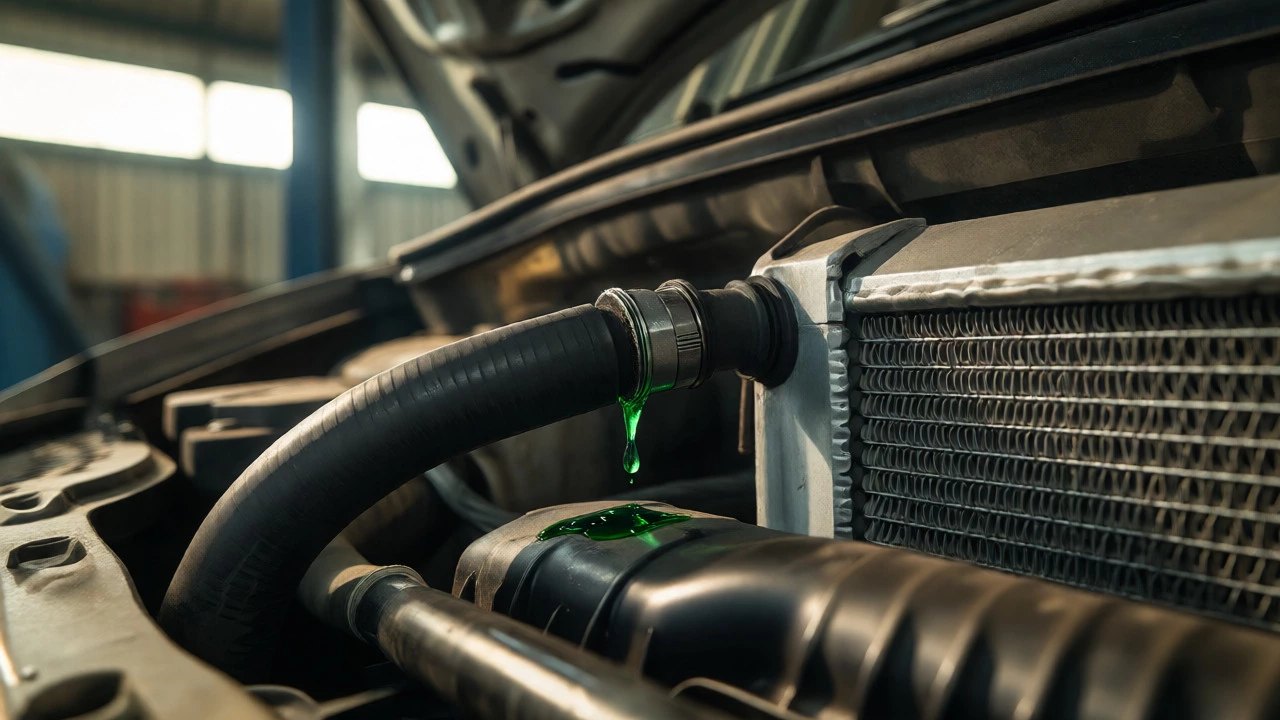
- Radiator Leaks: Cracks in the plastic end tanks or corroded aluminum cores are common. A small crack might hold pressure for a while, but vibration from driving will eventually widen it. If the leak is active and dripping onto the ground, you have minutes, not hours, of coolant left.
- Clogged Core: Internal debris or old coolant can block the tubes. This reduces efficiency rather than stopping flow entirely. You might drive with this for weeks, but you’ll notice poor AC performance and higher temps during idling or uphill climbs. It’s a ticking clock, but not an immediate emergency.
- Fan Failure: Sometimes the radiator is fine, but the electric cooling fan has died. At highway speeds, airflow through the front grille is often enough to keep the engine cool. However, in city traffic or when stuck in jams, temperatures will spike quickly. You can drive, but avoid stop-and-go traffic.
- Thermostat Stuck Closed: While technically a thermostat issue, it mimics a blocked radiator. Coolant never reaches the radiator to be cooled. If the gauge spikes within minutes of starting a cold engine, stop. The engine is overheating because heat isn’t being transferred out.
The Hidden Dangers of Ignoring the Warning Lights
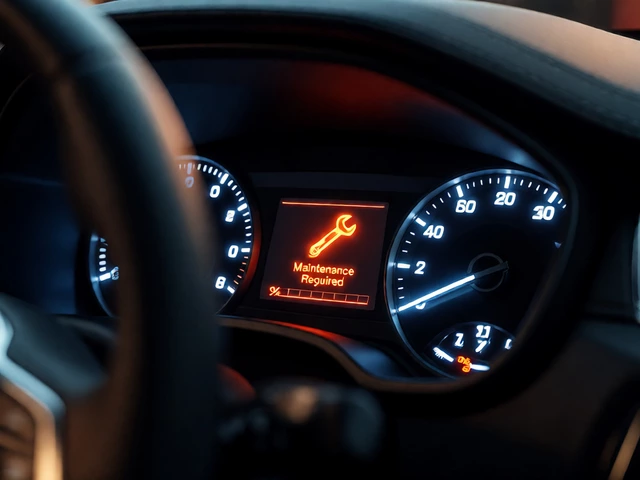
Many drivers ignore the dashboard warning lights until smoke starts pouring out. This is a mistake. By the time the temperature gauge reads high, significant stress has already occurred. Warped cylinder heads are a frequent result of prolonged overheating. Replacing a head gasket involves removing the top half of the engine, costing significantly more than a new radiator.
Furthermore, modern cars rely heavily on electronic sensors. A failing radiator can confuse the Engine Control Unit (ECU), causing it to enrich the fuel mixture or alter ignition timing incorrectly. This leads to poor fuel economy and sluggish performance long before the engine actually seizes. If you’ve been driving with a known issue and notice your MPG dropping unexpectedly, it’s a sign the cooling inefficiency is affecting overall engine management.
How to Safely Drive Short Distances with a Leak
If you must move the car to get it out of harm’s way or to reach a nearby shop, follow these strict rules:
- Check Coolant Levels First: Never start the engine if the reservoir is empty. Top it up with distilled water or proper coolant mix. Running dry for even 30 seconds can cause damage.
- Keep the Heater On: As mentioned, the heater core is a secondary radiator. Blowing hot air inside cools the engine slightly.
- Avoid High RPMs: Drive gently. Aggressive acceleration generates more heat. Stay in lower gears if possible to keep revs down.
- Watch the Gauge Like a Hawk: If the needle moves past the midpoint, find a safe place to stop and let the engine idle. If it keeps climbing, shut it off.
- Use Emergency Sealants Cautiously: Products like K-Seal or Bar’s Leaks can plug small holes temporarily. They are a band-aid, not a cure. Some mechanics dislike them because they can clog heater cores and narrow passages, so use them only if you’re stranded and need to get to a garage.

Preventative Checks to Avoid Stranded Moments
Most radiator failures don’t happen overnight. They develop over months of neglect. During your monthly checks, look for these signs:
- Discolored Coolant: Fresh coolant is bright green, orange, or pink. If it looks brown, rusty, or oily, the internal corrosion is damaging the radiator walls.
- Dust Buildup: External dirt and bugs blocking the fins reduce airflow. Clean them gently with a garden hose (low pressure) from the inside out.
- Hose Condition: Squeeze the upper and lower radiator hoses. They should feel firm but pliable. Hard, brittle hoses indicate age-related degradation that could lead to a burst.
- Pressure Cap Integrity: A weak cap won’t hold the system pressurized, lowering the boiling point of the coolant. Replace caps every few years; they cost less than £10.
Final Verdict: To Drive or Not to Drive?
So, can you drive with radiator problems? Yes, but with extreme caution and only for very short distances if the leak is minor and the temperature remains stable. If you see steam, lose coolant rapidly, or the gauge hits the red zone, stop driving immediately. The cost of a tow truck is negligible compared to the price of a new engine.
Your car’s cooling system is unforgiving. It doesn’t offer second chances once the metal warps. Treat any drop in coolant levels or rise in temperature as a serious alert, not a suggestion. If you’re unsure, it’s always better to play it safe and call a professional than to gamble with your engine’s life.
How long can I drive with a small radiator leak?
If the leak is very slow (a drip rather than a spray) and your coolant level remains stable, you may be able to drive 5-10 miles to a safe location or garage. Monitor the temperature gauge constantly. If the coolant level drops noticeably, the safe driving distance decreases to zero.
Is it safe to drive with the radiator fan broken?
You can drive at highway speeds where natural airflow cools the radiator. However, in city traffic or when idling, the engine will overheat quickly because the fan isn't pulling air through the core. Limit driving to open roads and avoid heavy traffic.
What happens if I drive with no coolant?
Driving with no coolant causes rapid overheating. Within minutes, the engine can seize due to lack of lubrication and excessive heat expansion. This often results in cracked engine blocks or blown head gaskets, requiring major repairs or engine replacement.
Can I use water instead of coolant in an emergency?
Yes, distilled water is acceptable for short-term emergencies to prevent overheating. However, water lacks the anti-corrosion and anti-freeze properties of proper coolant. Mix it with the correct antifreeze/coolant ratio as soon as possible to protect the system from rust and freezing.
Does a clogged radiator affect the air conditioning?
Yes. The AC condenser is often mounted in front of or next to the radiator. If the radiator is clogged externally with dirt or internally with sludge, airflow is restricted. This reduces the efficiency of both the cooling system and the air conditioning, leading to warm air from the vents.