Exhaust Mod Reality Check
Select an exhaust component you are considering modifying to see its actual impact on performance versus aesthetics.
Exhaust Tip
Aesthetic OnlyResonator
Tone TuningMuffler
Noise ReductionCat Converter
Emissions CleaningHeaders/Manifold
Gas CollectionDual Exhaust
Full SystemComponent Analysis
Myth Level
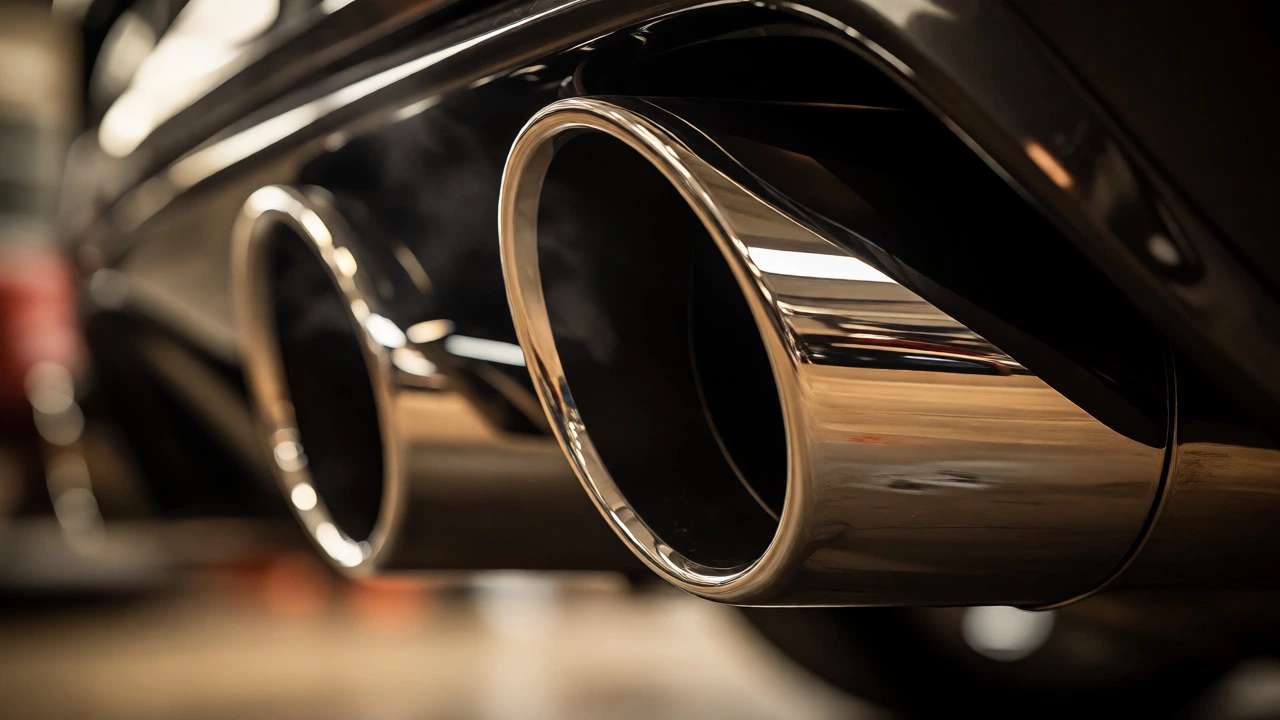
You’re standing in a garage or scrolling through Instagram, and you see a car with these massive, chrome-plated exhaust tips. They look aggressive. They sound deep when the engine revs. And the seller claims they add ten horsepower for fifty quid. It sounds too good to be true because, well, it is. If adding power were as simple as bolting on a shiny tube, every mechanic would be out of a job and we’d all be driving rockets.
The short answer is no, exhaust tips do not add horsepower. In fact, if anything, they might slightly reduce it by adding weight or restricting flow at the very end of the pipe. But here’s the nuance: people confuse tips with mufflers, resonators, and headers. Those components actually change how your engine breathes. The tip is just the final flourish-the jewelry of the exhaust system. This article breaks down exactly what happens when you swap your stock tips, why the myth persists, and what you should actually spend your money on if you want more speed.
The Anatomy of Your Exhaust System
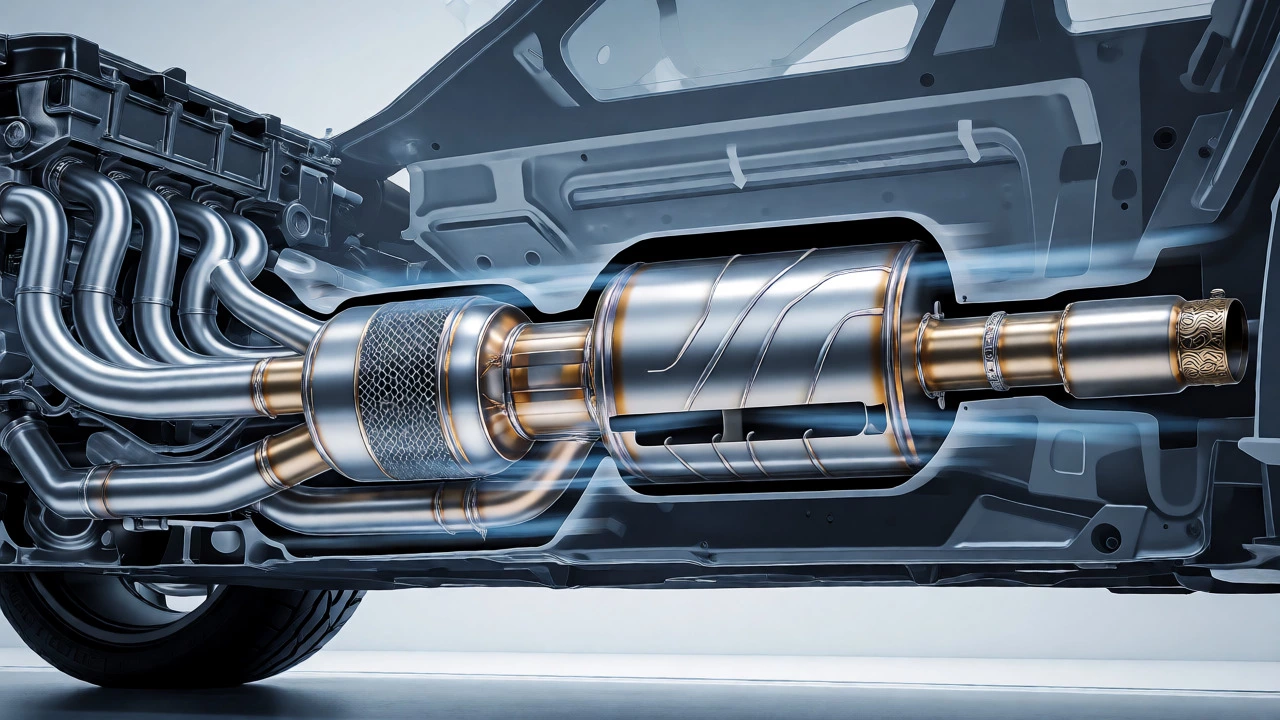
To understand why the tip doesn’t matter for power, you need to know where it sits in the chain of command. Your exhaust system isn’t a single pipe; it’s a series of pressure management tools designed to get hot gases out of the engine cylinders efficiently. The process starts at the manifold (or headers), moves through the catalytic converter, passes the muffler, and finally exits via the tailpipe and tip.
Each stage has a specific job. The manifold collects gases from the cylinders. The catalytic converter cleans them. The muffler reduces noise by cancelling sound waves. The tailpipe carries the gas away from the bumper. The tip? The tip does almost nothing except make the exit hole look bigger and sometimes protect the edge of the pipe from rust. By the time the exhaust gas reaches the tip, it has already done its work. The energy extraction happened in the engine block. The restriction battle was fought upstream. Changing the last six inches of metal won’t rewrite the physics of combustion.
Why People Think Tips Add Power
If tips don’t add power, why do so many forums swear they do? Three reasons dominate the conversation: sound, perception, and confirmation bias.
First, sound changes perception. When you install a larger diameter tip or remove a restrictive resonator along with the tip, the exhaust note gets louder and deeper. Humans are wired to associate loudness with power. We hear a V8 rumble and our brain says "fast." So, when a cheap tip makes the car sound sportier, drivers feel like the car drives faster. You aren’t measuring acceleration; you’re measuring decibels.
Second, there’s the "free-flow" myth. Marketing copy loves words like "straight-through," "polished," and "aerodynamic." Sellers claim that smoothing out the turbulence inside the tip helps gases escape. Technically, yes, turbulent flow creates drag. But the amount of energy lost in the last few inches of an exhaust pipe is negligible compared to the friction losses in the catalytic converter or the backpressure created by a clogged muffler. You could polish the inside of your tip with diamond paste, and your dyno run wouldn’t notice.
Third, confirmation bias kicks in hard. You buy a part, you install it, and you drive home feeling proud. Every time you accelerate, you tell yourself, "Yeah, she pulls harder now." You ignore the fact that the fuel economy hasn’t changed or that your 0-60 times remain identical. It’s the placebo effect of car modification.
When Exhaust Modifications Actually Work
So, if tips are cosmetic, what actually adds horsepower? The rule of thumb is: modify the parts that restrict flow before the air leaves the system. Here is the hierarchy of exhaust modifications based on actual performance gains.
| Component | Primary Function | Horsepower Potential | Cost Efficiency |
|---|---|---|---|
| Headers / Manifold | Collecting exhaust gases from cylinders | High (5-15 HP) | Moderate |
| Catalytic Converter | Cleaning emissions | Medium (3-8 HP if upgraded) | Low (Expensive) |
| Muffler | Noise reduction | Low-Medium (2-5 HP) | High |
| Resonator | Tone tuning | Negligible | High |
| Exhaust Tip | Aesthetics & protection | Zero | Variable |
Notice the gap between the muffler and the tip. Upgrading to a high-flow muffler can free up a few horses by reducing backpressure, especially on turbocharged engines that hate restrictions. Swapping restrictive cast-iron manifolds for tubular stainless steel headers can unlock significant top-end power because they improve scavenging-the process where outgoing exhaust pulses help pull in fresh air-fuel mixture. That’s real physics. Changing the tip is just changing the paint color of the rocket ship.
The Exception: Dual Exhaust Systems
There is one scenario where tips seem to correlate with power: dual exhaust systems. If you have a V6 or V8 engine, splitting the exhaust into two separate pipes (dual exhaust) can reduce backpressure significantly. Each cylinder bank gets its own dedicated path to exit. This improves scavenging efficiency across a wider RPM range.
In this case, the presence of two large tips is a symptom of the underlying upgrade, not the cause. You aren’t getting power because you added two tips; you’re getting power because you replaced a single restrictive pipe with two open paths. If you took a single-exhaust car and just welded on a second fake tip without connecting it to the engine, you’d gain zero horsepower. The key is the plumbing behind the bumper, not the chrome on the outside.

How to Choose the Right Tip (If You Still Want One)
Since we’ve established that tips won’t make your car faster, why bother buying them? Because cars are emotional purchases. A nice set of black ceramic or polished stainless tips can elevate the look of a vehicle instantly. If you’re going to buy them, do it smartly.
- Diameter Match: Ensure the inner diameter of the tip matches your existing tailpipe. If the tip is smaller than the pipe, you create a bottleneck. If it’s massively larger, it looks ridiculous and collects road grime.
- Material Matters: Stainless steel (304 grade) resists corrosion best. Chrome-plated mild steel will peel and rust within two winters in Manchester rain. Ceramic coating offers heat resistance but chips easily if you hit a curb.
- Installation Method: Clamp-on tips are easy but can rattle or fall off. Welded tips are permanent and secure but require professional labor. Slip-fit tips slide over the existing pipe and are often held by screws-good for renters who want to revert to stock later.
Avoid tips with internal baffles unless you specifically want to quiet down a raspy exhaust. Some "performance" tips have mesh screens inside to catch debris. These can clog with carbon buildup over time, actually creating a restriction that hurts flow more than a straight pipe would.
Realistic Expectations for Budget Mods
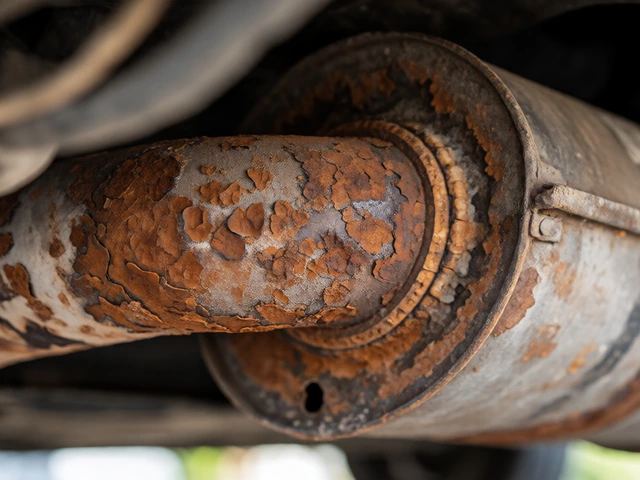
If you have £100 to spend on your exhaust, don’t blow it all on tips. Look at the whole system. Is your current muffler rattling? Replace it. Is your cat-back system rusty? Patch it. Sometimes, simply removing a dent in the mid-pipe or replacing a collapsed flexible joint restores lost power. These repairs fix airflow issues that generic tips can’t touch.
Remember, the engine is a pump. It wants to breathe. Anything that chokes the intake or exhaust costs power. Anything that frees up flow gives it back. The tip is the least choked part of the system. Focus on the lungs (intake/exhaust manifold) and the throat (muffler/cat), not the lips (tip).
Do exhaust tips affect fuel economy?
No, exhaust tips have a negligible impact on fuel economy. Since they are located at the very end of the exhaust system, they do not influence the air-fuel ratio or the engine's ability to expel gases during the combustion cycle. Any perceived change in mileage is likely due to changes in driving habits after installing new parts, rather than mechanical efficiency improvements.
Can exhaust tips increase torque?
Similar to horsepower, exhaust tips do not increase torque. Torque is generated by the force applied to the crankshaft during combustion. While exhaust backpressure can affect low-end torque, this is managed by the header design and catalytic converter size, not the aesthetic tip at the rear bumper. Unless the tip is severely undersized and creating a physical blockage, it will not alter torque figures.
Are expensive exhaust tips worth it?
They are worth it only for aesthetic reasons. High-quality materials like T304 stainless steel or titanium offer better durability and appearance compared to cheap chrome-plated steel. If you care about the visual appeal of your car and want a component that won't rust quickly, spending more is justified. However, from a performance standpoint, a £20 tip performs identically to a £200 tip.
Do I need to tune my car after changing exhaust tips?
No, you do not need an ECU tune after changing exhaust tips. Tuning is required when you significantly alter the airflow characteristics of the engine, such as installing cold air intakes, turbochargers, or full cat-back exhaust systems. Since tips do not meaningfully change airflow volume or velocity, the factory engine mapping remains accurate and efficient.
What is the difference between a resonator and a muffler?
A muffler uses chambers and perforated tubes to cancel out sound waves, primarily reducing overall volume. A resonator is tuned to eliminate specific frequencies, often used to prevent drone (a humming noise at certain RPMs). Removing a resonator might change the tone of your exhaust but usually has little effect on performance. Removing a restrictive muffler can improve flow and potentially add minor horsepower.