Brake Pad Cost Calculator
Estimate your brake pad replacement costs based on your specific vehicle and preferences.
Important: Always check for E-Mark certification. Avoid pads under £30—they can cause severe rotor damage.
Replacing brake pads isn’t just about safety-it’s about knowing what you’re actually paying for. If you’re wondering how much a set of 4 brake pads costs, you’re not alone. The price can swing from under £50 to over £300, and it’s not just about the brand. What you pay depends on your car, where you buy them, and whether you’re doing it yourself or hiring someone. Let’s cut through the noise and give you real numbers, not guesswork.
What’s the average price for a set of 4 brake pads?
In the UK in 2026, a basic set of 4 brake pads for a common family car like a Ford Focus or Vauxhall Astra usually runs between £50 and £90. That’s for standard, non-premium pads from brands like ATE, Brembo, or Mintex. If you’re driving a luxury car like a BMW 3 Series or an Audi A4, expect to pay £120 to £200 for the same set. High-performance or ceramic pads for sports cars-think Porsche 911 or Mercedes-AMG-can easily hit £250 to £350.
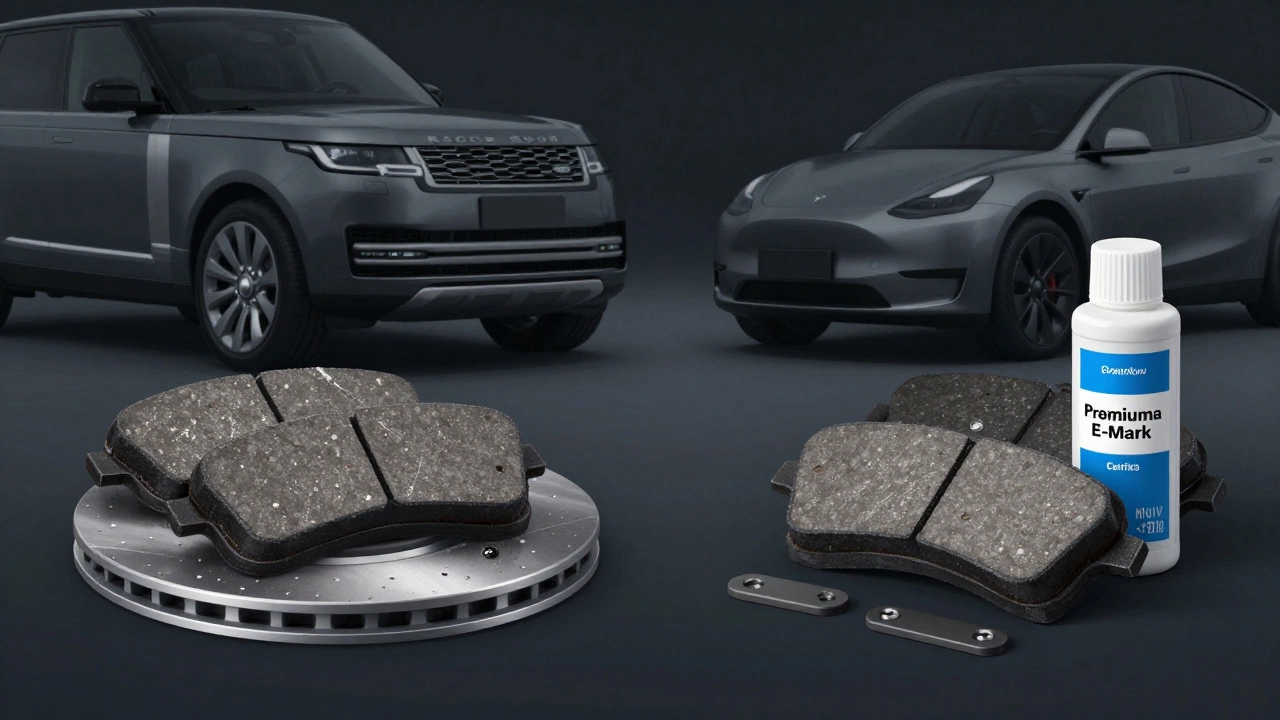
Here’s the thing: brake pads aren’t one-size-fits-all. A set for a tiny city car like a Fiat 500 might cost £40, while a heavy SUV like a Range Rover Discovery could need pads that cost £180 just for the front axle. Always check your exact model and year. The difference between a £60 set and a £160 set isn’t always quality-it’s often the car’s weight, braking force, and heat tolerance requirements.
Brand matters, but not how you think
You don’t need to buy OEM (original equipment manufacturer) pads to get good performance. In fact, many aftermarket brands outperform factory pads and cost half as much. Brands like EBC, Ferodo, and Pagid are trusted by mechanics across the UK. They’re tested to meet or exceed ECER90 standards, which is the legal baseline here.
On the flip side, ultra-cheap pads under £30 often come from unknown suppliers. These might be made with low-quality friction material that wears out in 10,000 miles or less, squeals loudly, or even cracks under heavy braking. I’ve seen customers bring in cars with pads worn down to metal because they saved £20 upfront. That metal-on-metal grinding? It costs £400 to fix the rotors. Not worth it.
Stick to reputable brands. Look for the E-Mark on the packaging-that’s the European safety certification. If it’s not there, walk away.
Where you buy changes the price
Buying brake pads isn’t like buying groceries. Prices vary wildly depending on where you shop.
- Local garage parts counter: £80-£150 for a set. Convenient, but they often mark up parts by 30-50%.
- Online retailers (Amazon, eBay, Euro Car Parts): £50-£110. You’ll find better deals here, but check reviews and seller ratings. Avoid sellers with no feedback or fake photos.
- Manufacturer websites (e.g., Bosch, Brembo): £100-£200. These are direct, so you know it’s genuine, but you’re paying for the name.
- Auto centers like Kwik Fit or Halfords: £120-£200. They bundle installation, but you’re overpaying for the service fee.
Pro tip: Buy the pads online, then take them to an independent garage. You’ll save £50-£100 on labor compared to buying the whole package from a chain.
Labour costs: What you’re really paying for
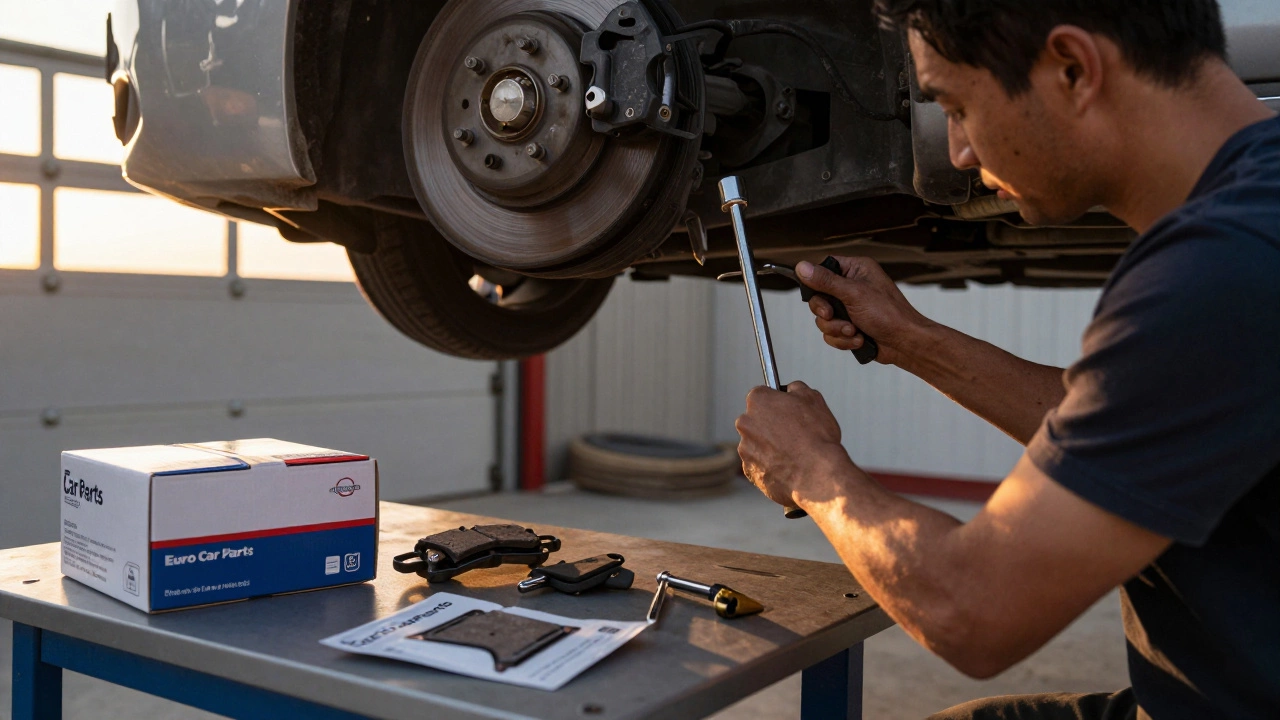
Brake pads aren’t just the pads. You’re paying for the job. In Manchester, the average labour cost to replace all four brake pads is £80-£120. That includes lifting the car, removing wheels, compressing calipers, installing new pads, bleeding the brakes if needed, and testing.
Some garages will try to upsell you on new rotors. If your rotors are smooth, not scored, and over 2mm thick, you don’t need them. But if they’re warped or worn below the minimum thickness, replacing them adds £100-£200. Ask to see the measurement. A good mechanic will show you the caliper’s wear gauge.
DIY? You can do it in under two hours with basic tools. A torque wrench, C-clamp, and brake cleaner are all you need. YouTube tutorials for your exact car model are free and accurate. Save £100+ and learn something useful.
What’s included in a full brake pad set?
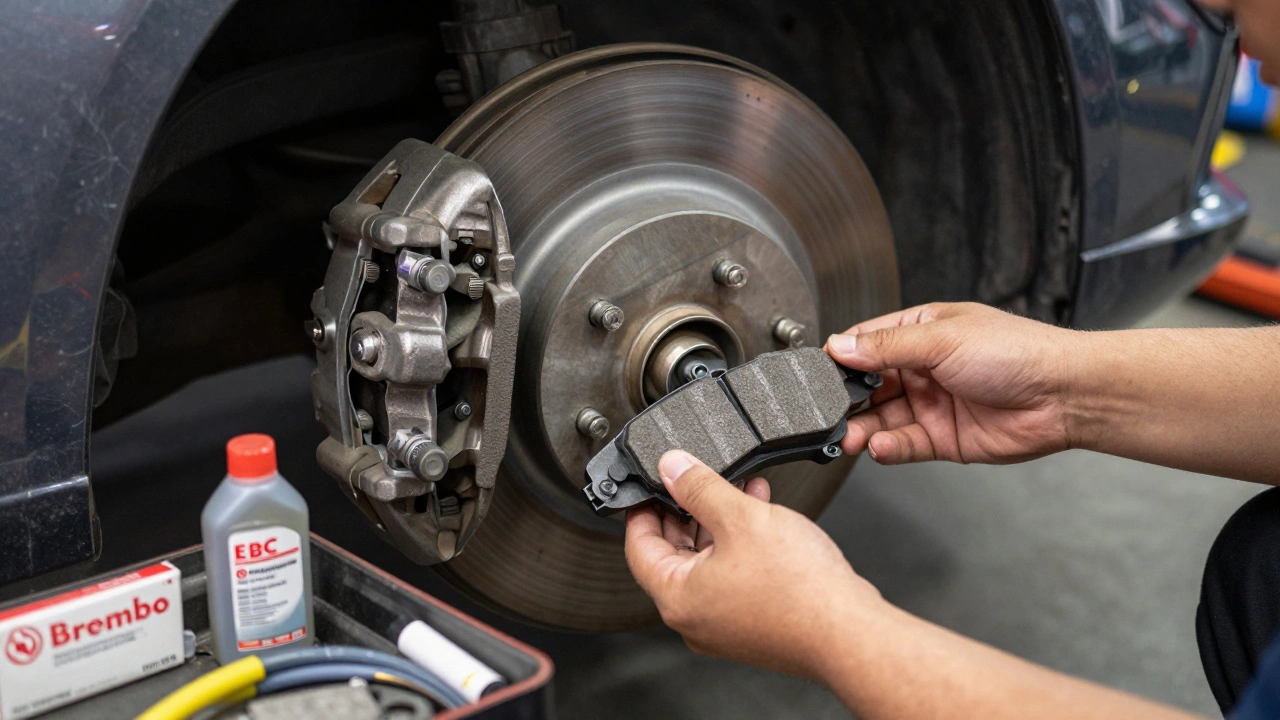
A proper set of 4 brake pads includes:
- Two front pads
- Two rear pads
- Hardware kit (anti-rattle clips, shims, and sometimes new mounting bolts)
- Brake lubricant (for caliper pins and contact points)
Some cheaper sets leave out the hardware. Don’t skip it. Worn or missing clips cause squeaking and uneven wear. If the set doesn’t include lubricant, buy a tube of high-temp brake grease (like Permatex Ultra Disc Brake Lube) for £5. It’s cheap insurance.
Also check if the pads come with wear sensors. Many modern cars (Volkswagen, BMW, Audi) have electronic sensors that trigger a dashboard warning when pads are low. If your car has them, make sure the new pads include sensors. Otherwise, you’ll get a false warning light.
How often do brake pads need replacing?
There’s no fixed mileage. Brake pads last between 20,000 and 70,000 miles. It depends on how you drive. City driving with constant stops? You’ll wear them out faster. Highway driving? They’ll last longer.
Signs you need new pads:
- Squealing or grinding noise when braking
- Brake pedal feels spongy or goes further to the floor
- Car pulls to one side when braking
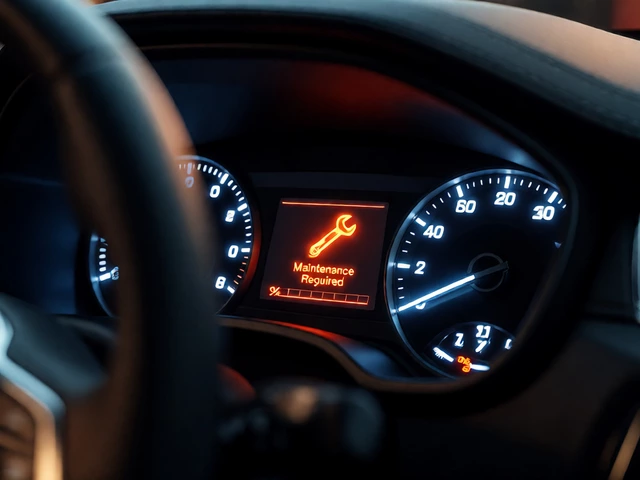
- Warning light on dashboard
- Pad thickness less than 3mm (check visually through wheel spokes)
Don’t wait for the grinding sound. That’s metal on metal. You’ve already damaged the rotors.
Is it worth buying premium brake pads?
For most drivers, no. Standard ceramic or semi-metallic pads from a trusted brand are fine. Premium pads-like those marketed for track use or towing-offer better heat resistance and fade control, but you won’t notice the difference unless you’re driving aggressively or hauling heavy loads regularly.
If you tow a caravan, haul trailers, or drive mountain roads often, then yes. Ceramic pads handle heat better and produce less dust. But for daily commuting? Save your money.
What about electric cars?
EVs like the Tesla Model Y or Nissan Leaf use regenerative braking, which reduces wear on friction pads. That means brake pads on EVs often last 80,000-100,000 miles. But when they do wear out, they’re often more expensive because they’re designed for lower friction and higher durability. Expect to pay £130-£220 for a set on most EVs.
Also, EVs are heavier. That puts more stress on the braking system. Don’t assume they’re low-maintenance-just different.
Final checklist before buying
Before you hand over your cash, ask yourself:
- What’s my exact car make, model, and year?
- Do I need pads with wear sensors?
- Does the set include hardware and lubricant?
- Is the brand E-Mark certified?
- Am I buying from a seller with real reviews?
- Do I need new rotors, or can I reuse these?
- Am I doing this myself, or hiring someone?
Get this right, and you’ll save money, avoid damage, and drive safely. Brake pads aren’t the most exciting part of your car-but they’re the one thing standing between you and a serious accident.
How much does it cost to replace brake pads on a Ford Focus?
For a Ford Focus, a standard set of 4 brake pads costs between £60 and £100. Labour to install them runs £80-£120. If you do it yourself, you can complete the job for under £100 total. Avoid ultra-cheap pads under £40-they wear out fast and can damage rotors.
Are brake pads the same for front and rear?
No. Front brake pads wear out 2-3 times faster than rear ones because they handle most of the stopping force. They’re also usually larger and made from different materials. Always buy a set designed for front and rear separately. Mixing them can cause uneven braking and safety issues.
Can I replace just two brake pads instead of four?
Technically yes, but never recommended. Replacing only the front or only the rear pads creates uneven braking force. This can cause the car to pull to one side, increase stopping distance, and wear out your rotors faster. Always replace all four at the same time.
How do I know if my brake pads are worn out?
Look for three signs: a high-pitched squeal when braking, a brake warning light on the dashboard, or visible pad thickness under 3mm. You can check thickness by looking through the wheel spokes-if you see less than a pencil’s width of material, it’s time to replace them. Don’t wait for grinding-that’s metal touching metal.
Do brake pads come with a warranty?
Most reputable brands offer a 12-month or 12,000-mile warranty. Check the packaging or product listing. If a pad set has no warranty, it’s likely low quality. Brands like EBC, Brembo, and Ferodo stand behind their products. Avoid no-name brands with no warranty info.