Low Engine Oil Symptom Checker
Select any symptoms you are currently experiencing with your vehicle to assess the risk level.
You’re driving down the motorway, minding your own business, when suddenly a little orange or red light pops up on your dashboard. Or maybe you hear a strange ticking sound coming from under the bonnet that wasn’t there last week. These are classic signs that your engine oil is running low, and ignoring them can turn a £50 top-up into a £5,000 engine replacement.
Most drivers know they need to check their oil, but few actually do it regularly. We tend to wait for the warning light, which often means we’ve already crossed the danger line. Whether you drive a modern diesel with complex sensors or an older petrol hatchback, understanding how to spot the early warnings of low oil levels is crucial for keeping your car alive and your wallet intact. Here is exactly what to look for, listen for, and smell for before your engine seizes.
The Dashboard Warning Lights: Your First Alert
Modern cars are pretty good at telling us when something is wrong, but the messages can be confusing. There are generally two types of oil-related warnings, and knowing the difference matters.
- The Oil Pressure Light: This looks like an old-fashioned oil can with a drip coming out of it. If this comes on while you are driving, it’s serious. It doesn’t just mean you have low oil; it means the oil isn’t circulating properly. Stop driving immediately. Check your level. If the level is fine, you might have a pump failure or a sensor issue.
- The Low Oil Level Indicator: Many newer cars (especially German brands like BMW, Audi, and VW) have a specific message that says "Low Oil Level" or shows a dipstick icon. This is less urgent than the pressure light but still requires attention. You usually have a few hundred miles to get some oil, but don’t push it.
If your car has a digital display, read the exact wording. Some systems distinguish between "Check Oil Level" and "Stop Engine." The former gives you time; the latter demands you pull over safely right now.
Unusual Engine Noises: Ticking, Knocking, and Rumbling
Before the lights come on, your engine will often talk to you through sound. Engine oil acts as a cushion between moving metal parts. When that cushion gets thin, metal starts hitting metal.
A common early sign is a ticking or tapping noise, especially when starting the car cold. This often happens because the oil drains back into the sump overnight, and if the level is low, the hydraulic lifters or cam followers don’t get lubricated quickly enough. If the ticking persists after the engine warms up, your oil level is likely critically low.
As the situation worsens, the noise changes. You might hear a deep knocking or rumbling sound. This indicates that internal components like connecting rods or crankshafts are struggling. At this stage, the friction is generating heat faster than the oil can dissipate it. If you hear knocking, stop driving. Continuing even for a mile can cause catastrophic damage to the bearings.
Overheating Engine: Why Low Oil Makes Your Car Hot
People often think only coolant cools the engine. That’s true, but it’s incomplete. Engine oil removes about 30-40% of the heat generated during combustion. It carries heat away from the pistons and cylinder walls to the oil cooler or the sump.
When oil levels drop, there isn’t enough volume to absorb and transfer this heat effectively. The remaining oil overheats, breaks down, and loses its ability to protect the engine. So, if your temperature gauge starts creeping toward the red zone, don’t just look at your coolant reservoir. Check your oil. In many cases, a low oil level is the hidden culprit behind unexplained overheating.
| Symptom | Likely Cause | Severity | Action Required |
|---|---|---|---|
| Ticking on Cold Start | Oil draining back; low level in upper engine | Moderate | Top up oil within 24 hours |
| Oil Pressure Light On | Very low level or pump failure | Critical | Stop driving immediately |
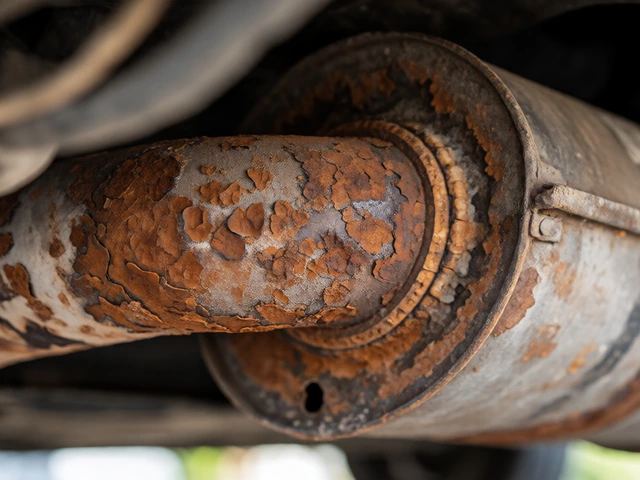
| Burning Smell | Oil leaking onto hot exhaust | High | Inspect for leaks; top up |
| Excessive Exhaust Smoke | Oil burning in cylinders (worn rings/seals) | High | Compression test needed |
| Knocking/Rumbling | Internal component friction | Catastrophic | Tow vehicle to garage |
Smells and Visible Signs: What to Look For Under the Bonnet
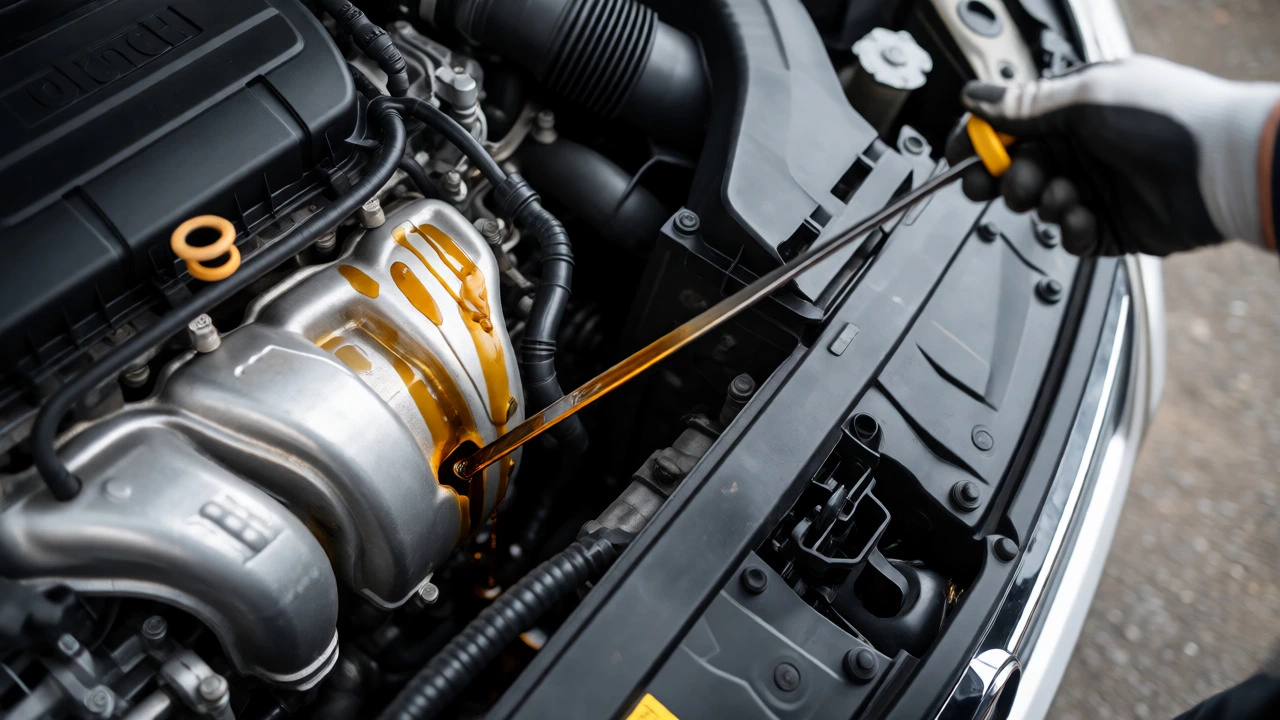
Your nose is a surprisingly effective diagnostic tool. If you smell something acrid or burnt inside the cabin or near the front of the car, you might have an oil leak. Oil dripping onto a hot exhaust manifold burns off instantly, creating that distinct, sharp odor. This often accompanies a dropping oil level because the oil is escaping the system rather than being consumed internally.
Visually inspecting the area around the engine can also help. Look for dark, wet patches around the valve cover gasket, the oil pan, or the turbocharger seals. While small leaks are common in older cars, a sudden increase in drips under your parking spot suggests a new breach in the system.
Another visible sign is excessive smoke from the exhaust. Blue or grey smoke specifically indicates that oil is entering the combustion chamber and being burned along with the fuel. This is different from white smoke (coolant leak) or black smoke (fuel mixture issue). If you see blue smoke, especially when accelerating, your engine is consuming oil rapidly due to worn piston rings or valve stem seals.
Performance Issues: Loss of Power and Poor Fuel Economy
It sounds counterintuitive, but low oil can make your car feel sluggish. Modern engines rely on precise hydraulic pressures to operate variable valve timing systems. These systems adjust the engine’s performance based on load and speed. They use oil pressure to actuate small valves that change camshaft angles.
When oil levels are low, these hydraulic actuators may not function correctly. The result? Your engine feels flat, lacks power, and struggles to accelerate. You might notice that the car doesn’t respond as crisply to the throttle pedal. Additionally, increased internal friction means the engine works harder to produce the same amount of power, leading to worse fuel economy. If your MPG drops unexpectedly and your maintenance history is clean, check the oil level.
How to Check Your Oil Level Correctly
Knowing the symptoms is half the battle; verifying the problem is the other half. Don’t just trust the dashboard light. Get out of the car and check manually. Here is the foolproof method:
- Park on Level Ground: Slopes give false readings. Ensure your car is on flat pavement.
- Let the Engine Cool: Wait at least 10-15 minutes after turning off the engine. This allows the oil to drain back into the sump. Checking immediately after driving will show a falsely low level.
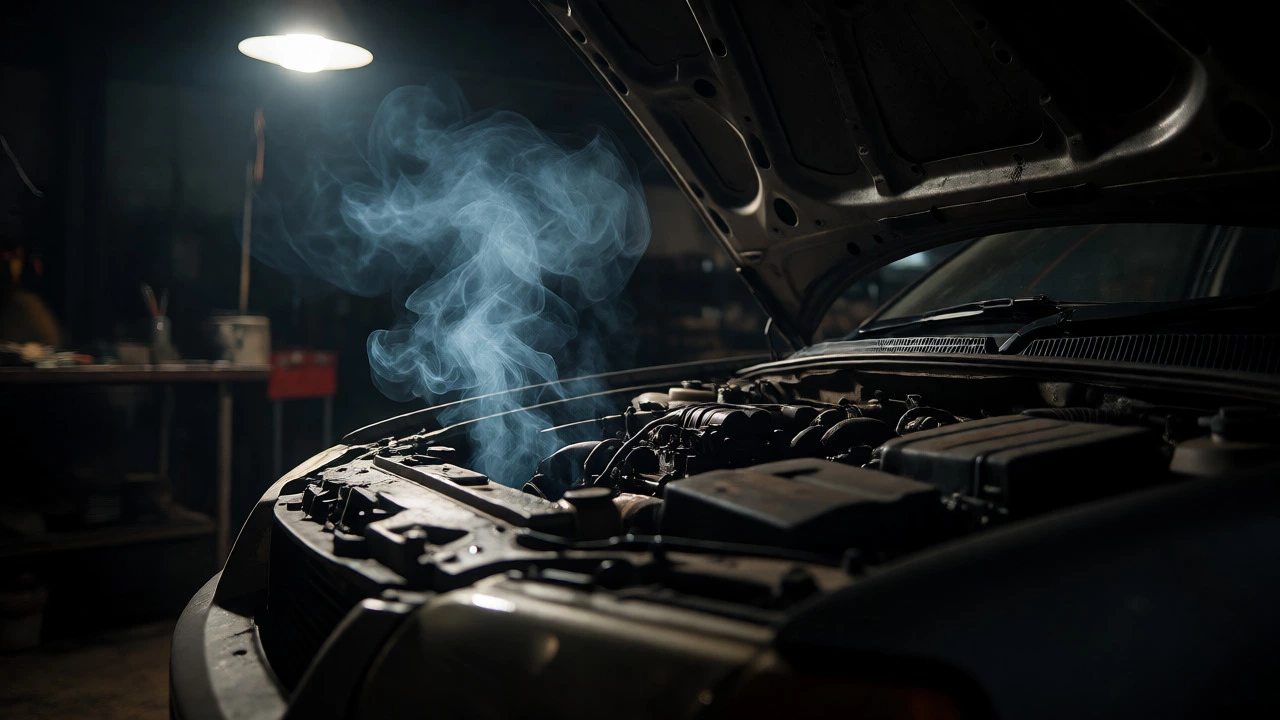
- Locate the Dipstick: It usually has a yellow or orange ring handle.
- Wipe and Re-insert: Pull the dipstick out, wipe it clean with a rag, fully re-insert it, then pull it out again.
- Read the Markings: Most dipsticks have "Min" and "Max" marks, or two holes. The oil film should be between these points. If it’s below the Min mark, you need to add oil immediately.
Remember, checking the oil is quick and free. Doing it once a month, or every time you fill up with fuel, prevents 90% of oil-related emergencies.
FAQs About Low Engine Oil
Can I drive with the oil light on?
No, you should not drive with the oil pressure warning light illuminated. This light indicates that the oil is not circulating under sufficient pressure to lubricate critical engine components. Driving even a short distance can cause severe, irreversible engine damage such as seized bearings or scored cylinders. Stop the car safely, let it cool, and check the oil level immediately.
How much does it cost to fix low oil symptoms?
If caught early, fixing low oil symptoms is cheap-often just the cost of a litre of oil (£10-£20). However, if ignored, the costs skyrocket. Replacing a blown head gasket caused by overheating can cost £500-£1,000. Rebuilding or replacing an engine damaged by lack of lubrication typically ranges from £2,000 to £6,000 depending on the vehicle make and model.
Why does my car burn oil without leaking?
Cars can consume oil internally without external leaks due to worn piston rings or valve stem seals. Over time, these components degrade, allowing oil to seep into the combustion chamber where it is burned along with fuel. This is common in high-mileage vehicles. Regular monitoring of oil levels and topping up between services is the standard management strategy for this issue.
Is synthetic oil better for preventing low oil issues?
Synthetic oils generally offer better protection against thermal breakdown and maintain viscosity better under extreme temperatures compared to conventional mineral oils. While they don't prevent leaks or consumption directly, their superior lubrication properties provide a larger safety margin if oil levels drop slightly. They also tend to resist sludge formation, which helps keep oil passages clear and pressure stable.
How often should I check my oil level?
Manufacturers recommend checking oil levels at least once a month. For older vehicles or those known to consume oil, checking every time you refuel is a prudent habit. This routine takes less than two minutes and ensures you catch drops in level before they trigger warning lights or cause mechanical failure.