Air Filter Value & Recommendation Calculator
Not sure if you should buy the £5 filter or the £25 one? Answer a few questions about your car and driving habits to get a tailored recommendation.
Fill in the details on the left and click "Get Recommendation" to see which filter tier is right for you.
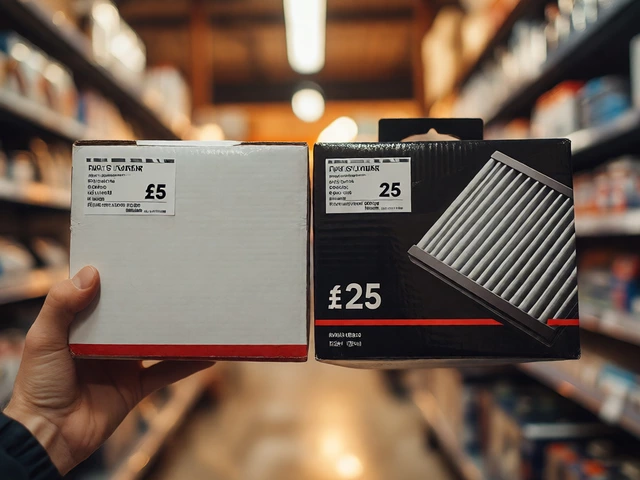
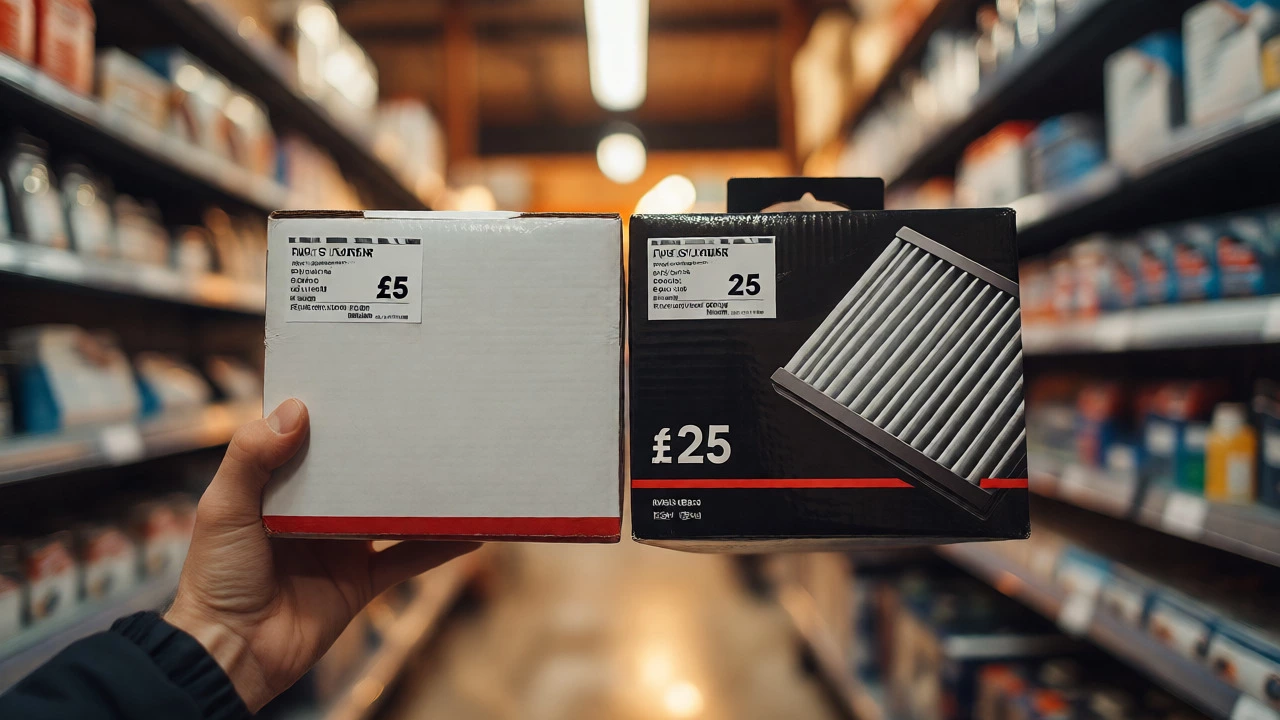
You’re standing in the auto parts aisle, holding two identical-looking boxes. One costs £5, the other £25. The pictures on both show a rectangular block of pleated paper. Your brain screams that you’re being ripped off by the expensive one, right? But then you remember your mechanic’s warning about "cheap filters killing engines." So, is there actually a difference between cheap and expensive air filters, or is it just branding?
The short answer is yes, there is a difference. But it’s not always obvious, and it doesn’t mean you need to buy the most expensive option available. The gap between a £3 no-name filter and a £10 premium brand is often negligible. The gap between that £3 filter and a £25 high-performance unit, however, can be significant depending on what you drive and how you drive it.
What Are You Actually Buying?
To understand the price tag, you need to know what goes into making an air filter. At its core, an air filter is a barrier. Its job is simple: let air into the engine while keeping dirt, dust, pollen, and debris out. If dirt gets past the filter, it acts like sandpaper inside your cylinders, wearing down piston rings and cylinder walls over time.
Manufacturers vary three main things to hit different price points:
- Filtration Media: The material that catches the dirt. Cheap filters use basic cellulose (paper pulp). Expensive ones might use synthetic fibers, cotton gauze, or multi-layer composites.
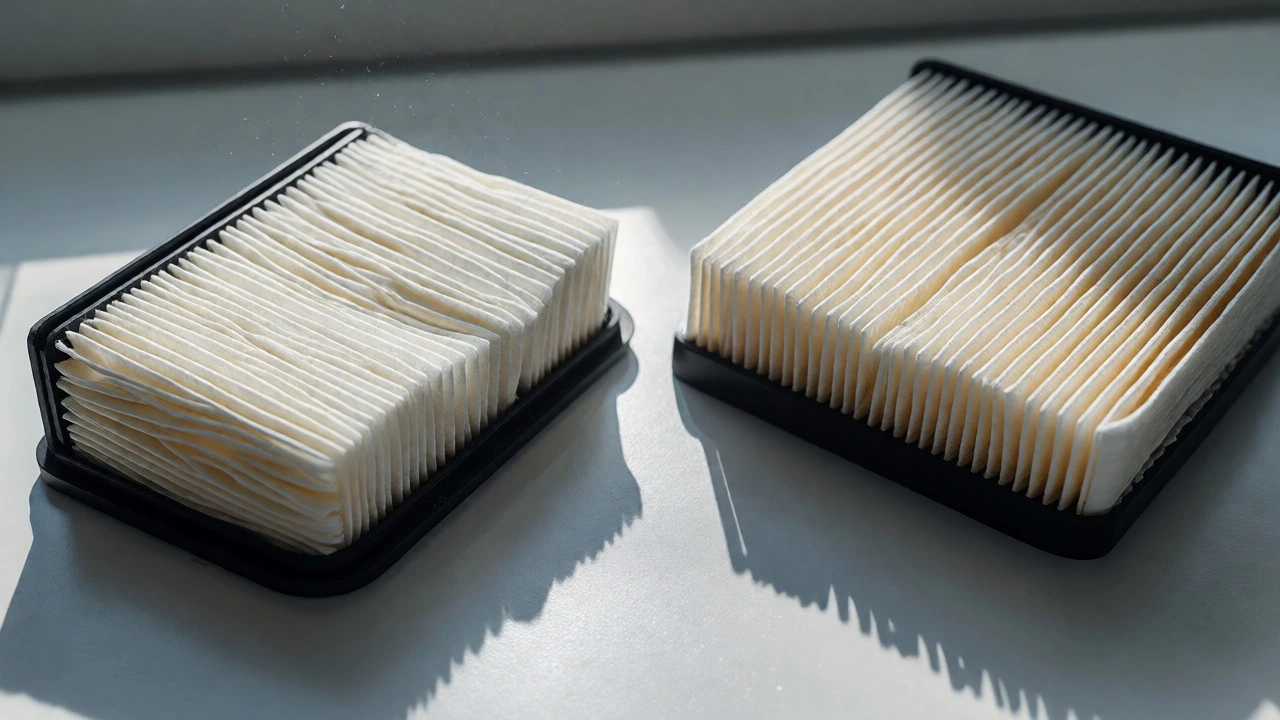
- Pleat Density: How many folds are in the paper. More pleats mean more surface area, which means better airflow and longer life.
- Sealing Quality: The rubber or polyurethane edge around the filter. This keeps unfiltered air from sneaking around the sides.
A cheap filter might have fewer pleats and lower-quality glue. An expensive filter usually has tighter tolerances and higher-grade materials. But does that translate to real-world performance? Let’s break it down.
The Hidden Costs of Cheap Filters
When you buy a budget air filter, you’re often paying for less efficiency. Not necessarily in terms of horsepower, but in terms of protection. Here’s where the risks lie:
Poor Sealing Leads to Bypass
The biggest issue with low-cost filters isn’t the paper; it’s the seal. If the rubber gasket is stiff or poorly molded, it won’t sit flush against the airbox housing. This creates gaps. Unfiltered air rushes through these gaps, bypassing the filtration media entirely. This dirty air hits your engine directly. Over thousands of miles, this abrasive dust accelerates wear on sensitive components like the MAF sensor (Mass Air Flow sensor) and turbochargers.
Inconsistent Filtration Efficiency
Premium brands test their media to ensure it captures particles of specific sizes. A standard OEM (Original Equipment Manufacturer) filter might capture 99% of particles larger than 10 microns. A cheap aftermarket filter might only capture 85%. That 14% difference sounds small until you realize those tiny particles are the ones that cause the most damage because they slip past piston rings and end up in your oil.
Structural Failure Under Stress
Have you ever seen a collapsed air filter? It happens when the media is too weak to withstand the vacuum pressure created by the engine. Cheap filters often lack internal support grids or use weak adhesives. In high-demand situations-like towing a trailer or driving at high RPMs-the filter can fold in on itself, restricting airflow drastically. Your engine will run rich (too much fuel), lose power, and potentially throw check-engine lights.
Do Expensive Filters Offer Real Benefits?
If cheap filters are risky, are expensive filters worth it? It depends on what kind of "expensive" we’re talking about. There are two categories of premium filters: High-End OEM replacements and Aftermarket Performance filters.
High-End OEM Replacements
These are filters sold under brands like Mann, Bosch, Mahle, or Fram Extra Guard. They cost more than the generic store-brand options but aren't wildly expensive (usually £10-£15). These filters are designed to match or exceed factory specifications. They offer superior sealing, consistent filtration rates, and durable construction. For most daily drivers, this is the sweet spot. You’re paying for reliability and peace of mind, not magic.
Performance Filters (K&N, BMC, Pipercross)
This is where prices jump to £30-£60. These filters are typically reusable and washable. They use oiled cotton gauze or synthetic non-woven fabrics. The claim? Better airflow equals more horsepower. And technically, they do allow more air to flow through compared to standard paper filters. But here’s the catch: increased airflow often comes at the cost of filtration efficiency. Some performance filters let slightly more dirt through to maintain that free-flowing air.
For a modified car running boost pressures, the slight increase in airflow might justify the trade-off. For a stock family hatchback, the difference in horsepower is often within the margin of error (maybe 1-3 HP, if measurable at all). You’re mostly buying longevity and the ability to reuse the filter, which saves money over ten years despite the higher upfront cost.
Cabin Air Filters: Where Price Matters Most
Most people forget the second air filter in their car: the cabin air filter. This filter cleans the air entering the passenger compartment. Unlike engine filters, cabin filters deal with pollen, smog, mold spores, and road dust. Here, the difference between cheap and expensive is very noticeable.
| Feature | Basic Paper Filter (£5-£8) | Activated Carbon Filter (£12-£20) | HEPA / Multi-Layer (£20+) |
|---|---|---|---|
| Filtration Level | Dust & Large Debris | Dust + Odors + Gases | Ultra-Fine Particles + Allergens |
| Lifespan | 10,000 - 15,000 miles | 15,000 - 20,000 miles | 20,000+ miles |
| Best For | Budget-conscious drivers | City driving, traffic congestion | Allergy sufferers, heavy pollution areas |
| Health Impact | Moderate | High | Very High |
Basic paper cabin filters do almost nothing for odors or fine pollutants. If you live in a city like Manchester with heavy traffic and industrial history, a cheap filter will leave your car smelling like exhaust fumes after every commute. Activated carbon filters absorb volatile organic compounds (VOCs) and bad smells. The price difference is justified by immediate comfort and health benefits. If you suffer from hay fever, skipping the premium cabin filter is a mistake you’ll pay for in sneezes.
How to Choose the Right Filter for Your Car
You don’t need to spend big on everything. Use this decision framework to save money without compromising your engine.
- Check Your Warranty Status: If your car is still under warranty, stick to OEM or approved equivalents. Using a non-approved filter *could* void coverage if a failure occurs, though laws vary. Always check the manual.
- Evaluate Your Driving Environment: Do you drive on dusty country roads or gravel tracks? Invest in a high-efficiency engine filter (Mann/Mahle level). If you drive mostly on clean motorways, a mid-range filter is sufficient.
- Consider Your Health Needs: For cabin filters, never skimp if you have allergies. Buy activated carbon or HEPA-rated filters regardless of brand prestige. The technology matters more than the logo.
- Assess Your DIY Confidence: Can you change it yourself? Premium filters last longer, so you replace them less often. If you hate getting under the hood, pay extra for longevity.
Avoid the absolute cheapest options found in discount bins. Look for reputable aftermarket brands. Brands like Mann, Bosch, and Knecht are industry standards. They aren't the most expensive, but they pass rigorous ISO testing standards. Generic "unbranded" filters often fail these tests silently.

Common Myths About Air Filters
Myth 1: "A dirty filter improves mileage."
False. A clogged filter restricts airflow. The engine has to work harder to suck in air, which reduces efficiency. Modern fuel-injected engines adjust the air-fuel ratio automatically, but they can’t create air out of thin space. Replace it when it’s dirty.
Myth 2: "Expensive filters make my car faster."
Only if your current filter is completely blocked or if you’ve made other modifications (intake, exhaust, ECU tune). On a stock car, swapping a £5 filter for a £40 one won’t give you noticeable speed gains. Don’t expect race-car results from a drop-in part.
Myth 3: "I can blow out a paper filter with compressed air."
Never do this. Compressed air tears microscopic holes in the paper fibers. These holes are invisible to the eye but large enough to let grit through. Paper filters are disposable. Blow-out cleaning is only for specific oiled cotton performance filters, and even then, follow the manufacturer's instructions carefully.
Final Verdict: Spend Smart, Not Just Less
Is there a difference between cheap and expensive air filters? Absolutely. But the line isn't drawn at "cheap vs. expensive." It’s drawn at "junk vs. quality."
Skip the ultra-cheap, unbranded filters that cut corners on sealing and media density. They pose a genuine risk to your engine’s long-term health. On the other hand, you don’t need to buy the most expensive racing filter unless you’re tracking your car or modifying it. For the average driver, mid-priced, reputable-brand filters offer the best balance of protection, performance, and value. Your engine will thank you, and your wallet won’t cry.
How often should I change my air filter?
Most manufacturers recommend changing the engine air filter every 15,000 to 30,000 miles. However, if you drive in dusty conditions, check it every 10,000 miles. Cabin filters should be changed annually or every 15,000 miles, whichever comes first.
Can I drive with a broken air filter?
Yes, for a short distance. But avoid doing it. Without a filter, debris enters the engine immediately, causing rapid wear. Also, the MAF sensor may get contaminated, leading to poor fuel economy and rough idling.
Are K&N filters really better than paper filters?
They are different. K&N filters offer higher airflow and are reusable, but they generally have lower filtration efficiency than high-quality paper filters. For daily driving, a premium paper filter (like Mann or Bosch) provides better engine protection. K&N is better for enthusiasts who want to save on replacement costs over time.
Does a dirty air filter affect fuel consumption?
In older carbureted cars, yes, significantly. In modern fuel-injected cars, the effect is minimal because the computer adjusts fuel delivery. However, a severely clogged filter can still strain the engine and reduce throttle response, indirectly affecting efficiency.
Why are cabin air filters more expensive now?
Modern cabin filters often include activated carbon layers to remove odors and gases, not just dust. This additional layer increases manufacturing costs but provides significant health and comfort benefits, especially in urban environments.