Why a Parked Car Still Loses Power
If you've ever returned from a long holiday only to hear a slow clicking sound when turning your ignition key, you've met a dead battery. The short answer is yes, car batteries definitely go bad if left unused. They are not designed to sit idle like a stone; they are active chemical machines that consume their own energy over time. Even in a perfectly parked vehicle with no engine running, internal chemical reactions continue to happen. This process drains the stored charge until the voltage drops below the level needed to crank the starter motor.
A car battery is an electrochemical storage device that provides power to start the engine and run electrical systems when the alternator is offline. Most modern vehicles rely on starting systems requiring significant bursts of current. Without regular top-ups, that capacity disappears. Understanding why this happens is the first step to preventing being stranded next time you visit the garage.
| Battery Storage Estimates (No Charging) | ||
|---|---|---|
| Battery Type | Typical Discharge Rate | Time to Flat |
| Flooded Lead-Acid | 3% to 5% per month | 4 to 6 months |
| AGM / Gel Cell | 1% to 2% per month | 6 to 12 months |
| Lithium-Ion | Below 1% per month | 12+ months |
The Invisible Drain Called Self-Discharge
Even when disconnected from the car, a healthy battery loses charge naturally. We call this self-discharge. It is caused by tiny currents flowing internally between the plates of the battery due to impurities in the electrolyte solution. Think of it like a balloon with a tiny pinhole; air slowly leaks out regardless of how well you tie the knot. In colder climates like Manchester, this rate slows down slightly because chemical reactions move slower in the cold. However, heat accelerates the drain significantly.
This isn't just theoretical. A typical 12-volt lead-acid battery might lose around 15% of its charge in the first few weeks of sitting. Once the voltage dips too low, a phenomenon called sulfation begins. Hard sulfate crystals form on the lead plates inside the cells. These crystals block the chemical pathways needed to generate electricity. Once established, sulfation is often permanent damage. That is why a battery that sits too long cannot simply be recharged normally and will refuse to hold a full charge later.
Parasitic Draw: The Silent Energy Thief
While self-discharge is natural, parasitic draw is something specific to how the car is built. Modern vehicles have complex electronics that stay awake even when the keys are removed. Keyless entry fobs, alarm systems, clock memory, and radio presets all need a trickle of power to maintain settings. This is a design feature for convenience, but it creates a constant leak. Older cars might draw 50 milliamps, barely noticeable. Newer models can draw 500 milliamps or more while parked.
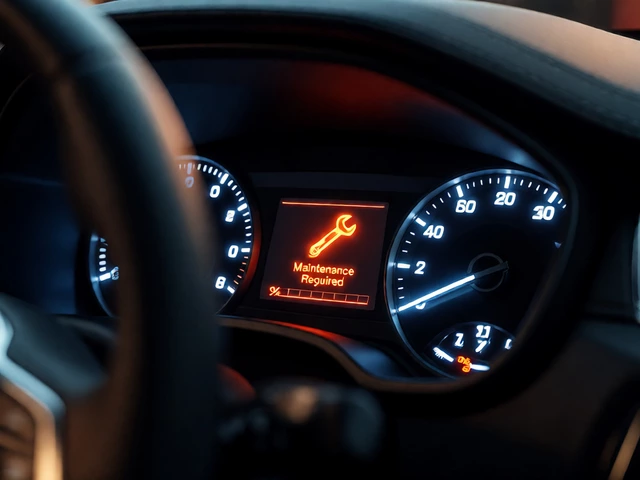
If your car has advanced features like remote start or GPS tracking, the drain is heavier. Over two weeks, this continuous load can strip enough energy to stop the engine from firing. It's the equivalent of leaving a lightbulb on in a dark room. You might notice your interior lights flickering or the dashboard displaying weird warning symbols before the battery finally gives up completely. To mitigate this, some owners disconnect the negative terminal, but that resets electronic modules like the radio code or window auto-up logic.
Signs Your Battery Has Gone Bad During Storage
When you do try to start the engine after a long break, listen carefully. A healthy cranking noise means the battery is likely fine. Silence or slow clicking indicates low voltage. Sometimes the dashboard lights illuminate brightly at first but dim the moment you turn the key. This happens because the starter motor demands huge amperage instantly. If the battery is weak, the voltage collapses under load, cutting power to the lights.
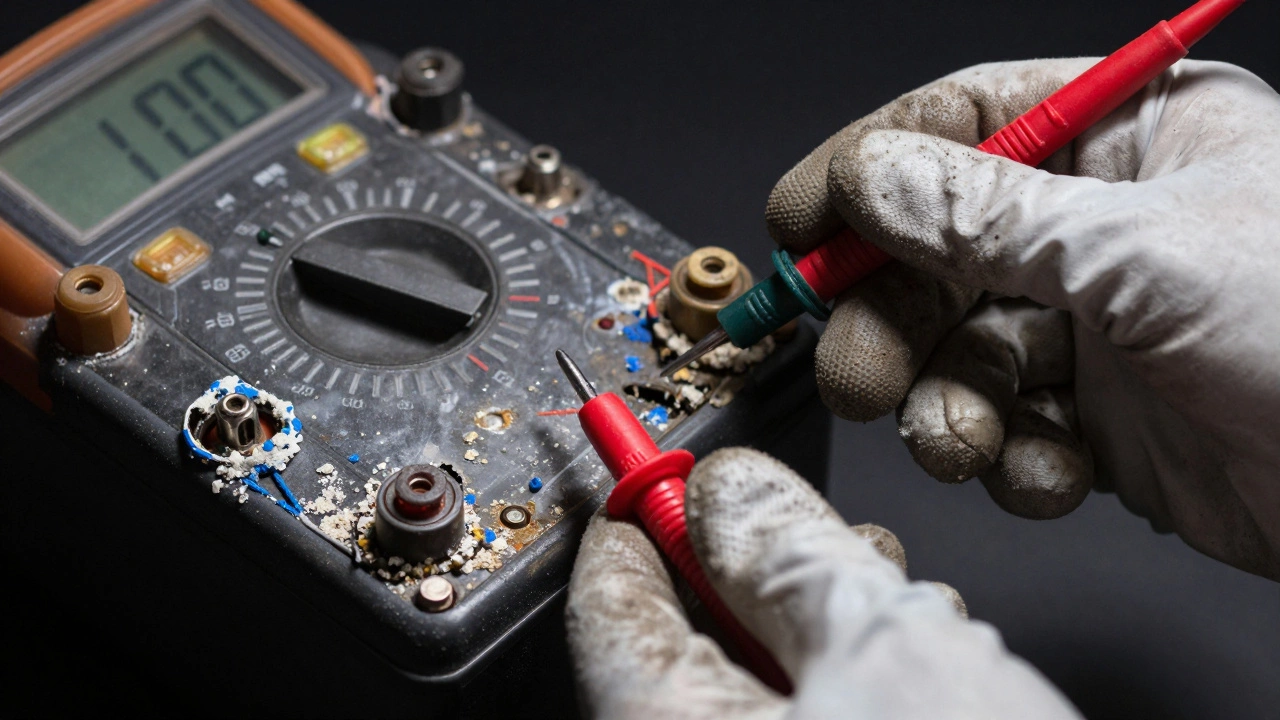
You can check the state manually with a multimeter. A fully charged battery reads 12.6 volts or higher. Anything below 12.2 volts suggests partial discharge. Below 11.8 volts usually signals deep discharge. If the reading stays low after resting, the battery has lost its ability to store energy effectively. Another sign is corrosion around the terminals. White or blue crusty deposits indicate leakage, often meaning the casing is compromised or overfilled during previous use.
Preserving Power During Long Breaks
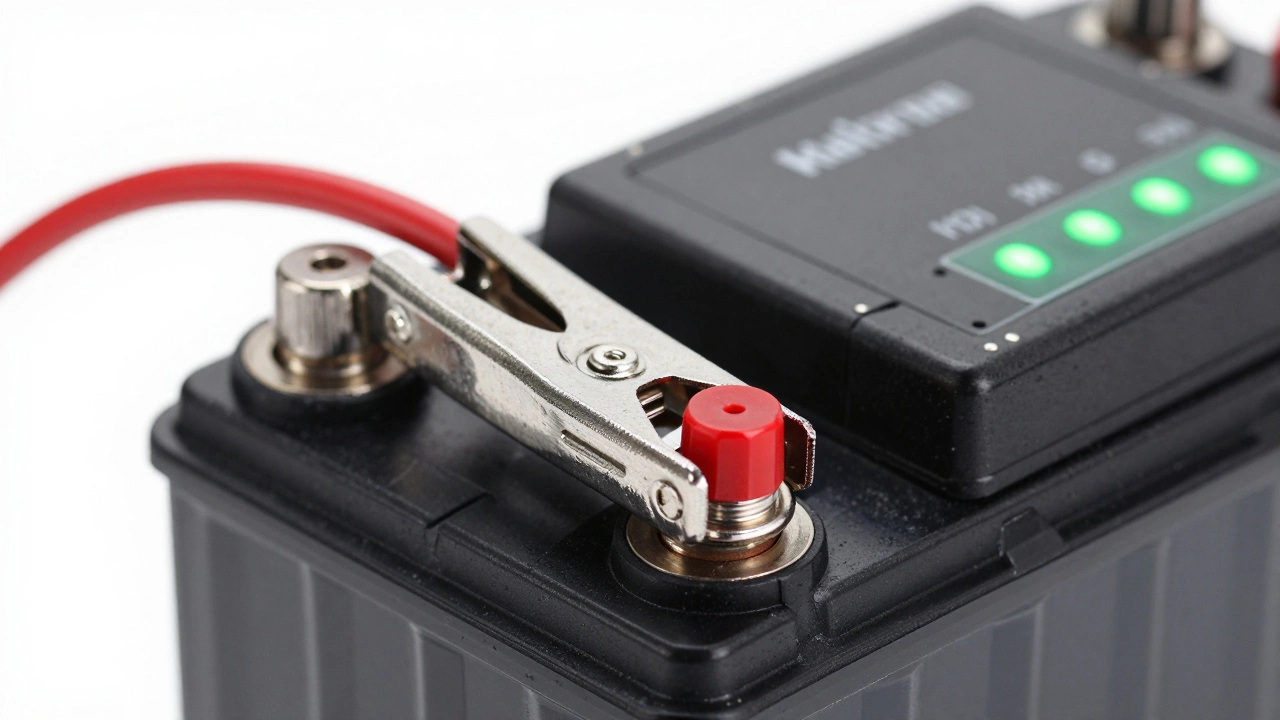
Keeping a car off the road doesn't mean you have to sacrifice the battery. The most effective method is using a smart maintainer. Unlike old-style wall warts that pump constant power into the unit, smart devices pulse power only when needed. They monitor the voltage and switch modes automatically. When the battery hits 100%, they drop to a float mode to prevent overcharging.
- Set up the charger on a weekly cycle for seasonal storage.
- Ensure the cables connect firmly to clean terminals.
- Avoid leaving standard high-amperage chargers connected indefinitely.
In the absence of a charger, driving the car is essential. A thirty-minute drive allows the alternatorThe component responsible for recharging the battery while the engine runs to replenish the system. Short trips to the shop are insufficient; the engine needs to reach operating temperature for the alternator to function at peak efficiency. If you plan to store the vehicle for more than three weeks, invest in a maintainer rather than relying on the alternator alone.
Modern Complications: AGM and Start-Stop Systems
Many cars built since 2020 come with start-stop technology. These engines shut off at traffic lights to save fuel and restart instantly. They require specialized Absorbent Glass Mat (AGM) batteries. These handle deep discharge cycles better than standard flooded batteries. However, they are also more expensive and sensitive to incorrect charging voltages. Using a standard charger on an AGM unit risks ruining the cells permanently.
Electric Vehicles (EVs) present a different scenario. While the main traction pack holds massive range, these cars still have a small 12-volt auxiliary battery. This powers the doors, screen, and computers. People often forget this exists and assume the car charges entirely via the big plug. That small 12-volt unit still suffers self-discharge just like a petrol car. Leaving an EV in a garage for six months without monitoring can leave you locked out of the vehicle.
Recovering a Dead Battery After Storage
Is recovery possible? Often, yes, if caught early. If the battery has been flat for less than a week, a slow charge over 24 hours might restore it. Connect a smart charger and let it work overnight. Avoid boost jump-starts immediately; if the cells are deeply sulfated, sudden high current will damage the plates further.
If the battery is older, say approaching four years, sitting flat usually marks the end of its serviceable life. Internal degradation speeds up the failure process. Trying to revitalize a dying unit saves little money compared to buying new stock. Replace it before heading away again to avoid roadside assistance fees, which are far higher in the current economic climate.