Ever turned the key and heard nothing but a quiet click? Or worse-your car sputters, coughs, and dies like it’s out of breath? If you’ve been there, you might be wondering: will a car run with a dead fuel pump? The short answer? No. Not for long. Not at all, really. A dead fuel pump doesn’t just make your car sluggish-it stops it cold.
What a Fuel Pump Actually Does
Think of your fuel pump as the heart of your car’s fuel system. It doesn’t just push gas from the tank to the engine. It pushes it under pressure-usually between 30 and 60 psi, depending on your car. That pressure is what lets the injectors spray fuel in fine mist form right when the engine needs it. Without that pressure, the engine can’t mix fuel and air properly. And without that mix, combustion doesn’t happen.
Modern cars use electric fuel pumps mounted inside the gas tank. They’re quiet, reliable, and designed to last 100,000 miles or more. But they’re not immortal. Dirt, water, or running on empty too often can wear them out faster. When they die, they don’t always make a loud noise. Sometimes, they just… stop.
What Happens When the Fuel Pump Dies
There’s no middle ground. A dead fuel pump doesn’t weaken your car’s performance-it kills it.
- No start at all: You turn the key. The engine cranks, but it won’t fire. No sputter. No smell of fuel. Just silence. That’s because no fuel is reaching the injectors.
- Stalling under load: Sometimes, the pump doesn’t die all at once. It might work fine at idle but fail when you hit the gas-like climbing a hill or merging onto a highway. The pump can’t keep up with demand, so the engine chokes and shuts down.
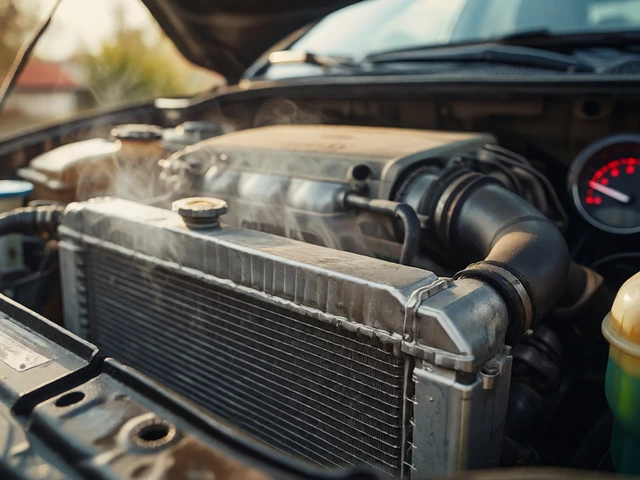
- Intermittent cutting out: If the pump is failing but not dead, your car might sputter and restart after sitting for a few minutes. This is a classic sign of a pump overheating or struggling to maintain pressure.
- Whining or humming noise: Before it dies completely, a bad pump often makes a loud, high-pitched whine from the back of the car. It’s not normal. If you hear it, don’t ignore it.
One myth that keeps spreading: “My car ran fine for a week after the pump started making noise.” That’s not luck. That’s a pump on borrowed time. It’s not getting stronger-it’s getting weaker. Every time you drive, you’re risking being stranded.
Why a Car Can’t Run Without Fuel Pressure
Some people think if the tank has gas, the engine should at least try to run. But fuel isn’t gravity-fed in modern cars. There’s no carburetor trickling fuel in. Fuel injectors need pressure to open and spray precisely. Even a tiny drop in pressure-say, from 45 psi down to 10 psi-means the injectors can’t open fully. The result? Lean mixtures, misfires, and eventually, no combustion at all.
Modern engines have sensors that detect when fuel delivery is off. If the engine control unit (ECU) senses low fuel pressure, it may shut down the ignition system to prevent damage. That’s why your car might crank but never start-because the ECU is protecting itself from running on fumes.
How to Tell If It’s the Fuel Pump or Something Else
Before you replace the pump, rule out other common culprits:
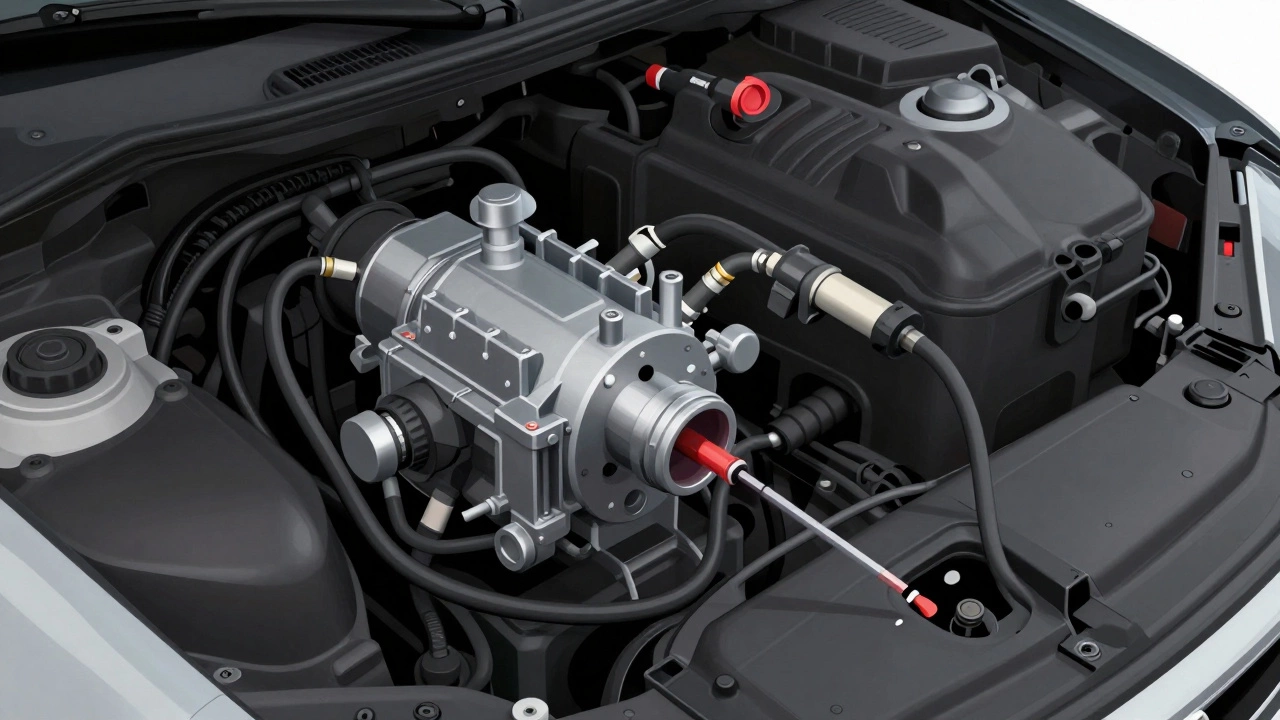
- Bad fuel filter: A clogged filter can starve the engine of fuel and mimic a weak pump. Filters should be replaced every 30,000-50,000 miles.
- Faulty fuel pressure regulator: If it leaks or sticks, pressure drops. You’ll see fuel in the vacuum line or smell gas near the engine.
- Broken relay or fuse: The fuel pump gets power through a relay. If it fails, the pump won’t turn on-even if it’s good. Check the fuse box first. It’s free and fast.
- Empty tank: Yes, people forget. But if you’ve got a quarter tank or more and the car won’t start, it’s not the fuel level.
Here’s a simple test: turn the key to “on” (don’t start the engine). Listen near the back seat. You should hear a brief 2-3 second hum as the pump primes the lines. If you hear nothing, the pump isn’t getting power-or it’s dead.
What to Do If Your Fuel Pump Is Dead
If you’ve ruled out everything else and the pump isn’t making noise or delivering pressure, it’s time to replace it.
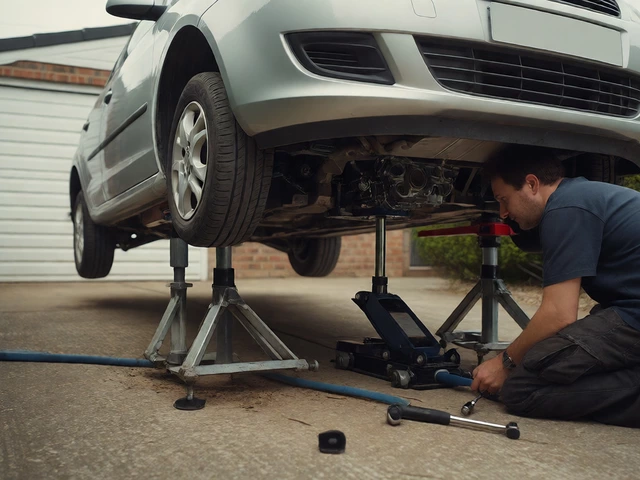
Replacing a fuel pump isn’t a weekend job for most people. It’s messy. The tank has to come out-or at least lowered. You’ll need to disconnect the fuel lines, electrical connectors, and sometimes remove the rear seat. And fuel vapors are dangerous. If you’re not comfortable, don’t risk it. Take it to a mechanic.
But if you’re doing it yourself:
- Relieve fuel pressure first. Disconnect the battery, then start the engine and let it run until it stalls. That drains pressure from the lines.
- Drain the tank. You don’t want to be working with 10 gallons of gas sloshing around.
- Remove the fuel pump module. Most cars have an access panel under the rear seat or in the trunk.
- Replace the pump and the O-ring seals. Never reuse old seals-they crack and leak.
- Refill the tank with fresh fuel and reconnect everything.
Use a pump made to OEM specs. Cheap aftermarket pumps often fail within months. Brands like Bosch, Denso, or the original manufacturer (like Delphi or Siemens) are worth the extra cost.
How to Prevent Fuel Pump Failure
Most fuel pump deaths are preventable:
- Never run on empty: The fuel cools the pump. When the tank is low, the pump runs hot and wears out faster.
- Use quality fuel: Cheap gas often has more dirt and water. Stick to major brands.
- Replace the fuel filter regularly: A clogged filter forces the pump to work harder.
- Don’t ignore strange noises: A new whine or buzz from the back seat? Get it checked.
On average, a fuel pump lasts 100,000-150,000 miles. But if you’re driving a 2015 Ford Focus with 120,000 miles and you’ve been running on a quarter tank since 2020? Your pump is overdue.
What Happens If You Keep Driving With a Failing Pump?
Some people try to “push through” a failing pump. They think, “It’s still running, so I’ll drive it to work.” But here’s what really happens:
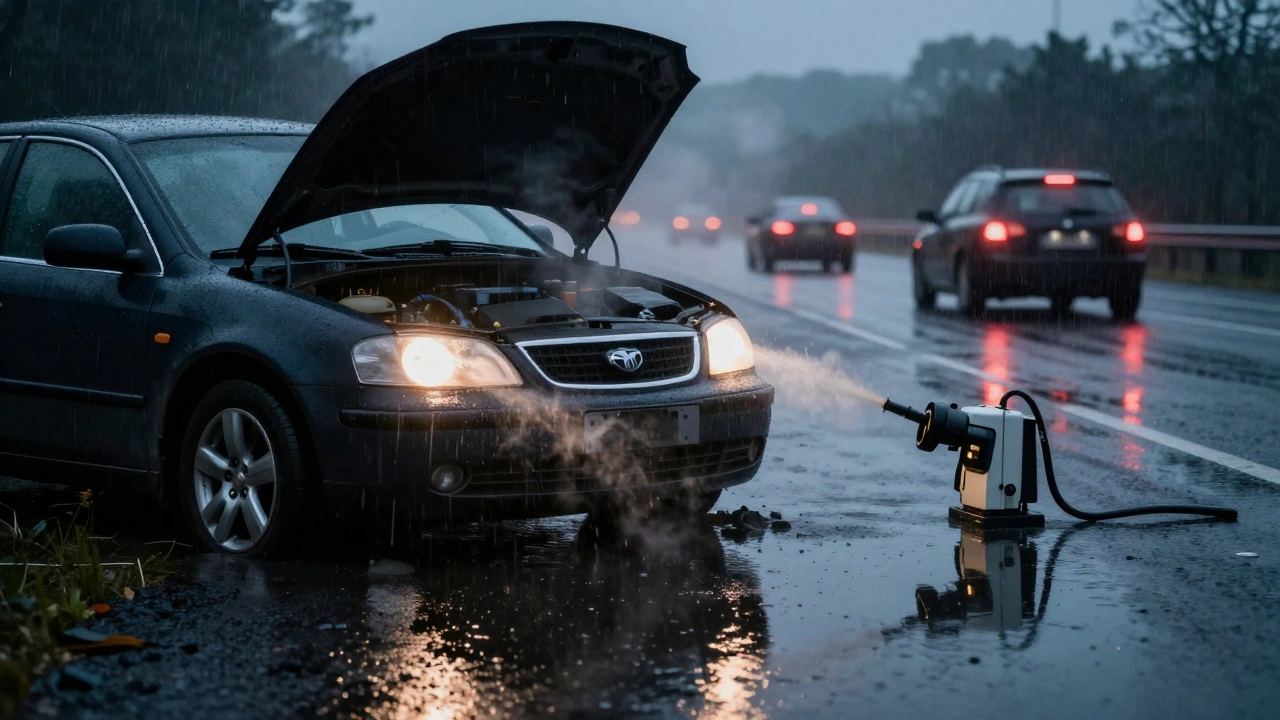
- Stranded on the side of the road-maybe in the rain, maybe at night.
- Damage to the fuel injectors from running lean.
- Overheating of the catalytic converter from unburned fuel.
- More expensive repairs than a simple pump replacement.
There’s no such thing as “just a little bit” of fuel pump failure. It’s a binary problem: it works, or it doesn’t. And when it doesn’t, your car won’t move.
Final Reality Check
Will a car run with a dead fuel pump? No. Not even for a second. Not if you mean real, usable engine operation. It might crank. It might sputter. But it won’t run. Not properly. Not safely. Not for long.
If your car won’t start and you’ve ruled out the battery, the starter, and the spark plugs, the fuel pump is the next suspect. Don’t wait until you’re stuck on a motorway. Test it. Listen for the hum. Check the pressure. Replace it if needed.
It’s not the most glamorous repair. But it’s one of the most critical. Your car doesn’t just need gas. It needs pressure. And pressure comes from the pump.
Can a car start with a bad fuel pump?
A car might crank with a bad fuel pump, but it won’t start unless the pump delivers enough fuel pressure. If the pump is completely dead, the engine won’t fire at all-even if the tank is full. A weak pump might allow the engine to start briefly but stall under load.
How long can you drive with a failing fuel pump?
You can’t predict how long. A failing pump might last a few days-or it might die while you’re on the highway. Once symptoms appear-stalling, loss of power, whining noises-the pump is in its final stage. Driving it risks breakdowns and damage to other parts like the injectors or catalytic converter.
Does a fuel pump make noise when it’s bad?
Yes. A failing fuel pump often makes a loud, high-pitched whining or buzzing noise coming from the rear of the car, near the fuel tank. It’s different from the normal low hum you hear when you turn the key to “on.” If you hear this noise, especially if it’s new or louder than before, it’s a warning sign.
Can a clogged fuel filter cause the same symptoms as a bad fuel pump?
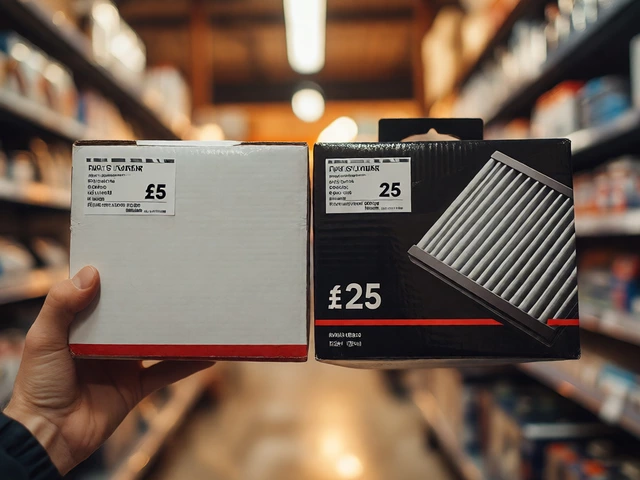
Yes. A clogged fuel filter restricts fuel flow and can cause stalling, hard starts, and loss of power-all symptoms that mimic a failing fuel pump. That’s why mechanics always check the filter first. Replacing a filter costs under £30 and takes 20 minutes. Replacing a pump costs £300-£800 and takes hours.
Is it safe to drive with a failing fuel pump?
No. Driving with a failing fuel pump is risky. The pump could fail completely at any moment, leaving you stranded. Worse, running the engine with low fuel pressure can cause overheating, misfires, and damage to the catalytic converter. It’s not worth the risk.