Radiator Health Check Tool
Answer these 7 questions about your vehicle to determine if your radiator needs replacement. Based on the article's 7 clear signs of radiator failure.
Radiator Assessment Result
If your car keeps overheating, or you’re seeing puddles under your engine, you’re not imagining things. Your radiator might be on its last legs. A failing radiator doesn’t just make your car run poorly-it can wreck your engine in hours if you ignore it. And in Manchester’s damp, cold winters, a broken radiator means you’re stuck waiting for a tow truck in the rain while your engine cooks. You don’t need to be a mechanic to spot the warning signs. Here’s what actually happens when your radiator is failing, and when it’s time to swap it out.
1. Your Engine Keeps Overheating
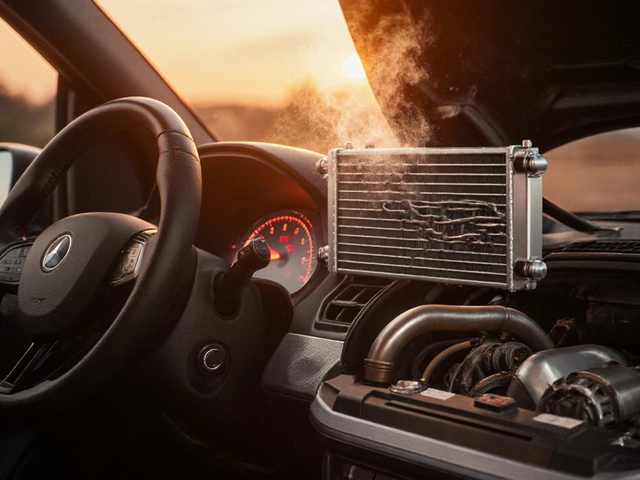
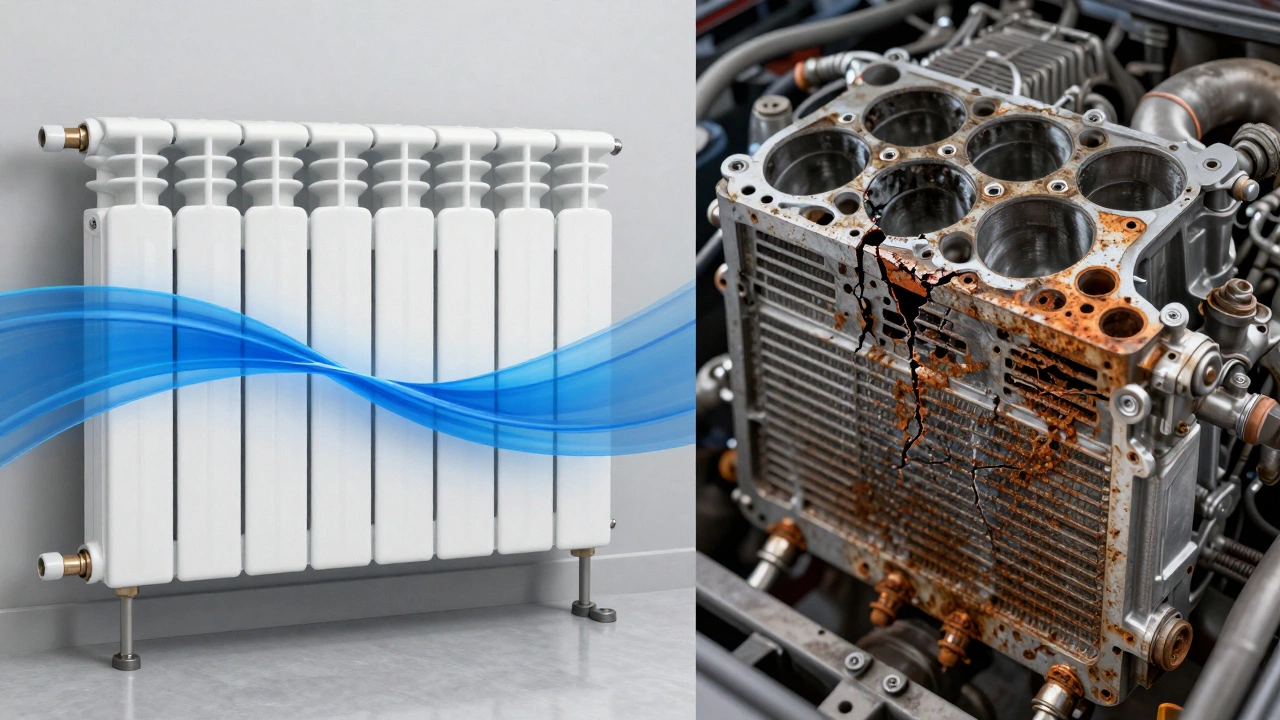
Overheating isn’t normal. If your temperature gauge is climbing into the red zone-even after a short drive-you’ve got a problem. But here’s the catch: overheating can come from a bad thermostat, low coolant, or a faulty water pump. So how do you know it’s the radiator? Check the coolant level when the engine is cold. If it’s consistently low, even after refilling, and you’re not seeing leaks elsewhere, the radiator is likely leaking internally or has blocked passages. A clogged radiator can’t transfer heat properly. That’s why your engine runs hot even with plenty of coolant. This isn’t a "wait and see" issue. Driving with an overheating engine can warp the cylinder head or blow the head gasket. Both repairs cost over £1,000. Replacing the radiator? Around £200-£400, depending on your car.
2. Coolant Is Leaking
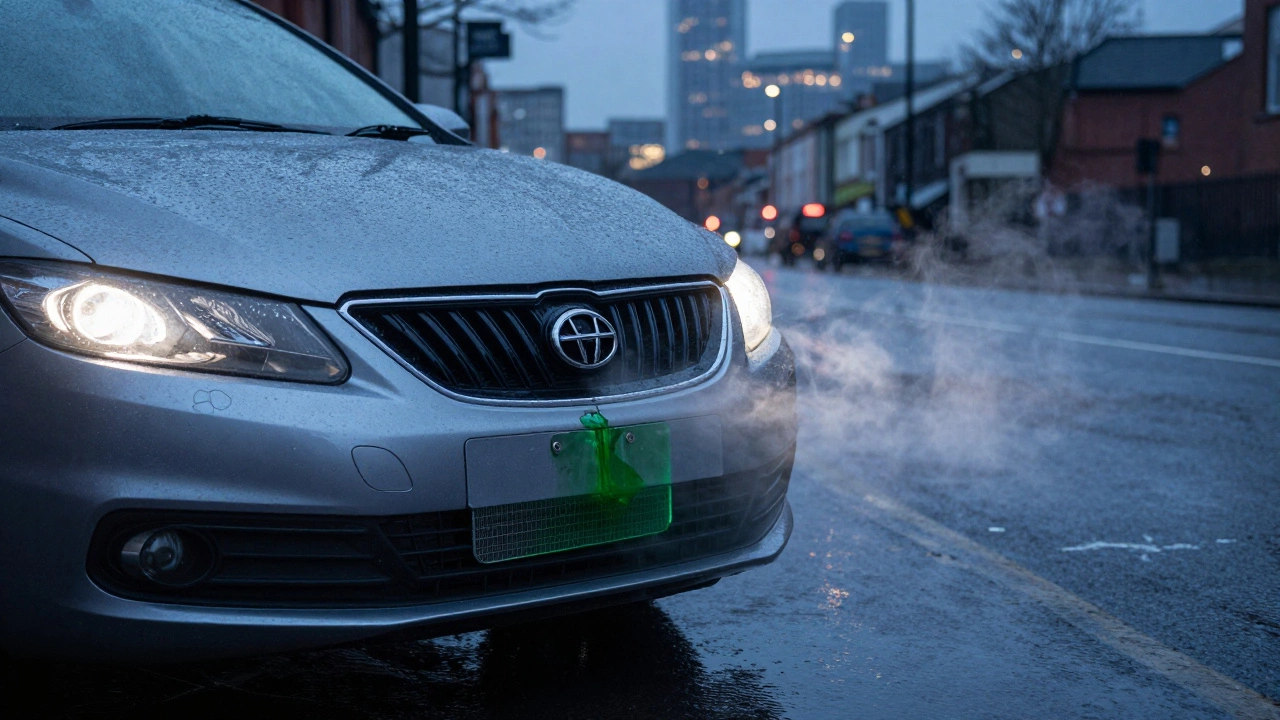
Look under your car after it’s been parked for a few hours. If you see green, orange, or pink fluid pooling near the front, that’s coolant. Radiators are made of aluminum and plastic. Over time, the plastic end tanks crack from heat stress. Aluminum cores corrode from old or dirty coolant. A small leak might start as a drip you barely notice. But by the time you see a puddle, you’ve already lost enough fluid to risk damage. Check the radiator itself-not just the hoses. A leak from the bottom seam or near the filler neck is almost always the radiator. Hoses and caps leak too, but they’re cheaper to fix. If you’ve replaced the cap and hoses and the leak keeps coming back, the radiator is the culprit.
3. Rust or Sludge in the Coolant
Open your coolant reservoir. If the fluid looks muddy, brown, or has chunks floating in it, you’ve got sludge. That’s not normal. Coolant should look clean and bright, like colored water. Sludge forms when rust and debris build up inside the radiator. This happens when coolant isn’t changed every 2-3 years. The sludge clogs the narrow cooling passages, stopping heat from escaping. You might not even see a leak, but your engine still overheats because the radiator is essentially clogged from the inside. A flush might help if it’s early stage. But if the sludge is thick and the radiator’s been neglected for five years or more, replacement is the only fix. No amount of flush will clean out a radiator that’s rusted through.
4. Discolored or Corroded Radiator
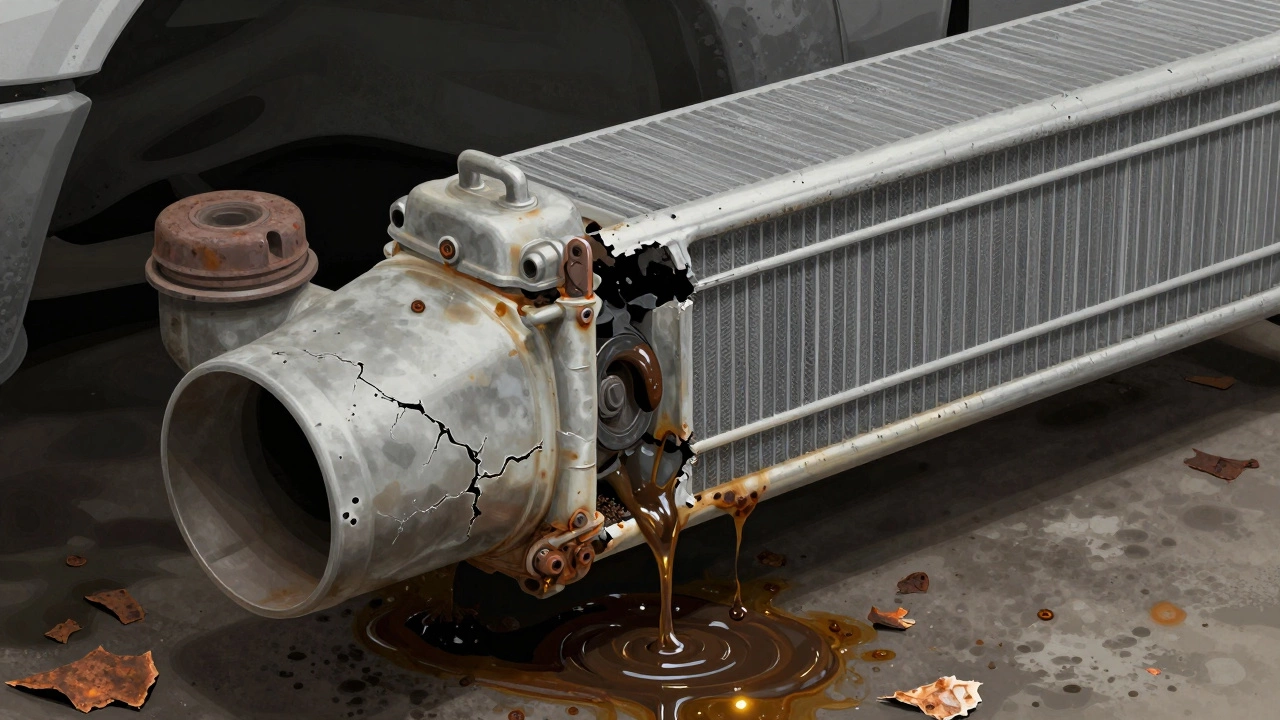
Pop the hood and take a close look at the radiator. Look at the fins and the side tanks. If you see white, chalky residue or greenish corrosion, that’s electrolysis or acid buildup from old coolant. Aluminum radiators corrode fast when coolant breaks down. If the metal looks pitted or flaky, or if you can see holes forming near the mounting brackets, it’s not just dirty-it’s failing. A corroded radiator won’t hold pressure. Even if it’s not leaking yet, it’s one heat cycle away from bursting. I’ve seen radiators in older Audis and BMWs fail after just 80,000 miles because owners never changed the coolant. Don’t wait for it to burst.
5. Your Heater Isn’t Working
Here’s a trick most people don’t know: your car’s heater uses hot coolant from the engine. If your heater blows cold air even after the engine is warm, that’s a sign coolant isn’t circulating properly. A clogged or leaking radiator can starve the heater core of hot fluid. You might think it’s a problem with the blower motor or the cabin filter. But if the cabin stays cold and the engine overheats, the radiator is the common link. This is especially common in cars with small radiators, like the Ford Focus or Vauxhall Astra. The heater core shares the same coolant loop. If the radiator’s blocked, both systems suffer.
6. You’ve Had a Radiator Repair Before
If you’ve had your radiator patched, soldered, or had a leak sealed with a stop-leak product, you’re on borrowed time. Stop-leak additives clog the system. They might stop a drip for a few weeks, but they don’t fix the crack. They just make things worse by building up in the cooling passages. A patched radiator rarely lasts more than 6-12 months. I’ve worked on enough cars to know this: if you’ve used a stop-leak, and it’s been over a year, replace the radiator now. Don’t risk engine damage because you saved £50 on a bottle of goo.
7. Your Car Is Over 10 Years Old or Has Over 100,000 Miles
Even if everything seems fine, age matters. Radiators aren’t designed to last forever. Most last 8-12 years or 100,000-150,000 miles. If your car is older than that and you’ve never replaced the radiator, you’re playing Russian roulette. The plastic end tanks become brittle. The aluminum cores thin out. The seals dry up. A radiator that’s been through three winters in Manchester’s damp, salty roads is especially vulnerable. You don’t need to wait for it to fail. If your car is approaching that age or mileage, and you’ve never replaced the radiator, plan for it. It’s cheaper to replace it before it breaks than to pay for a blown head gasket.
What Happens If You Ignore It?
Ignoring a bad radiator doesn’t mean your car will just run poorly. It means your engine will overheat. And when that happens, metal expands. Pistons can seize. Head gaskets blow. Cylinder heads warp. All of that leads to a total engine rebuild-or a new engine. A new engine for a mid-range car like a Volkswagen Golf or Toyota Corolla can cost £3,000-£5,000. A radiator replacement? £200-£400, including labor. That’s not even close to a fair trade. And if you’re on a tight budget, remember this: a used radiator from a scrap yard can cost as little as £60. It’s not ideal, but it’s better than being stranded on the M60 with no heat in January.
How to Check Your Radiator Yourself
You don’t need tools to spot most radiator problems. Here’s a quick 5-minute check:
- Wait until the engine is cold. Never open a hot radiator cap-steam can burn you.
- Look at the coolant level in the reservoir. Is it below the minimum line?
- Check the color. Is it clear and bright, or brown and murky?
- Look under the car for puddles. Trace them back to the radiator.
- Open the hood and inspect the radiator fins. Are they bent or covered in dirt? Are the end tanks cracked or corroded?
If two or more of these signs are present, it’s time to get it checked by a mechanic. Don’t wait for the engine to overheat on the motorway.
When to Replace vs. Repair
Some people try to repair radiators with epoxy or solder. It rarely works. Here’s the rule:
- Repair only if it’s a tiny pinhole leak on a brand-new radiator (rare).
- Replace if there’s corrosion, sludge, cracks, repeated leaks, or if the radiator is over 8 years old.
Modern radiators are cheap, mass-produced, and designed to be replaced-not fixed. Trying to repair an old one is like patching a tire on a 15-year-old car. It might hold for a while, but you’re just delaying the inevitable.
| Sign | What It Means | Typical Cost to Fix |
|---|---|---|
| Engine overheating | Coolant can’t circulate or is leaking | £200-£400 |
| Coolant leaks under car | Cracked tank or corroded core | £200-£400 |
| Muddy or sludgy coolant | Internal corrosion, blocked passages | £250-£450 (flush won’t fix it) |
| Heater blows cold air | Low coolant flow from radiator | £200-£400 |
| Used stop-leak product | Clogs system, hides real problem | £200-£400 (replace, don’t patch) |
| Car over 10 years or 100k miles | Age-related wear, even if no leaks | £180-£380 |
Frequently Asked Questions
Can a radiator be fixed without replacing it?
Only in rare cases-like a tiny pinhole leak on a brand-new radiator. Most leaks come from cracked plastic tanks or corroded aluminum cores. These can’t be safely repaired. Stop-leak products might seal a leak temporarily, but they clog the cooling system and make things worse. If your radiator is over five years old, replacement is the only reliable fix.
How long does a radiator usually last?
Most radiators last 8 to 12 years or 100,000 to 150,000 miles. But in places like Manchester, where roads are salted in winter, corrosion happens faster. Cars with neglected coolant changes often fail by 80,000 miles. If you’ve never changed the coolant, your radiator is probably already wearing out.
Is it safe to drive with a leaking radiator?
No. Even a small leak can lead to overheating in under 10 minutes. Once the engine overheats, you risk warping the cylinder head or blowing the head gasket. Both repairs cost over £1,000. If you see coolant on the ground or the temperature gauge rising, pull over and turn off the engine. Don’t risk a total engine failure.
Should I use a used radiator from a scrap yard?
It’s a budget option, but proceed with caution. Make sure the radiator is from the same car model and year. Check for cracks, corrosion, or bent fins. A used radiator can work if it’s in good shape and you flush the cooling system thoroughly. But if your car is worth more than £2,000, a new radiator is a better investment. Used parts don’t come with warranties, and you’re gambling on its remaining life.
How often should I change the coolant?
Every 2 to 3 years, or every 30,000 to 50,000 miles, depending on your car’s manual. Old coolant turns acidic and eats away at the radiator, hoses, and water pump. Many people skip this because it’s not a "loud" problem-but it’s the #1 cause of radiator failure. Use the coolant type specified by your manufacturer. Mixing types can cause sludge.
Next Steps
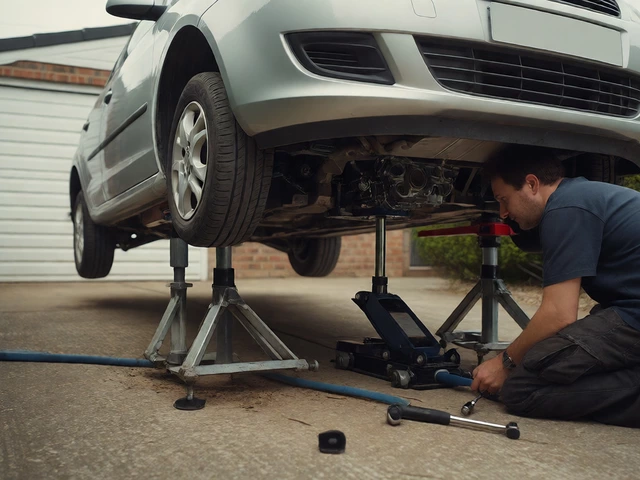
If you’re seeing any of these signs, don’t wait. Book a radiator inspection now. If you’re handy, you can replace it yourself in a few hours with basic tools-but only if you’re comfortable draining coolant and bleeding air from the system. If not, take it to a trusted garage. Ask them to pressure-test the cooling system. That’s the only way to confirm a radiator leak versus a head gasket issue. And if you’re replacing the radiator, replace the thermostat and hoses at the same time. They’re cheap, and they wear out at the same rate. It’s the smart way to avoid another repair in six months.