Low Oil Driving Time Calculator
Results
Enter your vehicle details to see safe driving distance
Running your car with low engine oil isn’t just a bad idea-it’s a fast track to serious damage. You might think a few miles won’t hurt, but engines don’t forgive mistakes. If your oil light comes on or you notice the dipstick barely touching the minimum line, you’re already in danger. The truth? You shouldn’t drive at all. But if you’re stuck and need to get somewhere, here’s what actually happens-and how much time you really have.
What Happens When Oil Gets Too Low
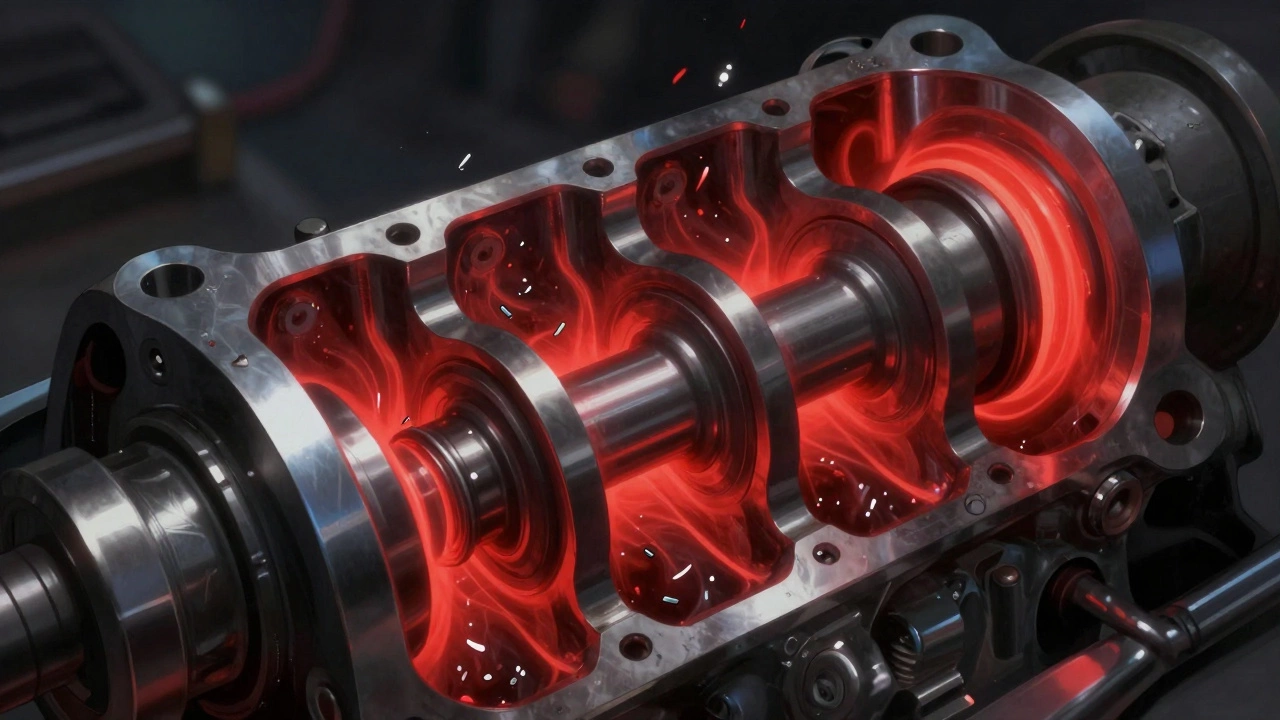
Engine oil isn’t just a lubricant. It cools critical parts, cleans away debris, and seals piston rings. When oil levels drop, metal starts grinding against metal. The crankshaft, connecting rods, camshafts, and valve train all rely on a steady film of oil. Without it, friction spikes, heat builds up, and components warp or seize.
Modern engines run tighter tolerances than older ones. That means even a small drop in oil can cause damage faster. A 2024 study by the Society of Automotive Engineers found that engines running with oil 1 quart below the full mark showed measurable wear within 15 minutes of driving at highway speeds. That’s not a myth-it’s measurable science.
How Far Can You Really Go?
There’s no safe number. But if you’re asking because you’re already low, here’s the rough timeline:
- Under 5 minutes: You might not notice anything. The oil pressure light might not even be on yet, but damage is starting.
- 5-15 minutes: You’ll likely hear knocking or ticking from the top of the engine. That’s the valve train starving for oil. This is the point of no return for many engines.
- 15-30 minutes: Metal particles begin circulating. Bearings start to fail. The engine may overheat or lose power. If you’re lucky, you’ll get a warning light. If you’re not, the engine could seize.
- Over 30 minutes: Catastrophic failure is almost certain. You’ll need a new engine-or a new car.
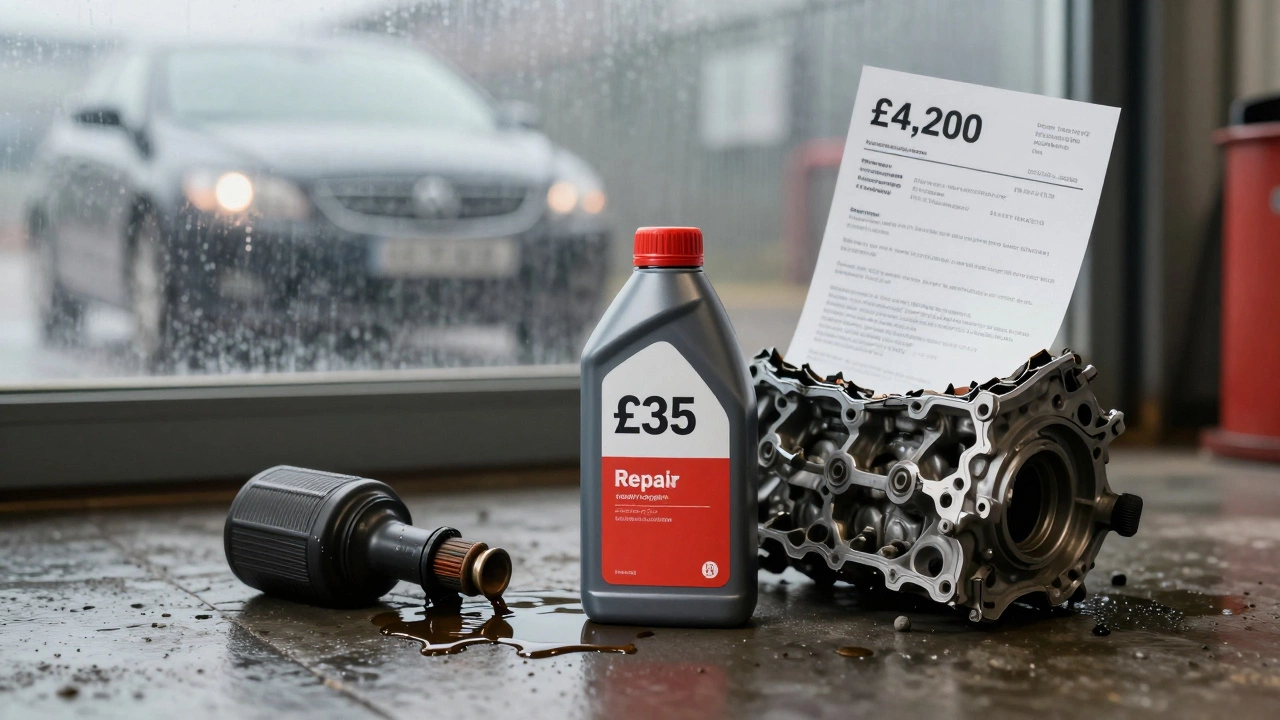
These aren’t guesses. Mechanics in Manchester see this every winter. One driver in Salford drove 22 miles after ignoring the oil light. By the time he pulled over, the connecting rod had punched a hole through the engine block. Repairs cost £4,200. A new oil change? £35.
Why Some People Think They Can Get Away With It
Some folks swear they’ve driven 10 miles with low oil and nothing happened. That’s luck, not skill. Engines vary. Older cars with looser tolerances might sputter along longer. Newer turbocharged engines? They’re designed for precision. A turbocharger spins at over 100,000 RPM. It needs constant oil flow. Run it dry for 10 minutes and you’re looking at a £1,800 replacement.
Also, oil pressure sensors aren’t always accurate. They can delay warning until it’s too late. The dipstick doesn’t lie. If it’s below the min line, you’re already at risk-even if the dashboard says everything’s fine.
What to Do If You’re Low on Oil
Here’s what you actually need to do, step by step:
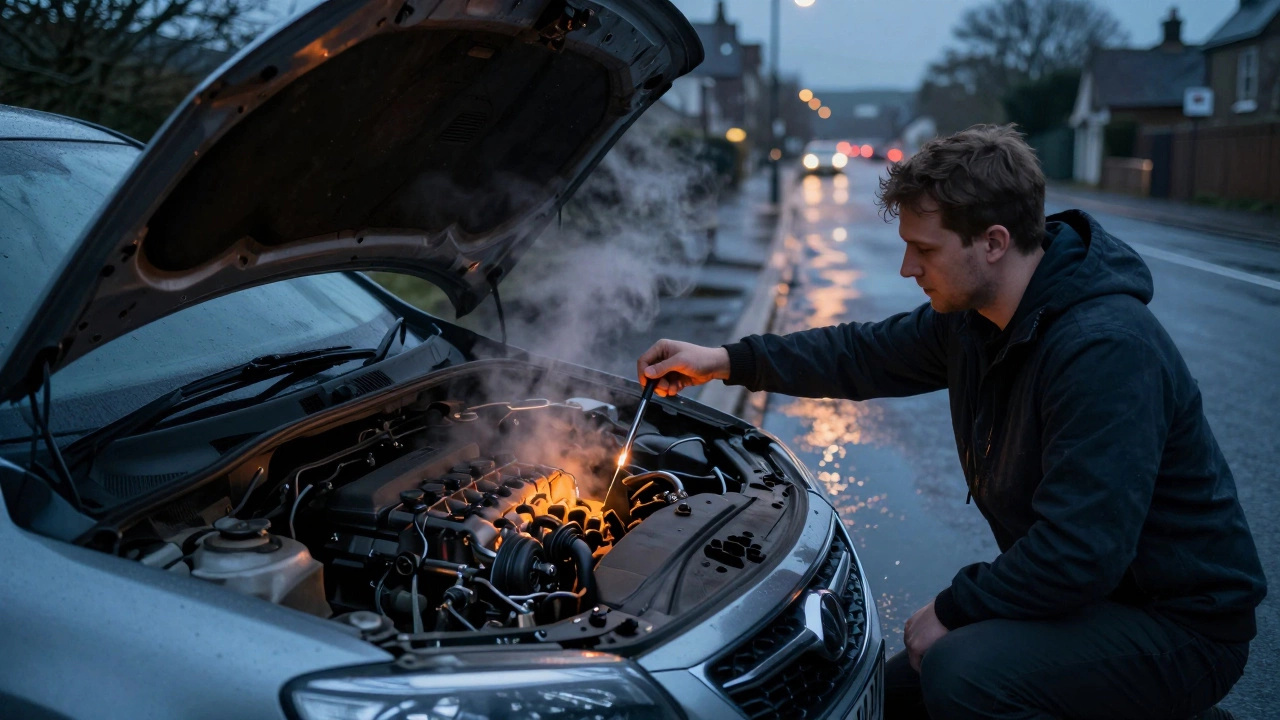
- Stop driving immediately. Even if you’re 2 miles from home, pull over. Turn off the engine.
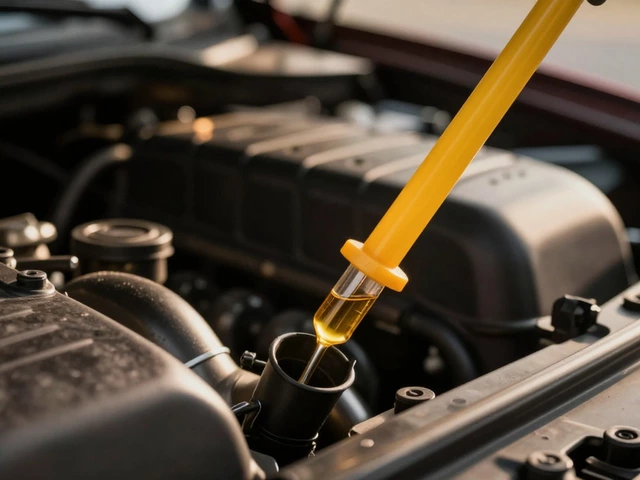
- Check the oil level. Wait 5 minutes for oil to settle, then pull the dipstick. Wipe it, reinsert, check again. If it’s below the min mark, add oil.
- Add the right oil. Use the grade your manual recommends (e.g., 5W-30, 0W-20). Don’t guess. Mixing wrong oil can cause sludge.
- Top up slowly. Add half a quart at a time. Recheck after each. Overfilling is just as bad as underfilling.
- Get it checked. Low oil often means a leak or burning oil. Have a mechanic inspect for worn seals, damaged gaskets, or a failing PCV valve.
Most garages in Greater Manchester will check your oil for free if you’re a regular. Don’t wait until it’s too late.
Signs You’re Already Damaged
If you’ve driven with low oil and now notice any of these, don’t ignore them:
- Engine knocking or metallic ticking
- Blue smoke from the exhaust (burning oil)
- Overheating or coolant loss
- Loss of power or stalling
- Oil pressure warning light stays on after refilling
These aren’t “minor issues.” They’re symptoms of internal engine damage. A $50 oil change turned into a $3,000 engine rebuild because someone thought they could drive a little longer.
Prevention Is Cheaper Than Repair
Check your oil every 2-3 weeks. If you drive more than 10,000 miles a year, check it weekly. Modern cars have oil life monitors, but they’re not magic. They assume normal driving. If you drive in stop-and-go traffic, haul heavy loads, or live in Manchester’s cold winters, your oil breaks down faster.
Keep a 1-quart bottle of your car’s oil in your trunk. It takes 2 minutes to top up. And if you’re ever unsure, don’t guess-get it checked.
Driving with low oil isn’t a gamble. It’s a guaranteed loss. Your engine doesn’t have a "one free pass." Once the metal starts grinding, the clock starts ticking-and it ticks fast.
Can I drive 5 miles with low engine oil?
Technically, yes-but you’re risking damage. Even 5 miles at highway speed can cause bearing wear. If you must, drive slowly, avoid acceleration, and get oil added before driving further. But the safest answer is: don’t drive at all.
Why does my car lose oil so fast?
Fast oil loss usually means a leak or internal problem. Common causes: a worn valve cover gasket, damaged oil pan seal, cracked oil filter housing, or worn piston rings that burn oil. Turbocharged engines are especially prone to oil leaks around the turbo inlet. A mechanic can pinpoint it with a dye test or pressure check.
Does the oil light mean I’m out of oil?
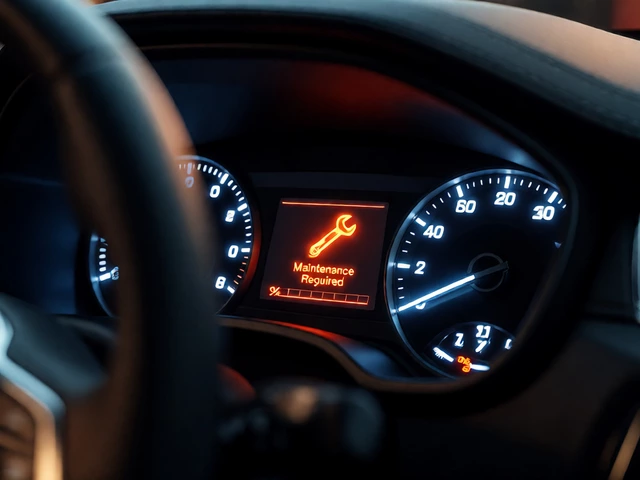
Not always. The oil light usually means low oil pressure-not low oil level. But low oil level is the most common cause of low pressure. Other causes include a failing oil pump, clogged oil filter, or worn engine bearings. Always check the dipstick first. If the level is low, add oil. If it’s normal, get the car towed to a mechanic.
Can I use any oil to top up?
No. Always use the viscosity grade (e.g., 5W-30) and type (synthetic, conventional) recommended in your owner’s manual. Mixing different types can reduce performance or cause sludge. If you’re in a pinch, use the closest match-but get the correct oil as soon as possible.
How often should I check my oil?
Check it every 2-3 weeks, or before any long trip. If your car is older than 8 years, or you drive in stop-and-go traffic, check it weekly. Cars with turbochargers, diesel engines, or high mileage should be checked more often. A quick dipstick check takes 30 seconds and can save you thousands.