Fuel Pump Failure Risk Analyzer
Select the symptoms your vehicle is currently experiencing to assess the risk level.
Diagnosis Result
Select at least one symptom above to generate a diagnosis.
Recommended Action:
...
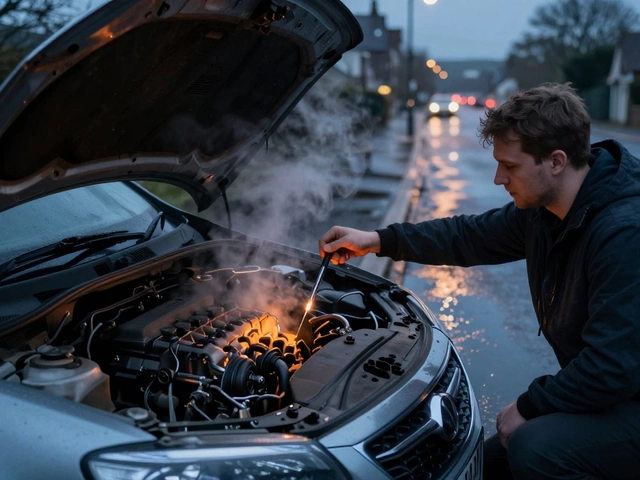
Imagine cruising down the highway at 65 mph. You aren't speeding, you aren't braking hard, and suddenly-silence. The engine dies. The steering wheel locks up. The power steering vanishes. Your heart drops into your stomach as you coast toward the shoulder. This isn’t a movie scene; it is the terrifying reality of a fuel pump failure.
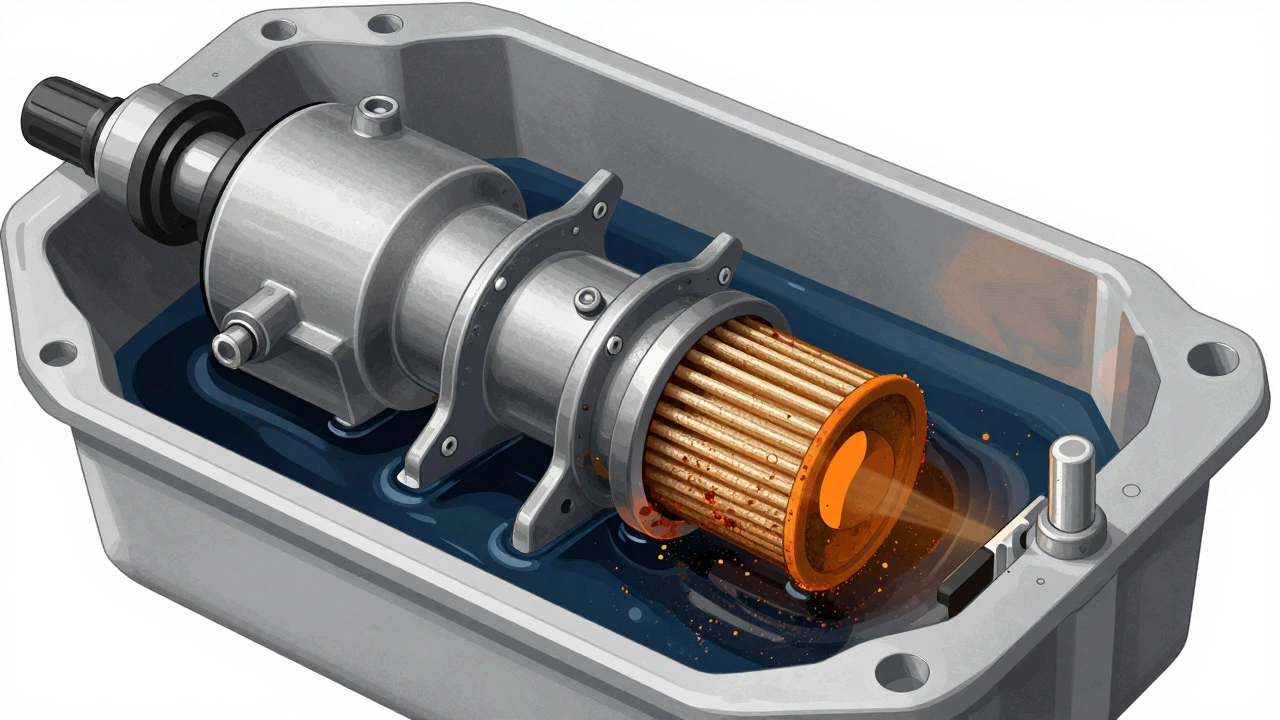
The fuel pump is the unsung hero of your vehicle’s drivetrain. It sits quietly in your gas tank (usually), pushing pressurized gasoline or diesel from the tank to the engine. Without that steady stream of fuel, your engine is just a heavy metal paperweight. But before the total shutdown, the pump rarely quits cold turkey. It usually gives you warning signs. Knowing what happens to a car when the fuel pump goes bad can save you from being stranded on the side of the road and prevent expensive secondary damage.
The Early Warning Signs: What to Listen For
Fuel pumps don’t fail overnight. They degrade over time due to heat, debris, and low fuel levels. The first thing most drivers notice is a change in sound. A healthy fuel pump makes a soft hum when you turn the key to the 'on' position before starting the engine. If that hum turns into a loud whining, grinding, or rattling noise, the pump’s internal bearings are likely wearing out.
You might also experience difficulty starting the car. This doesn’t mean the battery is dead. If the starter motor cranks quickly and strongly but the engine refuses to fire, the problem is often fuel delivery. The pump might be too weak to build the necessary pressure for ignition. You might need to try starting it three or four times before it catches. This is a classic sign of a failing pump struggling to maintain prime.
- Loud whining noise: Indicates worn bearings or impeller damage.
- Hard starting: Engine cranks but won't ignite immediately.
- Sputtering at high speeds: Loss of pressure under load.
Performance Issues: Surging, Stalling, and Power Loss
As the pump deteriorates further, its ability to deliver consistent fuel pressure drops. This inconsistency manifests as erratic driving behavior. You might feel the car surge forward unexpectedly, then hesitate. This is known as fuel surging. It happens because the pump is intermittently losing pressure, causing the engine control unit (ECU) to adjust air-fuel ratios incorrectly.
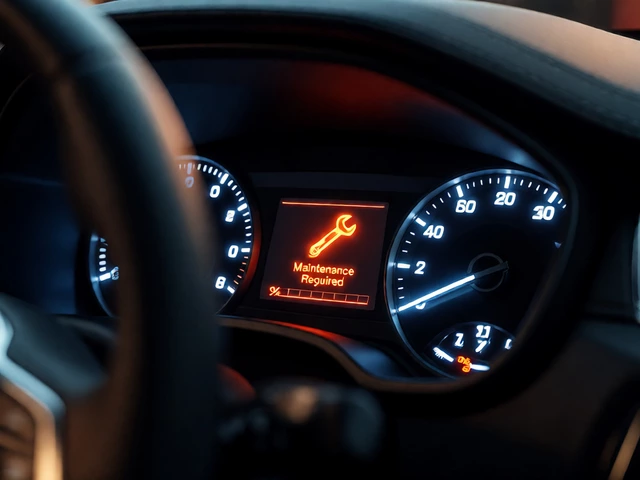
Another common symptom is stalling while idling or accelerating. If you stop at a red light and the engine dies, or if you press the gas pedal to pass a truck and the car bogs down instead of accelerating, the fuel pump is likely starving the engine. This is particularly dangerous in traffic. The ECU detects this lack of performance and will almost certainly trigger the Check Engine Light.
Common error codes associated with these issues include P0087 (Fuel Rail/System Pressure Too Low) and P0190 (Fuel Volume Regulator Sensor Circuit). These codes tell the mechanic exactly where to look. Ignoring them only accelerates the failure.
The Total Failure Scenario: Stranded on the Road
When the fuel pump finally gives up completely, the consequences are immediate and inconvenient. The engine stops running because there is no fuel combustion. In modern cars with electronic power steering and brake boosters, this loss of engine power means you lose assistance for steering and braking. The steering becomes heavy, and the brakes require more foot pressure. While the mechanical brakes still work, stopping safely requires more effort and distance.
This scenario often leaves drivers stranded in unsafe locations. Unlike a flat tire, which you can sometimes fix yourself, a dead fuel pump requires professional repair. You cannot jump-start a car with a bad fuel pump. Towing is usually the only option. The cost of a tow truck plus the repair bill adds up quickly. Preventative maintenance is far cheaper than emergency roadside assistance.
| Stage | Symptoms | Risk Level | Action Required |
|---|---|---|---|
| Early Degradation | Whining noise, slight hesitation | Low | Schedule inspection soon |
| Intermittent Failure | Surging, hard starting, Check Engine Light | Medium | Avoid highway driving, repair ASAP |
| Total Failure | Engine dies, won't restart, loss of power assist | High | Tow to mechanic immediately |
Why Do Fuel Pumps Fail?
Understanding why they fail helps you prevent it. The primary enemy of a fuel pump is heat. The gasoline in your tank acts as a coolant for the pump. When you habitually run your tank below a quarter full, the pump is exposed to hotter temperatures and has less fuel to lubricate and cool its internal components. Over time, this heat breaks down the insulation on the pump’s windings and wears out the brushes.
Contamination is another major factor. Dirt, rust, and sediment from the bottom of the fuel tank can clog the pump’s filter screen. If the pump has to work harder to push fuel through a clogged filter, it overheats and burns out. Old vehicles with rusty tanks are especially prone to this. Replacing the fuel filter regularly is a cheap insurance policy against pump failure.
Voltage spikes from a failing alternator or voltage regulator can also fry the pump’s electrical motor. Modern cars have sensitive electronics, and any irregularity in the charging system can send excessive current to the fuel pump, destroying it instantly.
Diagnosis and Repair: Is It Really the Pump?
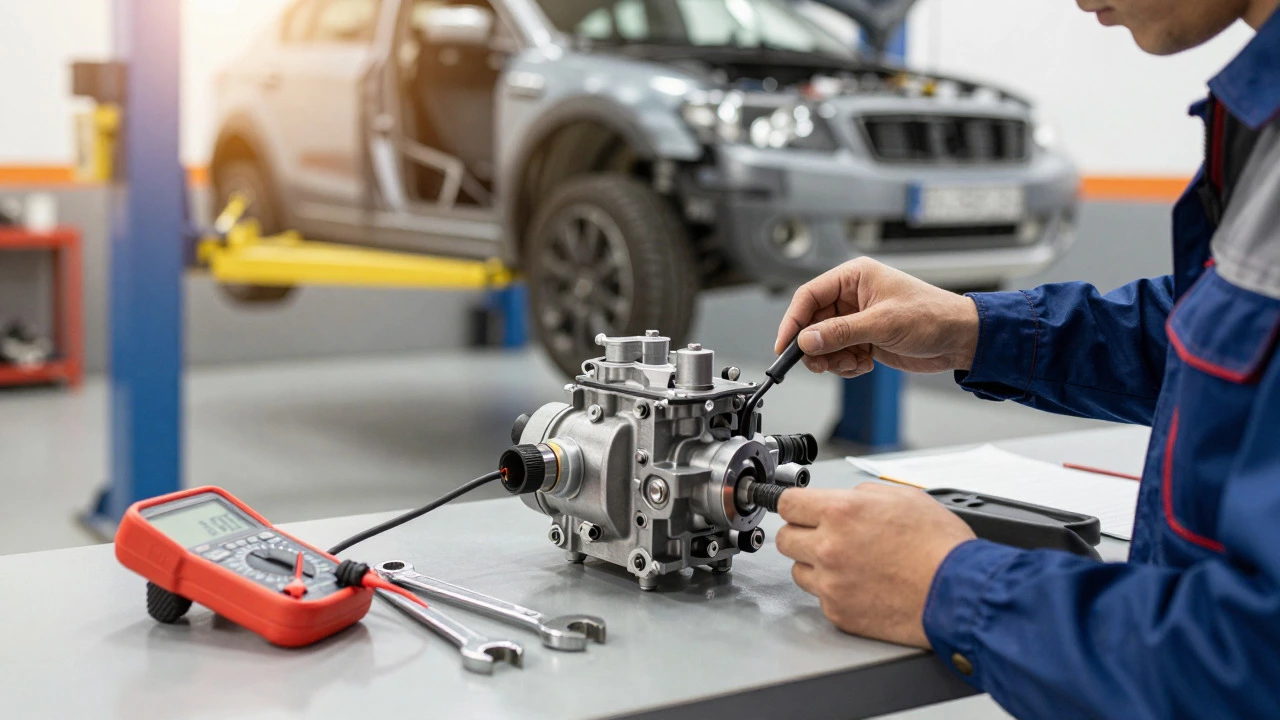
Before you replace the pump, a mechanic needs to rule out other possibilities. A clogged fuel filter, dirty fuel injectors, or a faulty mass airflow sensor can mimic fuel pump symptoms. The diagnostic process usually starts with checking fuel pressure using a gauge connected to the fuel rail. If the pressure is zero or significantly below the manufacturer’s specification (typically 30-60 PSI for gasoline engines), the pump is suspect.
Technicians may also listen to the pump with a stethoscope or perform a voltage drop test on the wiring harness. If the pump receives power but doesn’t spin, the motor is dead. If it spins but produces no pressure, the internal impeller is damaged. In many cases, replacing the entire fuel pump assembly-including the sender unit and strainer-is recommended to ensure reliability.
Costs and Prevention Tips
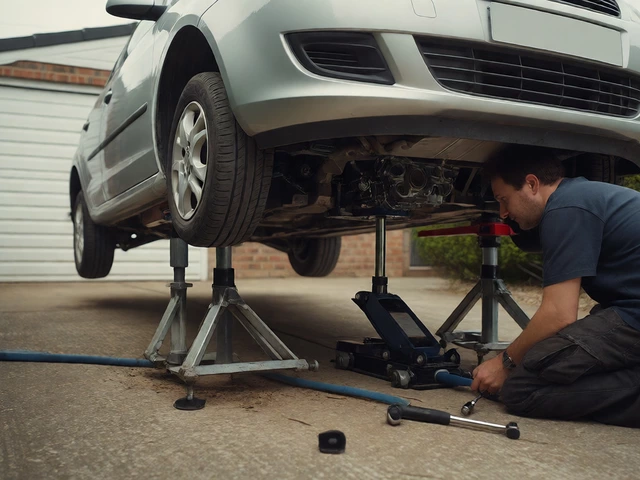
Replacing a fuel pump varies in cost depending on the vehicle. For a standard sedan, parts and labor might range from $400 to $800. Luxury vehicles or trucks with large tanks can cost upwards of $1,200. The variation depends on accessibility; some pumps are easy to reach under the rear seat, while others require dropping the fuel tank, which is labor-intensive.
To extend the life of your fuel pump, follow these simple rules:
- Keep the tank above a quarter full: This keeps the pump submerged and cool.
- Replace the fuel filter: Follow the manufacturer’s interval, typically every 30,000 to 60,000 miles.
- Use quality fuel: Avoid contaminated or water-laden fuel, especially in older vehicles.
- Address electrical issues promptly: Fix alternator problems before they spike voltage to other components.
Ignoring early signs like whining noises or hard starting will inevitably lead to a total breakdown. By paying attention to how your car sounds and performs, you can catch a failing fuel pump before it leaves you stranded. Regular maintenance and mindful driving habits are your best defenses against this costly repair.
How long can you drive with a bad fuel pump?
It depends on the severity of the failure. If the pump is merely making noise or causing minor hesitation, you might drive for a few weeks. However, if the car is surging or stalling, you should limit driving to essential trips only. Total failure can happen at any moment, leaving you stranded. It is safer to get it repaired immediately rather than risking a breakdown on the highway.
Can a bad fuel pump cause the Check Engine Light to come on?
Yes, absolutely. The engine control unit monitors fuel pressure and oxygen levels. If the fuel pump delivers inconsistent pressure, the air-fuel mixture becomes incorrect. This triggers codes like P0087 (low fuel pressure) or P0171 (system too lean), which illuminate the Check Engine Light. Ignoring this light can lead to further engine damage.
Is it safe to drive with a noisy fuel pump?
It is not ideal. A noisy fuel pump indicates internal wear. While the car may still run, the pump is on borrowed time. Driving with a noisy pump increases the risk of sudden failure. You should avoid high-speed highway driving and plan for a repair as soon as possible to prevent being stranded.
How much does it cost to replace a fuel pump?
The average cost ranges from $400 to $800 for most passenger vehicles. This includes parts and labor. Prices can exceed $1,200 for luxury brands, trucks, or vehicles where the fuel tank must be dropped for access. DIY replacement can save on labor but requires technical skill and safety precautions regarding flammable fuel.
What are the main causes of fuel pump failure?
The top causes are running the fuel tank too low (overheating), clogged fuel filters (increased workload), contaminated fuel (debris damage), and electrical issues (voltage spikes). Heat is the biggest enemy, so keeping your tank above a quarter full is the simplest preventative measure.