Brake Pad Health & Cost Estimator
Vehicle Profile
Current Pad Thickness
Drag slider to simulate inspection results.
No immediate action required. Continue regular monitoring.
Your brakes are the only thing standing between you and a crash. Yet, most drivers ignore them until they hear that terrifying screech or feel the steering wheel shudder. The question "how often should brake pads be replaced" doesn't have a single calendar date answer. It depends on your driving habits, the type of vehicle you own, and the quality of the parts installed. Generally, front brake pads last between 20,000 to 60,000 miles (32,000 to 96,000 km), while rear pads can last up to 80,000 miles. However, relying solely on mileage is a dangerous game. You need to understand the mechanics of friction, recognize the warning signs early, and know when professional inspection is non-negotiable.
The Real Lifespan: Why Mileage Is Only a Guess
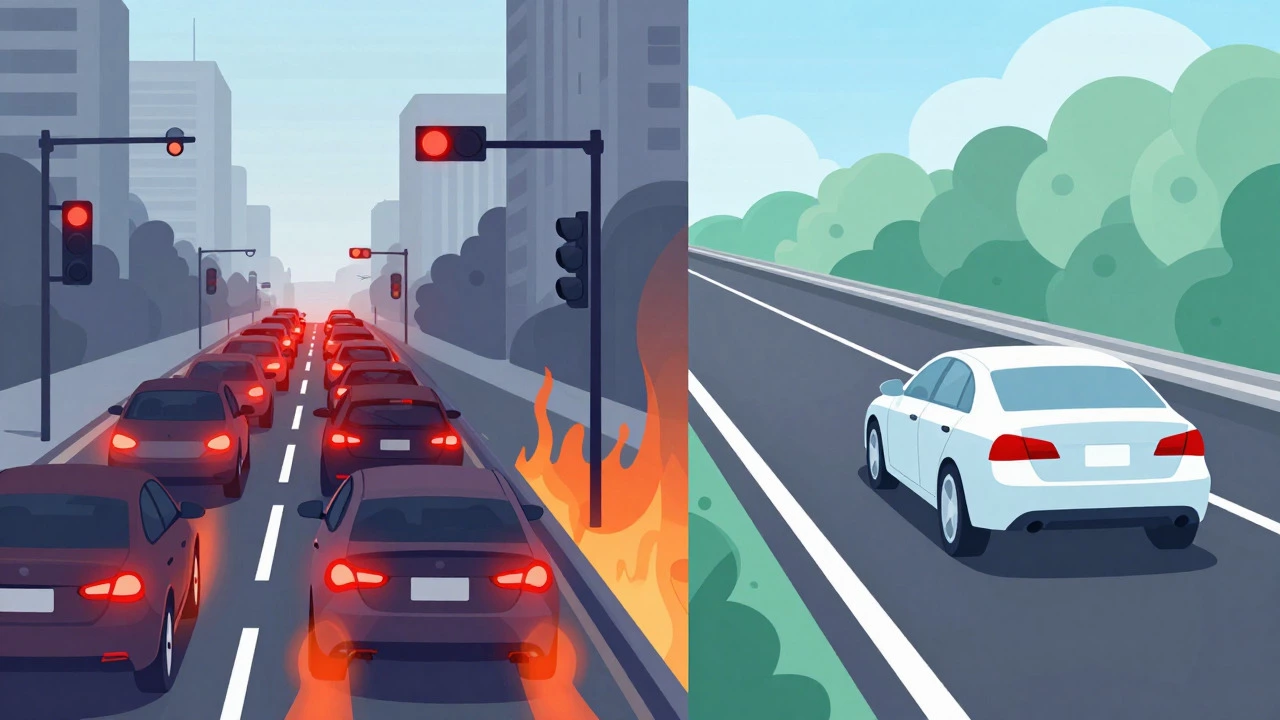
If you drive a small hatchback in Manchester’s stop-and-go traffic, your brakes will wear out much faster than if you drive a diesel estate motor on long motorway runs. Brake pads work by creating friction against rotors (also known as brake discs) to slow down the wheels. Every time you press the pedal, a tiny layer of material wears away from the pad.
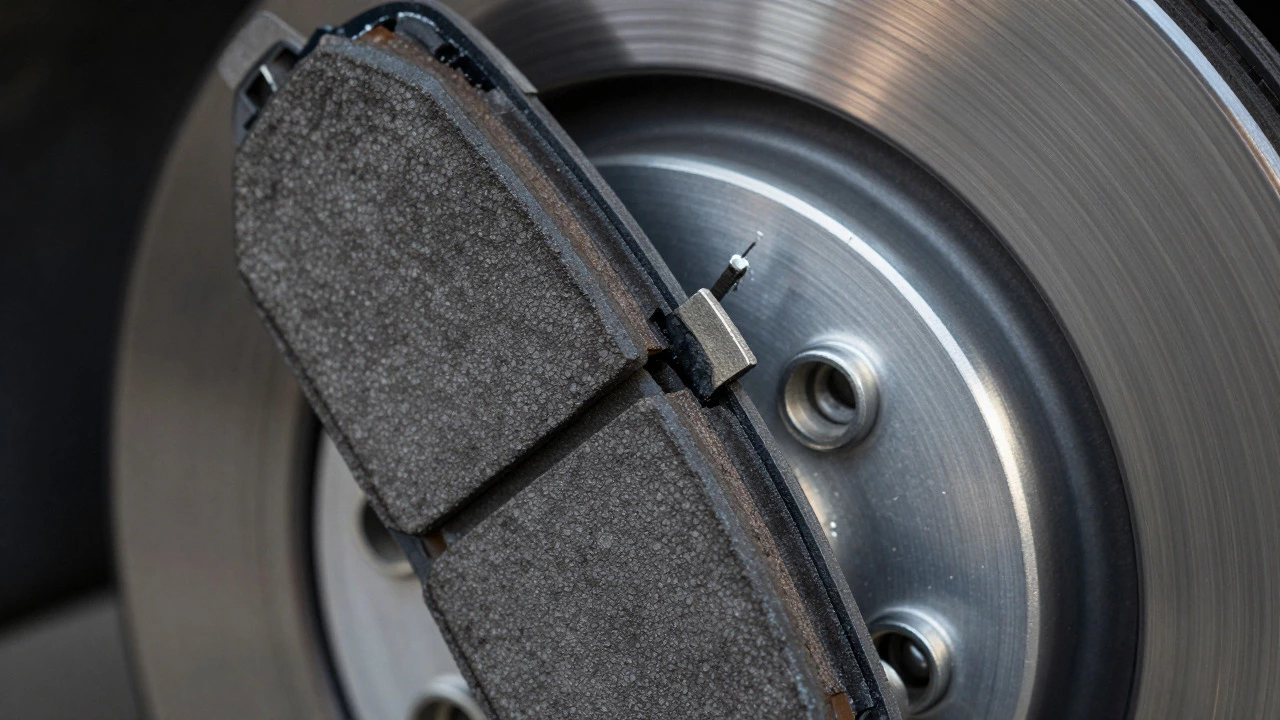
Manufacturers typically design new cars with brake pads that are about 12mm to 14mm thick. When they wear down to about 3mm, it's time for a replacement. Going below this threshold risks damaging the metal backing plate against the rotor, which can ruin the entire braking assembly. Here is how different factors skew that average lifespan:
- City Driving: Frequent stopping increases heat and friction. Expect replacements every 25,000 to 30,000 miles.
- Highway Driving: Less frequent braking means pads can last 50,000 to 70,000 miles or more.
- Towing or Heavy Loads: If you tow a caravan or carry heavy cargo, your braking distance increases, requiring harder pressure. This can halve the life of your pads.
- Driving Style: Aggressive acceleration followed by hard braking generates excessive heat, causing pads to glaze or crack prematurely.
It is also worth noting that front brakes do significantly more work than rear brakes. In most passenger vehicles, the front axle handles 60% to 70% of the braking force due to weight transfer during deceleration. Consequently, front pads usually need replacing twice as often as rear pads.
Signs Your Brake Pads Are Wearing Out
You don’t need to guess if your brakes are failing. Modern vehicles are equipped with sensors and mechanical indicators designed to alert you before disaster strikes. Ignoring these signals leads to expensive repairs and safety risks.
1. High-Pitched Squealing or Screeching
This is the most common warning sign. Most modern brake pads come with a built-in wear indicator-a small metal tab embedded in the friction material. When the pad wears down to a critical thickness, this tab scrapes against the rotor, producing a high-pitched squeal. It’s annoying by design. If you hear this sound when you’re not pressing the brake pedal heavily, your pads are likely at their limit.
2. Grinding Noises
If the squealing turns into a harsh grinding or growling noise, you’ve gone too far. This means the friction material has completely worn away, and the metal backing plate is grinding directly against the steel rotor. At this stage, you aren’t just replacing pads; you’ll likely need to resurface or replace the rotors as well. This repair can cost three times as much as a simple pad job.
3. Vibration in the Steering Wheel or Pedal
If your steering wheel shakes when you brake, or if you feel a pulsation in the brake pedal, your rotors may be warped. Warping often happens because old, unevenly worn pads have heated the rotor inconsistently. While this isn’t always a direct sign of pad thickness, it indicates the braking system needs immediate attention. Replacing warped rotors along with new pads ensures smooth, quiet operation.
4. Increased Stopping Distance
Do you find yourself pressing the pedal harder than usual to achieve the same stopping power? As pads wear thin, there is less friction material to grab the rotor. Additionally, if brake fluid has absorbed moisture over time (a common issue in older cars), the hydraulic efficiency drops. If your car feels "mushy" or takes longer to stop, get the system checked immediately.
5. Dashboard Warning Light
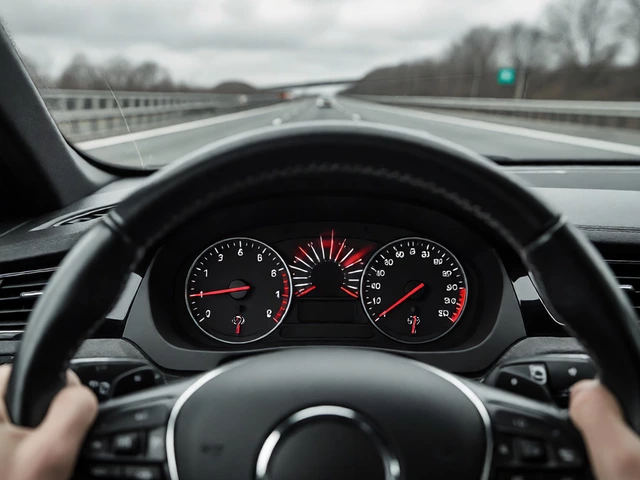
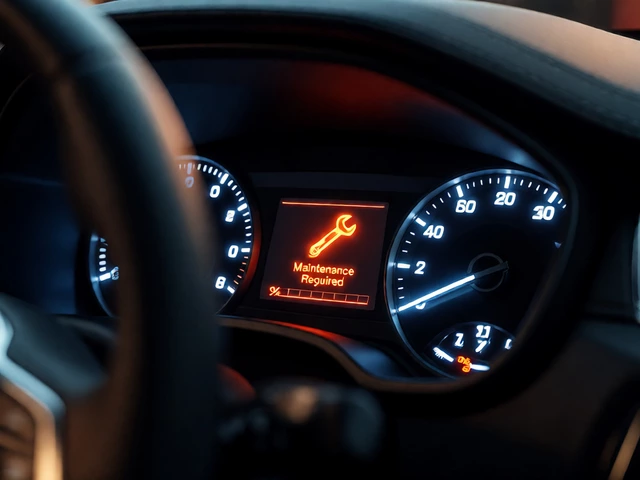
Many modern cars feature an electronic brake wear sensor. When the pad reaches a specific thickness, a circuit completes, triggering a red or yellow warning light on your dashboard. Don’t wait for this light to appear for a routine check-up, but treat it as an urgent command to visit a mechanic.
Visual Inspection: How to Check Yourself
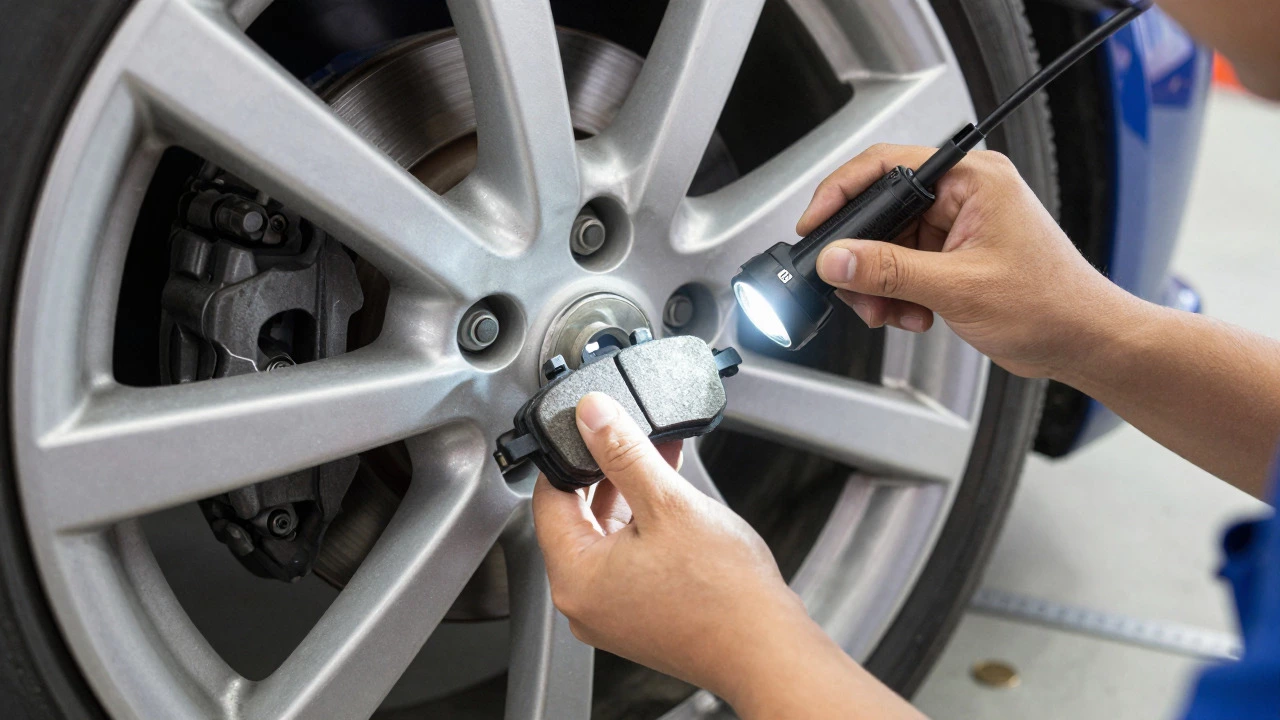
You don’t need to be a mechanic to check your brake pads. With a flashlight and a bit of curiosity, you can perform a quick visual inspection. Here’s how:
- Park on Level Ground: Ensure the car is stationary and the handbrake is engaged.
- Locate the Rotors: Look through the spokes of your alloy wheels. You should see the brake caliper (the metal clamp) holding the pads against the shiny metal disc (rotor).
- Measure Thickness: Use a ruler or a coin to estimate the thickness of the friction material on the pad. Ignore the metal backing plate; focus only on the dark, rubber-like compound.
- Evaluate: If the material looks thinner than a quarter-inch (about 6mm), plan for a replacement soon. If it’s closer to 3mm, schedule service within the week.
If your wheels have large, solid covers or complex multi-spoke designs that block the view, skip this step and trust a professional inspection. Forcing tools behind tight wheel arches can damage suspension components.
Comparison: Organic vs. Semi-Metallic vs. Ceramic Pads
Not all brake pads are created equal. The material composition affects longevity, noise levels, dust production, and performance. Choosing the right type for your driving style can extend the interval between replacements.
| Material Type | Lifespan | Noise Level | Dust Production | Best For |
|---|---|---|---|---|
| Organic (NAO) | Shorter (20k-30k miles) | Low | Moderate | Daily commuting, quiet operation |
| Semi-Metallic | Medium (30k-40k miles) | Higher | High | Towing, heavy loads, performance driving |
| Ceramic | Longest (50k+ miles) | Very Low | Low | Premium cars, clean wheels, consistent performance |
Ceramic pads are generally the best choice for everyday drivers who want longevity and cleanliness. They run cooler, which reduces rotor warping, and produce very little black dust on your wheels. Semi-metallic pads offer better heat dissipation for aggressive driving but tend to be noisier and cause more rotor wear. Organic pads are cheap and quiet but wear out quickly under heavy use.
Cost of Replacement: What to Expect in the UK
In the United Kingdom, brake pad replacement costs vary based on labor rates and part quality. A standard set of front brake pads for a common family car (like a Ford Focus or VW Golf) typically costs between £80 and £150 including labor at an independent garage. Dealerships may charge 30% to 50% more.
If you choose to DIY, the parts themselves range from £30 to £100 depending on the brand. However, remember that replacing pads requires compressing the caliper pistons, cleaning the slides, and applying brake grease. Skipping these steps leads to premature wear and noisy brakes. Always bleed the brake lines if the fluid level was low during the process to remove air bubbles.
Pro Tips to Extend Brake Life
You can actively influence how long your brakes last. Here are practical habits that reduce wear:
- Engine Braking: When approaching a red light or downhill slope, ease off the accelerator and downshift (in manual cars) or use paddle shifters (in automatics). Let the engine’s compression slow the car before tapping the brakes.
- Avoid Riding the Brake: Keeping your foot lightly on the pedal keeps the pads in constant contact with the rotors, generating heat and wear without slowing the car effectively.
- Reduce Weight: Remove unnecessary items from your boot. Every extra kilogram adds stress to the braking system.
- Regular Maintenance: Have your brake fluid flushed every two years. Old fluid becomes hygroscopic (absorbs water), leading to corrosion inside the calipers and reduced braking efficiency.
Frequently Asked Questions
Can I replace just one side of the brake pads?
Technically yes, but it is highly discouraged. Brakes should always be replaced in pairs-both front or both rear. Mixing old and new pads causes uneven braking force, which can pull the car to one side and destabilize the ABS system. Always replace axles together for balanced performance.
Is it safe to drive with worn brake pads?
Only for a short distance to reach a mechanic. Driving with pads worn below 3mm risks overheating the calipers, warping rotors, and potentially causing brake failure. The risk of an accident far outweighs the inconvenience of a tow truck.
Why do my brakes squeak only in the morning?
This is often caused by surface rust forming on the rotors overnight, especially in damp climates like the UK. The first few applications of the brakes scrape the rust off, causing noise. If the squeaking persists after driving for 10 minutes, the pads may be glazed or worn.
Should I replace rotors every time I change pads?
Not necessarily. If the rotors are still above the manufacturer’s minimum thickness specification and show no deep scoring or warping, they can be reused. However, many mechanics recommend replacing them simultaneously to ensure optimal bedding-in of the new pads and to avoid paying labor costs twice in the near future.
How does rain affect brake pad lifespan?
Rain itself doesn’t wear down pads faster, but wet roads increase stopping distances, leading drivers to brake harder and more frequently. This increased usage accelerates wear. Additionally, water can accelerate rust formation on rotors, which contributes to noise and minor surface irregularities.